









For years, Dr. Gabrielle Fundaro was the gold standard of disciplined nutrition. With a PhD in Human Nutrition, over a decade of coaching experience, and six powerlifting competitions under her belt, she possessed the academic and practical pedigree to master any dietary protocol. Yet, behind the scenes, she found herself trapped in a cycle that many fitness enthusiasts know all too well: she was a slave to the macro tracker.
Despite her expertise, Dr. Fundaro realized that her reliance on external metrics—meticulously balancing proteins, fats, and carbohydrates—had eroded her ability to trust her own biology. The fear of "losing her physique" kept her tethered to an app, even when the psychological toll began to outweigh the physiological benefits. Her realization that macro tracking had become a cage, not a compass, led to the development of a revolutionary framework: RPE-Eating.
Main Facts: The Shift from External to Internal Cues
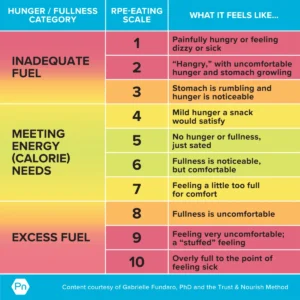
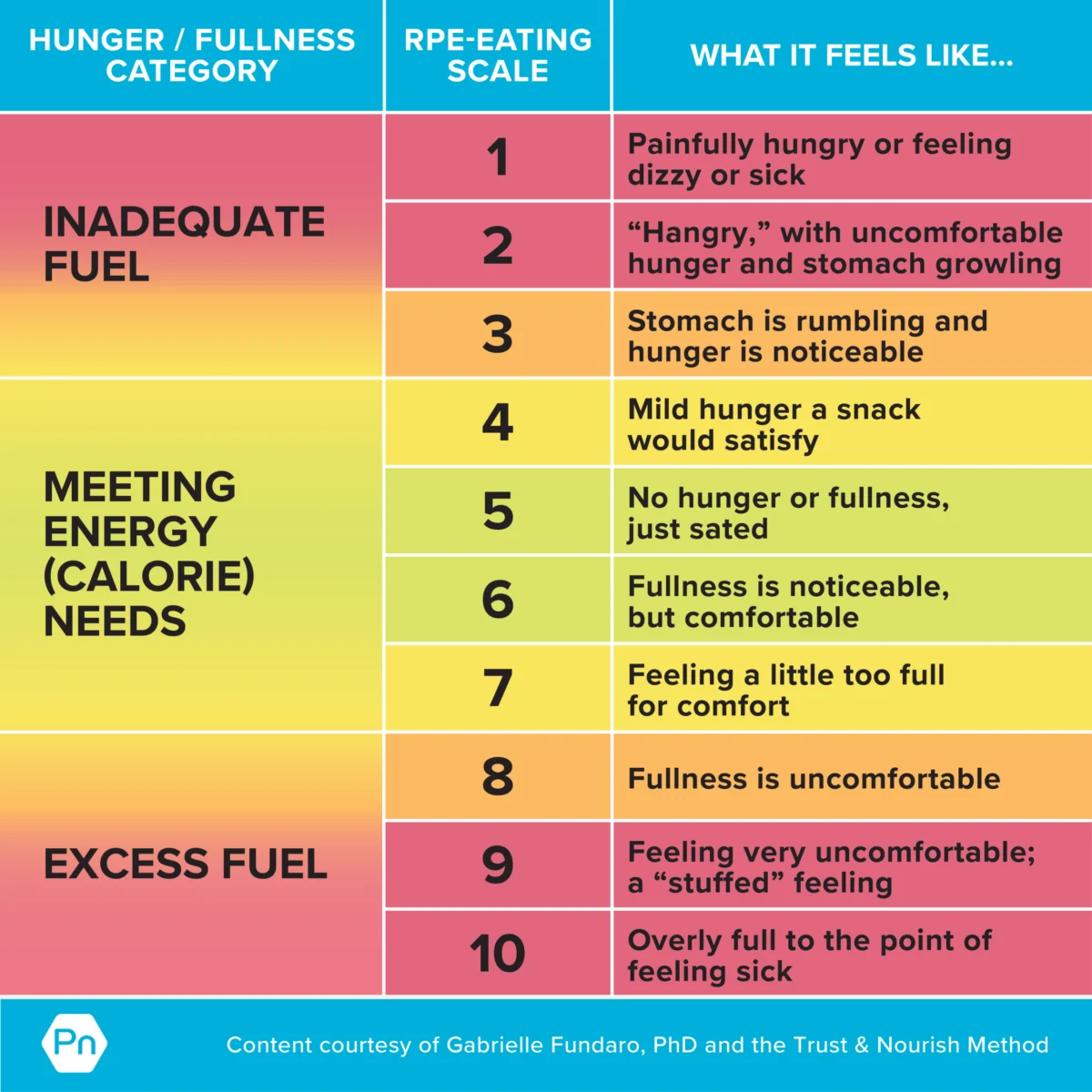
The core premise of RPE-Eating is to pivot from "objective" external data (apps, scales, and percentages) to "subjective" internal awareness (hunger, fullness, and satisfaction). Inspired by the Rate of Perceived Exertion (RPE) scale used in strength training—where athletes gauge their intensity based on effort rather than just percentages of a one-rep max—Dr. Fundaro adapted this framework for the kitchen.
RPE-Eating is not a diet; it is a behavioral intervention designed to improve "interoceptive awareness." It aims to bridge the gap between those who find rigid tracking restrictive and those who feel "intuitive eating" is too abstract or lacks the necessary structure. By assigning numerical values (1–10) to physical sensations of hunger and fullness, individuals can learn to identify their body’s actual energy requirements without the anxiety of hitting a specific gram-count of protein.
The Chronology of a Nutritional Evolution
The journey toward RPE-Eating did not happen overnight. It was a gradual erosion of trust in the traditional "tracking" model.
- The Tracking Era: Dr. Fundaro spent years adhering to precise macro targets. While it initially provided structure and results, it eventually bred a sense of anxiety. She found herself unable to enjoy a simple meal out, fearing that a lack of precision would lead to muscle loss or fat gain.
- The Breaking Point: The turning point occurred when the psychological burden of tracking—constantly balancing numbers and the inability to eat flexibly—became unsustainable. She recognized that her expertise in nutrition was not translating into confidence in her own eating habits.
- The Gym Epiphany: While applying the RPE scale to her powerlifting training, Dr. Fundaro observed that she was not only hitting her performance goals but was also recovering more efficiently. The combination of structured movement and intuitive feedback loops proved superior to rigid, spreadsheet-based training.
- The Adaptation: Applying the same 1–10 logic to nutrition, she developed the RPE-Eating scale. This allowed her to move away from the "all-or-nothing" mentality of dieting and toward a sustainable, long-term relationship with food.
Supporting Data: Why RPE Works
The RPE scale, originally developed by Gunnar Borg in the 1960s, is a validated tool in exercise science. It is predicated on the idea that the human body is an excellent judge of its own exertion level. When applied to nutrition, it functions similarly to glucose monitoring or appetite-suppression signaling.
While traditional macro counting relies on the assumption that we can accurately predict our energy needs through math, RPE-Eating relies on the body’s homeostatic feedback loops. When we are hungry, our blood glucose levels drop, and our bodies send clear signals (hunger pangs, dizziness, or irritability). Conversely, when we are full, our satiety hormones (like leptin) send signals to the brain to stop eating.
Dr. Fundaro’s framework suggests that most of us have spent years ignoring these signals in favor of what an app tells us. By "downloading" the feeling of satiety—literally paying attention to how our body feels at the end of a meal—we retrain the brain to recognize the "stop" signal, effectively automating calorie control without the need for a calculator.
The Psychological Implications
The shift toward RPE-Eating carries significant psychological weight, particularly for those with a history of disordered eating or chronic yo-yo dieting.
The Problem with "Optimal"
Dr. Fundaro emphasizes that RPE-Eating is not designed to be the "optimal" method for extreme body composition changes, such as professional bodybuilding. Attempting to use RPE for a stage-ready physique would be akin to using light physical therapy for elite powerlifting. However, for the vast majority of the population, "optimal" is the enemy of "sustainable." The stress of perfectionism is a known driver of metabolic adaptation and psychological burnout.

The "Notice and Name" Technique
A key component of the program is the "notice and name" exercise. When faced with emotional eating—reaching for food during stress, sadness, or anxiety—practitioners are encouraged to identify the emotion before eating. This builds a "pause" between the stimulus and the response. It allows the individual to decide if they are eating because they are hungry or because they are seeking a coping mechanism. By expanding one’s repertoire of self-soothing behaviors (e.g., walking, breathing, or talking to a friend), the reliance on food for emotional regulation diminishes.
Official Perspectives and Expert Nuance
Dr. Fundaro is careful to note that RPE-Eating is not a panacea. She acknowledges that for parents, shift workers, or those in high-stress environments, the luxury of "mindful, slow eating" is often nonexistent. In such cases, she advocates for a pragmatic approach: use the tools when you can, and don’t stress when you can’t.
Furthermore, she distinguishes between satiety (physical fullness) and satisfaction (emotional enjoyment). Many restrictive diets fail because they ignore the latter. If an individual only eats to satisfy their caloric needs but bans "pleasure foods," they inevitably trigger a "restrict-binge" cycle. RPE-Eating encourages the inclusion of enjoyable foods, teaching the individual to eat them mindfully until they reach a comfortable level of satiety, thereby removing the "forbidden fruit" aura that leads to overconsumption.
Implications for the Future of Nutrition Coaching
The rise of RPE-Eating signals a broader cultural shift in the fitness industry. For years, the industry pushed "tracking everything" as the only way to succeed. Now, there is a growing acknowledgment that this rigidity can be harmful.
For coaches, the implication is clear: the goal of coaching should be to make the client independent, not dependent on the coach or an app. RPE-Eating serves as a perfect "off-ramp" for those who have spent years tracking. It provides a structured, evidence-based transition into intuitive living.
Is RPE-Eating Right for You?
The framework is particularly well-suited for those who:
- Feel trapped by tracking: You are tired of the app but are terrified that "letting go" will result in rapid weight gain.
- Have a history of disordered eating: You recognize that constant weighing and measuring is negatively impacting your mental health.
- Seek autonomy: You want to develop a deep, internal understanding of your body’s needs that will last a lifetime, independent of technology.
A Call for Professional Support
It is vital to state that RPE-Eating is a behavioral tool, not a clinical treatment for eating disorders. For those suffering from severe clinical conditions, this framework should only be implemented under the guidance of a therapist, registered dietitian, or qualified medical professional.
Conclusion: The Ultimate Goal is Trust
At its heart, Dr. Fundaro’s message is one of liberation. The goal of her work is not to eliminate nutrition science, but to integrate it into the human experience. When you finally stop tracking, you realize that your body is not an adversary to be managed with spreadsheets, but a partner to be listened to.
By utilizing the RPE-Eating scale, you aren’t just eating better—you are learning to trust yourself. And for many, that is the most important health gain of all. As Dr. Fundaro concludes, "The goal is to know that you are nourishing yourself, and you don’t need a food tracker to do that." In a world obsessed with metrics, reclaiming the ability to trust your own senses might just be the most "optimal" path to wellness.