










In the quest to extend human healthspan—the number of years lived in good health—scientists have increasingly turned their attention to the intricate relationship between metabolic health and cognitive function. A groundbreaking clinical trial led by researchers at the University of Oklahoma (OU) has recently cast a spotlight on a natural compound that may hold the key to better brain perfusion: urolithin A.
Published in the JAMA Network Open, the study suggests that this dietary supplement, derived from compounds found in everyday foods, can enhance blood flow to the brain during periods of high cognitive demand. While the research is in its nascent stages, the findings offer a compelling glimpse into how nutritional interventions might one day mitigate the effects of obesity on brain health and potentially stave off age-related cognitive decline.
The Nexus of Obesity and Cognitive Function
Obesity is recognized not merely as a metabolic challenge, but as a systemic condition that impacts the cardiovascular and neurological architecture of the human body. Excess adipose tissue can lead to chronic inflammation and systemic vascular dysfunction, which often compromises the efficiency of blood circulation.
When blood flow is restricted, the brain—an organ that is remarkably metabolically expensive—faces a potential shortfall in the oxygen and glucose required to perform high-level tasks. This creates a bottleneck during mentally taxing activities. To investigate whether this cycle of vascular resistance could be interrupted, a team at the OU Harold Hamm Health Campus initiated a randomized clinical trial involving 50 adults, aged 40 to 64, all of whom carried a diagnosis of obesity.
Chronology of the Clinical Investigation
The study was structured to isolate the effects of urolithin A from environmental or dietary variables. The methodology followed a rigorous, double-blind, placebo-controlled format:
- Recruitment and Screening: Researchers selected 50 participants who met the criteria for obesity, ensuring a cohort that represented the demographic most likely to suffer from diet-induced vascular stress.
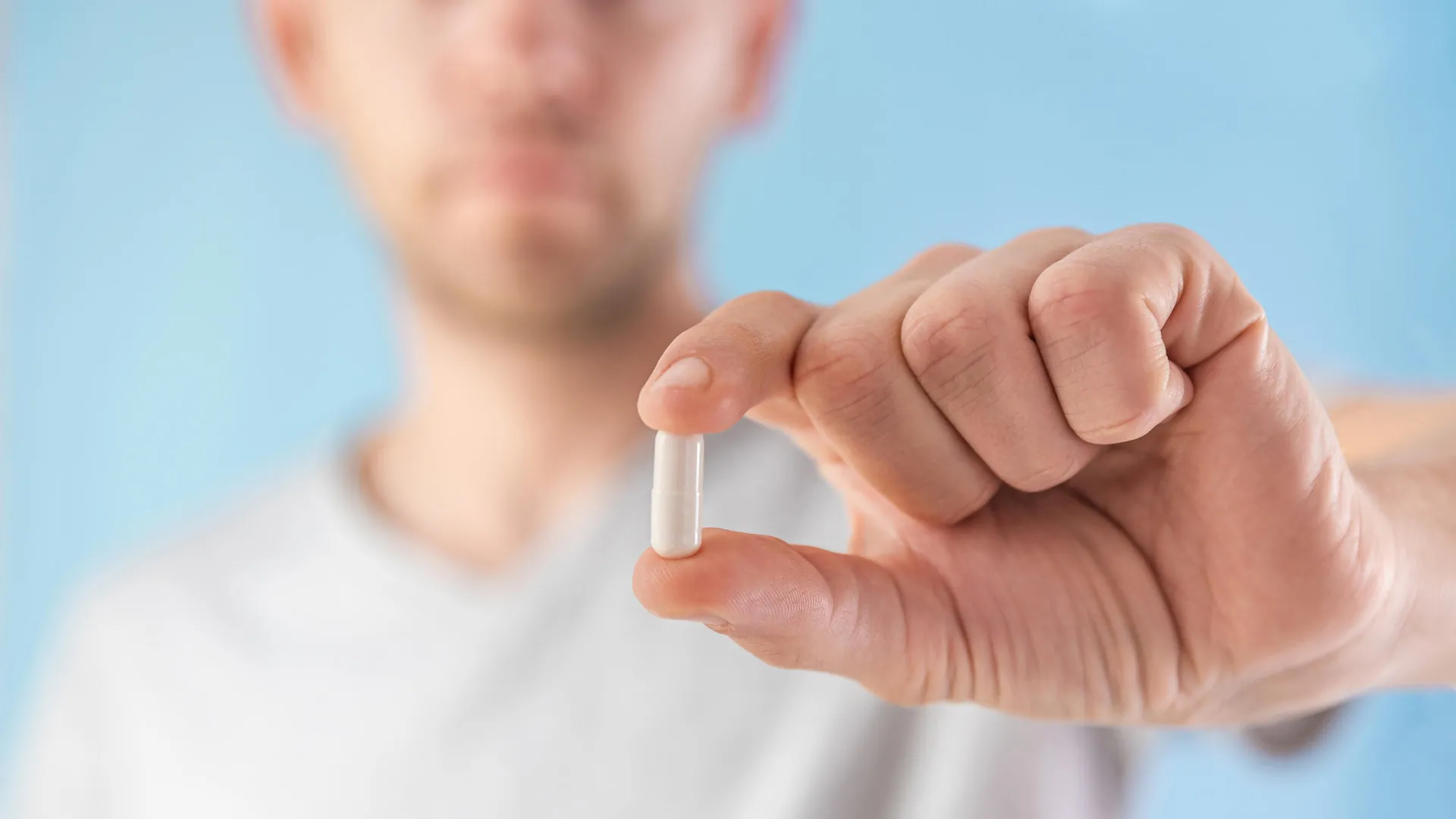
- The Intervention Phase: Over a period of four weeks, participants were randomly assigned to two groups. The experimental group received a daily dose of 1,000 milligrams of urolithin A, while the control group received an inert placebo.
- The Testing Protocol: At the conclusion of the four-week period, participants underwent intensive testing. They were tasked with performing a series of demanding memory exercises designed to challenge the brain’s cognitive processing capabilities.
- Measurement: During these tasks, researchers utilized neuroimaging and physiological monitoring to measure changes in cerebral blood flow, specifically monitoring how effectively the brain responded to the heightened metabolic demand.
Supporting Data: Findings and Physiological Observations
The results of the trial provided a fascinating, if nuanced, snapshot of how urolithin A interacts with the vascular system.
Increased Cerebral Perfusion
The primary success of the study was the documented increase in blood flow to the brain among those who received the supplement. This effect was most pronounced in the left dorsolateral prefrontal cortex—a critical region of the brain responsible for working memory, the ability to temporarily hold information, and executive function. When faced with a "memory load," the brains of the urolithin A group demonstrated a superior capacity to pull in the necessary resources, suggesting that the supplement may act as a vascular "accelerator" during periods of mental stress.
The Limits of the Current Study
While the increase in blood flow was statistically significant, the study also provided sobering data on the limitations of current supplementation. Notably, researchers observed no significant improvement in blood vessel function within the arm, suggesting that the systemic effects of the compound may be targeted or require a different dosage threshold to influence peripheral circulation.
Furthermore, while the physiological "supply" of oxygenated blood increased, there was no immediate, measurable improvement in the participants’ actual performance on memory tests during the four-week window. This discrepancy highlights the complexity of the brain: while vascular health is a prerequisite for cognitive performance, it is only one piece of a much larger, multi-faceted neurological puzzle.
Official Responses from the Research Team
The study’s authors emphasize that this is a pioneering step in nutritional neuroscience. Dr. Ana Clara da Costa Pinaffi Langley, an assistant professor in the Department of Nutritional Sciences at the OU College of Allied Health, notes that the findings shift the paradigm of how we view nutritional support for the brain.
"The brain needs an adequate supply of blood to meet the demands of mental activity," Dr. Langley stated. "We found that urolithin A increased blood flow to the brain during a memory task, suggesting the supplement may help the brain meet its increased need for oxygen and nutrients when it is working harder. We plan to conduct more research to understand what this finding means for long-term brain health."
Dr. Andriy Yabluchanskiy, a co-author and associate professor in the Department of Neurosurgery at the OU College of Medicine, echoed this sentiment while urging scientific caution. "These findings offer an interesting starting point for understanding how urolithin A affects the brain," he noted. "Although we saw increased blood flow to the brain during mental activity, participants did not demonstrate measurable improvements in memory or attention. Future studies will need to determine whether taking the supplement for a longer period leads to meaningful improvements in cognitive function or other health benefits."
The Science Behind Urolithin A
To understand why urolithin A is drawing such attention, one must look at the gut microbiome. Urolithin A is not a compound found directly in high quantities in nature; rather, it is a metabolite produced by specific gut bacteria when they break down ellagitannins—polyphenols found in foods like pomegranates, strawberries, and walnuts.
However, the "natural" path to urolithin A is fraught with individual variability. The efficiency with which a person’s gut microbiome converts these dietary precursors into urolithin A varies wildly based on diet, age, and gut health. Moreover, research suggests that as individuals age or as their body mass index increases, their natural capacity to synthesize this compound declines. For this reason, supplemental forms of urolithin A have become a focus for researchers looking to bypass the inconsistent conversion process of the digestive tract.
Implications for Future Healthspan
The broader objective of the Oklahoma team is to contribute to the growing body of literature surrounding "healthspan extension." As the global population ages, the prevalence of age-related cognitive decline—often exacerbated by metabolic conditions like obesity—presents a significant public health challenge.
Mitigating Cognitive Decline
The study provides a roadmap for future research. If urolithin A can consistently improve cerebral perfusion, the next logical step is to determine if this increased blood flow can be sustained over years, rather than weeks, and if it can ultimately preserve neuronal integrity. By mitigating the "metabolic starvation" of the brain, researchers hope to slow the erosion of cognitive function that often accompanies metabolic dysfunction.
Future Clinical Directions
The researchers are the first to admit that this study, while promising, is a preliminary investigation. The sample size of 50 is modest, and the duration of four weeks is short in the context of neurological development. Future studies will need to address several key questions:
- Dose-Response Relationships: Is there an optimal dose that maximizes cognitive benefits while remaining safe?
- Long-term Efficacy: Does chronic supplementation lead to improved performance on standardized cognitive tests, or does the brain eventually compensate for the increased blood flow?
- Broadened Demographics: How does the supplement affect healthy individuals versus those with existing cognitive impairment or metabolic disease?
Conclusion
The findings from the University of Oklahoma represent a sophisticated fusion of nutritional science and neurology. By identifying that a metabolite produced from common dietary sources can positively influence the brain’s vascular response to stress, the researchers have opened a new door for preventative medicine.
While the scientific community waits for larger, longitudinal trials to confirm whether these vascular changes translate into preserved memory and sharper attention, the study stands as a testament to the potential of dietary interventions. As we continue to decode the link between the gut, the blood, and the brain, compounds like urolithin A may transition from experimental supplements to standard tools in the mission to extend not just the length of our lives, but the quality of our cognitive years.