






In an era dominated by the "one-size-fits-all" model of modern healthcare, where diagnostic codes and pharmaceutical protocols often treat the symptom rather than the person, the ancient wisdom of Ayurveda offers a radical alternative. Ayurveda, the "science of life," operates on a foundational premise that distinguishes it from contemporary Western paradigms: no two human beings are identical, and therefore, no two paths to healing can be the same.
This individualized approach is not merely a philosophical preference; it is the cornerstone of Ayurvedic success. While conventional medicine might categorize a patient with chronic pain into a singular diagnostic group, Ayurveda recognizes that pain manifests differently depending on one’s dosha—the biological energies of Vata, Pitta, and Kapha. A Vata-type pain, characterized by shooting sensations, requires an entirely different therapeutic intervention than a Pitta-type inflammation or a Kapha-type dull, heavy ache. Similarly, where allopathic medicine may classify diabetes into two primary types, Ayurveda identifies 20 distinct classifications, each requiring a specialized treatment trajectory.
The Role of the Practitioner: Decoding the Human Blueprint
The complexity of the human body necessitates the expertise of an Ayurvedic practitioner. Their role is to look beyond the surface of a "band-aid" treatment to identify the samprapti—the intricate path of disease progression. By analyzing the patient’s prakruti (inherent state of balance) and vikruti (current state of imbalance), a practitioner acts as both a detective and an architect.
They must possess a critical eye to determine which elemental qualities—such as heat, cold, dryness, or moisture—are out of equilibrium. Only after this rigorous assessment can a truly supportive protocol be designed. This level of customization is most evident in Panchakarma, the rigorous detoxification and rejuvenation program that has become the gold standard of Ayurvedic therapeutic intervention.
The Mechanics of Panchakarma: A Three-Stage Detoxification
Panchakarma is frequently misunderstood as a standardized "cleansing" regimen. In reality, it is a highly sophisticated, multi-phase clinical process that requires constant oversight. The process is divided into three distinct chronological stages: Purvakarma, Pradhanakarma, and Paschyatkarma.
Stage 1: Purvakarma (The Preparatory Phase)
Before the primary actions of detoxification can occur, the body must be prepared. Purvakarma is the foundational stage focused on two critical objectives: kindling the digestive fire (agni) and systemic internal oleation.
Kindling the agni is essential because a weak digestive system cannot process toxins. A practitioner may prescribe specific catalysts—ranging from ginger pickles to specially infused hot water—based on the patient’s specific metabolic needs. Concurrently, internal oleation begins. By ingesting medicated ghees or oils, the patient saturates their tissues, effectively loosening deeply embedded toxins and drawing them into the digestive tract for eventual elimination. This stage is a testament to the practitioner’s precision; using the wrong oil or herb could exacerbate an existing imbalance rather than resolving it.
Stage 2: Pradhanakarma (The Five Actions)
This is the stage from which the program derives its name: "Panch" (five) and "Karma" (actions). Once the body is saturated with oleation, the practitioner initiates one or more of these five specialized techniques to flush toxins from the system:
- Virechana (Purgation): Targeting the small intestine, liver, and gallbladder—the primary seats of pitta dosha—this therapy uses mild herbal laxatives to purge excess heat and acidity from the body.
- Basti (Enema Therapy): Addressing the large intestine, the home of vata dosha, Basti involves the administration of herbalized teas or medicated oils. Beyond simple elimination, Basti is a profound method for nourishing the colon wall and supporting systemic absorption of healing agents.
- Vamana (Emesis): Indicated only for specific cases involving severe kapha accumulation in the stomach, this process uses licorice and salt water to clear excess phlegm through a controlled vomiting action. It is a potent therapy, reserved for those whose imbalances specifically require the removal of deep-seated congestion.
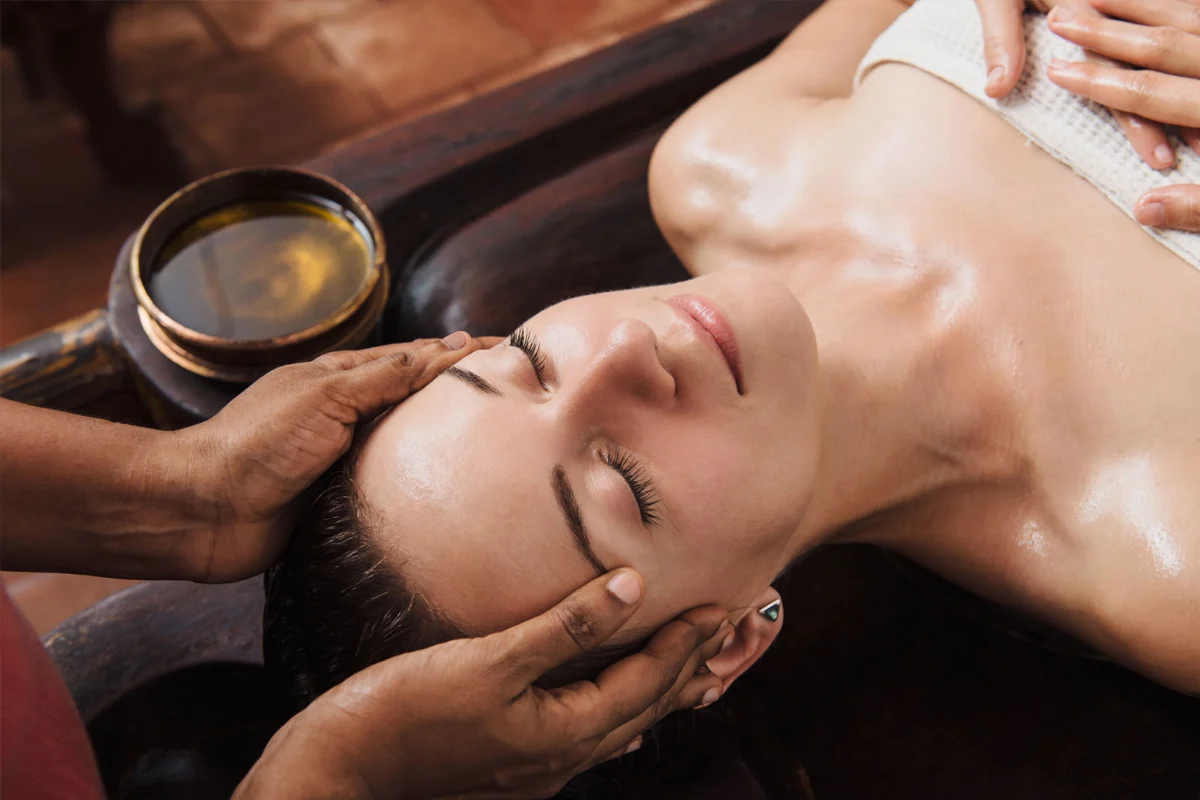
- Nasya (Nasal Administration): This involves the application of specialized oils into the nasal passages. It is highly effective for clearing sinus congestion, improving cognitive clarity, and alleviating the "brain fog" often associated with modern stress.
- Raktamoksha (Blood Cleansing): Historically performed via leech therapy to clear toxins from the circulatory system, this is used in rare, specific instances where the blood—the provider of jivanam (life-giving energy)—requires purification. Given the cultural and regulatory landscape in the United States, traditional leech therapy is rarely practiced, with modern practitioners favoring alternative detoxification methods.
Stage 3: Paschyatkarma (The Rejuvenation Phase)
The conclusion of the "five actions" is not the end of the journey. Because detoxification is an inherently taxing process that can leave the body fatigued, Paschyatkarma serves as the vital recovery phase. During this time, the practitioner shifts focus from elimination to rebuilding. A post-program diet and lifestyle plan are established to strengthen the digestive fire, nourish the tissues, and cement healthy habits that sustain long-term vitality.
Implications for Modern Wellness
The growing popularity of Ayurveda in the West is a positive trend, but it brings with it a cautionary note: the efficacy of these treatments is inextricably linked to the expertise of the provider. When a system relies on the nuance of a practitioner to determine the specific path of healing, the quality of that practitioner becomes the most critical variable in the patient’s success.
Choosing Your Path
For those seeking to engage with Ayurveda, the advice is clear: prioritize alignment. Research the credentials of the practitioner and the reputation of the healing center. Ensure that the facility understands your specific wellness goals and adheres to the traditional, individualized tenets of the practice.
The movement toward personalized medicine is not a new invention; it is a return to an ancient understanding that the body is a unique, dynamic ecosystem. Whether one is dealing with chronic inflammation, digestive distress, or a desire for preventative maintenance, the Ayurvedic framework provides a robust, evidence-based structure that respects the individuality of the human spirit.
Seeking Professional Guidance
As the discipline continues to evolve within the global healthcare landscape, educational standards remain paramount. Organizations dedicated to the rigorous training of Ayurvedic practitioners ensure that the ancient wisdom of samprapti and panchakarma is preserved and applied with the necessary clinical oversight.
For those interested in exploring formal studies or seeking clinical support, resources such as Ayurveda.com’s education programs offer comprehensive training, while institutions like the SoHum Mountain Healing Resort provide a space for individuals to experience these personalized therapies under professional guidance.
In conclusion, the path to wellness is not a race or a standardized checklist; it is a thoughtful, individualized journey. By respecting the uniqueness of our own biology and working with practitioners who honor that complexity, we can move beyond the limitations of symptomatic relief and toward a state of lasting, holistic health.