









Published: November 27, 2026
In an era defined by the relentless pursuit of productivity, where "busyness" is often worn as a badge of honor, the simple act of stopping can feel like a revolutionary—and sometimes uncomfortable—choice. We are conditioned by a culture that prioritizes consumption, achievement, and an orientation toward an imagined future, often at the expense of our present-moment experience.
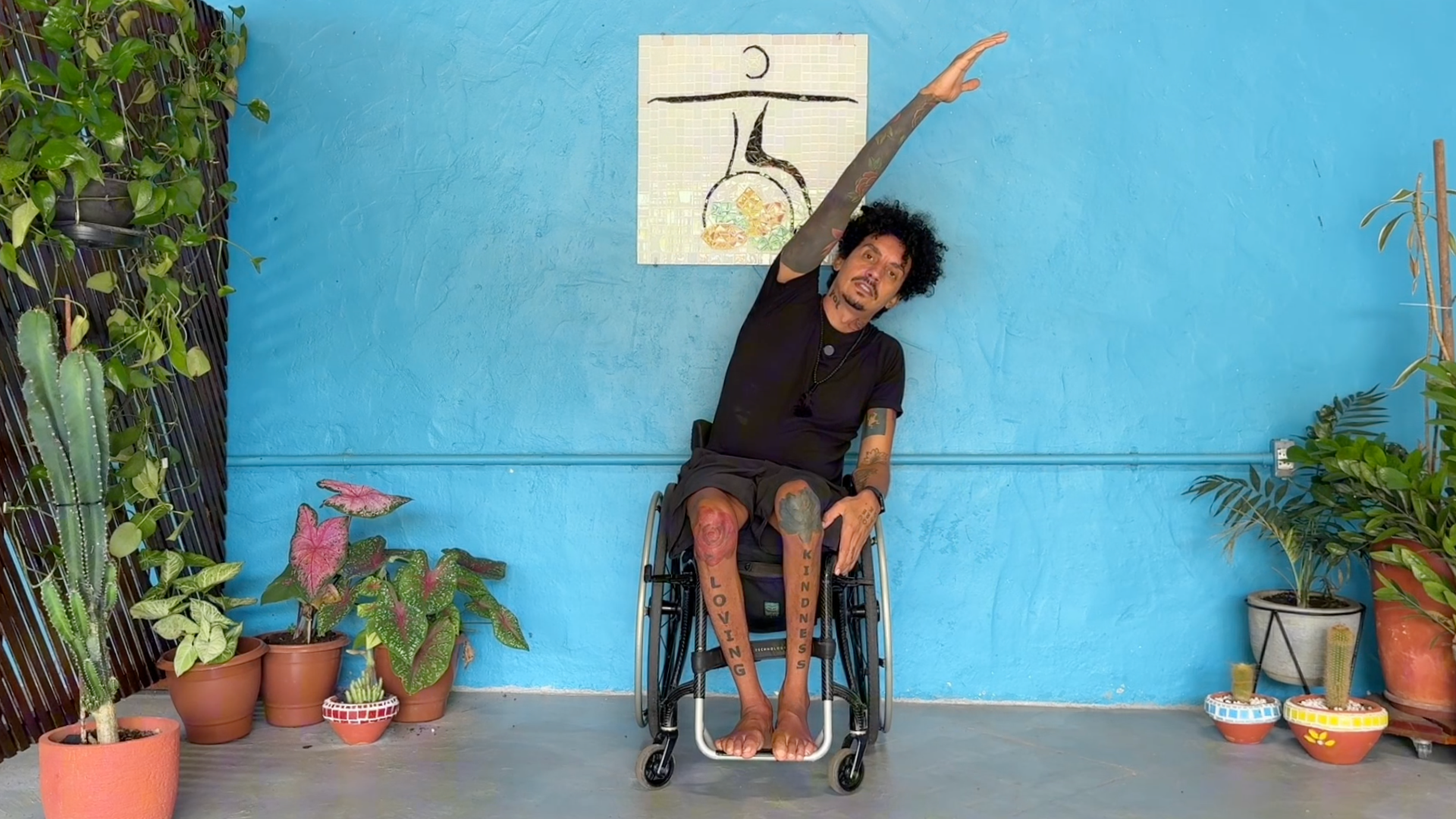
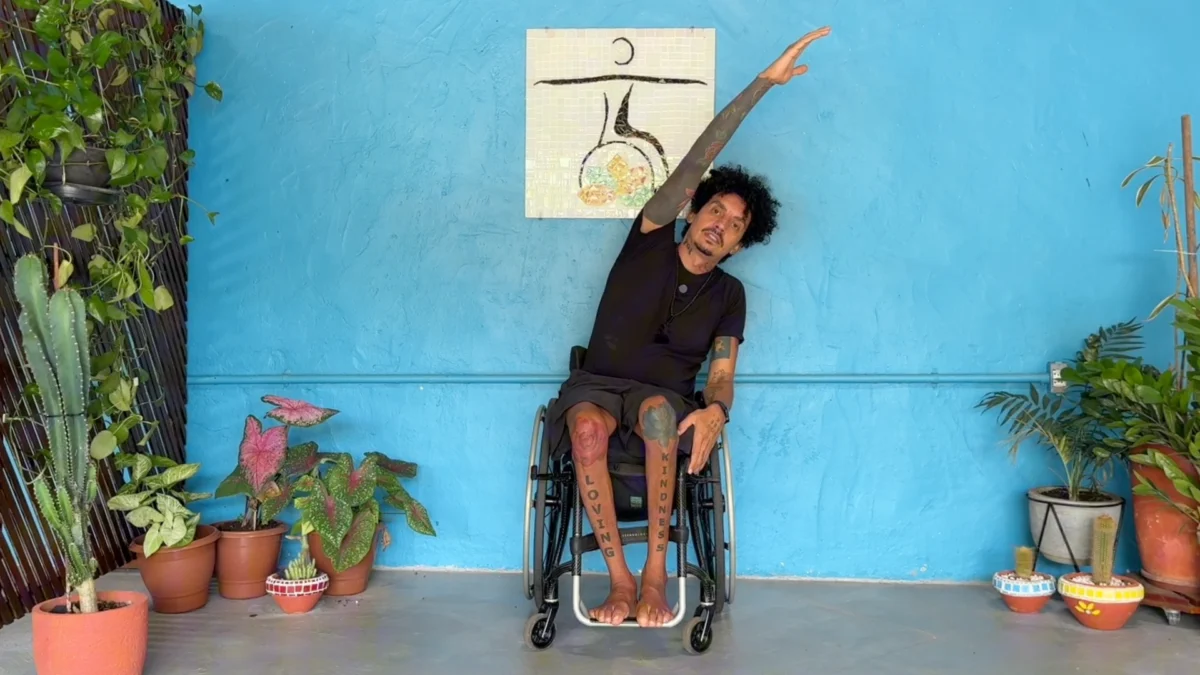
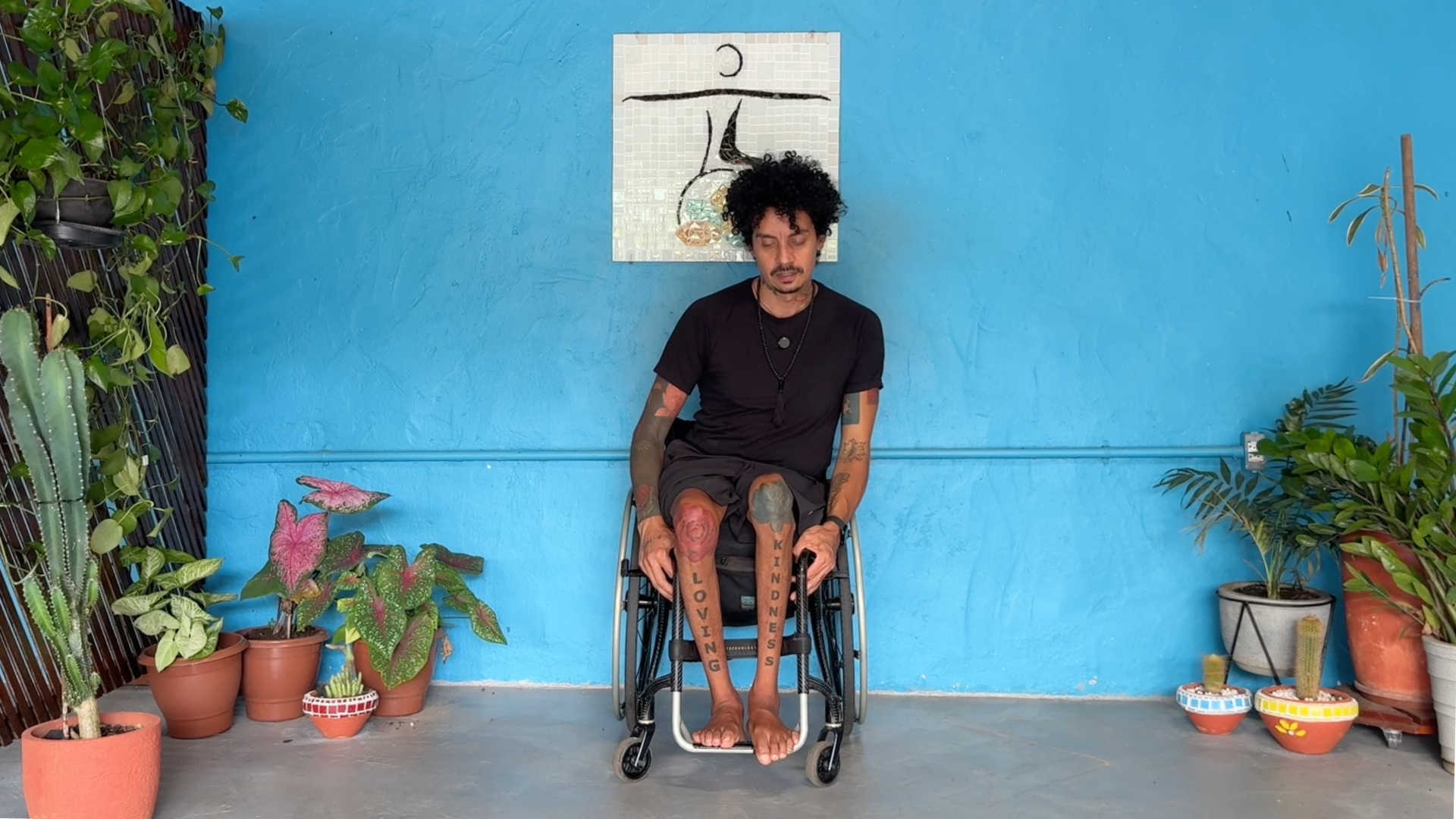
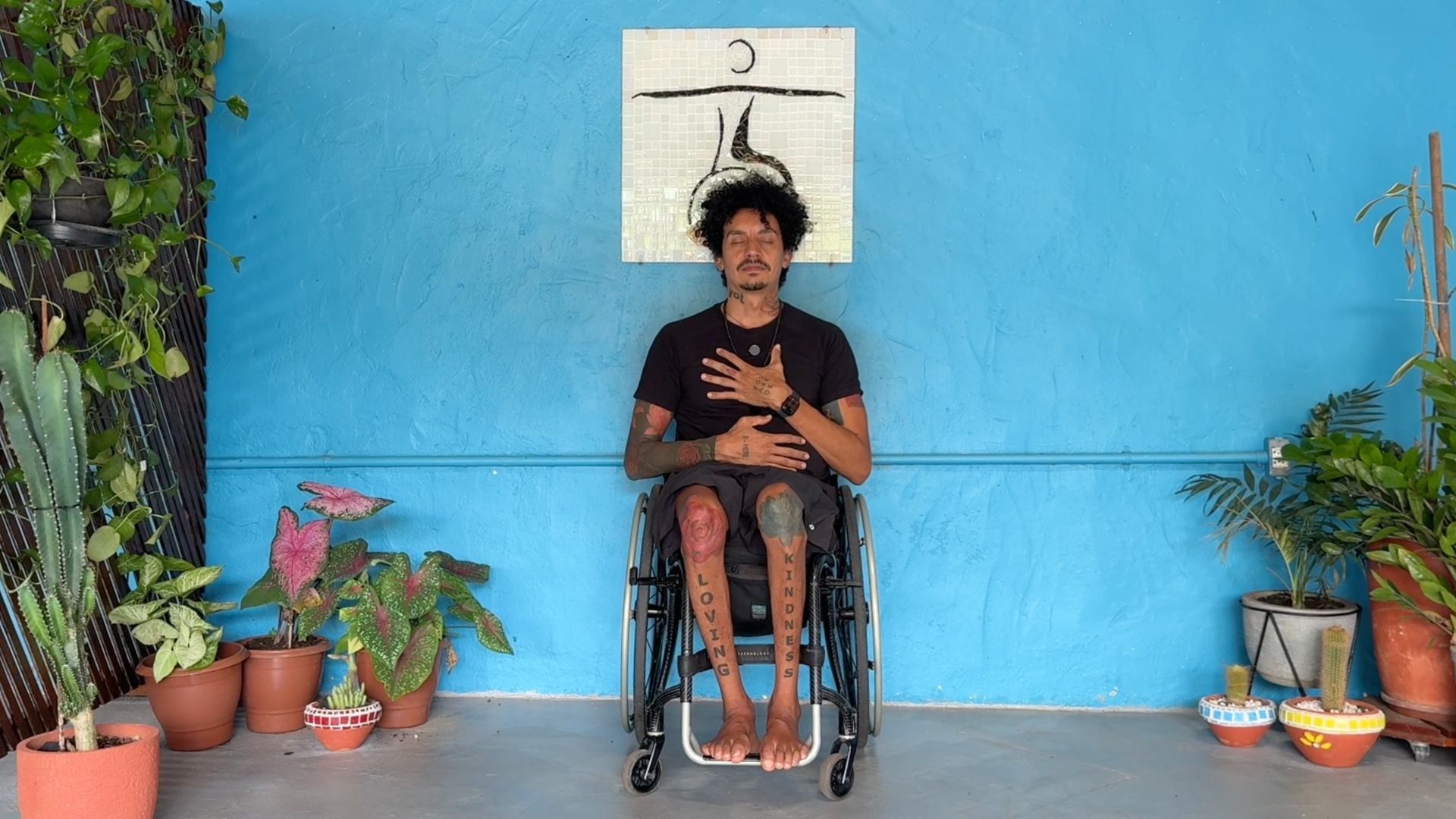
Adaptive and accessible yoga teacher Rodrigo Souza is challenging this paradigm. In his latest 20-minute practice, "Yoga for Rest," Souza offers more than just a sequence of movements; he provides a philosophical framework for reclaiming the body. By focusing on stillness, Souza argues that rest is not a luxury to be earned after a long day of labor, but a fundamental, necessary practice of existence.
The Philosophy of Non-Doing: Main Facts
The core tenet of Souza’s practice is the recognition that stillness is not an oxymoron in the context of yoga. While many associate the discipline with complex physical feats or intense cardio-flow, the ancient roots of the practice emphasize citta vritti nirodhah—the cessation of the fluctuations of the mind.
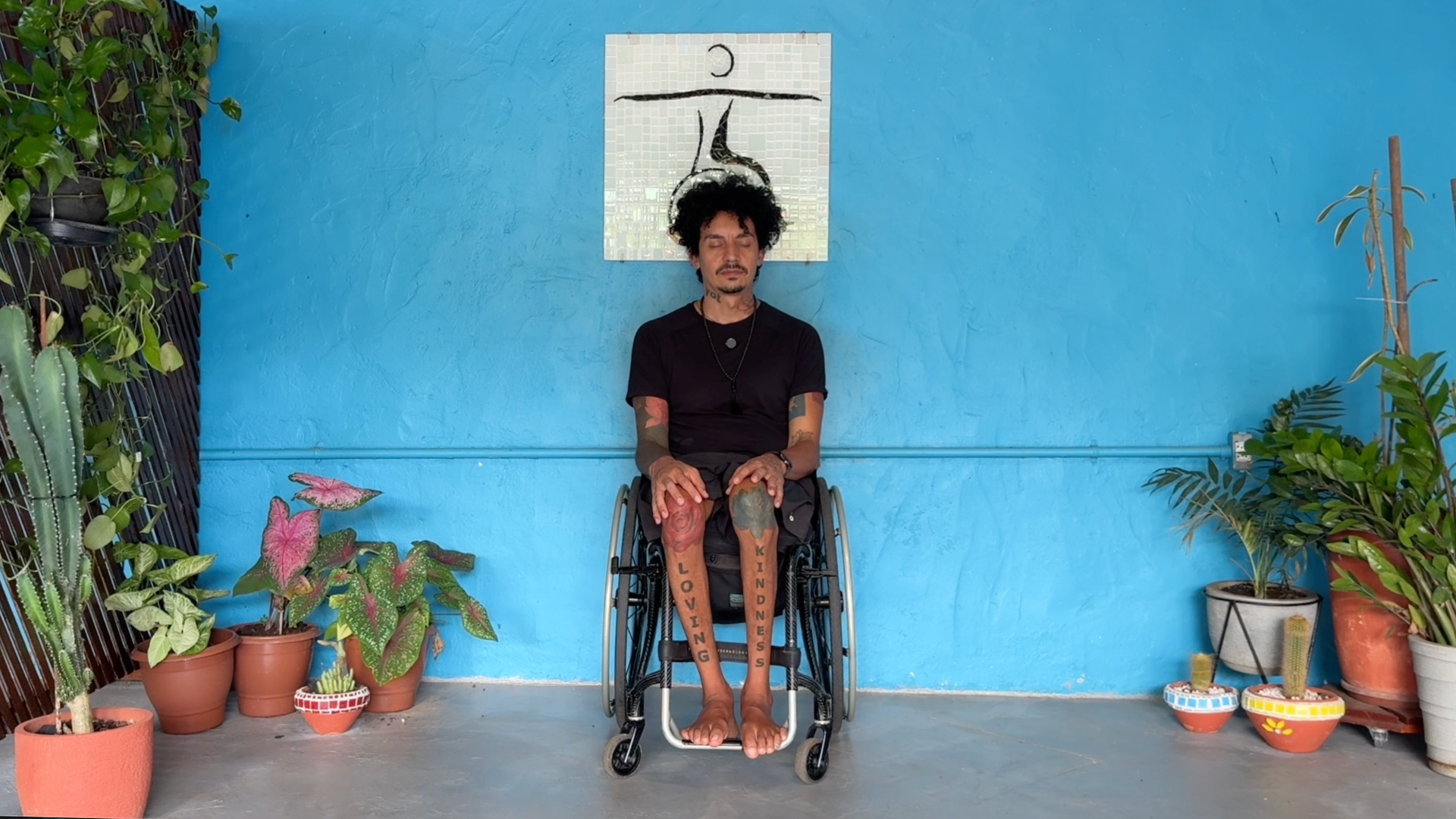
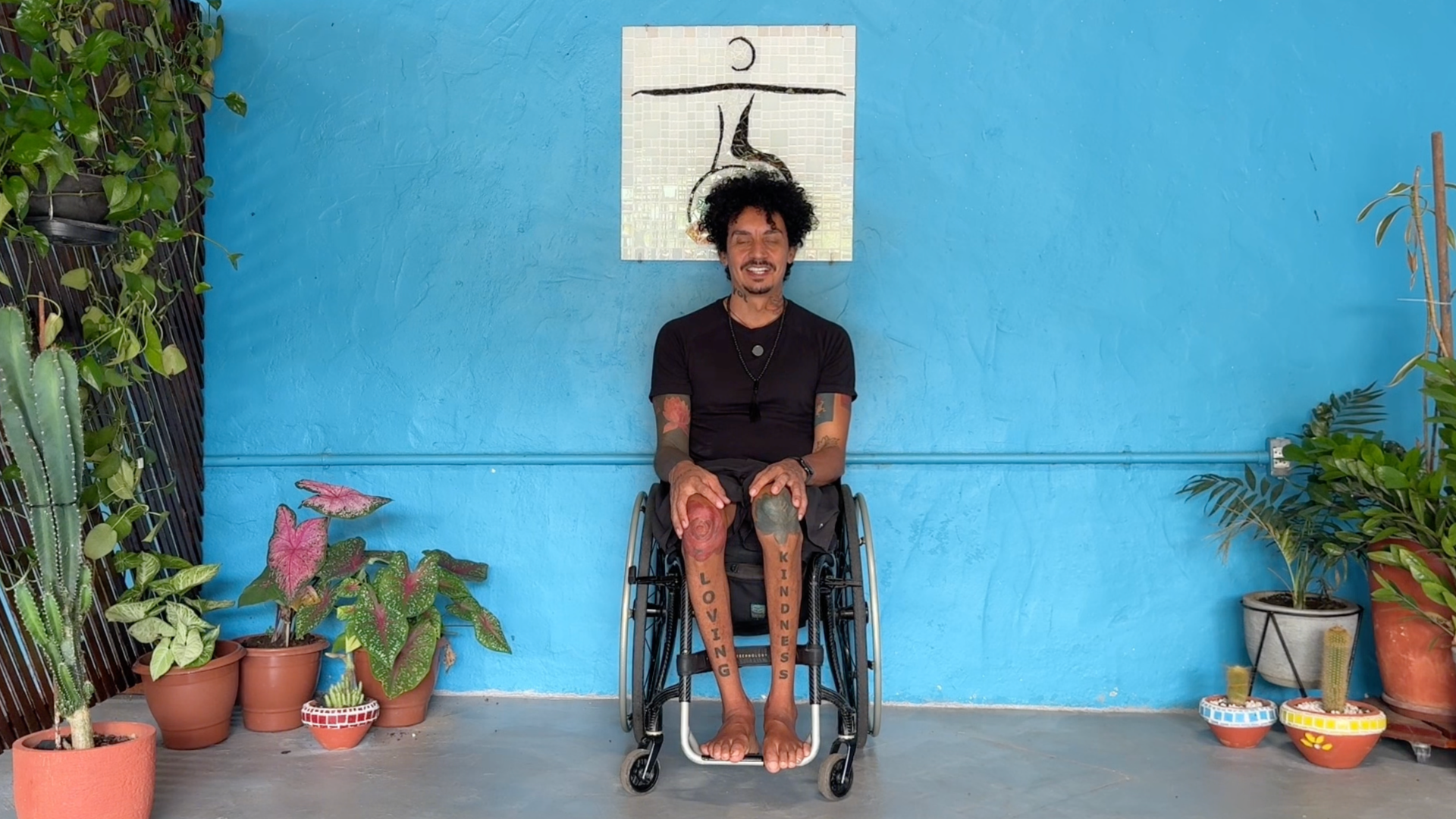
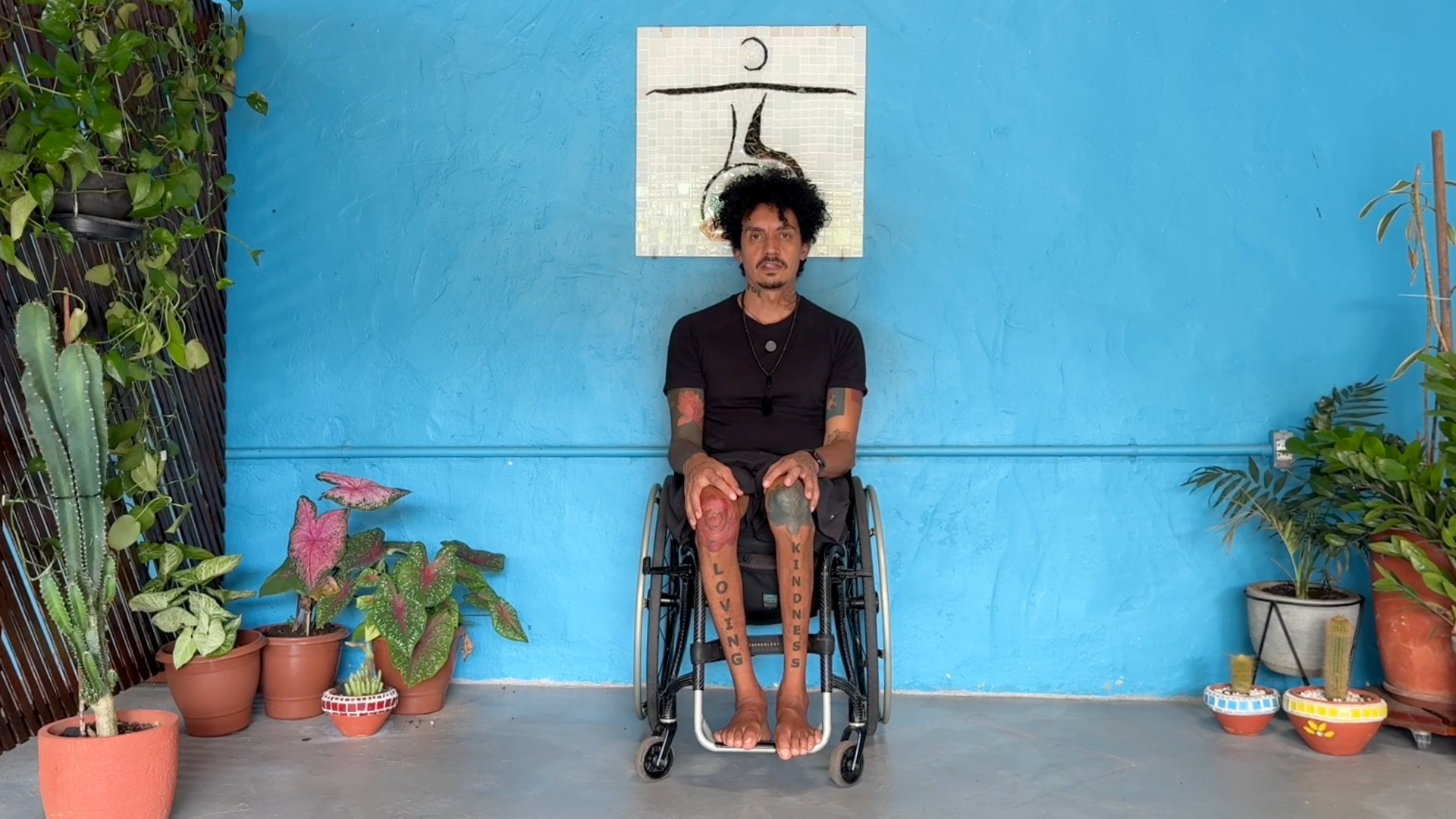
Souza, who teaches from a wheelchair, brings a unique perspective to this concept. For him, the friction between a high-achieving mind and a body that operates at a different, often slower rhythm is the catalyst for his teaching. His practice serves as a direct invitation to those who feel alienated by mainstream fitness culture, which often ignores the nuances of disability and chronic fatigue. The primary fact remains: You do not need to "do" anything to deserve rest. The practice is designed to be accessible, requiring only a sturdy chair and a willingness to listen to one’s own internal cues rather than external demands.
A Journey Inward: The Chronology of the Practice
Souza’s 20-minute session is carefully paced to guide the practitioner from a state of external distraction to internal quietude.
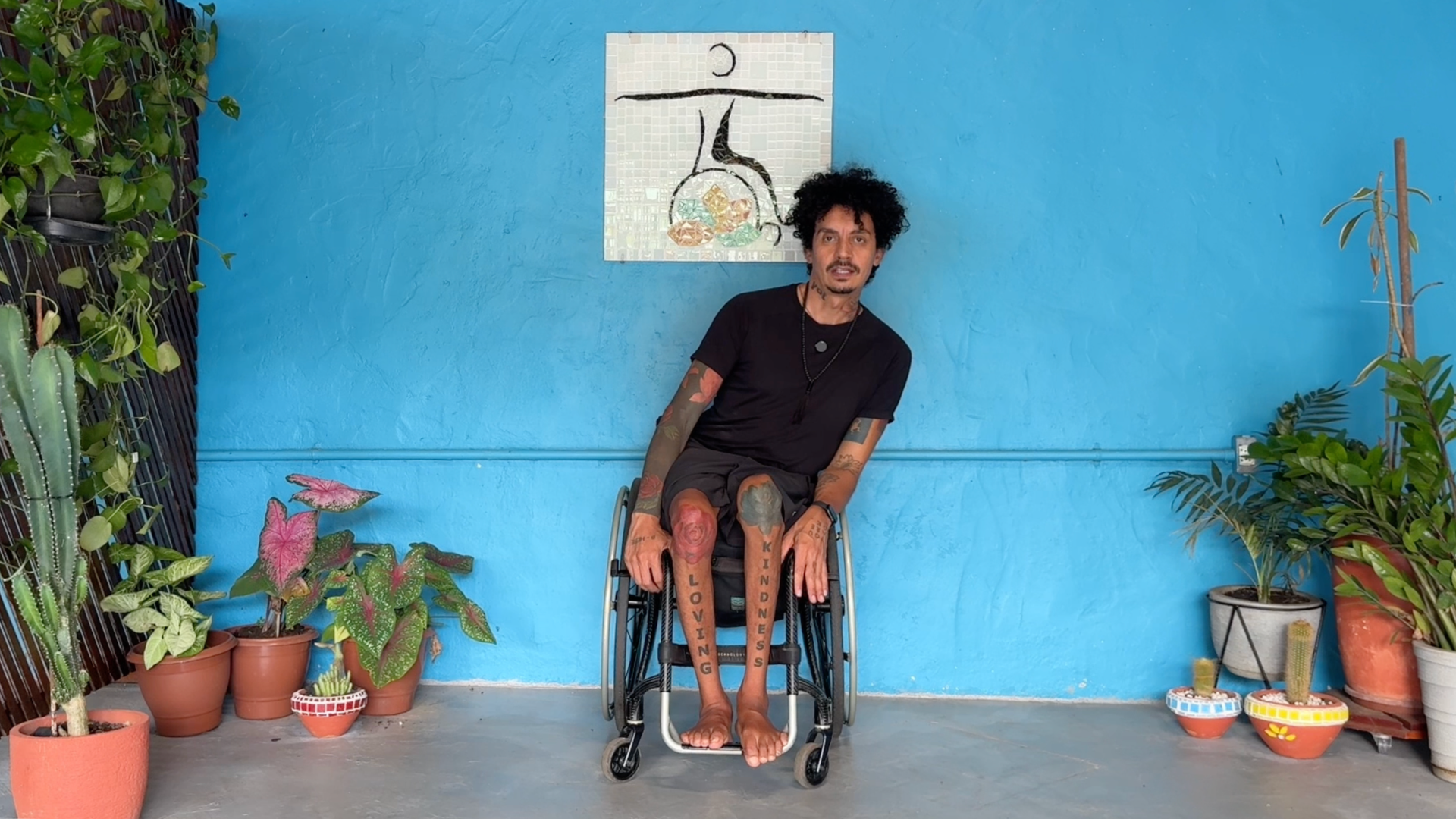
Phase 1: Centering and Grounding (0:00–5:00)
The session begins in Mountain Pose. Whether seated in a chair or a wheelchair, the goal is to feel the weight of the sit bones and the grounding of the feet. This initial phase is dedicated to sensory awareness—noticing the temperature of the room, the rhythm of the breath, and the tension held in the jaw or eyebrows.
Phase 2: Mindful Mobilization (5:00–12:00)
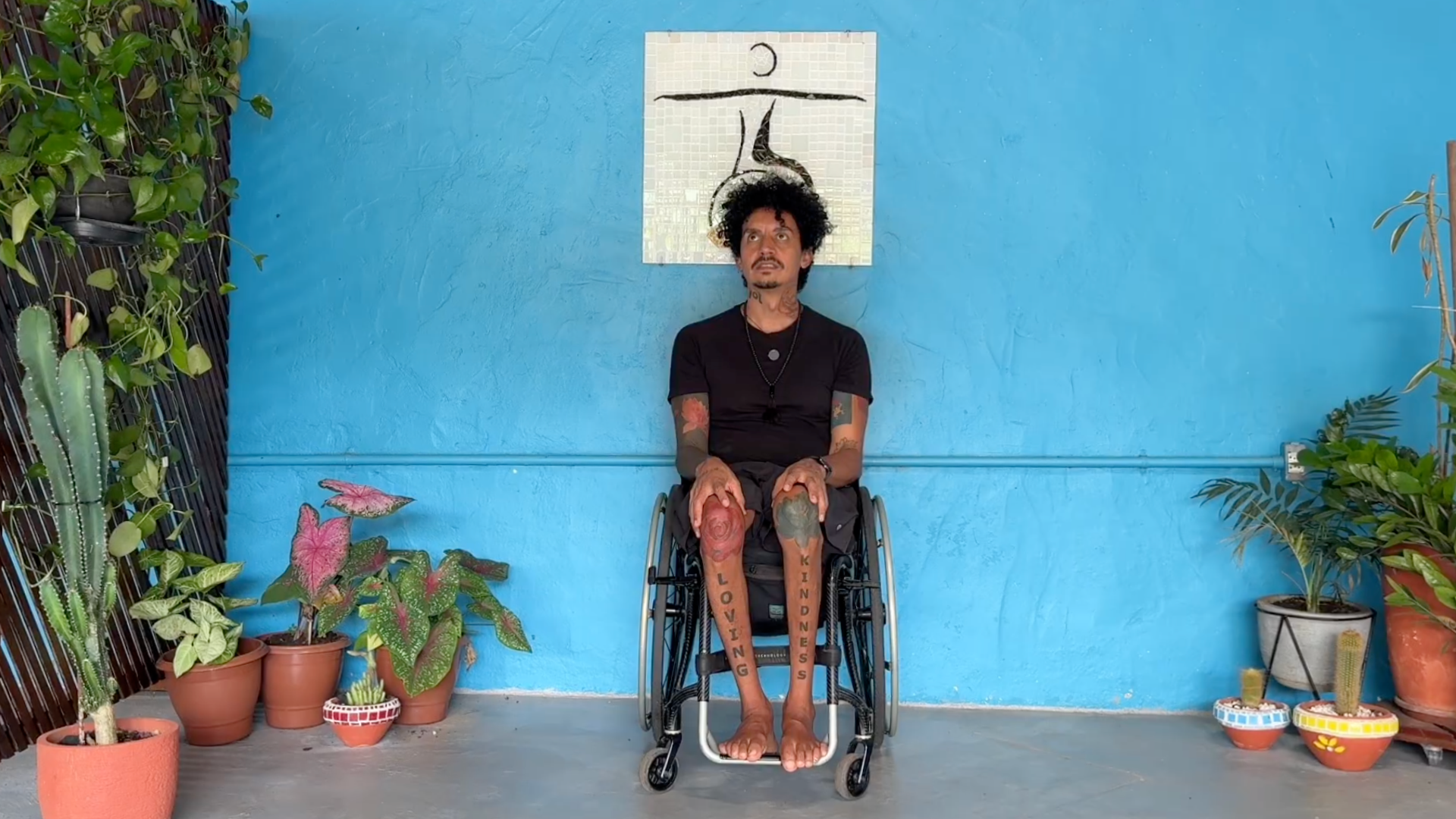
Movement is introduced with intention. Souza guides students through gentle side-to-side rocking and hip circles. This is not about building heat, but about lubricating the joints and reconnecting the mind to the body’s physical sensation. This is followed by "mindful eye and neck movement," where practitioners trace the boundaries of their environment, anchoring their gaze and their focus to the immediate surroundings.
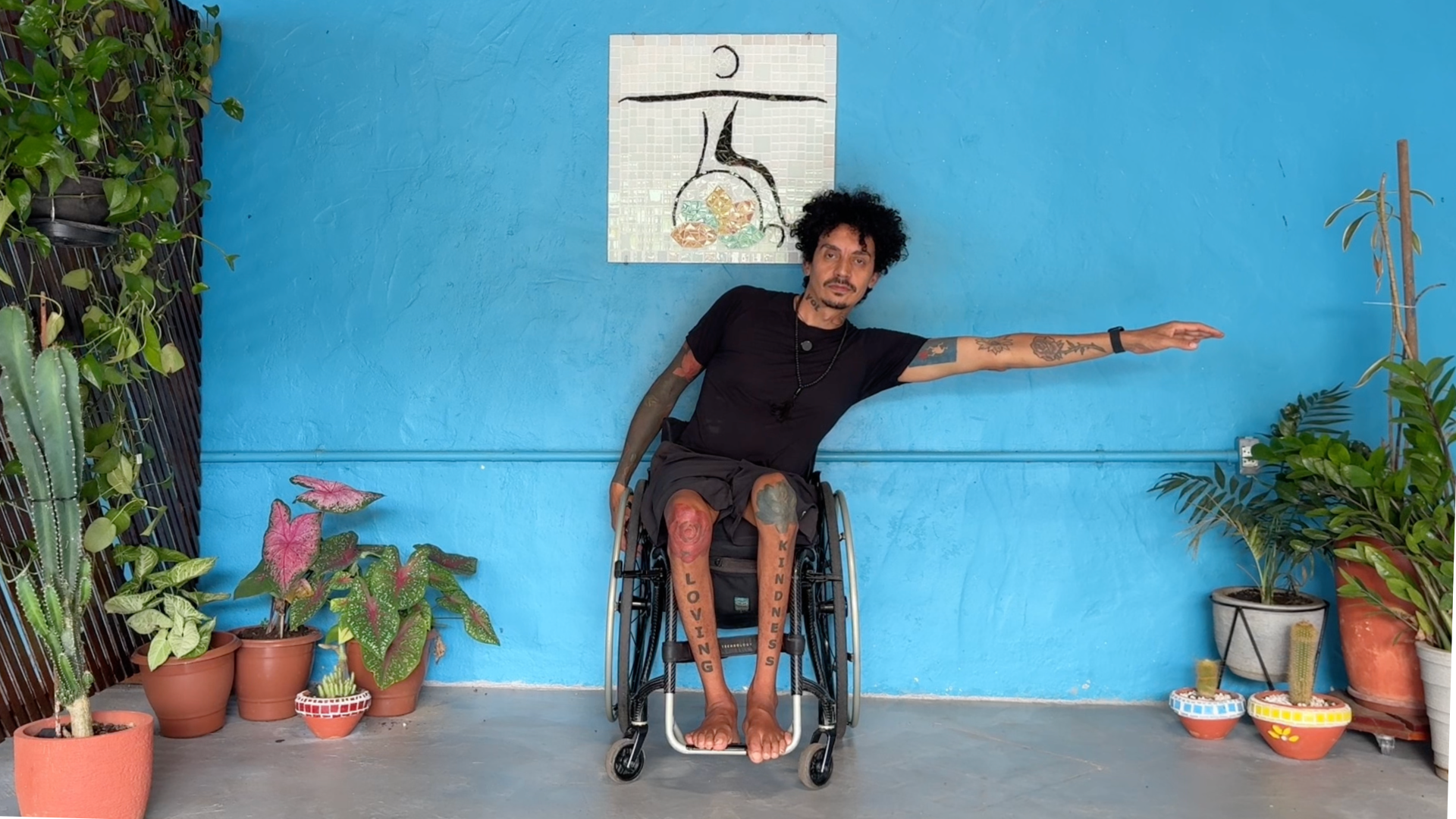
Phase 3: The Adapted Sun Salutation (12:00–17:00)
The heart of the practice is an adapted Sun Salutation (Surya Namaskar). In this iteration, the flow is synchronized with the breath:
- Inhale: Arms rise to extend the spine.
- Exhale: A forward fold, either with a rounded or extended spine, prioritizing comfort over depth.
- Cat/Cow sequence: A spinal wave that emphasizes mobility and release.
- Anjali Mudra: The sequence concludes with prayer hands, acknowledging the transition between exertion and repose.
Phase 4: Integration and Stillness (17:00–20:00)
The final minutes are reserved for the seated twist and a return to the "space of stillness." This is the pedagogical climax of the class, where the student is asked to place one hand on the heart and one on the belly, simply existing in the present moment without the need to "become" anything else.
Supporting Data: Why Stillness Matters
Modern research into the nervous system supports Souza’s approach. Prolonged periods of "high-arousal" activity—the "produce, consume, achieve" cycle mentioned by the instructor—keep the body in a state of sympathetic nervous system dominance (the "fight or flight" response).
According to data from the American Institute of Stress, chronic activation of this system contributes to systemic inflammation, sleep disturbances, and cognitive fatigue. By contrast, practices that incorporate slow, deliberate, and accessible movement—like the one led by Souza—are shown to stimulate the parasympathetic nervous system (the "rest and digest" response). This shift is critical for long-term health, particularly for those managing disabilities where energy management is a constant daily requirement. The "act of listening," as Souza describes it, is effectively a form of vagal nerve stimulation that signals safety to the brain, allowing the body to recover.
Official Responses and Accessibility Advocates
The accessibility community has lauded the rise of teachers like Souza, who move away from the "one-size-fits-all" model of Western yoga. Critics of traditional yoga media often point out that the imagery of the "ideal" yogi frequently excludes aging bodies, disabled bodies, and bodies that do not fit the aesthetic of a hyper-flexible athlete.
"By using a wheelchair as a prop and a platform for practice, Rodrigo is doing more than just teaching poses," says Dr. Elena Vance, a movement therapist. "He is normalizing the reality that yoga is a state of being, not a demonstration of physical ability. His insistence on ‘using your agency’ is the most radical part of his pedagogy—he is returning the power of the practice to the student."
Implications for Future Practice
The implications of this 20-minute practice extend far beyond the mat. As the boundaries between work and home continue to blur in our digital age, the ability to mentally "check out" and physically "tune in" is becoming a vital skill for mental health.
1. Reclaiming the Body
For many, disability or chronic illness creates a relationship with the body that is defined by frustration or "fighting." Souza’s practice encourages a transition from a combative relationship with the body to a collaborative one.
2. The Deconstruction of "Earning" Rest
Society often demands that we "earn" our rest through productivity. Souza’s philosophy dismantles this, suggesting that stillness is a fundamental right. When we stop performing for the world, we can finally begin to inhabit our own lives.
3. Sustainability in Movement
The longevity of any physical practice—whether it be yoga, walking, or professional athletics—depends on the ability to rest. By demonstrating that one can remain consistent without overexertion, Souza provides a sustainable model for physical activity that can be practiced for a lifetime, regardless of physical ability.
Final Reflection
As Rodrigo Souza notes, the world outside may remain chaotic and demanding, but the "place of peace" within is always accessible. The 20-minute "Yoga for Rest" is a microcosm of a larger, necessary social movement: the shift from a culture of constant becoming to a culture of simply being.
Whether you are a seasoned yogi looking to deepen your practice or someone searching for a way to manage the stresses of modern life, the invitation remains the same: stop, breathe, and remember that, in this very moment, your breath, your body, and your presence are already enough.