






November 27, 2026
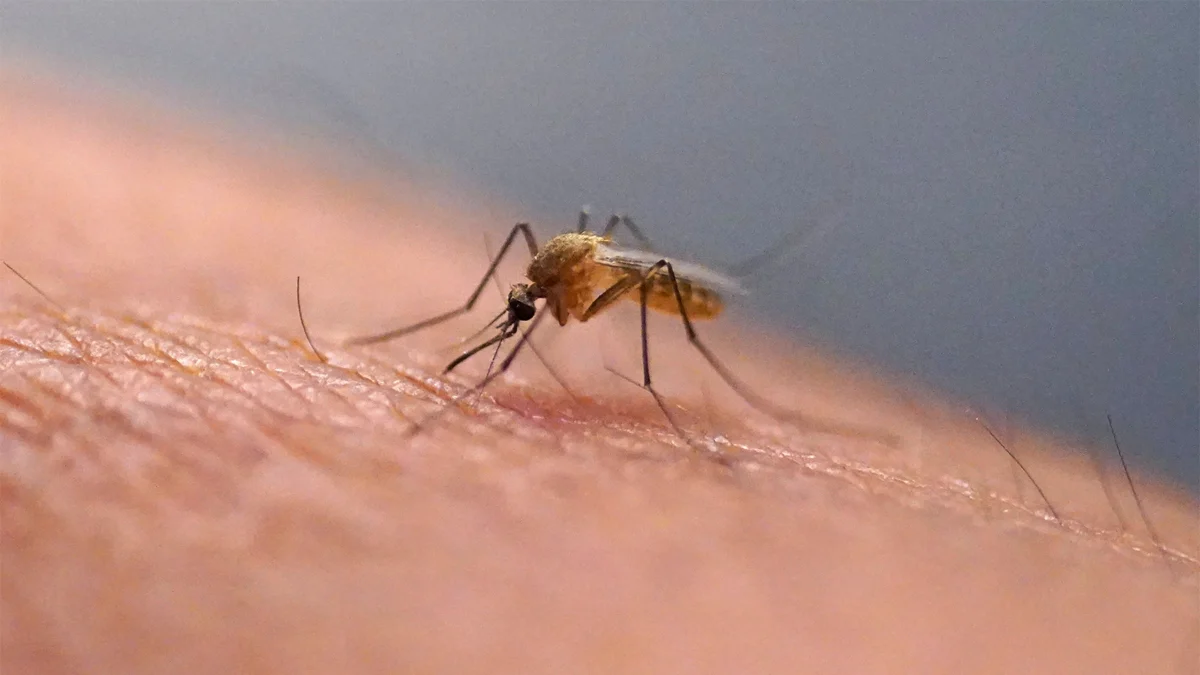
In the global battle against mosquito-borne illnesses, humanity has long relied on a combination of chemical warfare—pesticides, repellents, and physical barriers like window screens—to keep disease-carrying insects at bay. Yet, as climate change expands the habitats of the Aedes aegypti mosquito, traditional control methods are increasingly proving insufficient.
A groundbreaking study released this week offers a paradigm shift in this struggle. Researchers reporting at the annual meeting of the American Society of Tropical Medicine and Hygiene have unveiled compelling evidence that a biological intervention—introducing Wolbachia-carrying mosquitoes—can reduce the transmission of dengue and chikungunya by nearly 70%. As Florida faces its most significant dengue outbreak in decades, the findings suggest that the future of public health may lie not in eradicating mosquitoes, but in modifying them.
The Biological Breakthrough: How Wolbachia Works
At the heart of this innovation is Wolbachia, a naturally occurring bacterium found in approximately 60% of all insect species. Surprisingly, Wolbachia is not naturally present in the Aedes aegypti mosquito, the primary vector for dengue, Zika, and chikungunya.
The strategy, pioneered by the nonprofit World Mosquito Program, involves breeding these mosquitoes in a controlled environment and introducing the bacteria into their systems. Once the bacteria are established in the mosquito population, they act as a biological blockade. When a Wolbachia-carrying mosquito bites a human, the bacteria outcompete the virus for resources within the insect’s body, effectively preventing the virus from replicating.
Because the bacteria are passed down from female mosquitoes to their offspring, the modification becomes self-sustaining. Over several generations, the local mosquito population becomes dominated by those carrying the bacteria, creating a "shield" for the human population living in the area.
Chronology of a Four-Year Study
The recent findings are the culmination of a rigorous, four-year longitudinal study conducted in Belo Horizonte, Brazil—a city that has historically served as a hotspot for viral transmission.
- Baseline (2022): Researchers identified high-risk neighborhoods and established a baseline for infection rates, ensuring that environmental and socioeconomic factors were balanced across the study groups.
- The Intervention (2023): Half of the chosen neighborhoods received regular releases of Wolbachia-infected mosquitoes, while the other half served as a control group. Both sets of neighborhoods continued to receive standard mosquito-control measures, such as the use of traditional pesticides and public education campaigns regarding standing water.
- The Stress Test (2024): Brazil experienced an unusually severe dengue season. This provided an unexpected "real-world" stress test for the Wolbachia intervention. Rather than breaking down under the pressure of the surge, the biological shield held firm.
- Data Analysis (2025–2026): Researchers analyzed blood samples from 5,700 schoolchildren, looking for active or past infections of dengue, chikungunya, and Zika. The results were stark: a 69% reduction in infections among those living in the Wolbachia zones.
"This is really exciting," says Dr. David Hamer, a global health expert at Boston University. "We have seen smaller trials, but this study confirms the durability of the strategy even during peak outbreaks. It suggests that if we pair Wolbachia with existing vector-control methods, we could potentially knock dengue down to much lower levels than we ever thought possible."
Supporting Data and Clinical Significance
The strength of the Belo Horizonte study lies in its methodology. Previous studies often relied on self-reported hospital data, which is frequently flawed due to under-reporting—many people experience dengue with mild symptoms and never seek formal medical care.
By actively testing blood samples from a large cohort of 5,700 schoolchildren, the research team captured a far more accurate picture of the virus’s prevalence. The 69% reduction in infections serves as a powerful testament to the efficacy of the bacteria.
While the study was unable to calculate the impact on Zika due to the relatively low number of cases during the study period, the success regarding dengue and chikungunya is statistically significant. The reduction remained consistent across diverse socioeconomic demographics, suggesting that the Wolbachia effect is independent of neighborhood sanitation levels or housing quality, provided the bacteria are successfully introduced into the local insect population.
The Florida Crisis: A New Domestic Front
The timing of this research is critical. While dengue was once considered a disease of the tropics, it is increasingly knocking on the door of the continental United States. As of late November 2026, Florida is grappling with an outbreak that health officials describe as the most significant since the 1940s.
Traditionally, U.S. cases have been "imported"—meaning the patient contracted the virus while traveling abroad. However, this year has seen a surge in locally acquired infections. Hillsborough County, encompassing the Tampa metropolitan area, has become the epicenter of the outbreak, accounting for approximately 75% of the state’s 650+ confirmed cases.
The Florida outbreak highlights the vulnerability of temperate regions to shifts in climate. As winters become milder and humidity levels fluctuate, Aedes aegypti mosquitoes have expanded their reach. Florida’s reliance on traditional pesticides—which are facing increasing resistance from mosquito populations and criticism regarding their environmental impact—is clearly reaching its limits. The Wolbachia data provides a potential blueprint for U.S. health authorities looking to move beyond the "spray and hope" strategy.
Official Responses and Ethical Considerations
The global scientific community has largely embraced the Wolbachia method, viewing it as a safe and sustainable intervention. Because Wolbachia is harmless to humans and occurs naturally in the environment, the regulatory hurdles are significantly lower than those for chemical-based interventions or genetic modifications of insects.
However, Dr. Sri Edupuganti, lead author of the study from Emory University, emphasizes that this is not a "silver bullet."
"The strategy is meant to be an integrated approach," Edupuganti notes. "It does not replace the need for community awareness, proper waste management, or individual protection. What it does is provide a landscape-level defense that works while people are going about their daily lives."
Critics of the approach occasionally point to the uncertainty of long-term ecological impacts. While Wolbachia is common in the insect world, large-scale releases into specific ecosystems require careful monitoring to ensure that no unforeseen disruptions occur in the food web. To date, however, trials in Indonesia, Australia, and Vietnam have shown no negative ecological consequences.
Implications: The Future of Infectious Disease Control
As the world continues to urbanize, the density of human populations will continue to provide a fertile breeding ground for mosquito-borne diseases. The Belo Horizonte study provides a roadmap for a new era of public health, one that moves away from the aggressive destruction of nature and toward a more symbiotic, technological intervention.
Potential Next Steps:
- Scaling Pilot Programs: If Florida and other affected states move to adopt this technology, initial releases would likely be confined to highly urbanized, high-transmission areas to measure efficacy in a U.S. context.
- Public Education: A primary hurdle for any biological intervention is public perception. Transparency regarding the nature of Wolbachia—and the fact that the bacteria are non-pathogenic to humans—will be essential for community buy-in.
- Global Integration: With dengue cases rising globally, the World Mosquito Program is likely to see increased demand for its breeding technology. The goal is to create a "network of immunity" across continents.
The success of the Brazilian study proves that we do not have to be passive victims of the diseases carried by our smallest, most persistent neighbors. By leveraging the tools of the microscopic world, we are gaining the ability to reshape the environments we live in, ensuring that the bites of the future are significantly less deadly than those of the past. As we look toward 2027 and beyond, the Wolbachia strategy stands as one of the most promising developments in modern tropical medicine—a beacon of hope for regions currently struggling to contain the surge of viral illness.