








For decades, the public health narrative surrounding free radicals has been largely one-dimensional: they are the cellular villains, and antioxidants are the essential heroes. From the skin-care aisle to the supplement shelf, the promise of "neutralizing" reactive oxygen species (ROS) has dominated the wellness zeitgeist. However, a groundbreaking study published in the journal Science has upended this conventional wisdom, revealing that these molecules are not merely agents of damage, but vital tools in the body’s internal warfare against malignancy.
Researchers from the University of Cambridge and the Oregon Health & Science University have unveiled a sobering reality: cancer cells are far more cunning than previously understood. They have evolved to hijack the very antioxidants we consume to shield themselves from our immune system’s most potent hunters—T cells.
The Main Facts: A Shift in Cellular Strategy
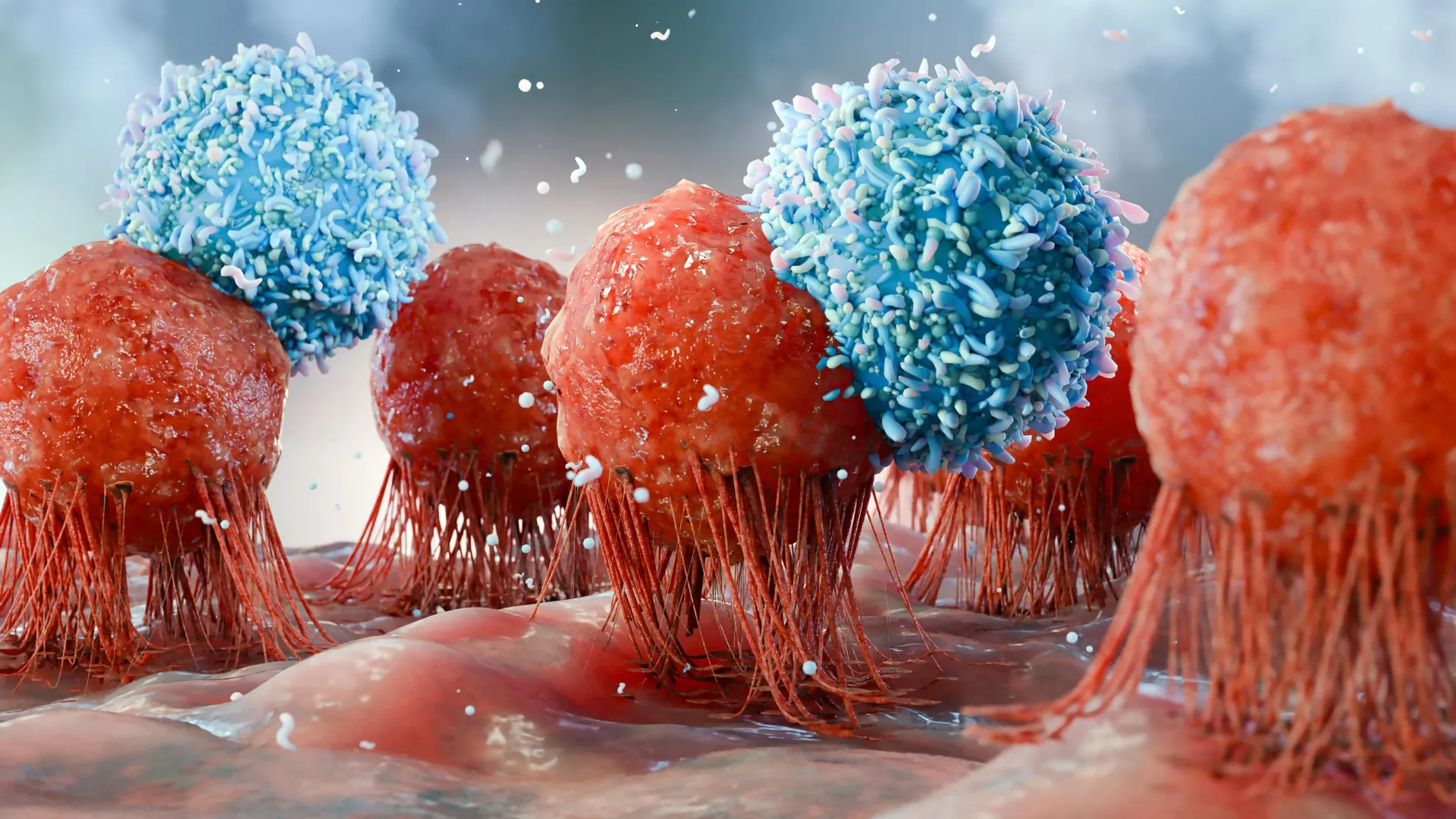
At the core of this discovery is the realization that the immune system, specifically the T cell, requires a precise "spark" to initiate its attack on tumor cells. That spark is provided by reactive oxygen species. While high levels of ROS can indeed lead to cellular stress, small, controlled bursts are necessary for T cells to recognize and infiltrate a tumor.
The research team found that many aggressive cancers have developed a chemical defense mechanism to extinguish this spark. By secreting an antioxidant protein known as Peroxiredoxin 1 (PRDX1) into the fluid surrounding the tumor, cancer cells create an "antioxidant shield." This shield scavenges the ROS, effectively blinding the T cells and rendering them unable to switch into "attack mode." Consequently, the tumor creates a microenvironment where it can thrive, completely invisible to the immune system’s primary surveillance unit.
A Chronological Breakdown of the Discovery
The journey to this discovery began with a shift in focus from the genetic mutations within cancer cells to the chemical composition of the "tumor microenvironment."
- Initial Observation: Researchers studying the fluid surrounding tumors in mouse models noticed that T cells within the tumor were consistently underactive, despite being present in high numbers. They hypothesized that something in the environment was actively suppressing the cells.
- The PRDX1 Identification: Through proteomic analysis of the tumor-surrounding fluid, the team identified elevated levels of the protein PRDX1. They observed that when PRDX1 was present, the signaling pathways required for T cell activation were consistently dampened.
- CRISPR Intervention: To confirm that PRDX1 was the culprit, the scientists utilized CRISPR gene-editing technology to create cancer cells that were incapable of producing the protein. When these modified cells were introduced into mice, the immune system successfully recognized and destroyed the tumors, leading to significantly slowed growth compared to the control group.
- Human Correlation: The final phase of the study involved mapping these findings onto human biological data. By analyzing genetic activity in thousands of human tumor samples and examining fluid from surgically removed human tumors, the researchers confirmed that the same PRDX1-secreting mechanism is present in human cancers.
Supporting Data: Why Antioxidants Can Be Counterproductive
The researchers’ findings provide a compelling answer to a question that has long perplexed oncologists and nutritionists: why have large-scale clinical trials failed to show that antioxidant supplements prevent cancer? In fact, some studies have hinted that in certain populations, antioxidant supplementation may lead to poorer health outcomes.
The data presented in the Science paper suggests that by indiscriminately flooding the body with antioxidants, patients may inadvertently be assisting tumors in maintaining their chemical shield. While the study emphasizes that these findings are currently restricted to preclinical models, the implications for clinical nutrition are profound. It appears that the "more is better" approach to antioxidants may inadvertently suppress the very immune signals required to eliminate nascent tumors.
The study indicates that the "antioxidant paradox"—whereby supplements designed to prevent cell damage might actually facilitate disease progression—is rooted in the fundamental biology of immune cell activation.
Official Responses: Challenging Conventional Wisdom
The lead researchers have been vocal about the need to rethink the role of reactive oxygen species in clinical oncology.
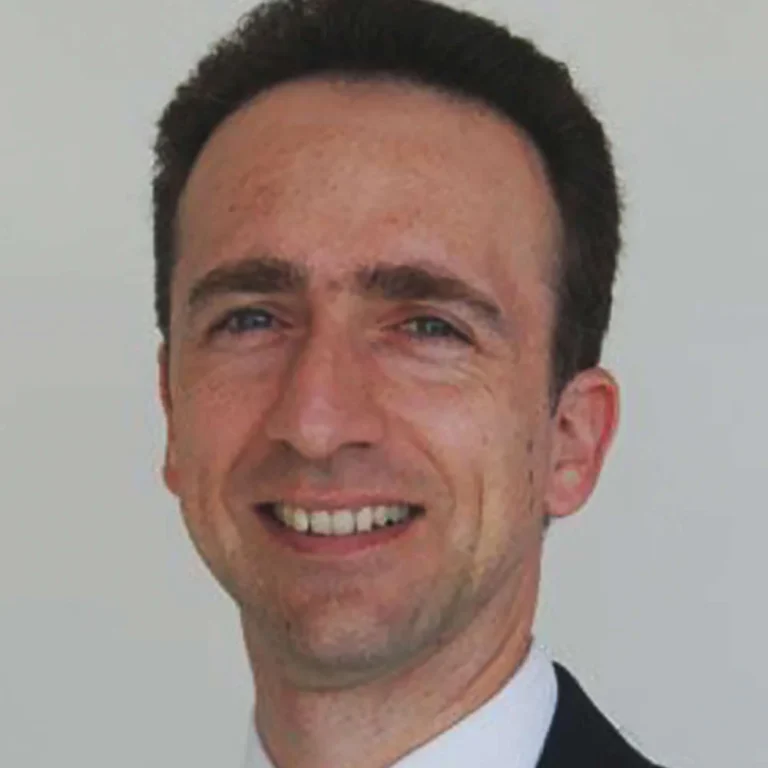
Dr. Xan Wesolowski, from the University of Cambridge’s Department of Pathology, highlighted the conceptual shift required to understand these results: "We tend to think of reactive oxygen species purely as damaging byproducts of metabolism. But we are increasingly understanding they have important functions within cells, and T cells need them to activate. Our study develops this picture, revealing that tumors can exploit this very dependency to evade elimination."
Professor Rahul Roychoudhuri, also of the Department of Pathology at Cambridge, believes the findings offer a tangible pathway for future therapeutics. "We’ve found a new way by which cancers shut down the immune system," he noted. "When we block this process, tumors that don’t respond to some immunotherapies start responding to treatment. That tells us this is a pathway worth targeting therapeutically."
Meanwhile, Dr. Robert Eil of the Oregon Health & Science University School of Medicine suggested a bold departure from traditional therapeutic approaches. "Our study suggests a possible way to boost T cell immunotherapies. Rather than using antioxidants, it could be that prooxidants can kickstart the T cells into action against tumor cells."
Implications for Future Cancer Immunotherapy
The implications of this discovery for the field of immunotherapy are substantial. Currently, many patients with "cold" tumors—those that do not trigger a strong immune response—fail to see success with modern checkpoint inhibitors and CAR-T cell therapies. This new research suggests that these tumors might be "cold" simply because they are hiding behind a chemical wall of PRDX1.
A New Class of Therapeutics
If researchers can develop drugs that inhibit the secretion of PRDX1 or neutralize its activity within the tumor microenvironment, they could potentially turn "cold" tumors into "hot" ones. This would make them susceptible to standard immunotherapies, potentially opening the door to treatment for thousands of patients who currently have few options.
Rethinking Supplementation
The study serves as a stern warning against the self-prescription of high-dose antioxidant supplements, particularly for those currently undergoing cancer treatment. The researchers emphasize that the biological environment of a tumor is unique, and introducing exogenous antioxidants could, in theory, reinforce the tumor’s defensive barrier.
Preclinical Caution
Despite the excitement, the team is careful to manage expectations. These results have been established in mouse models and observational human data; they have not yet been validated through clinical trials in human patients. "People living with cancer should not change their diets, supplement use, or medical treatments based on these findings without consulting a healthcare professional," the authors warned in their concluding remarks.
Conclusion: The Path Forward
The discovery that tumors actively manufacture their own chemical shields through the release of PRDX1 represents a significant milestone in our understanding of cancer immune evasion. It highlights that the relationship between cellular metabolism and the immune system is a delicate, fine-tuned dance, not a simple binary of "good" and "bad" molecules.
As the scientific community moves forward, the focus will likely turn to the development of inhibitors that can strip away the antioxidant shield of tumors. Whether through the use of pro-oxidants or specific proteins that counteract PRDX1, the goal is clear: to restore the immune system’s natural ability to recognize and eliminate threats.
While the "antioxidant-as-a-cure" myth is slowly being dismantled, it is being replaced by something far more promising: a nuanced, evidence-based approach to cancer treatment that respects the complex, often paradoxical, nature of human biology. This research is a testament to the power of fundamental inquiry, proving that even the most well-established dogmas are subject to revision when faced with the rigors of experimental discovery.