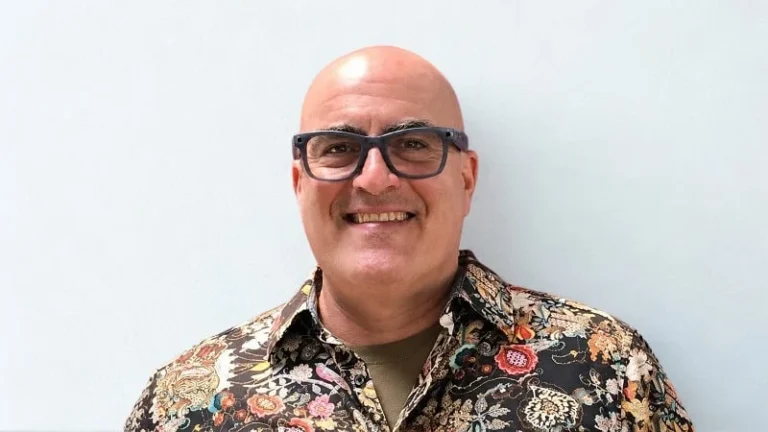







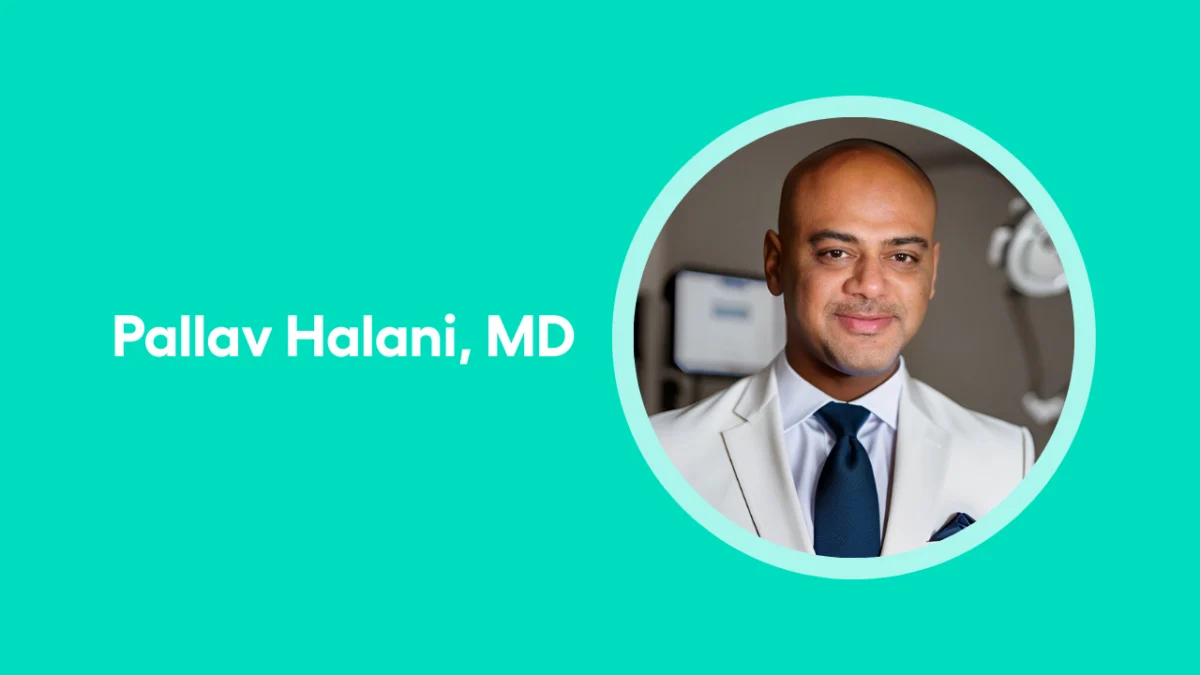
The landscape of modern medicine is built upon the collaborative efforts of diverse healthcare professionals, each bringing unique expertise to the patient’s journey. Few stories capture the synergy between clinical nursing, respiratory care, and medical practice as vividly as that of Dr. Pallav Halani. A pediatric pulmonologist and sleep specialist at Texas Lung and Sleep Associates, Dr. Halani’s career trajectory is not merely a tale of professional advancement; it is a testament to how specialized clinical training can serve as a powerful foundation for high-level medical leadership.
A Journey of Practicality and Passion: The Chronology of a Career
Dr. Halani’s path to medicine began thousands of miles away from the intensive care units (ICUs) where he would eventually hone his skills. Originally from India, Dr. Halani arrived in the United States with a degree in physical therapy already in hand. However, the intricacies of visa regulations for international students necessitated a shift in his academic focus.
The Respiratory Care Foundation
Searching for a clinical program that would maintain his student status while providing meaningful, hands-on experience, Dr. Halani discovered the burgeoning field of respiratory therapy (RT). He enrolled at Northeastern University in Boston, becoming part of an inaugural cohort to earn a Master’s degree in respiratory care.
"My decision to pursue respiratory therapy was initially driven by practicality," Dr. Halani recalls. Yet, the classroom soon gave way to the reality of the bedside. "Once I entered the program, I realized how demanding and meaningful the work was. It placed me at the center of critical decision-making, particularly around airway management and ventilator care."
The Crucible of the ICU
Following his graduation, Dr. Halani spent five years in the high-pressure environment of hospital-based respiratory care. His clinical journey spanned some of the most prestigious institutions in the country, including Boston Children’s Hospital, Beth Israel Deaconess Medical Center, and Henry Ford Hospital in Michigan.
This period served as the "crucible" of his career. Working primarily in adult ICUs and emergency departments, he was tasked with managing ventilators and navigating life-or-death scenarios. These years did more than just build technical proficiency; they fostered a mindset of accountability. "Respiratory care leaves little room for shortcuts," he notes. "In the ICU, decisions regarding airways have immediate consequences. Those years shaped my clinical confidence and laid the groundwork for my future training in medicine."
The Pivot to Medicine: Seeking a Broader Horizon
While working as an RT, Dr. Halani found himself increasingly dissatisfied with being the executor of care plans; he wanted to be the architect of them. His curiosity regarding the pathophysiology behind the symptoms he treated grew into a drive for medical school.
Supported by physician colleagues who recognized his clinical acumen and desire for leadership, Dr. Halani took the leap. He completed his preclinical training on the island of St. Eustatius before returning to the U.S. for clinical rotations. His background as an RT provided an unconventional but highly effective head start. While his peers were learning the basics of cardiopulmonary physiology, Dr. Halani was applying advanced concepts he had already mastered in the ICU. This transition proved to be seamless, as his clinical instinct was already finely tuned to the complexities of respiratory failure and critical illness.
Official Perspective: The Value of the RT Foundation
In his current role at Texas Lung and Sleep Associates, Dr. Halani bridges the gap between the diagnostic physician and the bedside therapist. He approaches pediatric pulmonology with an integrated perspective, viewing the patient not just through test results, but through the lens of ventilator mechanics and respiratory mechanics—skills he credits directly to his past as an RT.
A Culture of Collaboration
When asked about his current interactions with respiratory therapists, Dr. Halani is unequivocal about their importance. "I deeply value the clinical insight respiratory therapists bring to patient care," he says. "I enjoy giving RTs autonomy and involving them in shaping clinical decisions."
This professional respect is personal as well; his wife is also a respiratory therapist, ensuring that the nuances of the profession remain a constant topic of conversation in his home life. This proximity to the field allows Dr. Halani to stay attuned to the evolving challenges RTs face, from staffing shortages to the increasing complexity of home-based respiratory technology.
Supporting Data and Clinical Implications
The transition from respiratory therapy to medicine is a career path that, while rare, offers significant advantages to the healthcare system. Clinical data suggests that physicians with backgrounds in allied health professions—such as nursing, respiratory therapy, or emergency medical services—often demonstrate higher levels of empathy and a more nuanced understanding of interdisciplinary workflows.
The "Integrated Care" Model
Dr. Halani’s practice focuses on pediatric sleep disorders and chronic pulmonary conditions. By utilizing his background in both RT and pediatric pulmonology, he employs a model of care that emphasizes:
- Early Intervention: Identifying airway obstruction or sleep-disordered breathing before it results in developmental delays or cardiac strain.
- Advanced Ventilatory Support: Utilizing his deep knowledge of non-invasive ventilation (NIV) to manage children with complex neuromuscular conditions.
- Multidisciplinary Communication: Speaking the "language" of the RTs on his team, which reduces errors and streamlines patient transitions from the office to the inpatient setting.
Implications for the Future of Healthcare
The story of Dr. Halani serves as a blueprint for the future of professional development in healthcare. As medicine becomes increasingly specialized, the demand for clinicians who possess both granular technical skills and high-level analytical capabilities is growing.
Advocacy and Mentorship
Dr. Halani remains an active advocate for the respiratory therapy profession. He believes that the skills honed by RTs—critical thinking, calm under pressure, and systemic accountability—are transferable to virtually any high-stakes environment. He encourages current RTs to view their role not as a terminal career, but as a foundational one.
"For those considering additional training or different paths, my advice is to seek mentors and be honest with yourself about what you want," Dr. Halani advises. He emphasizes that the "curiosity" that drove him to seek a medical degree is a trait that should be fostered in all clinicians, regardless of their current credentials.
Conclusion: A Legacy of Clinical Excellence
Dr. Pallav Halani’s journey from an international student in search of a path to a highly respected pediatric pulmonologist is a powerful reminder that clinical expertise is never wasted. Each step—from the physical therapy classroom in India to the ICU bedside in Boston, and finally to the consultation room in Texas—has informed his ability to provide patient-centered care.
As the healthcare industry continues to grapple with complex challenges, the importance of interdisciplinary respect and a deep, foundational understanding of the patient experience cannot be overstated. By maintaining his ties to the respiratory care community, Dr. Halani continues to lead by example, proving that the most effective physicians are often those who never forget what it was like to stand at the bedside and hold the life of a patient in their hands.
His message to the next generation of healthcare professionals is clear: Stay curious, embrace the rigor of your training, and never underestimate the value of the skills you have worked so hard to acquire. In the ever-changing landscape of medicine, those who can navigate the complexities of both the bedside and the board, like Dr. Halani, will undoubtedly define the standard of care for years to come.