







January 11, 2026 — Featured Buzz
The landscape of respiratory medicine is undergoing a profound transformation. As clinical demand grows for faster, more accurate diagnostic tools, researchers are increasingly turning to artificial intelligence (AI) and advanced imaging to bridge the gap between initial patient presentation and definitive diagnosis. Recent studies published in prestigious journals—including eBioMedicine, the Journal of Perinatology, and Nature Communications—highlight three distinct breakthroughs that promise to reshape how clinicians manage chronic obstructive pulmonary disease (COPD), neonatal respiratory distress, and lower respiratory tract infections (LRTIs).
1. AI-Enhanced ECGs: A New Horizon for COPD Screening
The Clinical Challenge
Chronic Obstructive Pulmonary Disease (COPD) remains a leading cause of morbidity and mortality worldwide, yet it is frequently underdiagnosed in its early stages. Traditionally, diagnosis relies on spirometry, which measures lung function but is often not performed until symptoms are advanced. Because patients with respiratory issues frequently undergo routine electrocardiograms (ECGs) for cardiovascular monitoring, a missed opportunity exists to leverage this ubiquitous diagnostic tool for pulmonary health.
Methodology and AI Integration
Researchers from the Mount Sinai Health System in New York sought to determine whether AI could "see" signs of COPD in the electrical activity of the heart. The study involved a massive dataset: 208,231 ECGs from 18,225 patients with confirmed COPD, compared against a control group of 552,771 ECGs from 59,356 individuals matched by age, sex, and race.
The team employed a Convolutional Neural Network (CNN)—a deep learning architecture particularly adept at pattern recognition in visual data. By training the model on these vast datasets, the AI learned to identify subtle, non-obvious ECG markers associated with COPD-related physiological changes. The primary benchmark for success was the model’s accuracy in identifying patients with a clinical diagnosis of COPD verified by ICD coding.
Implications for Practice
While the researchers are careful to emphasize that ECG interpretation will never replace the gold standard of spirometry, they propose a paradigm shift. "Earlier recognition may facilitate timely smoking cessation, targeted therapies, and pulmonary rehabilitation," the authors noted in eBioMedicine. By integrating this screening into routine cardiac visits, clinicians could identify high-risk individuals years before they might otherwise seek help, potentially slowing disease progression and alleviating the long-term healthcare burden.
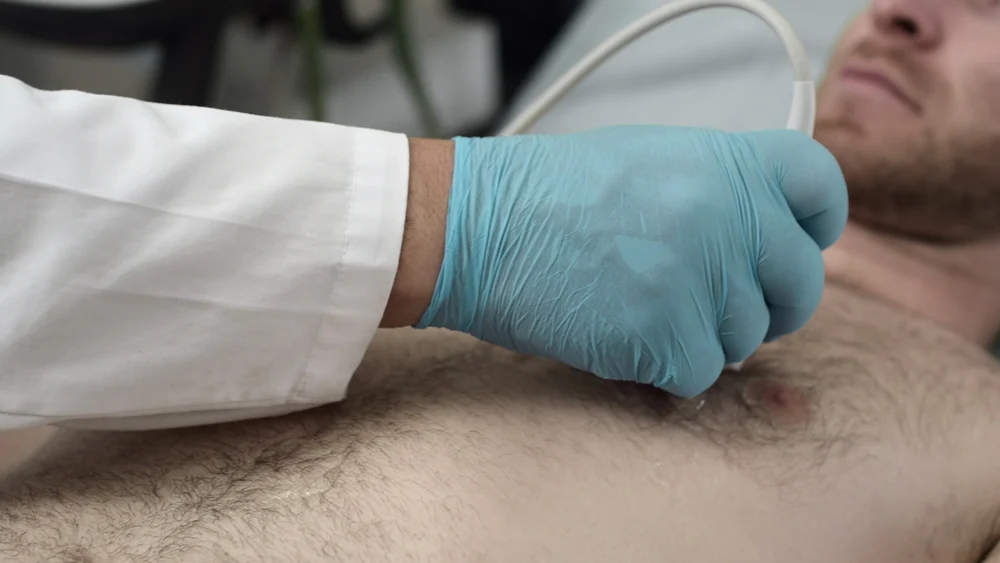
2. Lung Ultrasound: Predicting Extubation Success in VLBW Infants
The Clinical Challenge
For Very Low Birth Weight (VLBW) infants, the transition from mechanical ventilation to independent breathing is a high-stakes clinical milestone. Failed extubation—requiring reintubation within a week—is associated with increased mortality, longer hospital stays, and higher rates of bronchopulmonary dysplasia. Historically, clinicians have relied on subjective clinical assessments or trial-and-error, leaving a need for more objective, bedside predictors.
The Study and Findings
A research team from the University of Chicago conducted an investigation involving 45 VLBW infants treated for respiratory distress syndrome. Across 53 extubation attempts, the team performed a lung ultrasound (LUS) three to six hours prior to the procedure.
The study utilized a neonatal-adapted LUS scoring system to assess pulmonary aeration and fluid status. The findings were striking: the LUS score proved to be a highly reliable predictor of which infants were physiologically prepared to handle the removal of the ventilator. Furthermore, the study addressed a long-standing question regarding the use of dexamethasone—a steroid often used to reduce inflammation before extubation—finding that its use did not artificially lower LUS scores, thereby validating the score’s consistency across different pharmacological regimens.
Implications for Neonatal Care
The adoption of LUS as a standardized pre-extubation protocol could significantly reduce the trauma of reintubation for the most vulnerable patients. The study, published in the Journal of Perinatology, suggests that the neonatal-adapted LUS score provides the "gold standard" of predictability required for high-intensity neonatal intensive care units (NICUs).
3. Diagnosing LRTIs: The AI and Biomarker Synergy
The Clinical Challenge
In the Intensive Care Unit (ICU), distinguishing between a viral infection, a bacterial pneumonia, and non-infectious inflammation is one of the most difficult tasks a physician faces. This ambiguity often leads to "antibiotic over-prescription," a practice that fuels the global crisis of antimicrobial resistance.
The Technological Breakthrough
Researchers at the University of California, San Francisco (UCSF), have developed a multi-modal diagnostic model that combines biology with machine learning. The system focuses on a host biomarker: the gene FABP4.
FABP4 is found in lung fluid and plays a role in tempering inflammation. Crucially, the researchers discovered that FABP4 expression is significantly lower in infected lung cells compared to healthy ones. By feeding this biological data into a generative AI model that also analyzes chest X-ray reports and physician clinical notes, the team created a comprehensive diagnostic tool.
Accuracy and Impact
In an observational study of critically ill adults, this model achieved a 96% diagnostic accuracy rate, significantly outperforming human clinicians. Most importantly, the model’s implementation showed the potential to reduce inappropriate antibiotic use by more than 80%.
"This study suggests that integrating a host biomarker with large language model analysis can improve LRTI diagnosis in critically ill adults," the authors stated in Nature Communications. Because the model is designed to operate on a HIPAA-compliant GPT-4 interface, it is highly accessible, meaning it could be deployed in hospitals worldwide without requiring specialized proprietary hardware. The UCSF team is now working to validate the model for clinical use and is currently exploring how this same approach might be applied to the rapid diagnosis of sepsis.
Chronology of Medical Advancement
The progression of these technologies marks a transition from manual, reactive care to automated, proactive management:
- Mid-2025: Initial validation of the FABP4 biomarker efficacy in lung fluid samples confirms the role of host response in differentiating infection types.
- Late 2025: Mount Sinai’s CNN model completes its training phase, demonstrating that AI can extract diagnostic value from routine ECG data previously thought to be specific only to cardiac health.
- Early 2026: Peer-reviewed publication of all three studies confirms a consensus in the medical community: AI is no longer a peripheral tool but a central component of future diagnostic workflows.
- Current Status: Researchers are moving from validation studies to pilot clinical implementation, focusing on integrating these models into existing Electronic Health Record (EHR) systems.
Supporting Data and Official Perspectives
| Diagnostic Tool | Primary Metric | Improvement Over Current Standard |
|---|---|---|
| AI-ECG (COPD) | ICD-Code Accuracy | Enables opportunistic screening during routine heart checks. |
| Neonatal LUS | Extubation Success Rate | High predictive value for infants on mechanical ventilation. |
| AI-LRTI Model | 96% Accuracy | 80% reduction in inappropriate antibiotic prescriptions. |
The Human Element
Despite the high-tech nature of these developments, the researchers consistently emphasize that the goal is to augment, not replace, the physician’s judgment.
"We are providing clinicians with a ‘second set of eyes’ that can process millions of data points in seconds," noted one of the UCSF study authors. The transition to these tools is expected to be gradual, as hospitals focus on training staff to interpret AI-generated insights and ensuring that data privacy remains a priority.
As healthcare systems face increasing pressure from aging populations and the rising threat of antibiotic-resistant pathogens, these three advancements represent a robust, data-driven defense. Whether through the electrical patterns of the heart, the ultrasonic waves of the lungs, or the genetic signatures of inflammation, the future of pulmonary medicine is becoming increasingly clear, precise, and—above all—proactive.
By catching diseases earlier, preventing unnecessary procedures in infants, and curbing the overuse of antibiotics, these innovations are not just technical achievements; they are essential steps toward a more efficient and compassionate healthcare system.