










For millions of individuals worldwide, the simple act of planning a day—a commute, a business meeting, or a dinner with friends—is governed by a singular, anxious question: Where is the nearest bathroom?
Irritable Bowel Syndrome (IBS) is often trivialized as a "stomach ache," but for those living with the condition, it is a life-altering, debilitating reality. Recent studies reveal the severity of this burden: many patients report they would willingly sacrifice 10 to 15 years of their life expectancy in exchange for an instant, permanent cure. Others have indicated they would accept a medication carrying a one-percent risk of sudden death just to be free of the chronic pain, urgency, and social isolation that define their daily existence.
As we peel back the layers of this pervasive condition, it becomes clear that IBS is not merely a digestive issue; it is a complex, functional disorder that sits at the volatile intersection of the gut and the brain.
The Main Facts: What is IBS?
Often colloquially termed a "spastic colon," IBS is the most frequently diagnosed digestive disorder globally, impacting approximately 14 percent of the adult population. Despite its prevalence, it remains shrouded in misunderstanding.
Unlike Inflammatory Bowel Disease (IBD), such as Crohn’s or ulcerative colitis, IBS does not present with visible structural damage. When a gastroenterologist performs an endoscopy or colonoscopy, they find no ulcers, no tumors, and no active infections. For decades, this lack of physical evidence led the medical community to label IBS as "psychosomatic" or "all in the patient’s head."
Modern science has dismantled this narrative. Experts now classify IBS as a disorder of gut-brain interaction. It is a failure of communication; the nerves within the gastrointestinal (GI) tract are either over-signaling or misfiring, causing the brain to perceive pain from normal digestive processes or triggering the gut muscles to contract with erratic, painful intensity.

A Chronology of Discovery: From "Psychological" to "Functional"
The history of IBS research is one of shifting paradigms.
- The Early Era: For much of the 20th century, symptoms like chronic diarrhea or constipation were treated as stress responses. Patients were often told to "relax," a dismissal that fostered profound medical trauma.
- The Shift: As diagnostic imaging improved, clinicians realized that while the gut looked healthy, it functioned poorly. The focus shifted toward motility—how fast or slow food moved through the system.
- The Current Understanding: Today, the field is dominated by the study of the gut-brain axis, the gut microbiome, and visceral hypersensitivity. We now recognize that the gut contains its own "second brain"—the enteric nervous system—which communicates constantly with the central nervous system. When this axis is dysregulated, the result is the hallmark symptoms of IBS: abdominal pain, cramping, bloating, and unpredictable bowel habits.
Supporting Data: The Cost of Gastrointestinal Anxiety
The "invisible" nature of IBS does not make its effects any less tangible. The data surrounding the quality of life for IBS patients is staggering. Many sufferers report a lower health-related quality of life than patients living with serious chronic conditions such as diabetes, heart disease, or even end-stage kidney disease.
This is largely due to gastrointestinal-specific anxiety. This is a constant, low-level (or sometimes high-level) fear of a "flare-up." This anxiety acts as a behavioral prison, forcing patients to avoid exercise, skip social gatherings, or restrict their travel.
The physical symptoms themselves are equally disruptive. Some patients describe flare-up pain as equal to or worse than the pain of childbirth. These episodes can result in lost work productivity, sleep deprivation, and a general sense of being "siphoned" of all concentration.
Official Perspectives: Expert Insights on Lifestyle Management
Sarah Maughan, a Precision Nutrition (PN) Super Coach certified through Monash University—a global leader in IBS research—emphasizes that while IBS is a medical condition, lifestyle intervention is a powerful, underutilized tool for management.
"My hope is for everyone with IBS to know they have options," says Maughan. "Whether that’s turning to a physician for medical management or a health coach to learn about lifestyle habit stacking, there is a path to a more manageable life."

Maughan notes that because IBS is highly individual, there is no "one-size-fits-all" diet. Instead, the focus should be on identifying personal triggers through structured experimentation.
Strategies for Relief: A Five-Pillar Approach
Managing IBS requires a multi-disciplinary toolkit. According to current research, these five strategies offer the most promise for reducing symptom severity:
1. Consistent, Moderate Exercise
Research indicates that moderate activity, such as brisk walking for one hour three times a week, can significantly reduce bloating and abdominal pain. Exercise acts as a "reset" for the nervous system, potentially improving gut-brain signaling and reducing the systemic inflammation that contributes to hypersensitivity.
2. Nervous System Regulation
Stress is a primary trigger for IBS. When the body enters a "fight or flight" state, it releases cortisol and norepinephrine, which can either halt digestion (leading to constipation) or speed it up to a painful degree (leading to diarrhea). Tools like deep breathing, yoga, and mindfulness help shift the body into a "rest and digest" state.
3. Mindful Eating Habits
The pace at which we eat is often ignored. Slowing down, chewing food thoroughly, and eating in a calm environment allows digestive enzymes to work more effectively. This reduces the mechanical load on the stomach and minimizes the intake of excess air, which causes bloating.
4. Sleep Hygiene
There is a bidirectional relationship between sleep and gut health. Poor sleep exacerbates stress hormones, which worsens gut pain, which in turn ruins sleep quality. Breaking this cycle—often through earlier, smaller dinners and a consistent wind-down routine—is essential.

5. Investigative Diet (The Elimination Protocol)
Because certain fermentable carbohydrates (FODMAPs) are poorly absorbed in the small intestine, they can draw water into the gut and ferment, causing gas and pain. An elimination diet—conducted with the support of a professional—can help a patient identify exactly which foods trigger their specific symptoms, preventing unnecessary long-term restriction.
Implications for the Future: The Role of the Health Coach
For health coaches, the rise of IBS awareness presents a significant opportunity to provide value, provided they stay within their scope of practice.
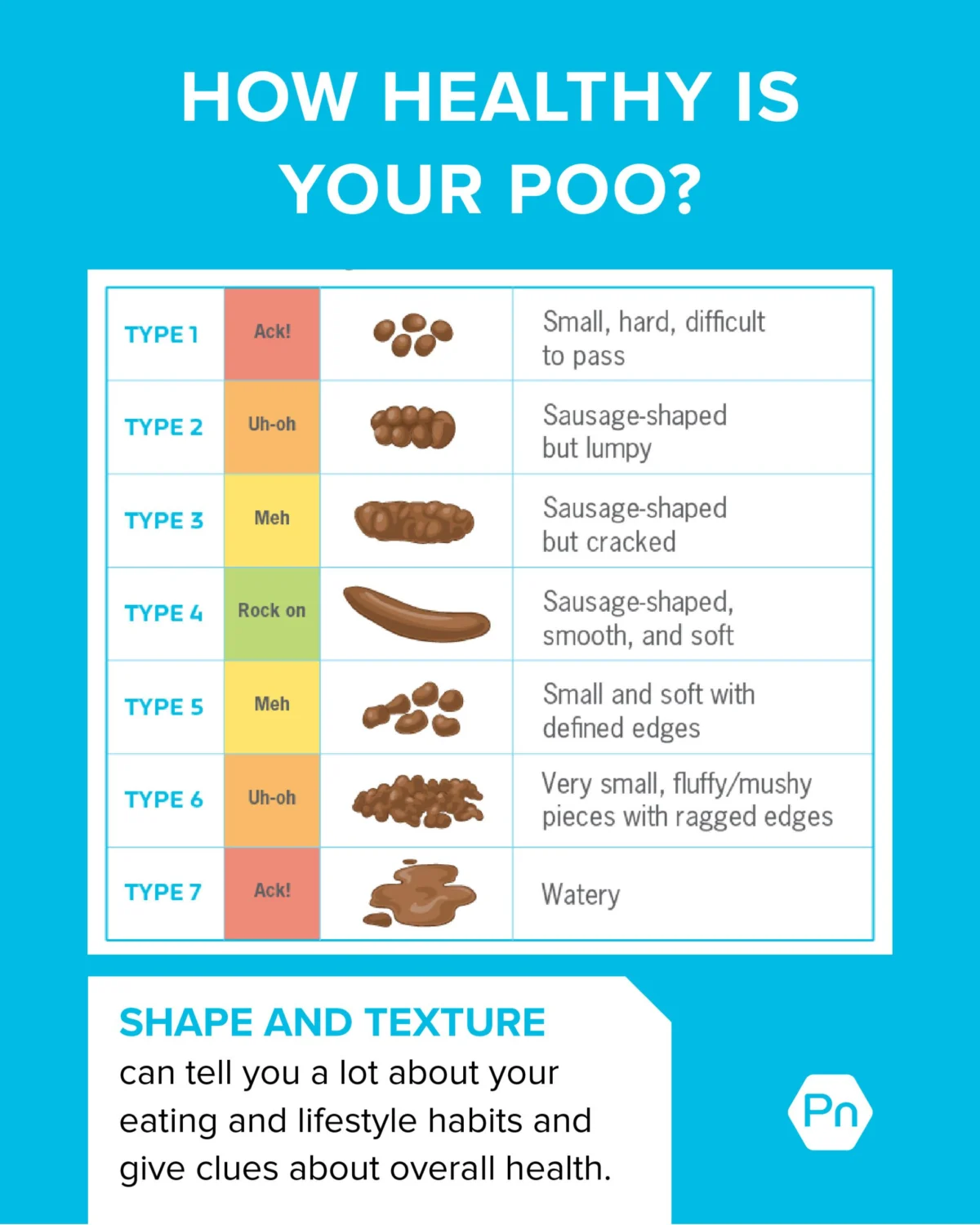
The role of a coach is not to diagnose or prescribe, but to facilitate experimentation. By helping clients track their "poo quality" via the Bristol Stool Chart and supporting them through the logistical challenges of an elimination diet, coaches bridge the gap between medical advice and daily action.
The Scope of Practice: A Ethical Framework
- Do: Encourage medical check-ups to rule out Celiac disease, IBD, or colorectal cancer.
- Don’t: Tell a client "it’s just IBS" or dismiss their symptoms.
- Do: Support the implementation of lifestyle changes like meditation or slow eating.
- Don’t: Create restrictive, "anti-IBS" meal plans that replace medical guidance.
Conclusion: Knowledge as Empowerment
The most important takeaway for those with IBS is that knowledge provides choices. Fear often keeps people trapped in a cycle of avoidance, where they are afraid to eat, afraid to exercise, and afraid to live. By systematically identifying triggers and adopting lifestyle habits that calm the nervous system, individuals can move from a state of reactive anxiety to one of proactive management.
IBS may be a lifelong companion for some, but it does not have to be a life-defining one. With the right medical team, a clear understanding of one’s own physiology, and the support of informed health professionals, it is entirely possible to reclaim the freedom to live, travel, and eat with confidence.
Disclaimer: This article is for informational purposes only and does not constitute medical advice. Always consult with a licensed healthcare professional before making significant changes to your diet, exercise routine, or medical treatment plan.