









In the vast, engineered landscape of modern food science, few compounds occupy as paradoxical a space as diacetyl. Chemically identified as 2,3-butanedione, this organic compound is the architect of the quintessential "comfort" aroma: the rich, creamy, and decadent scent of butter. From the addictive pull of microwave popcorn to the nuanced profiles of craft beers and the velvet mouthfeel of processed snacks, diacetyl is a pillar of the global flavor industry.
However, beneath this inviting sensory profile lies a sobering industrial truth. When handled in industrial settings—specifically when aerosolized or heated—diacetyl transitions from a benign flavor enhancer into a potent respiratory toxin. This chemical, which is perfectly safe to consume in moderate amounts, has been linked to bronchiolitis obliterans, a devastating and irreversible lung disease colloquially known as "popcorn lung." The story of diacetyl is not merely a tale of food chemistry; it is a complex narrative of occupational health crises, regulatory gridlock, and the unintended consequences of modern manufacturing.
The Chemical Nature of a Flavor Icon
Diacetyl is a vicinal diketone, a naturally occurring byproduct of fermentation. In the natural world, it is found in trace amounts in dairy products, such as cultured butter, cheese, and yogurt. It is also a key component in the aromatic profiles of fermented beverages, including beer and wine. Because it is found in nature, diacetyl is classified by the U.S. Food and Drug Administration (FDA) as "Generally Recognized as Safe" (GRAS) for ingestion.
In the mid-20th century, the food industry began synthesizing diacetyl to provide a cost-effective, shelf-stable, and consistent butter flavor. This innovation allowed manufacturers to standardize the taste of processed goods. By adding synthetic diacetyl, companies could impart the luxurious experience of fresh butter to products that contained no dairy at all, or to shelf-stable items that would otherwise lose their flavor profile over time.
Chronology of a Public Health Crisis
The public health narrative surrounding diacetyl shifted violently in the early 2000s. The awakening began not in a laboratory, but on the factory floor.
- The Early 2000s (The Discovery): A cluster of workers at a microwave popcorn manufacturing plant in Missouri began presenting with severe, unexplained respiratory symptoms. Physicians were baffled by the rapid decline in their lung function, which mirrored the symptoms of chronic obstructive pulmonary disease (COPD) but occurred in young, otherwise healthy, non-smoking individuals.
- 2002 (The NIOSH Investigation): The National Institute for Occupational Safety and Health (NIOSH) conducted a landmark investigation into the facility. They identified a direct correlation between the workers’ proximity to the "mixing and heating" stages of popcorn production—where diacetyl was aerosolized—and the prevalence of lung damage.
- 2004–2007 (Expansion of Concern): As the news broke, it became clear that the issue was not isolated to a single plant. Investigations spread to other flavoring manufacturing facilities, revealing that workers handling concentrated diacetyl were at extreme risk.
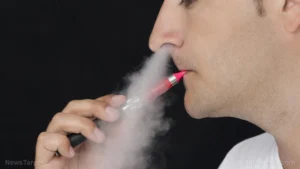
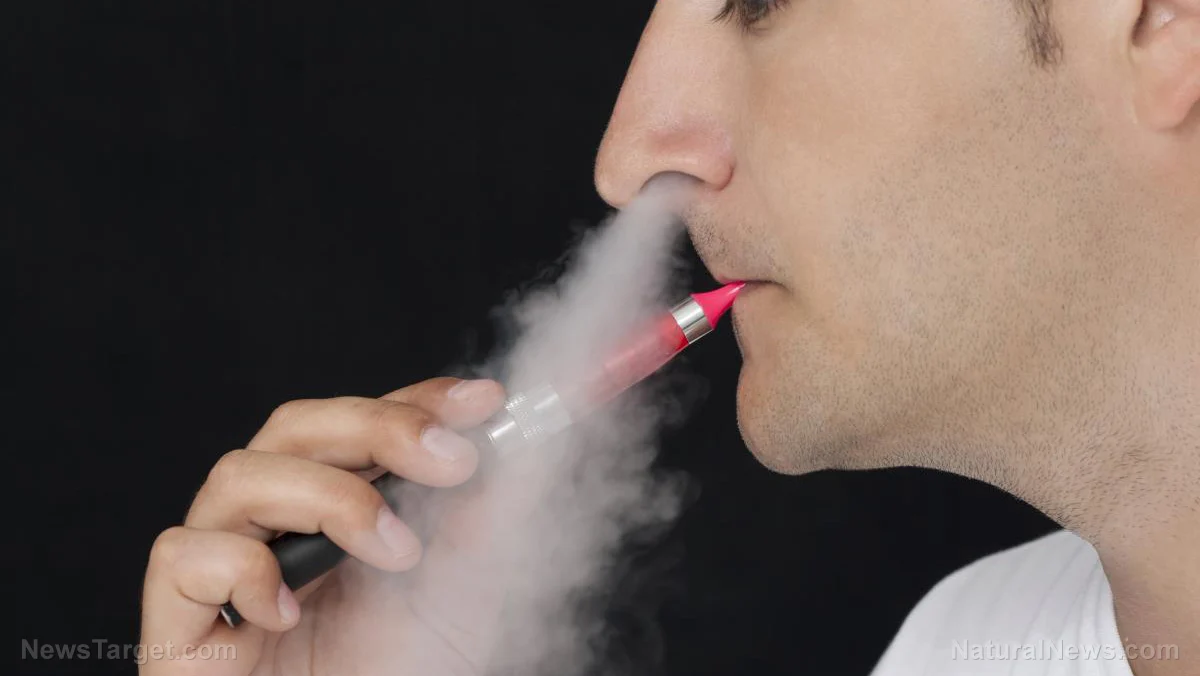
- 2010–Present (The Vaping Era): With the rise of the electronic cigarette industry, the concern shifted from the factory floor to the consumer. Many e-liquid manufacturers incorporated diacetyl to achieve "custard," "butterscotch," or "bakery" profiles in their vape juices. This introduced a new, direct inhalation pathway for the general public, prompting renewed debates on flavor regulation.
The Pathophysiology: Why Inhalation is Lethal
To understand why diacetyl is a paradox, one must distinguish between ingestion and inhalation.
When we eat food containing diacetyl, the compound is processed by the digestive system and metabolized in the liver. In this context, the body breaks it down efficiently without causing systemic toxicity. However, the lungs lack the robust enzymatic machinery to handle high concentrations of the compound in its volatile, aerosolized state.
When inhaled, diacetyl enters the deepest reaches of the respiratory system—the bronchioles. It triggers a violent, abnormal inflammatory response. The body’s attempt to repair the damage results in the proliferation of fibroblasts, which lay down excessive scar tissue. This process, known as fibrosis, causes the bronchioles to narrow and eventually close entirely. This is bronchiolitis obliterans: a condition where the airways are physically obstructed by hardened tissue.
As the disease progresses, lung capacity can plummet to 20 percent of its original function. Sufferers face a life of chronic breathlessness, often requiring a lung transplant to survive. It is not an infection, but a structural death of the lungs’ ability to exchange oxygen.
Regulatory Landscape: A Divided Responsibility
The regulation of diacetyl remains one of the most contentious issues in industrial safety, largely due to a "regulatory divide" between the FDA and the Occupational Safety and Health Administration (OSHA).
The FDA regulates diacetyl as a food additive. Because the compound is safe to eat, the FDA’s oversight is minimal, focusing on ingestion safety. This designation has not changed, despite the well-documented inhalation risks.
Conversely, OSHA is responsible for workplace safety. Following the NIOSH findings in the early 2000s, OSHA issued hazard alerts and guidelines for companies using diacetyl. However, the agency has struggled to implement a mandatory, comprehensive national exposure standard. While many major food corporations have voluntarily moved away from diacetyl, replacing it with safer alternatives, the lack of a strict, legally binding standard leaves smaller, less-regulated facilities potentially exposed to liability and their workers exposed to harm.
Supporting Data: The Scope of Risk
While the general public is not at risk from eating buttery-flavored snacks, the occupational data remains stark. NIOSH studies have consistently shown that the risk is dose-dependent. Workers involved in the following activities remain the highest priority for surveillance:
- Flavoring manufacturing: The synthesis and mixing of concentrated chemical aromatics.
- Industrial popcorn production: The heating of large vats of butter-flavored oil.
- Commercial bakeries: The use of concentrated flavorings in industrial-scale baking.
- Vape juice manufacturing: The blending of concentrated chemical flavorings into e-liquids.
The medical consensus is clear: while the average consumer’s exposure through food is negligible, the "safe" levels for inhalation are significantly lower than for ingestion. Any workplace where diacetyl is heated or powdered requires high-level ventilation, personal protective equipment (PPE), and constant air-quality monitoring.
Implications: The Legacy of "Popcorn Lung"
The diacetyl crisis serves as a grim cautionary tale regarding the speed of innovation versus the speed of safety testing. As food technology advances, the introduction of synthetic compounds often outpaces our understanding of their long-term health impacts.
The E-Cigarette Dilemma
The current concern regarding e-cigarettes highlights the need for a more proactive approach to public health. By aerosolizing flavorings, the vaping industry has essentially turned a controlled industrial risk into a consumer-facing reality. Public health researchers argue that even if the concentration of diacetyl in a vape pen is lower than in a factory, the frequency of inhalation—multiple times a day, every day—could lead to chronic, low-level damage that may manifest as respiratory issues decades down the line.
Consumer Awareness and "Natural" Labeling
For the public, the takeaway is one of label literacy. While "natural flavor" is often used to describe diacetyl-like compounds, the distinction between "natural" and "artificial" is irrelevant when it comes to lung health; it is the physical form—aerosol versus solid—that matters. Consumers who wish to avoid processed foods containing synthetic butter flavorings can look for labels that explicitly state "no diacetyl" or avoid highly processed, shelf-stable snacks that rely heavily on artificial flavoring additives.
The Path Forward
The "popcorn lung" episode has fundamentally changed occupational medicine. It has forced regulators to acknowledge that a substance’s toxicity is context-dependent. The future of food and flavorings must prioritize:
- Transparency: Mandatory disclosure of ingredients that, while safe to eat, pose respiratory risks in processing.
- Innovation: A shift toward safer, non-diketone-based flavorings that do not rely on the same chemical pathways.
- Surveillance: Continued monitoring of industries where aerosolized flavorings are standard.
In conclusion, the story of diacetyl is a reminder that our modern, convenient, and flavor-rich world is built upon complex chemistry. While the flavor of butter is one of life’s simple pleasures, the process of its synthetic creation requires a level of oversight that respects the delicate nature of the human lung. As we move forward, the legacy of this crisis should be a more vigilant, scientifically rigorous approach to the chemicals we consume, and more importantly, the chemicals we breathe.