









For decades, creatine has occupied a central, albeit narrow, position in the lexicon of fitness culture. Often associated with the clanking of iron in weight rooms and the pursuit of maximal athletic output, it has been colloquially dubbed a "muscle builder." However, the scientific community is currently undergoing a paradigm shift, moving away from the limited perception of creatine as merely a performance enhancer toward a nuanced understanding of its role in cellular metabolism, cognitive function, and therapeutic medicine.
New insights, bolstered by comprehensive academic reviews—such as the Handbook of Creatine and Creatinine In Vivo Kinetics by Dr. Mehdi Boroujerdi—are peeling back the layers on this vital compound. As research expands, we are beginning to see creatine not just as a tool for the athlete, but as a potential cornerstone of preventative health.
The Biological Foundation: How Creatine Fuels Life
To understand why creatine is so vital, one must first look at the body’s "energy currency": adenosine triphosphate (ATP). Every movement, from a blink of an eye to a heavy deadlift, relies on the rapid breakdown of ATP. However, muscle cells can only store a small amount of ATP—enough for just a few seconds of intense effort.
The Phosphocreatine Cycle
Creatine is produced naturally in the human liver, kidneys, and pancreas from a combination of three amino acids: glycine, arginine, and methionine. Once synthesized, it is shuttled through the bloodstream to tissues with high energy demands. Approximately 95% of the body’s creatine is stored in skeletal muscle, while the remainder is sequestered in the brain, heart, and other critical organs.
Inside the cell, creatine is converted into phosphocreatine (PCR). When ATP is consumed during intense activity, PCR donates a phosphate group to rapidly regenerate ATP. This "recharging" process is the primary reason creatine is so effective for short, explosive bursts of energy. Once the creatine molecule has donated its phosphate, it degrades into a waste product called creatinine, which is then filtered by the kidneys and excreted in urine.
Debunking the Steroid Myth
One of the most persistent misconceptions in the wellness industry is the conflation of creatine with anabolic steroids. Dr. Boroujerdi is emphatic in correcting this narrative: "Creatine’s role in muscle development is solely to provide energy for contraction and respiration; it is certainly not a substitute for steroids." Unlike synthetic hormones, creatine does not alter hormonal profiles or provide artificial growth; it simply provides the physiological environment necessary for cells to perform at their natural peak.
A Chronology of Research: From Discovery to Clinical Promise
The journey of creatine research is a testament to the scientific method’s evolution.
- Early 1800s: Creatine was first identified in meat extracts by French scientist Michel Eugène Chevreul.
- Late 20th Century: The 1990s marked the explosion of creatine as a dietary supplement for elite athletes, driven by studies demonstrating its ability to improve power output and training capacity.
- The 2010s: Researchers began looking past muscle cells, investigating the role of creatine in neurological health and metabolic diseases.
- The Modern Era: Today, the focus has shifted toward clinical applications. With the publication of advanced kinetic studies, scientists are investigating whether creatine could function as an over-the-counter therapeutic agent rather than a mere supplement.
Supporting Data: Performance, Cognition, and Beyond
The efficacy of creatine monohydrate—the most extensively studied form of the compound—is supported by a vast body of literature.
Athletic Performance and Training Capacity
Clinical data consistently demonstrates that supplementation increases intramuscular phosphocreatine stores. This translates into tangible results: higher power output during resistance training, increased sprint velocity, and improved recovery between bouts of high-intensity exercise. By buffering the energy depletion that occurs during training, athletes can maintain higher workloads, leading to greater long-term physiological adaptations.
Cognitive Function and Neurological Health
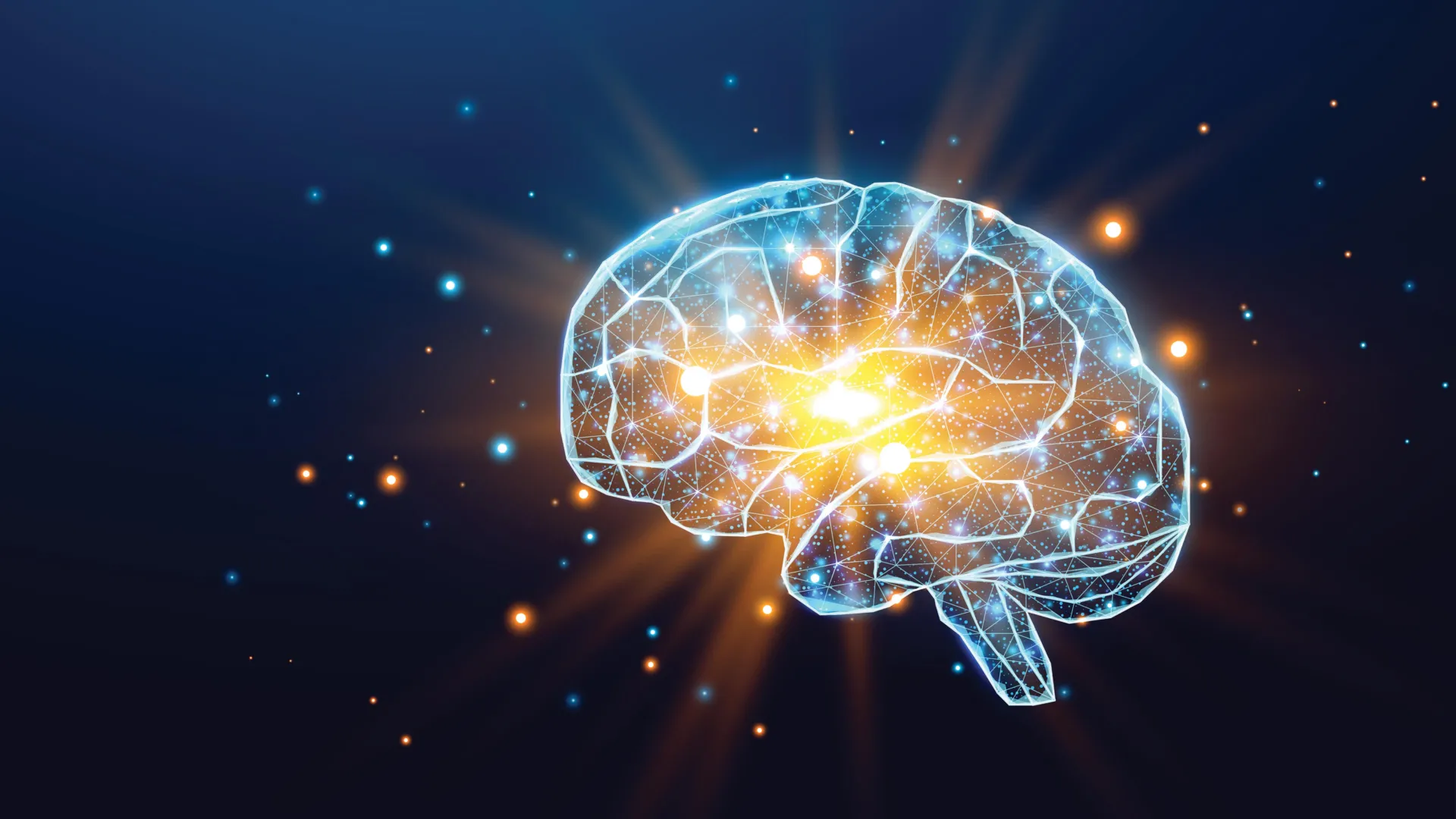
Perhaps the most exciting frontier for creatine research is the brain. Because the brain is a highly metabolic organ, it requires significant ATP to maintain neurotransmission and synaptic function. Recent studies suggest that creatine supplementation may improve memory, enhance processing speed, and stabilize mood, particularly in populations with naturally lower levels, such as older adults and those following strictly plant-based diets.
Furthermore, emerging research is exploring the neuroprotective properties of creatine. In the context of neurodegenerative conditions like Parkinson’s disease, researchers are investigating whether consistent supplementation might mitigate cellular energy failure. Preliminary data also suggests that creatine may assist in managing menopause-related muscle and bone loss, offering a potential lifeline for maintaining quality of life in aging populations.
Official Responses and Expert Perspective: The Path to Clinical Acceptance
Dr. Mehdi Boroujerdi, a distinguished pharmaceutical researcher, advocates for a more rigorous approach to how we utilize this compound. His work emphasizes that while the benefits are clear, the "wild west" approach of unregulated supplementation needs to be replaced with evidence-based protocols.
"With sufficient justification, appropriate dosage form, and dosing regimen, creatine may eventually be recognized as an over-the-counter therapeutic agent rather than merely a dietary supplement," Dr. Boroujerdi notes. He stresses that the industry must move toward clinical trials that utilize "labeled creatine"—a technique that allows researchers to track exactly how the body processes the compound—to resolve current "grey areas" in our knowledge.
The Dosing Controversy
There remains a debate over the most efficient way to saturate muscle stores.
- The Loading Phase: 20 grams per day, split into four doses, for 5–7 days. This rapidly increases muscle creatine levels.
- The Steady-State Approach: 3–5 grams per day. While this takes longer (roughly 28 days) to achieve the same saturation level, it is often more comfortable for the digestive system.
Dr. Boroujerdi clarifies that there is a "ceiling" to how much creatine the body can store. Excess consumption provides no additional benefit and is simply processed as waste. "The belief that larger doses yield greater benefits is unfounded," he warns.
Implications: Who Benefits Most and Why?
The impact of creatine supplementation is not uniform; it is heavily influenced by biological baseline levels.
- Vegetarians and Vegans: Because dietary creatine is found almost exclusively in animal products, those on plant-based diets typically have lower baseline stores. Consequently, they often see the most dramatic improvements in performance and cognition upon supplementation.
- Women: Due to differences in body composition and baseline creatine levels, women may experience significant benefits in both muscle retention and cognitive support, yet they are historically underrepresented in sports nutrition research.
- The Aging Population: As muscle mass and bone density naturally decline with age, creatine emerges as a low-cost, high-reward intervention. Its potential to preserve physical and cognitive function makes it a vital tool for healthy aging.
Conclusion: The Future of Creatine
Despite its widespread popularity, creatine is not a "magic bullet." It does not replace the necessity of a structured training program or a balanced diet. However, for the general public, it represents one of the few supplements with a robust safety profile and a high level of scientific validation.
The consensus among researchers is clear: while we have come a long way from the early days of gym-floor anecdotes, we are only scratching the surface of creatine’s clinical utility. As we transition from viewing it as a "supplement for muscle" to a "supplement for life," the focus must remain on precision dosing, high-quality sourcing, and the continued pursuit of clinical trials.
For those considering supplementation, the best path forward is an informed one. By understanding the metabolic mechanics behind the compound, individuals can move past the hype and utilize creatine as it was intended: a scientifically grounded tool to support the body’s most fundamental energy requirements. As Dr. Boroujerdi concludes, "Whether you’re an athlete, a student, or simply someone looking to support your health, understanding the science behind creatine is key to making informed decisions."