Women have long served as the invisible engines of scientific progress—challenging rigid conventions, expanding the boundaries of human knowledge, and courageously opening new pathways for discovery. During Women’s History Month, the Cancer Research Institute (CRI) pauses to honor these visionaries, leaders, and survivors who have not only disrupted the status quo but have fundamentally altered the trajectory of human health.
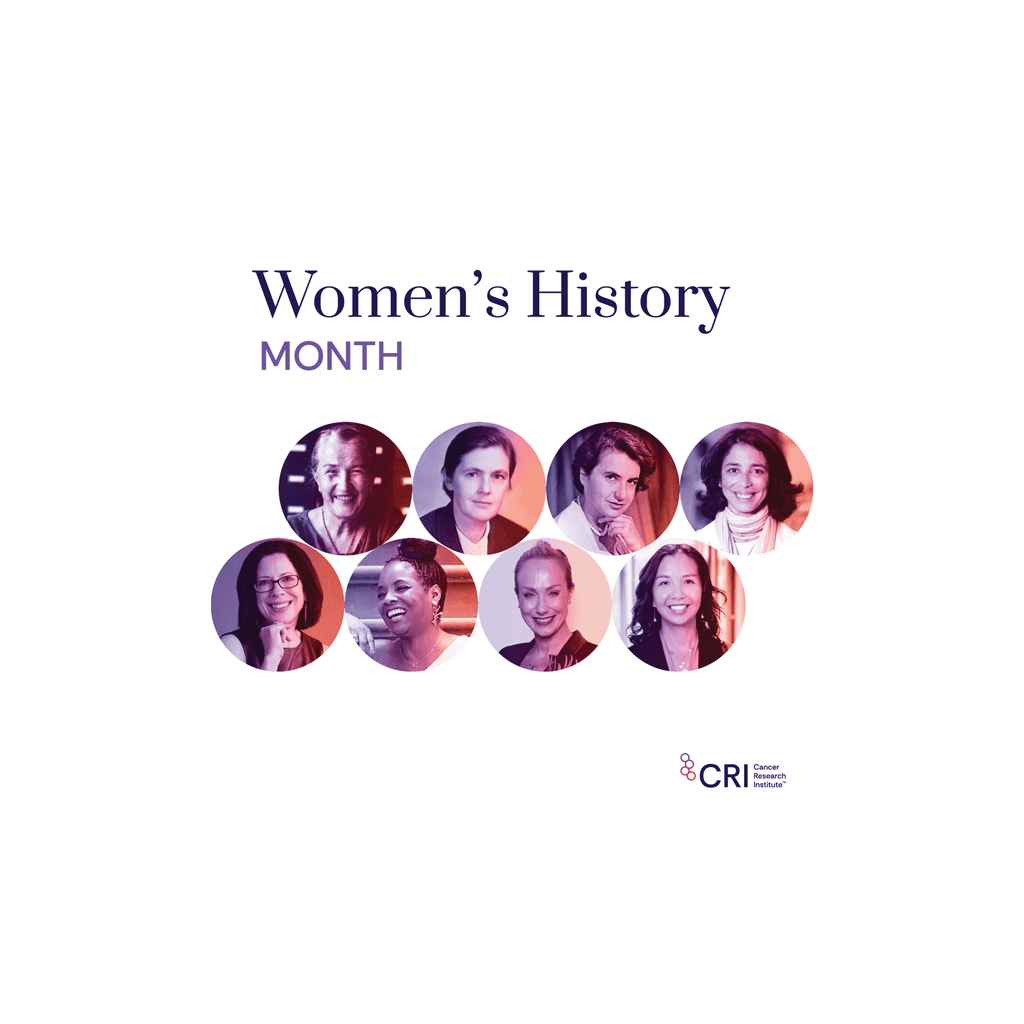
From the pioneers who laid the bedrock of modern biology to the current leaders driving the next generation of cancer immunotherapy, these eight women represent a legacy of curiosity, grit, and scientific integrity. Their collective contributions have redefined how we diagnose disease, how we engineer life-saving treatments, and, perhaps most importantly, how we provide care to patients.
The Chronology of Disruption: A Legacy of Innovation
The history of modern medicine is punctuated by moments where a single individual’s refusal to accept "the way things are" changed the world. This chronology tracks the evolution of scientific breakthroughs through the lenses of these eight trailblazers.
1953: The Birth of Modern Immunotherapy
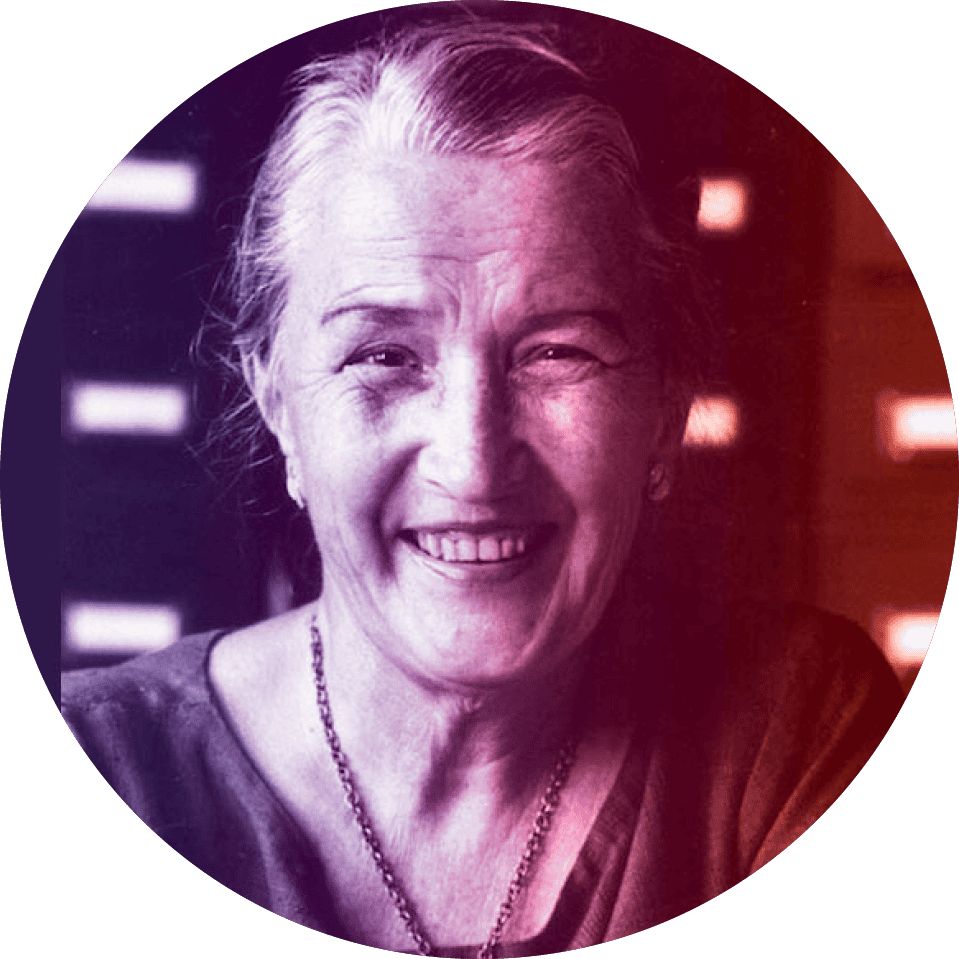
The modern era of immuno-oncology can be traced back to 1953, when Helen Coley Nauts co-founded the Cancer Research Institute. Nauts was not a scientist by trade, but she was a persistent historian. After the death of her father, Dr. William B. Coley, she spent two decades meticulously archiving his clinical notes. She discovered that her father had pioneered an unconventional approach: inoculating patients with bacteria to stimulate the immune system to recognize and destroy tumors. Despite the medical establishment’s skepticism, Nauts’s dedication preserved this knowledge, providing the intellectual scaffolding for the immunotherapy revolution that would arrive decades later.
1953: The Hidden Map of Life
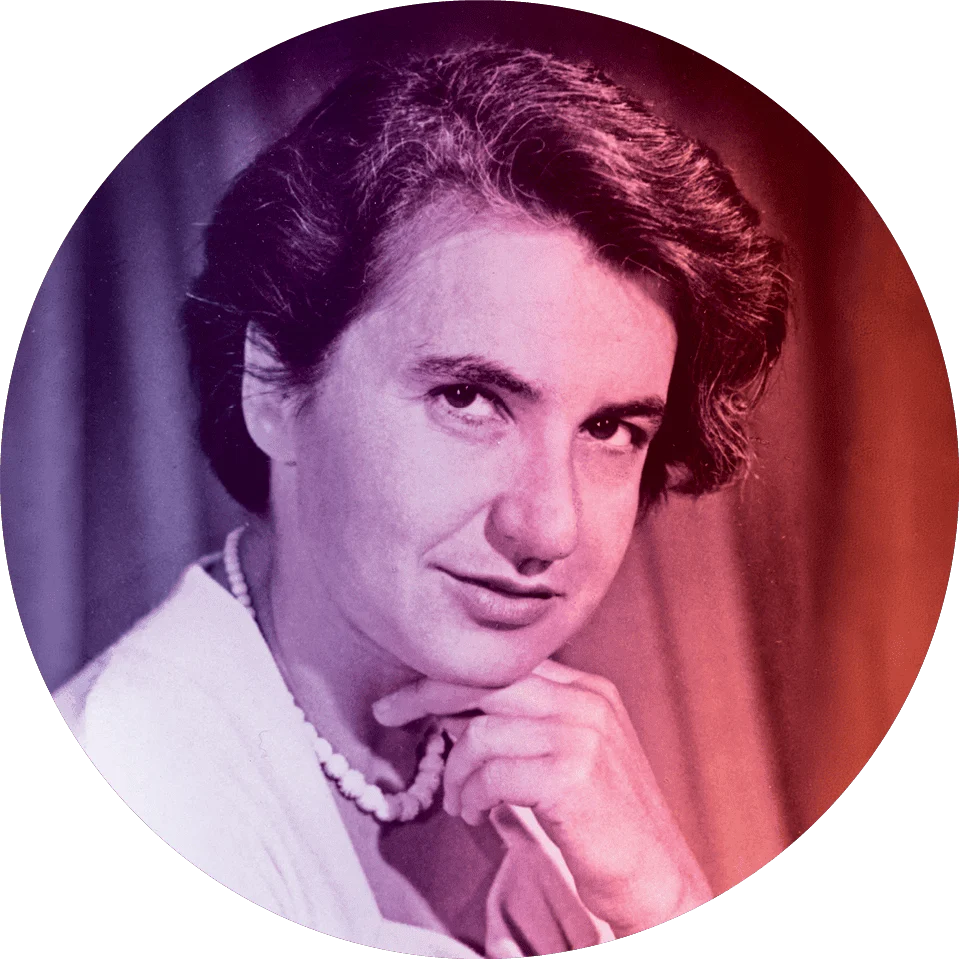
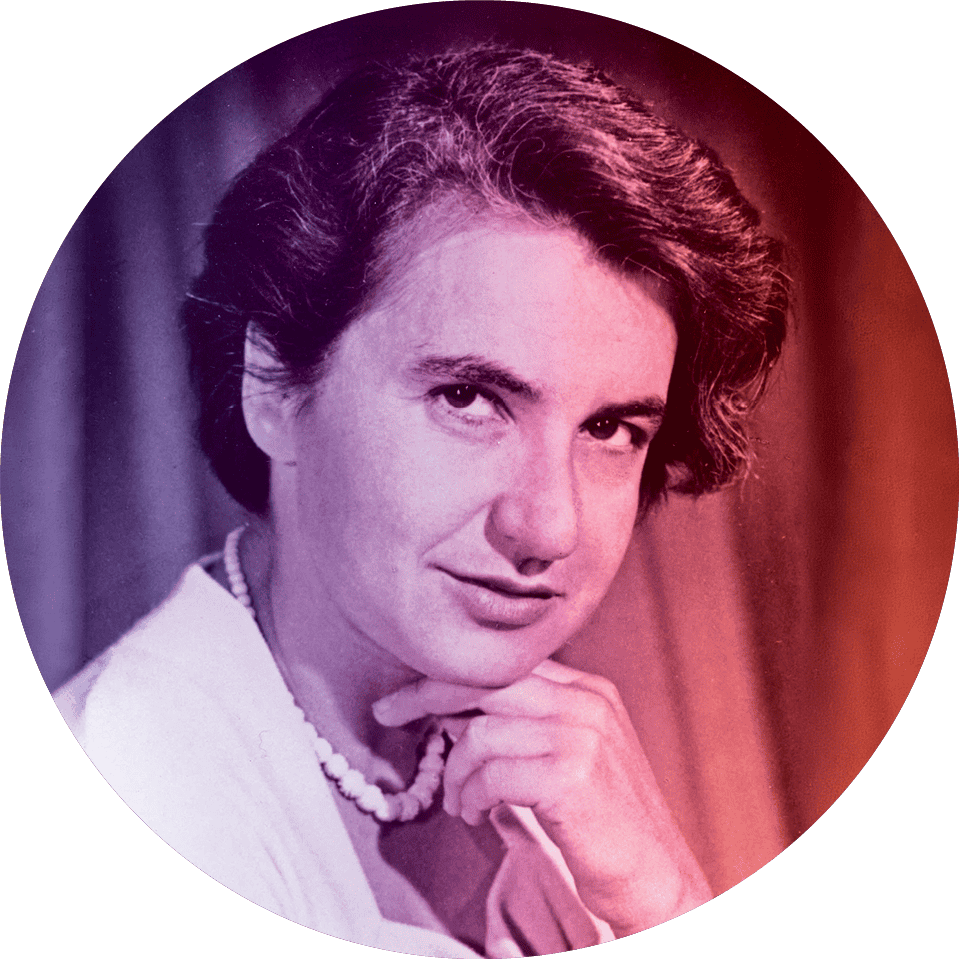
In the same year that CRI was founded, Dr. Rosalind Franklin’s work at King’s College, London, reached its zenith. Through her expert application of X-ray crystallography, Franklin captured "Photograph 51," the definitive image of DNA’s helical structure. While history often focuses on the Nobel Prize winners who utilized her data without her consent, modern science recognizes Franklin as the architect of our understanding of genetics. Her premature death at 37 did not diminish her impact; she remains the cornerstone upon which all contemporary molecular biology—including cancer genetics—is built.
1960: The Sentinel of Safety
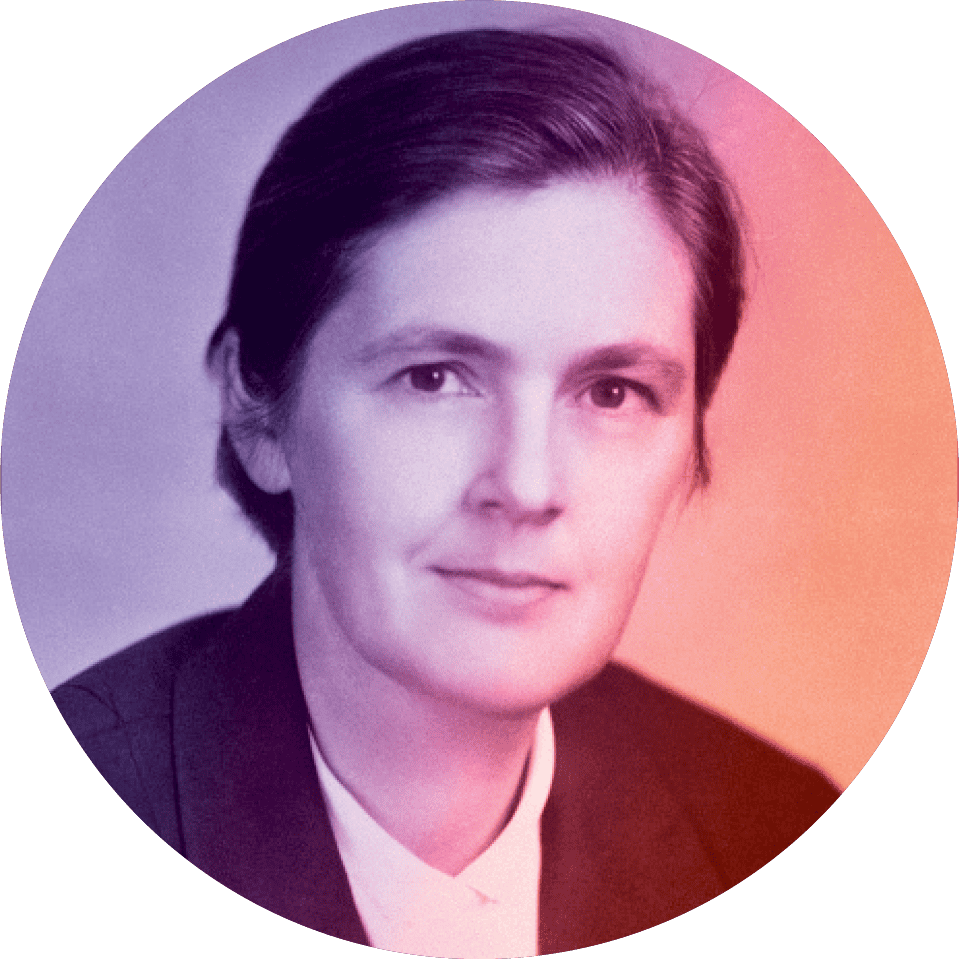
By the early 1960s, the pharmaceutical industry operated with significantly less oversight than it does today. Dr. Frances Kelsey, a newly appointed medical officer at the FDA, was tasked with reviewing the application for thalidomide, a drug widely marketed in Europe for morning sickness. Despite immense pressure from pharmaceutical executives, Dr. Kelsey stood her ground, citing insufficient safety data. Her refusal to approve the drug saved thousands of American infants from the severe birth defects observed abroad. Her integrity didn’t just save lives; it triggered a legislative overhaul of drug regulation in the United States, mandating rigorous evidence of safety and efficacy.
Supporting Data: Translating Research into Reality
The transition from a laboratory bench to a patient’s bedside is the most difficult journey in medicine. Contemporary leaders like Dr. Miriam Merad and Dr. Elizabeth Jaffee are masters of this "translational" bridge.
The Science of the Innate Immune System
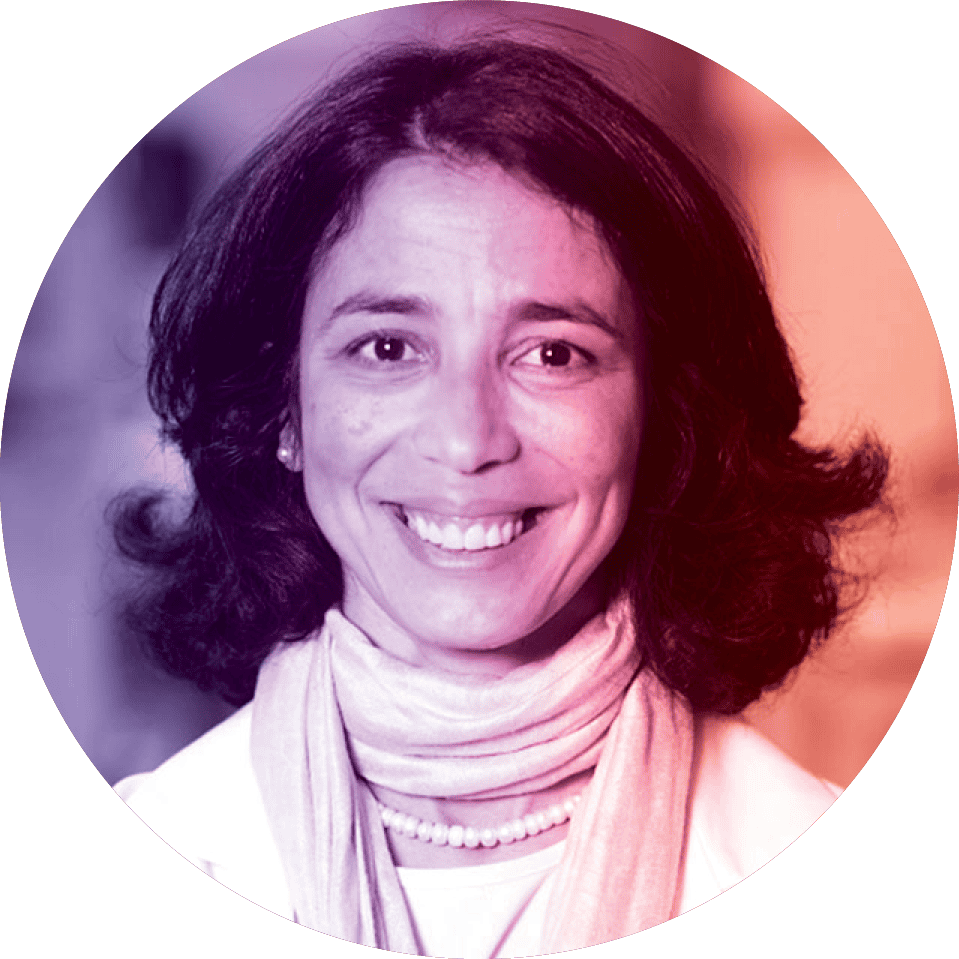
Dr. Miriam Merad, Chair of the Department of Immunology and Immunotherapy at Mount Sinai, has fundamentally changed our perception of the innate immune system. Her research identifies how specific immune cells act as conductors for disease progression. By analyzing primary patient samples within the Mount Sinai ecosystem, her lab accelerates the timeline between discovery and early-stage clinical trials. Her role on the CRI Scientific Advisory Council ensures that this high-level, translational research is prioritized for funding and support.
Vaccine Innovation and Patient Advocacy
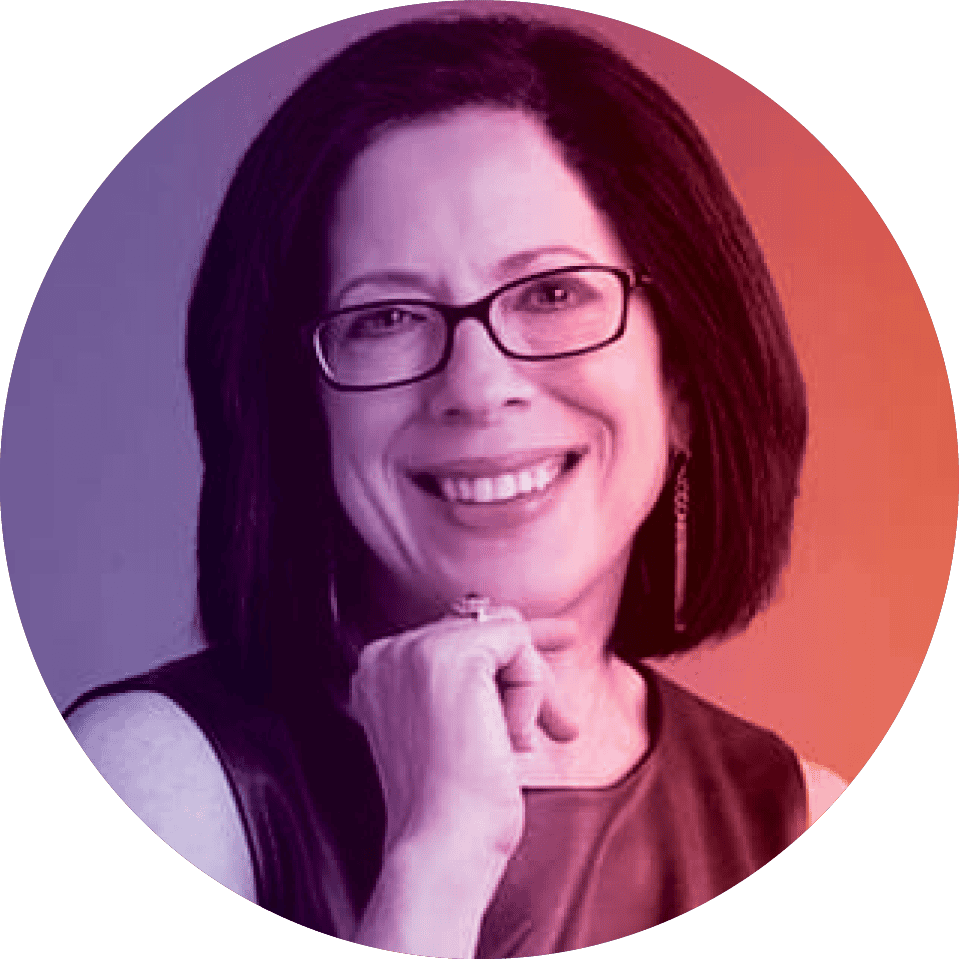
Dr. Elizabeth Jaffee, Deputy Director of the Sidney Kimmel Comprehensive Cancer Center at Johns Hopkins, is pushing the boundaries of what is possible in oncology. Her work in vaccine-based cancer therapies aims to overcome immune tolerance—the mechanism by which tumors hide from the body’s defenses. Her vision is ambitious: a future where pancreatic cancer can be prevented by vaccines rather than treated at a terminal stage. Like Dr. Merad, Dr. Jaffee is a staunch advocate for mentorship, ensuring that the next generation of researchers is as dedicated to patient outcomes as they are to scientific accuracy.
The Patient Perspective: When Data Becomes Life
The ultimate measure of medical science is the survival of the patient. The stories of Karen Peterson and Sharon Belvin are not just narratives of recovery; they are case studies in the power of patient advocacy and clinical trials.
The 4% Chance: Karen Peterson
Diagnosed with stage 4 triple-negative breast cancer, Karen Peterson was given a survival estimate of less than two years. Refusing to accept her prognosis, she leveraged her own research to find a phase 1 immunotherapy trial. She became the first patient with her specific diagnosis to enroll and remains one of the only complete responders. Today, she founded Karen’s Club, an organization specifically designed to empower patients of color to navigate clinical trials. Her work highlights a critical truth: medical equity is as essential as medical discovery.
The Trailblazer of Immunotherapy: Sharon Belvin
At age 22, Sharon Belvin was facing the end of her life due to metastatic melanoma. She was enrolled in the experimental trial for ipilimumab (Yervoy), an immunotherapy that would eventually change the standard of care for millions. Her recovery was near-miraculous, and she has remained cancer-free for decades. Belvin now serves as a bridge between the research community and those currently fighting, proving that investments in "high-risk" research pay off in the most meaningful currency of all: time.
Official Perspective: Leading Through Integration
As the current CEO of the Cancer Research Institute, Dr. Alicia Zhou represents the synthesis of these legacies. Her leadership style bridges the gap between raw scientific discovery and large-scale public health implementation.
"Under Dr. Zhou’s guidance, CRI is not only funding research; we are actively shaping the ecosystem of global collaboration," says a spokesperson for the institute. "Her background—from directing large-scale COVID-19 diagnostics to partnering with the NIH—demonstrates that the future of cancer care relies on data-driven, equitable, and rapid implementation."
Dr. Zhou’s focus on expanding access to clinical trials mirrors the efforts of the advocates highlighted in this article. By convening the world’s best minds, she is ensuring that the discoveries made in labs like those of Drs. Merad and Jaffee reach the patients who need them most.
Implications for the Future of Medicine
The cumulative work of these eight women suggests a shift in the medical paradigm. We are moving away from the era of "one-size-fits-all" chemotherapy and into an age of personalized, immune-based medicine. However, the implications of their work go beyond the biological.
1. The Necessity of Scientific Integrity
Dr. Kelsey’s legacy serves as a constant reminder that regulatory oversight is not a hurdle, but a protective shield for human life. In an age of rapid innovation, the demand for transparency and safety data remains the bedrock of public trust.
2. The Power of "Unconventional" Questions
Helen Coley Nauts proved that a lack of traditional training should not prevent an individual from challenging the medical consensus. Her persistence with "Coley’s Toxins" reminds us that sometimes, the most radical ideas are the ones that have been prematurely discarded.
3. Mentorship as a Systemic Requirement
The focus on mentorship by Drs. Merad and Jaffee illustrates that scientific excellence is not a solitary pursuit. By fostering a culture of collaboration, they ensure that the "chain of discovery" remains unbroken.
4. Patient Empowerment as a Clinical Tool
The successes of Karen Peterson and Sharon Belvin underscore a paradigm shift: the patient is no longer a passive recipient of care but an active participant in the research process. Advocacy groups that translate complex clinical jargon into accessible, actionable information are essential for ensuring that life-saving trials are accessible to all demographics.
Conclusion
As the Cancer Research Institute continues to drive the future of immuno-oncology, the legacy of these eight women serves as both a roadmap and a challenge. Whether it is the microscopic clarity provided by Rosalind Franklin’s crystallography or the systemic, global-scale leadership of Dr. Alicia Zhou, the message is clear: progress is not an accident. It is the result of the courage to challenge convention, the persistence to pursue the "impossible" question, and the unwavering dedication to human life.

The future of science is built by those willing to disrupt the status quo. As we look ahead, the work of these pioneers continues to inform every trial, every vaccine, and every patient success story, proving that the most transformative tool in medicine is, and has always been, the human spirit.