











For many, the image of parenthood is synonymous with constant motion—the frantic morning school run, the floor-level play, and the endless domestic maintenance. But for the millions of parents living with chronic illness and disability, the reality of child-rearing is often fundamentally different. Katie Zinno, a patient advocate and single mother, has become a voice for this often-overlooked demographic, sharing her hard-won strategies for navigating motherhood while managing Ehlers-Danlos Syndrome (EDS), Postural Orthostatic Tachycardia Syndrome (POTS), Mast Cell Activation Syndrome (MCAS), and Sjögren’s.
Her journey, defined by over 40 surgical procedures, highlights a vital shift in perspective: moving away from the societal obsession with "perfect" parenting toward the sustainable, necessary practice of "horizontal parenting."
The Reality of Chronic Illness in the NICU and Beyond
The intersection of motherhood and chronic illness is a complex, often isolating experience. For Zinno, the challenges began with a traumatic birth that resulted in her son being born 11 weeks prematurely. He spent 63 days in the Neonatal Intensive Care Unit (NICU), a period that coincided with the onset of the global COVID-19 pandemic.
Just eight months after finally bringing her son home, Zinno faced an Occipitocervical fusion—a major spinal surgery requiring a neck brace and a lengthy, immobile recovery. “There is no manual for recovering from this kind of major surgery with a small baby during a global lockdown,” Zinno notes. “I realized I had to write the one I wish I’d had.”
1. The Shift to "Presence Over Perfection"
The cornerstone of Zinno’s philosophy is the radical prioritization of connection over the performative aspects of modern parenting. In a culture that equates a clean house and gourmet meals with "good" parenting, those with chronic illnesses often suffer from intense "parental guilt."
Zinno recounts a pivotal moment during her early recovery when she was physically unable to breastfeed. A lactation consultant offered a piece of advice that would become her guiding principle: “He won’t remember breastmilk or formula; he will remember whether you were present.”
This mantra serves as a psychological anchor for disabled parents. By embracing "pajama days" and allowing non-essential tasks like laundry or dishes to slide, parents can preserve their limited physical energy for meaningful interaction. This is not a surrender; it is a strategic allocation of resources.
2. Engineering the Environment for Horizontal Parenting
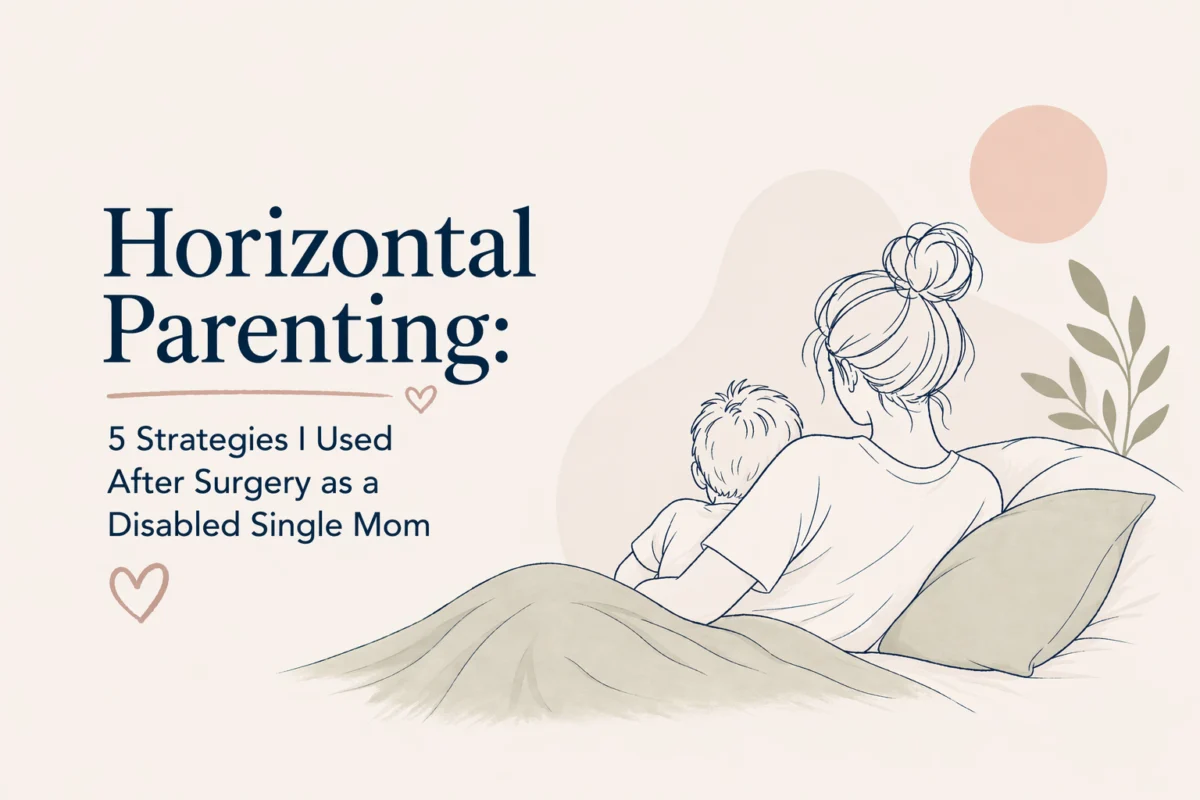
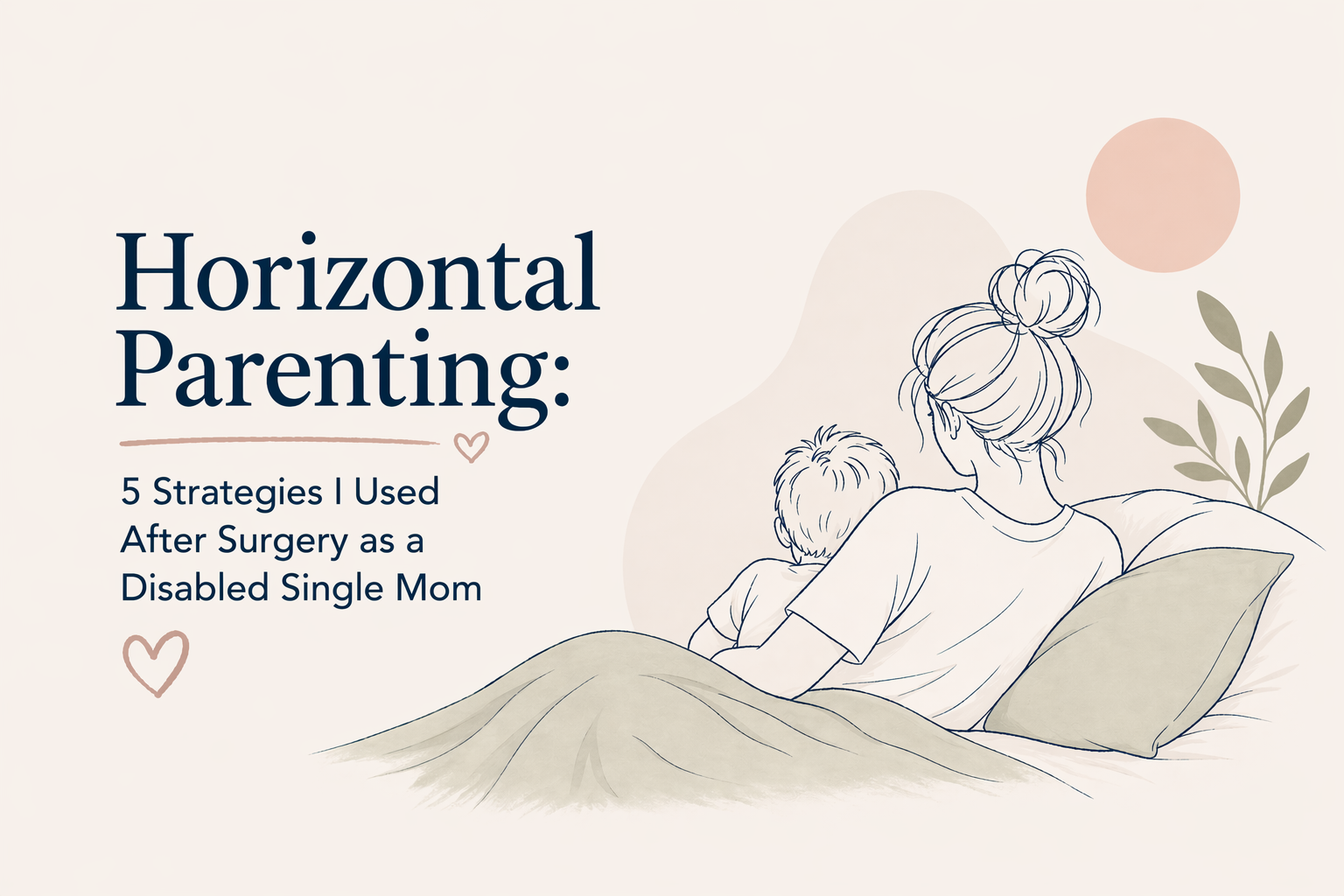
When one’s physical condition limits the ability to stand or carry, the home environment must be re-engineered. "Horizontal parenting"—the practice of engaging, nurturing, and monitoring a child while lying down—becomes a survival mechanism.
- Tactical Placement: Strategically placing supplies like diapers, wipes, and snacks at floor level ensures that a parent can attend to a child’s needs without the physical toll of constant standing or bending.
- Safety First: When parenting from a prone position, child-proofing takes on a new dimension. Ensuring that the space is entirely safe for independent exploration is vital, as the parent may be physically unable to jump up and intervene in a split second.
- Energy Conservation: Utilizing assistive devices and creating "nests" where the parent can be close to the child while maintaining a position that minimizes pressure on the spine or joints is a key component of sustainable caregiving.
3. Designing for Autonomy: The Survival Necessity
As a child grows, fostering independence is a developmental milestone. However, for a medically complex parent, it is a matter of household functionality. Zinno emphasizes that teaching a child how to help themselves—whether it’s retrieving a snack or organizing their own toys—builds both the child’s confidence and the parent’s capacity to cope.
This approach is particularly critical for parents of children with neurodivergence. By creating a space that facilitates autonomy, the parent reduces the "command-and-control" dynamic, instead fostering a cooperative environment where the child learns to navigate their world with agency.
4. Explaining Illness: Leading with Honesty
One of the most profound struggles for disabled parents is the emotional toll of frequent hospitalizations. The frustration of being away from a child, combined with the guilt of "not healing fast enough," can be overwhelming.
Zinno stresses the importance of age-appropriate, honest communication. Children are highly perceptive; when a parent is suffering, children often internalize the tension, wondering if they are to blame or if their parent is in danger.
- Regulated Communication: Before speaking with a child about her limitations or hospital stays, Zinno emphasizes the need for the parent to self-regulate. Bringing fear or frustration into the conversation only increases the child’s anxiety.
- Honesty as Stability: By explaining illness as a consistent, known factor rather than an unpredictable mystery, parents provide their children with a sense of security. It demystifies the "why" behind the parent’s inability to participate in certain activities.
5. Building a Village: The "Don’t Wait" Policy
The pandemic eroded many support systems, leaving many parents isolated. For the disabled community, this isolation was exacerbated. Zinno argues that the "village" is not something one waits to find; it is something that must be actively constructed, even when one feels at their most vulnerable.
Building a community involves:
- Transparent Requests: Being clear with friends and neighbors about what is needed—whether it’s a meal drop-off or an hour of supervision—is vital.
- Reciprocity: Even in a limited capacity, finding ways to engage with the local parent community builds a safety net that is essential during acute health flares.
Implications for the Future of Caregiving
The narrative surrounding disability in parenthood is slowly shifting from one of tragedy to one of adaptation and resilience. As medical advancements continue to support patients with chronic conditions, the number of disabled parents will likely rise, necessitating a broader societal understanding of what "adequate" parenting looks like.
The medical community and social support networks must recognize that parenting is not a one-size-fits-all endeavor. Health professionals should consider the "caregiving load" when designing treatment plans for parents. Furthermore, societal expectations of parenting must be expanded to include diverse physical abilities.
Conclusion: You Are Enough
The lesson from Zinno’s journey is clear: the worth of a parent is not measured by their physical stamina, but by the quality of the bond they maintain with their child. The struggle to feel "enough" is a testament to the depth of a parent’s love. By letting go of the performative aspects of society and focusing on genuine presence, disabled parents can create a rich, nurturing environment for their children—even from the floor.
Disclaimer: This article reflects the personal experiences of the author and is intended for informational and supportive purposes only. It is not medical, parenting, or professional advice, nor does it endorse any specific products. Caregivers should always use appropriate supervision and ensure safety when applying any strategies described. Readers should consult their healthcare providers before making decisions related to their health, treatment, or caregiving practices.