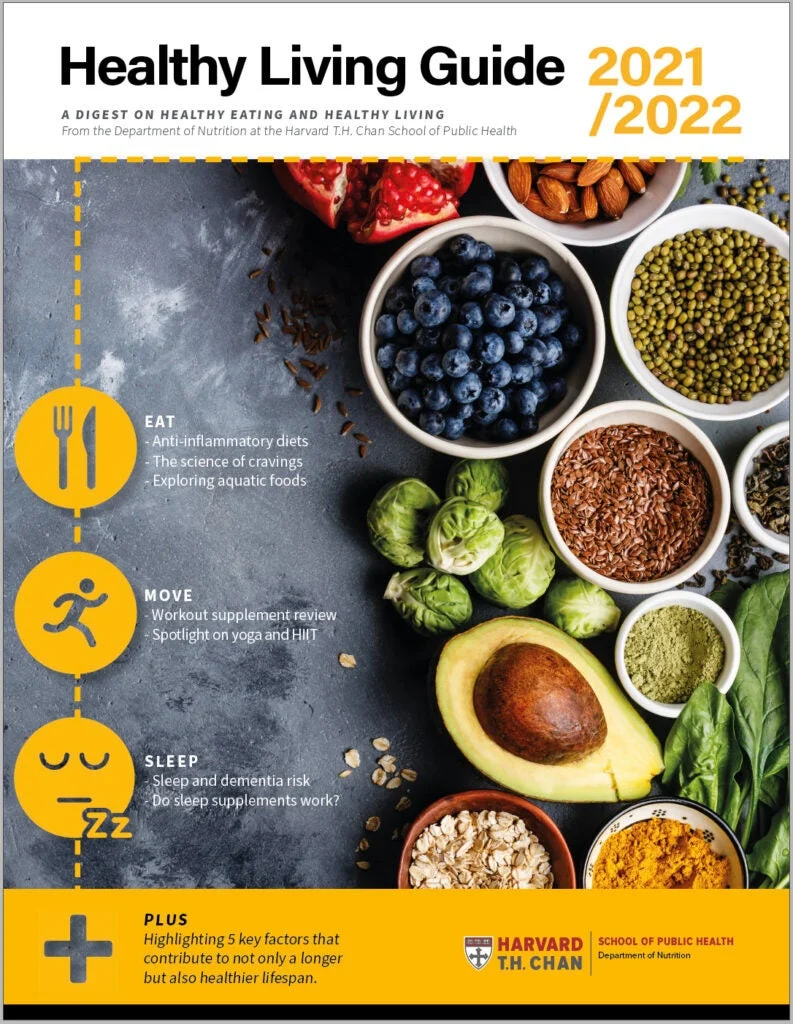
As we emerge from the seismic shifts of the past few years, the definition of "healthy living" has undergone a profound transformation. The global COVID-19 pandemic did more than just alter our work environments and social interactions; it fundamentally reshaped our relationship with nutrition, physical activity, and sleep. To help navigate this evolving landscape, the Harvard T.H. Chan School of Public Health has released its latest Healthy Living Guide, a resource designed to help individuals regain agency over their health in an era of uncertainty.
The State of Our Habits: A Chronological Overview
To understand where we are going, we must first examine where we have been. The trajectory of consumer behavior between 2020 and 2022 offers a fascinating glimpse into human resilience and the struggle to maintain balance under pressure.
The 2020 Disruption: The Era of Lockdown Habits
In 2020, the world shut down, and with it, our access to routine. Overnight, the "kitchen table" became the office, the schoolhouse, and the gym. Data from the International Food Information Council (IFIC) highlighted a massive spike in home-centric behaviors. Cooking at home surged to an all-time high as restaurants shuttered, with 60% of consumers reporting increased time in the kitchen. However, this shift was a double-edged sword: stress-induced snacking became a coping mechanism, with 32% of Americans reporting that they were snacking more, and 20% admitting to eating more in general.
The 2021 Transition: A Return to the "New Normal"
By 2021, the initial shock of the pandemic had settled into a "new normal." The data from that year reveals a fascinating recalibration. As society began to reopen, the urgency of the 2020 lifestyle began to wane. Snacking behaviors dropped significantly, with only 18% of consumers reporting an increase—a sharp decline from the previous year. Similarly, reports of overeating dropped to 11%. However, this normalization came with a trade-off: home cooking rates fell to 47%, suggesting that as time constraints returned, many consumers reverted to the convenience of pre-pandemic dietary habits, which are often less nutritious.
2022 and Beyond: The Search for Sustainability
As we moved into 2022, the focus shifted from survival to sustainability. The current discourse is no longer about temporary fixes for lockdowns but about building robust, long-term health foundations. This includes addressing the "hidden" pandemic impacts: the mental health toll, the disruption of sleep hygiene, and the widening chasm of food insecurity that continues to affect vulnerable populations.
Supporting Data: Understanding the Trends
The shift in consumer behavior is not merely anecdotal; it is backed by empirical data that highlights both positive trends and areas of concern.
- Snacking Patterns: The 14-point drop in increased snacking between 2020 and 2021 suggests a stabilizing of emotional eating triggers. However, the reliance on processed, shelf-stable goods remains higher than pre-2020 levels.
- Home Cooking Disparities: While the drop in home cooking (from 60% to 47%) is statistically significant, it hides a deeper reality. Food security, a critical determinant of health, remains a persistent challenge. Data indicates that lower-income households continue to face systemic barriers to accessing fresh, whole foods, a gap that widened significantly during the pandemic’s supply chain disruptions.
- The Global Health Gap: Beyond the United States, the pandemic has been a stark reminder of global inequality. The emergence of new variants serves as a sobering indicator that public health cannot be siloed. Vaccination rates in low- and lower-middle-income countries remain a critical, unaddressed pillar of global stability.
Official Responses and Expert Recommendations
Health organizations and research institutions have responded to these findings by emphasizing that healthy living is not a static goal but a continuous process. The consensus among nutritionists and public health experts is that the "all-or-nothing" approach to diet and exercise is the primary reason for failure.
The Pillars of Resilience
The current Healthy Living Guide advocates for three foundational pillars:
- Intentional Nutrition: Moving away from restrictive dieting toward whole-food, plant-forward eating patterns. This includes prioritizing fiber, healthy fats, and adequate hydration over calorie counting.
- Adaptive Physical Activity: Recognizing that for many, the "gym" is no longer the primary site of exercise. Incorporating movement into daily life—walking meetings, home-based strength training, and active commuting—is being promoted as a more sustainable alternative to rigid workout routines.
- Sleep Hygiene: Perhaps the most overlooked aspect of the pandemic, sleep quality plummeted as screens dominated our leisure time. Experts now call for strict digital boundaries and the prioritization of circadian health as a precursor to physical wellness.
Implications for Public Health and Policy
The implications of these trends are far-reaching. If we continue to rely on individual willpower alone to solve nutrition crises, we will fail. Public health policy must address the structural barriers to health.
Addressing Food Insecurity
The survey findings regarding food security are a clarion call for policy intervention. Access to healthy food is not just a personal choice; it is a matter of urban planning, economic stability, and supply chain management. When home cooking declines, it is often a result of time poverty and food deserts. Policy must focus on subsidizing fresh produce and expanding nutrition assistance programs that were bolstered during the pandemic but are now at risk of being rolled back.
The Role of Vaccination and Global Equity
The pandemic is not over until it is over everywhere. The Harvard T.H. Chan School of Public Health and other global health advocates stress that the "sobering reminder" of new variants is a direct result of global vaccine inequity. A healthy society requires a global perspective; investing in the health of lower-income nations is, effectively, an investment in the health of the global economy and local communities.
Toward a Healthier 2022 and Beyond
As we move forward, the goal is to synthesize the lessons of the last two years into a cohesive strategy for longevity. The Healthy Living Guide provides a roadmap, but the implementation rests with the individual.
Practical Tips for Sustainable Living
- Audit Your Environment: Remove the "trigger" foods that led to the snacking surges of 2020. Replace them with nutrient-dense alternatives that are just as accessible.
- Schedule Movement: Treat physical activity with the same importance as a work meeting. If it isn’t on the calendar, it is easily displaced.
- Prioritize Sleep: Treat the hour before bed as a sacred time for recovery. Limit blue light exposure and create a cool, dark environment to ensure high-quality rest.
Conclusion: A Personal Commitment to Change
The data from the past two years shows that while we are adaptable, we are also prone to falling back into old, less-healthy patterns when the pressure of crisis eases. The challenge for the coming year is to maintain the positive habits we formed—the home cooking, the family walks, the increased awareness of our health—without the necessity of a global emergency to drive us.
We invite you to engage with the resources provided by the Healthy Living Guide. Whether you are looking for printable tip sheets to pin on your refrigerator or deep-dive research into the latest in nutritional science, these tools are designed to empower you.
Download the Healthy Living Guide (PDF)
In the final analysis, health is not a destination; it is the journey we take every day. By understanding the data, acknowledging our challenges, and committing to small, consistent changes, we can build a future that is not only healthier but more resilient in the face of whatever the next "new normal" may bring. Test your knowledge, apply the research, and make this year your healthiest yet.