Published: 16 April 2026
In the global fight against respiratory diseases, the collective voice of patient organizations has never been more vital. As of April 2026, advocacy groups across Europe, South America, and beyond are scaling up their efforts, launching innovative campaigns to bridge the gap between clinical research and the lived experiences of patients. From the halls of policy-making in Rome to the grassroots health initiatives in Colombia, the month of April marks a significant period of progress in the quest for early diagnosis, improved patient education, and enhanced quality of life for millions.
This roundup provides an in-depth examination of the latest activities, campaigns, and strategic initiatives shaping the respiratory health landscape.
Main Facts: The Pulse of Global Advocacy
April 2026 has been defined by a concerted shift toward proactive, rather than reactive, patient care. The primary objective shared by these diverse organizations—ranging from sleep apnea specialists in Italy to asthma advocates in Colombia—is the eradication of the "diagnosis gap." Many respiratory conditions, such as Alpha-1 antitrypsin deficiency (AATD) and sleep apnea, remain chronically under-diagnosed, leading to long-term health degradation that is often preventable.
The following core themes dominate this month’s landscape:
- Early Intervention: Prioritizing diagnostic tools that reach patients before symptoms become debilitating.
- Digital Empowerment: Utilizing social media and global streaming platforms to de-stigmatize lung conditions.
- Integrated Care: Moving beyond singular medical treatments to include psychological support, patient navigation, and environmental well-being.
- Professional Collaboration: Strengthening the link between patient organizations and the clinical community, ensuring that patient voices inform medical research.
Chronology of Key Initiatives: April 2026
The breadth of activity this month demonstrates the diverse strategies being deployed to tackle respiratory health challenges.
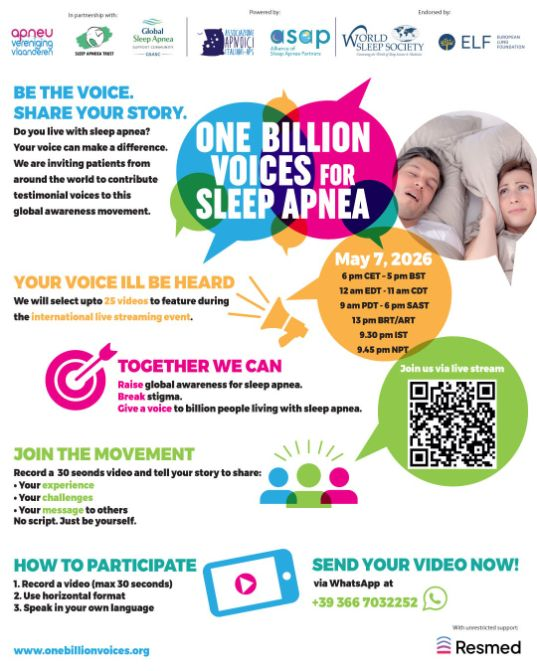
- 17–18 April: Amici Contro la Sarcoidosi Italia (ACSI) hosts its 5th National Conference in Rome, focusing on the intersection of medical innovation and patient quality of life.
- March–April 2026: The launch of the "Health from Nature" programme in Finland, championed by Hengitysliitto, signals a move toward holistic health.
- Ongoing: The Polish Federation of Asthma, Allergies and COPD Patients’ Associations presents the "My Life with COPD" report in Warsaw, setting a benchmark for patient-led qualitative research.
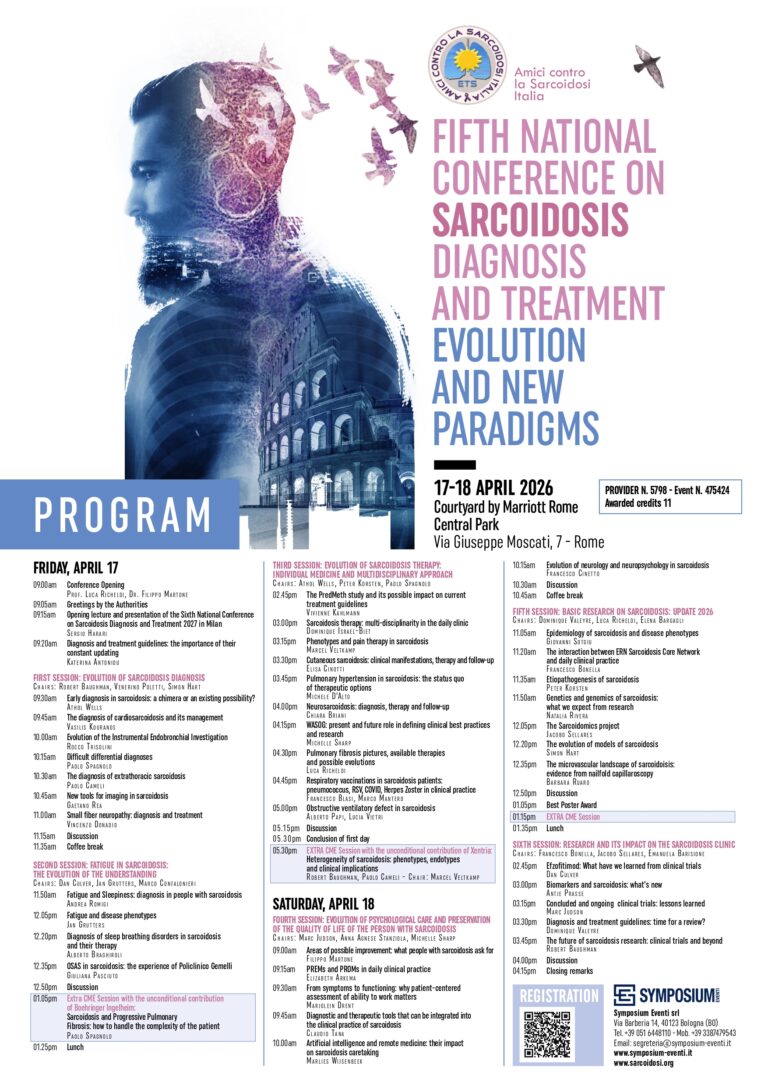
- Upcoming (7 May 2026): The "One Billion Voices for Sleep Apnea" event, a global milestone coordinated by AAI and ASAP, aims to unify the voices of those affected by the world’s most common sleep-related breathing disorder.
Deep Dive: Campaign Highlights
1. One Billion Voices for Sleep Apnea
Sleep apnea is a global public health crisis that often goes unrecognized, affecting over one billion individuals. The One Billion Voices for Sleep Apnea initiative, organized by the Associazione Apnoici Italiani (AAI) and the Alliance of Sleep Apnea Partners (ASAP), represents a paradigm shift in how we view the condition. By inviting patients to share 30-second personal stories via video, the campaign humanizes the statistics. Endorsed by the European Lung Foundation (ELF), this event scheduled for May 7th is not merely a conference—it is a global call to action to reduce the stigma surrounding CPAP use and sleep-related breathing disorders.
2. "The Missing Piece": AATD Awareness
The Alpha-1 Europe Alliance has launched "The Missing Piece," a campaign targeting the critical lack of awareness regarding Alpha-1 antitrypsin deficiency (AATD). Because symptoms often mimic other lung conditions like COPD or asthma, many patients go years without an accurate diagnosis. The campaign uses simplified educational visuals to empower both the public and medical stakeholders, emphasizing that a missing diagnosis is often the missing piece in a patient’s treatment puzzle.

3. Transforming Asthma Care in Colombia
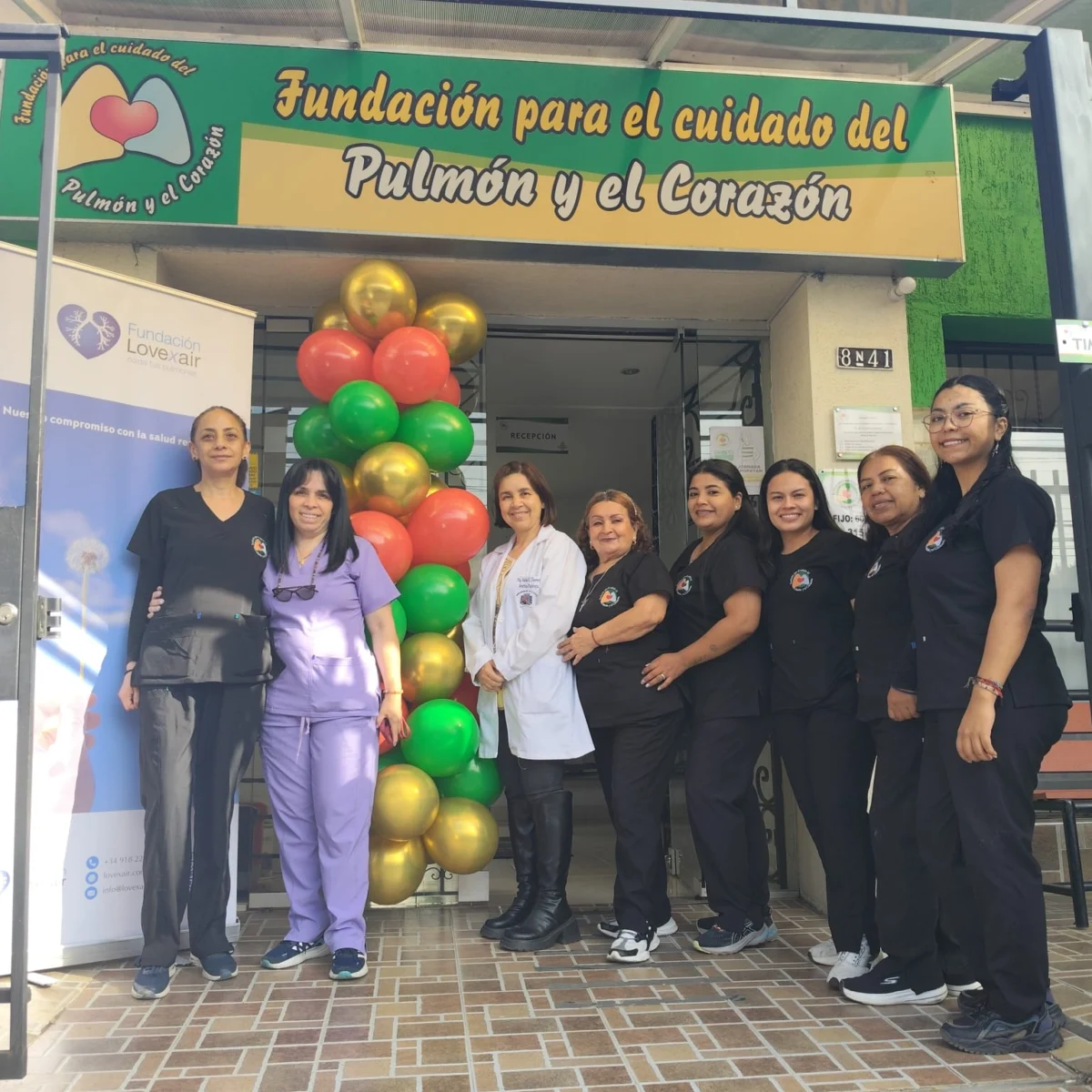
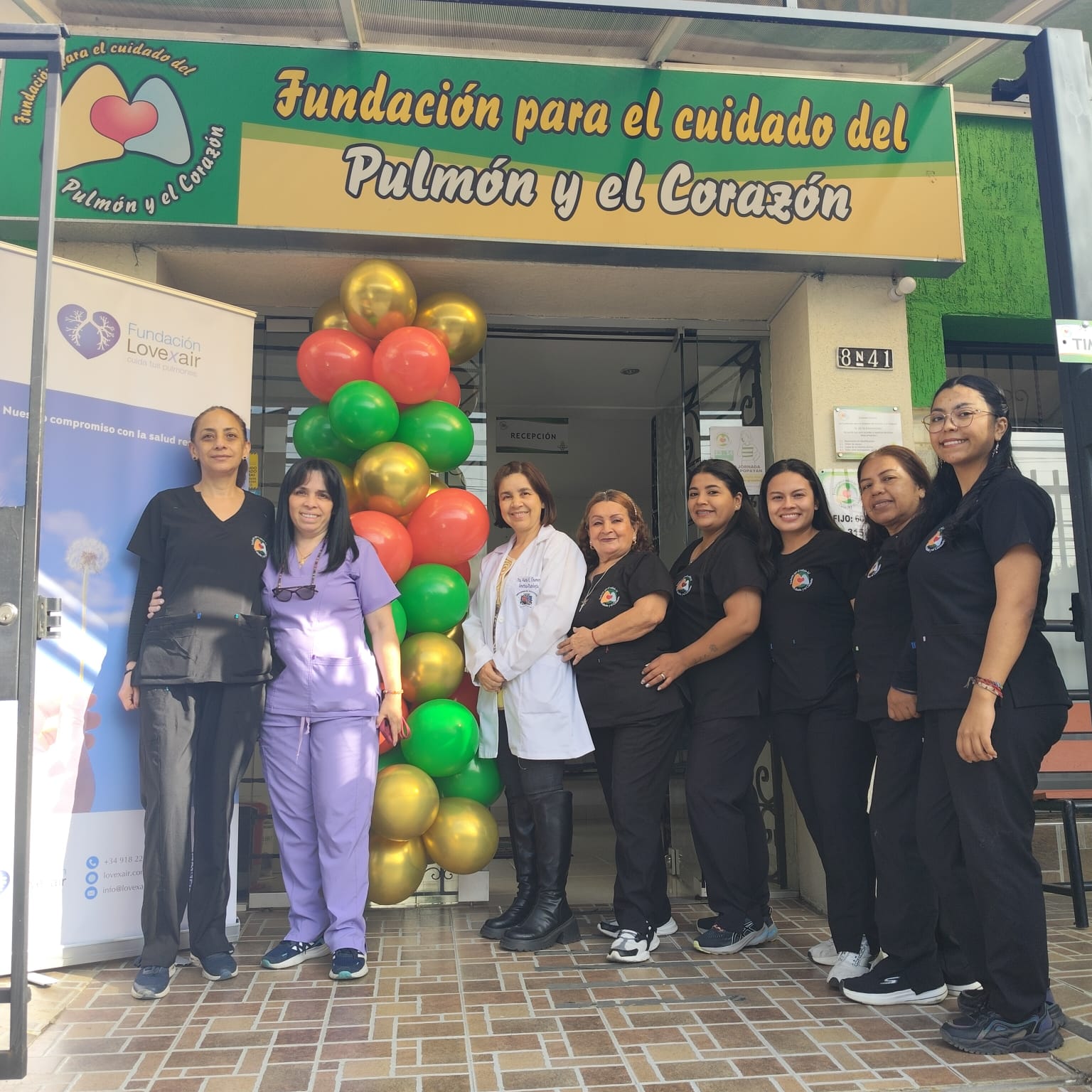
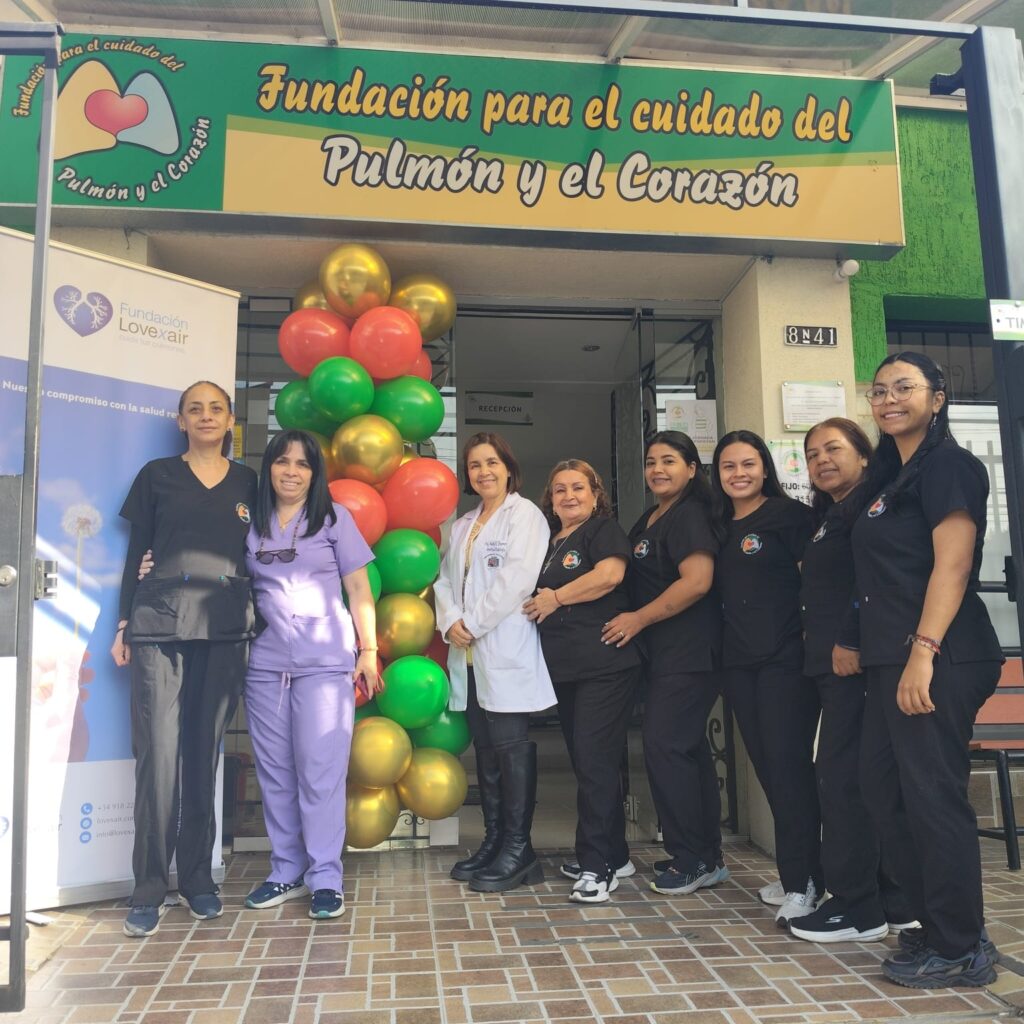
In a powerful display of international knowledge exchange, the Lovexair Foundation and the Pulmonary and Heart Foundation have implemented a national program in Colombia. By providing comprehensive, integrated care—combining diagnosis, education, and medical treatment—the program has reached over 200 participants in its initial phase. The identification of previously undiagnosed airway problems in these patients underscores the necessity of proactive screening, even in resource-constrained settings.
4. Maternal RSV Awareness
Respiriamo Insieme is leading the charge on early-life respiratory health with its Maternal RSV campaign. Recognizing that respiratory syncytial virus (RSV) remains a significant threat to infants, the organization has pivoted toward preventative education starting during pregnancy. By providing accessible information on early diagnosis and management, they are equipping parents with the tools to navigate the risks associated with RSV, effectively shifting the focus toward maternal health as a foundation for infant respiratory resilience.

Supporting Data: Research and Evidence
The effectiveness of these initiatives is rooted in rigorous data and real-world evidence.
- The Polish COPD Report: The report "My Life with COPD" provides a sobering look at the psychological and social burden of living with the condition. By grounding their advocacy in patient-led research, the Polish Federation of Asthma, Allergies and COPD Patients’ Associations is successfully influencing the policy dialogue in Warsaw, proving that qualitative patient data is just as critical as clinical trial results.
- Finnish Nature Research: The "Health from Nature" program, supported by Hengitysliitto, is backed by emerging research that suggests a direct correlation between regular exposure to natural environments and improved lung function and mental well-being. This reflects a modern, multi-disciplinary approach to respiratory management that goes beyond the pharmacy.
- The Power of Patient Navigators: In Costa Rica, the certification of patient navigators, such as Leidy Maritza, marks a data-driven improvement in healthcare outcomes. Research shows that patients who receive guidance through complex medical systems experience higher adherence to treatment and better overall health outcomes.
Official Responses and Strategic Implications
The shift in advocacy strategy toward "patient-expert collaboration" has been met with positive reception from the clinical community.
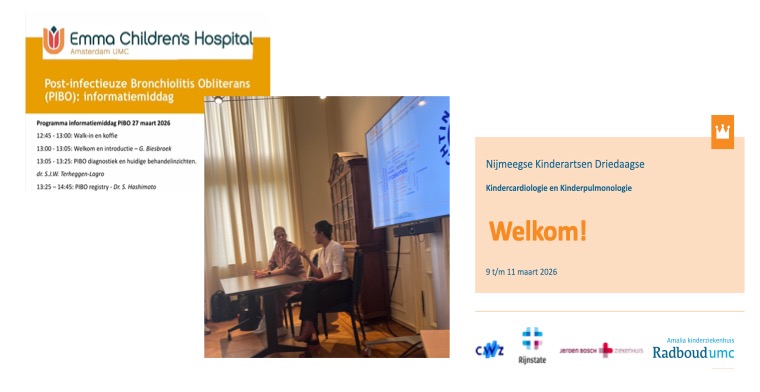
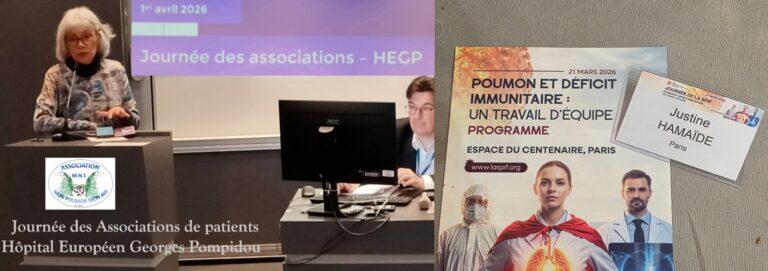
"The integration of patient voices into the clinical setting is no longer a luxury—it is a medical necessity," stated representatives at the Society of Pneumology of Île-de-France (SPIF), following their recent collaboration with the MNT Mon Poumon Mon Air organization. By inviting patient groups to present directly to specialists, medical institutions are acknowledging that the ‘lived experience’ of the patient offers insights that clinical charts often miss.
Policy Implications
The cumulative impact of these campaigns is significant:
- Earlier Diagnosis: By increasing public awareness, we reduce the burden on emergency services caused by late-stage diagnosis.
- Resource Allocation: Data gathered from initiatives like those in Colombia provide governments with the "real-world" evidence needed to justify funding for respiratory health programs.
- Standardization of Care: Through conferences like the one hosted by ACSI in Rome, standardized practices for managing rare diseases like sarcoidosis are being disseminated globally, ensuring that a patient in a rural area receives care equivalent to that in a major city.
Conclusion: A Path Forward
The patient organizations featured in this month’s roundup are doing more than simply providing support; they are acting as catalysts for systemic change. By bridging the divide between the laboratory and the living room, these groups are ensuring that the global respiratory community is more connected, better informed, and increasingly empowered.
As we look toward the remainder of 2026, the success of these initiatives rests on continued collaboration. Whether it is through the digital storytelling of the sleep apnea community, the clinical-patient partnerships in France, or the nature-based health strategies in Finland, the message remains the same: Respiratory health is a global priority that requires a unified, patient-centered approach.
For those interested in contributing to these efforts or staying informed on the latest research, we encourage you to join the mailing lists of these respective organizations. Your voice is the most powerful tool in the fight for better lung health.
Disclaimer: This report summarizes activities provided by various patient organizations. For more information on specific campaigns, please visit the links provided by the respective organizations.