By Editorial Staff
For many, the “empty nest” phase of life represents a threshold—a long-awaited opportunity to trade the responsibilities of child-rearing for the boundless horizons of global exploration. For Ellen Lenox Smith and her husband, the plan was meticulous: first, a comprehensive tour of all 50 United States, followed by an ambitious series of international voyages to immerse themselves in foreign cultures. However, life rarely adheres to a carefully curated itinerary.
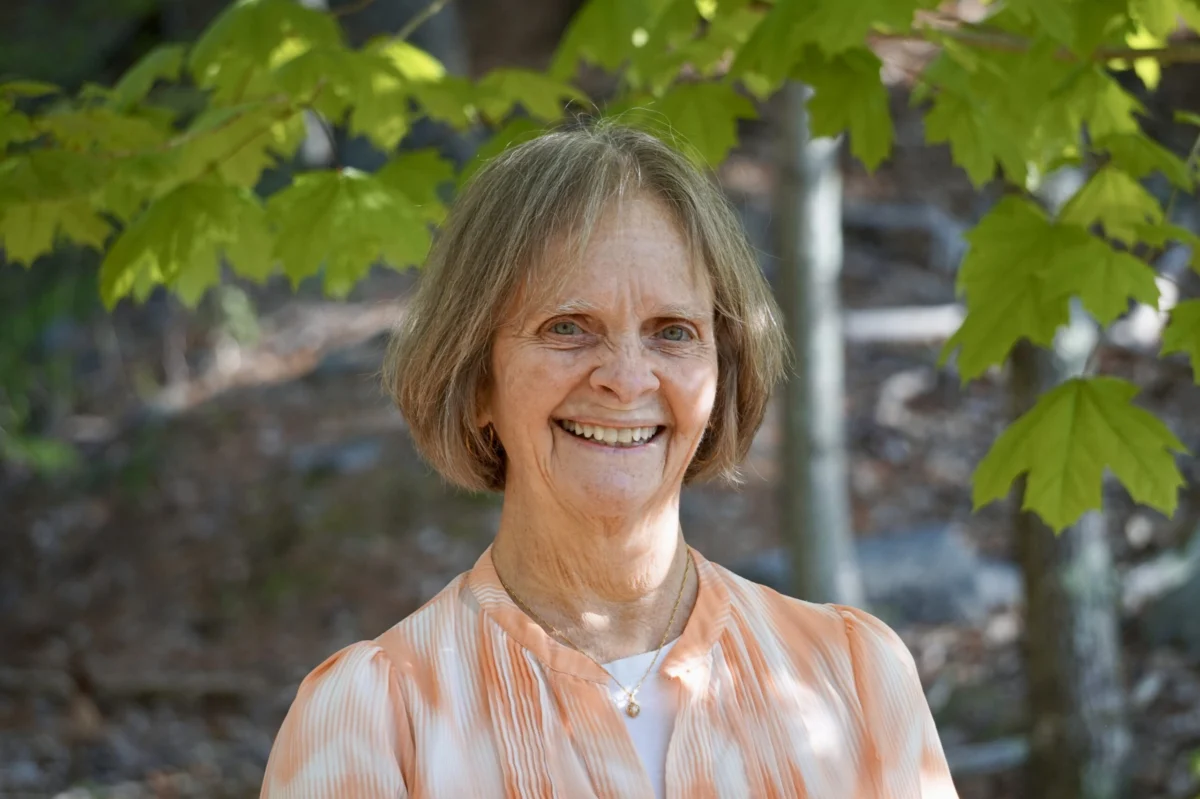
In a profound reflection on resilience, chronic illness, and the power of perspective, Smith—a noted advocate and author—shares a narrative that resonates with millions of individuals living with invisible and progressive disabilities. Her story is not merely one of loss, but a masterclass in psychological adaptation and the human capacity to find beauty in the unconventional.
The Chronology of an Unexpected Journey
The transition from a life of active planning to one defined by medical management was neither swift nor singular. It was a gradual erosion of physical autonomy that forced a complete recalibration of the couple’s future.
The Onset of Medical Complexity
At age 54, Smith received a diagnosis that would fundamentally alter the trajectory of her life: Ehlers-Danlos Syndrome (EDS). EDS is a group of rare, inherited conditions that affect connective tissue, providing structure to blood vessels, skin, and organs. For Smith, the diagnosis arrived after years of underlying health issues, eventually necessitating more than 28 corrective surgeries.
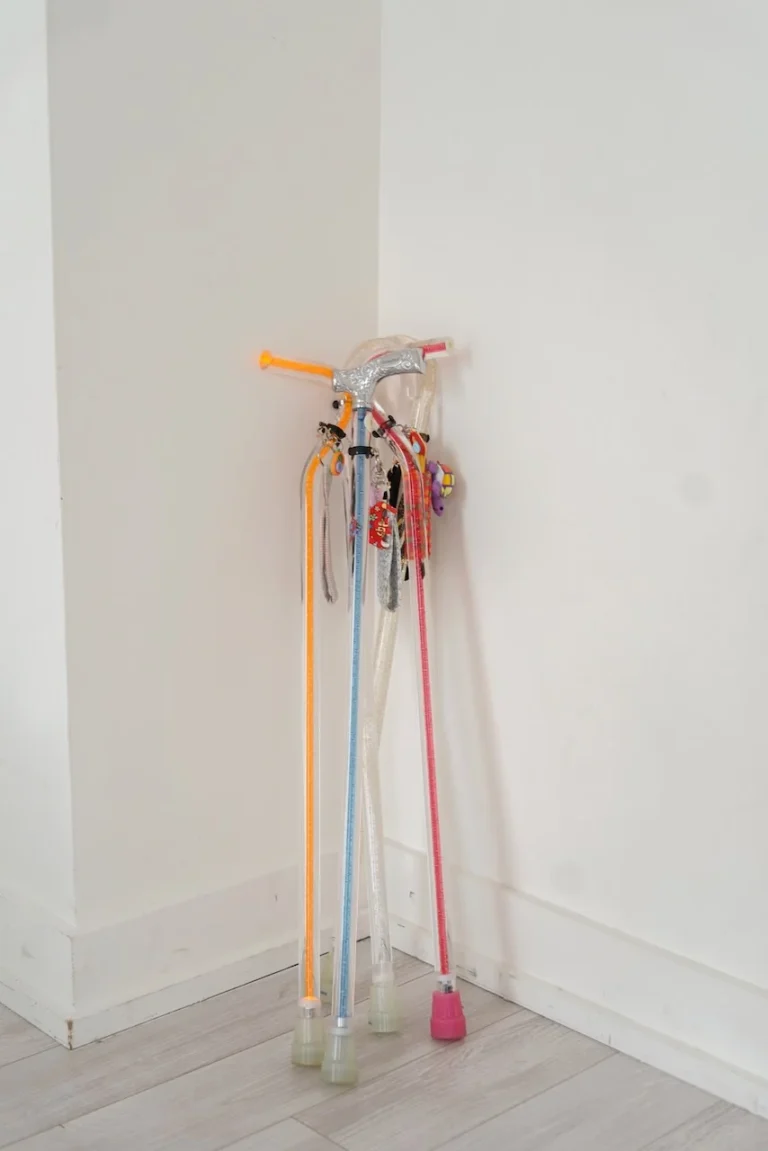
The physical toll was severe. Smith spent four consecutive years confined to a wheelchair, enduring grueling months of rehabilitation. Even today, her existence is dictated by the daily, rhythmic struggle to manage the progression of her symptoms—a reality that demands constant vigilance and physical endurance.
The Dual Burden
As Smith began to forge a “new normal,” the family faced a secondary blow. Four years ago, her husband began exhibiting symptoms that culminated in a diagnosis of Parkinson’s disease. A progressive neurological disorder that impacts movement and cognitive function, Parkinson’s added a layer of complexity to a household already centered on medical maintenance.
What was once a household defined by the potential for discovery became a home defined by the necessity of care. The dreams of cross-country road trips and international air travel were quietly shelved, replaced by the immediate, practical challenges of maintaining quality of life while navigating chronic, degenerative conditions.
Supporting Data: The Prevalence of Chronic Illness and Lifestyle Disruption
The experiences of the Smiths are statistically representative of a growing demographic. According to the Centers for Disease Control and Prevention (CDC), six in ten adults in the United States live with at least one chronic disease, and four in ten live with two or more.
The Psychological Toll of Disability
The emotional impact of these conditions is often categorized as “chronic sorrow” or the mourning of a life that might have been. Research in health psychology suggests that individuals dealing with late-onset disability often experience a profound identity crisis. The transition from being an active, mobile individual to one who requires medical assistance creates a vacuum where the former sense of self once resided.
Experts in rehabilitation medicine emphasize that the “lemonade out of lemons” philosophy mentioned by Smith is supported by psychological resilience models. Cognitive reframing—the process of identifying and challenging irrational or maladaptive thoughts—is a primary tool used in chronic pain management. By shifting the focus from what has been lost to what can still be experienced, patients often report higher levels of life satisfaction, despite the physical limitations.
Official Perspectives: Redefining Travel and Access
The concept of "vicarious travel" is increasingly being recognized by patient advocacy groups as a valid form of emotional regulation and social connectivity. While physical travel remains an industry dominated by accessibility concerns, the digital age has provided a bridge for those who are homebound.
The Role of Digital Connectivity
Dr. Aris Thorne, a specialist in geriatric medicine, notes that the psychological benefits of "traveling through others" should not be underestimated. "We see a significant decrease in cortisol levels and reported feelings of isolation when patients engage in social storytelling," says Thorne. "Whether it is through high-definition photography, video calls, or written accounts, the act of witnessing the world through a trusted proxy allows the brain to engage in ‘mental travel,’ which stimulates the same neural pathways as physical exploration."
Advocacy groups like the Ehlers-Danlos Society have long championed the idea that mobility is not the only metric of a full life. By fostering communities where members share their experiences, these organizations help individuals redefine their personal narratives, moving away from being defined solely by their diagnosis.
Implications: Finding Agency in Limitation
The shift from being a participant to being an observer is perhaps the most challenging transition for those with chronic illnesses. Yet, Smith’s approach offers a blueprint for reclaiming agency.
Traveling Through Others’ Eyes
Smith’s decision to solicit stories and photos from friends and family members serves as a therapeutic ritual. When her sister traveled to Antarctica, Smith did not merely view the photos; she engaged in a collaborative experience. By asking for details, emotional reactions, and the sensory nuances of the trip, Smith effectively traveled alongside her.
This practice of “proxy exploration” has profound implications:
- Mitigating Social Isolation: It keeps the individual connected to the wider world and their social circle.
- Active Engagement: It transforms the individual from a passive recipient of news into an active curator of shared experience.
- Identity Preservation: It prevents the person from being reduced to their illness, reminding them that they are still a curious, worldly, and engaged human being.
Beyond the Diagnosis
The central tension in the lives of those like the Smiths is the choice between bitterness and adaptation. As Smith poignantly asks, “Will you spend the rest of your life angry, hurt, frustrated, and feeling you were cheated?”
The implication is that acceptance is not synonymous with surrender. It is, rather, a strategic decision to allocate emotional energy toward what is still possible. By embracing the stories of others, those living with disability can broaden their horizons without ever leaving their homes.
Conclusion: Living, Breathing, and Traveling
The narrative provided by Ellen Lenox Smith is a reminder that the definition of a “traveled” life is subjective. While the itinerary may have changed from flight paths and hotel reservations to living rooms and digital galleries, the spirit of curiosity remains intact.
In a world that often prioritizes physical achievement and constant motion, there is a quiet, radical bravery in choosing to find joy within the confines of a medical reality. By transforming the constraints of illness into a lens through which to see the world, the Smiths have demonstrated that one’s identity need not be anchored to a diagnosis.
As Smith concludes, life is an unexpected journey. For those who can no longer travel the physical path they once envisioned, the path through the eyes of others offers a vista just as wide, just as rich, and equally meaningful. May we all find the grace to adapt when our own plans take a detour, and may we continue to see the world—and each other—with the wonder that these experiences deserve.