










Introduction: A Technological Leap in Digestive Health
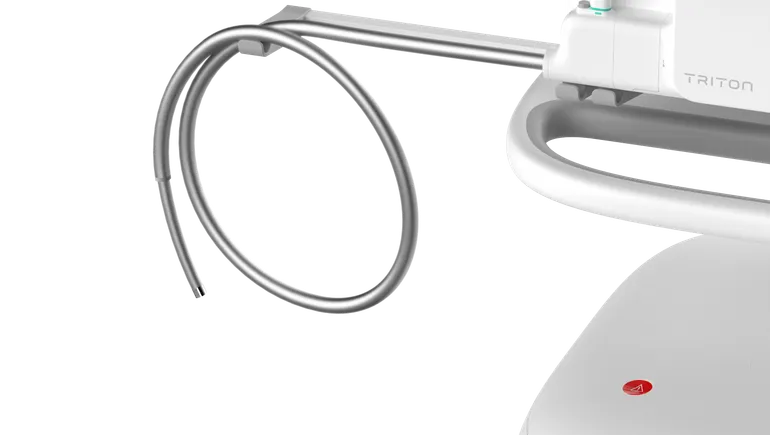
In the high-stakes world of medical robotics, the lower gastrointestinal (GI) tract has long remained a complex frontier. While robotic surgery has seen massive adoption in urology, gynecology, and general surgery, the delicate, high-volume environment of colonoscopy has remained largely reliant on manual dexterity. Burlingame, California-based Neptune Medical is looking to change that narrative with the Triton system, a cutting-edge robotic platform designed to enhance the precision, safety, and efficiency of diagnostic and therapeutic procedures in the lower GI tract.
As demand for colonoscopies surges in the United States due to shifting age guidelines and increased public awareness regarding colorectal cancer, the medical community is facing a capacity crisis. Neptune Medical’s Triton platform represents more than just a new tool; it is a potential solution to physician fatigue and the rising complexity of endoscopic procedures.
Main Facts: What is the Triton System?
The Triton robot is an endoscopic system specifically engineered to assist physicians in performing three primary procedures:
- Diagnostic Colonoscopies: High-resolution visualization for early detection of abnormalities.
- Endoscopic Mucosal Resections (EMR): The removal of cancerous or precancerous lesions within the GI tract.
- Endoscopic Submucosal Dissections (ESD): A more complex, advanced technique for removing deeper or larger tumors.
At its core, the Triton system is designed to provide endoscopists with a stable, ergonomic, and intuitive interface. By automating certain aspects of scope navigation and stabilization, the system aims to reduce the physical toll on physicians while simultaneously increasing the quality of the visual field. Currently, the Triton system remains in the investigative phase; it has not yet received regulatory authorization for sale in the United States or international markets.
Chronology of Development and Financial Milestones
The journey of Neptune Medical from a research-focused startup to a major player in the medtech space has been defined by strategic capital allocation and structural focus.
- Early Development: Neptune Medical spent years iterating on the underlying mechanics of robotic-assisted endoscopy, focusing on how to translate the nuance of human touch into a digital, robotic interface.
- August 2024 (The Financial Catalyst): The company achieved a significant milestone by securing $97 million in a Series D financing round. This round was notably backed by industry heavyweights, including Sonder Capital and Olympus.
- The Strategic Spinout: Concurrent with the Series D funding, Neptune Medical made the strategic decision to spin out its subsidiary, Jupiter Endovascular. This move was not merely administrative; it was a deliberate pivot to sharpen the company’s focus. By divesting the vascular business, Neptune Medical solidified its commitment to mastering the niche, high-growth field of GI robotics.
- Digestive Disease Week (DDW) 2024: The company presented the results of its CARE 1 first-in-human study in Chicago, providing the first major clinical validation of the Triton platform’s efficacy in a real-world setting.
Supporting Data: Clinical Insights from CARE 1
The results of the CARE 1 study are pivotal for the future adoption of the Triton platform. Presented at the prestigious Digestive Disease Week conference, the data offered a glimpse into how the technology performs in the hands of clinicians.
Key Performance Metrics:
- Polyp Detection Rate (PDR): The study reported a 67.5% detection rate. In the world of gastroenterology, the PDR is a critical benchmark; higher detection rates are directly correlated with lower rates of interval colorectal cancer.
- Adenoma Detection Rate (ADR): The study showed a 54.2% ADR. This is a vital metric, as adenomas are the precursor lesions that, if removed, prevent the development of colon cancer.
- Ergonomic Efficacy: Beyond the raw detection numbers, the study highlighted a significant improvement in physician ergonomics. Endoscopy is a physically demanding specialty that often leads to musculoskeletal injuries in practitioners. The Triton system’s design allows for a more neutral posture, reducing the repetitive strain associated with manual scope control.
These results, while early, provide a compelling argument for the integration of robotics into the standard endoscopy suite.
Official Responses and Expert Commentary
The medical community has received these preliminary findings with optimism, particularly regarding the potential to mitigate the chronic fatigue that plagues high-volume GI centers.
Dr. Jason Samarasena, Chief of Gastroenterology and Hepatology at the University of California, Irvine, and a primary investigator in the CARE 1 study, emphasized the dual benefit of the system: clinical outcomes and physician longevity.
"These early promising results suggest that Triton may enable us to perform a large number of high-quality colonoscopies in a day with minimal fatigue, empowering us to respond to increasing colonoscopy demands in the United States," said Dr. Samarasena.
The sentiment from the investigators underscores a critical reality in modern medicine: technology must serve both the patient and the provider. If a device can improve the ADR while simultaneously preventing physician burnout, it is poised for rapid adoption once it clears the regulatory hurdles.
Implications for the MedTech Landscape
The entry of Neptune Medical into the robotic endoscopy market has triggered a broader competitive response, signaling that the "robotization" of the GI tract is a top priority for global medtech leaders.
The Olympus Factor
The involvement of Olympus—both as an investor in Neptune Medical and as a developer of its own suite of technologies—highlights the immense potential of this market. Olympus is not sitting idle; it has:
- Revival Healthcare Capital Partnership: A strategic initiative to develop the "Swan" EndoSurgical system.
- EndoRobotics Distribution Deal: A recent agreement to distribute robotic devices from EndoRobotics, further diversifying the company’s portfolio of GI solutions.
Market Consolidation and Competition
The race for the "robotic endoscope" market is becoming crowded. Companies are not just competing on the ability to detect polyps; they are competing on the integrated ecosystem. The future winner will likely be the company that offers a seamless transition between manual and robotic control, superior image processing (AI-assisted diagnostics), and a platform that integrates easily into existing hospital IT infrastructure.
For Neptune Medical, the spinout of Jupiter Endovascular and the success of the Series D round provide the runway necessary to navigate the rigorous FDA approval process. The company is now in a "sprint" phase, focused on refining the Triton hardware and software based on the feedback from the CARE 1 study.
Conclusion: The Path Ahead
The road from a first-in-human study to widespread clinical adoption is long and filled with regulatory and economic barriers. However, the data presented by Neptune Medical suggests that the Triton platform is well-positioned to tackle some of the most pressing challenges in gastroenterology.
By addressing the twin pillars of clinical quality (detection rates) and operational sustainability (physician ergonomics), Triton is positioned to redefine the standard of care. As the aging global population continues to drive the demand for preventative colonoscopies, technologies that enable higher throughput without sacrificing precision will become the cornerstone of modern digestive health.
The coming years will be decisive for Neptune Medical. With the backing of industry giants and a clear clinical focus, the Triton system is a bellwether for a new era in which robotics no longer just assist in the operating room, but become an essential, everyday tool in the endoscopy suite.
Summary of Key Takeaways
- Clinical Potential: The Triton system’s 54.2% adenoma detection rate suggests high diagnostic efficacy.
- Strategic Focus: Neptune Medical has successfully streamlined its operations, spinning off non-core assets to focus exclusively on GI robotics.
- Industry Validation: The participation of Olympus in the funding round signals strong industry belief in the future of robotic endoscopy.
- Physician Well-being: By prioritizing ergonomics, Neptune Medical is addressing a significant, often overlooked, challenge in the medical workforce: the physical health of endoscopists.
As we look toward the next phase of development, the industry will be watching to see if Neptune Medical can maintain this momentum through the regulatory approval process and ultimately deliver a product that transforms the patient experience in GI clinics worldwide.