











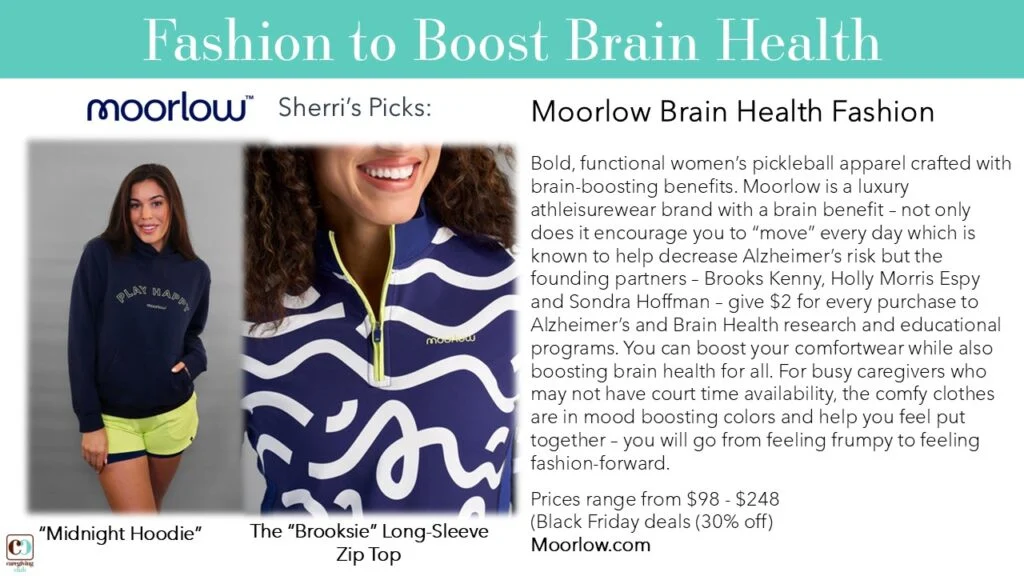
As the holiday season approaches, the Caregiving Club, under the guidance of CEO and founder Sherri Snelling, has officially launched its 5th Annual Holiday Gift Guide. This year’s edition marks a significant milestone in the organization’s mission to provide practical, evidence-based support to the millions of family caregivers across the United States.

The 2025 guide is more than a list of products; it is a holistic approach to caregiving, categorized into three distinct pillars: Wellness for Caregivers, Wellness for Older Adults, and Wellness for Home. By focusing on sensory engagement and environmental design, the guide offers a roadmap for families navigating the complex, often stressful, landscape of long-term care.

The Philosophy of Care: Engaging the Five Senses
The cornerstone of this year’s curation is the "Five Senses" methodology, a concept rooted in Snelling’s book, Me Time Monday. The philosophy posits that caregivers can achieve a state of "natural soothing calm" by intentionally engaging sight, sound, smell, taste, and touch.

"When we immerse ourselves in nature and focus on the inputs our senses receive, we can recalibrate our nervous systems," Snelling explains. The 2025 guide translates this into tangible gift ideas, from high-end bamboo bedding that offers tactile comfort to aromatherapy candles designed to create a sensory sanctuary.
Chronology of Support: Five Years of Curated Care
The launch of this 5th annual guide serves as a testament to the evolving needs of the caregiving community. Since its inception in 2021, the Caregiving Club has tracked trends in AgeTech, respite care, and home accessibility.

- 2021–2022: The inaugural years focused on basic navigation of the caregiving ecosystem and the sudden shift to home-based care during the pandemic.
- 2023–2024: The focus shifted toward advanced assistive technologies, such as smart-home integration and AI-assisted care, reflecting a broader market trend toward "aging in place."
- 2025 (Current): This year’s guide synthesizes these previous findings, focusing on "wellness-as-a-lifestyle" rather than just reactive medical equipment.
Supporting Data: Why Targeted Gifting Matters
The importance of this guide is supported by current industry data. Family caregivers are the primary influencers in the $800 billion-plus "Longevity Economy." Statistics indicate that caregivers influence or directly purchase approximately 79% of all products utilized by older adults.

Despite this, there remains a significant "knowledge gap." Many caregivers are unaware of the innovations available to them, particularly in the realm of Dementia Care. With one in three adults over the age of 85 expected to experience some form of cognitive impairment, the 2025 guide places a heavy emphasis on products that foster connection and reduce anxiety, such as "digital love letters" and sensory-focused companion cards.

Key Recommendations: Top Picks for 2025
Wellness for Caregivers
Caregiver burnout is a silent epidemic. The 2025 guide addresses this by focusing on recovery:

- Restorative Sleep: Featuring bamboo sheet sets that regulate body temperature and provide superior tactile comfort.
- Physical Recovery: Acupressure recovery socks and therapeutic smart goggles, designed to alleviate the physical strain of daily caregiving.
- Vagus Nerve Stimulation: Utilizing innovative technology like the Truvaga Plus to help manage stress at a biological level.
Wellness for Older Adults
The guide moves beyond the clinical, favoring products that restore dignity and independence:

- Mobility and Style: Footwear designed for comfort without sacrificing style, acknowledging that older adults want to remain active participants in their communities.
- Smart Living: The integration of services like GoGoGrandparent, which bridge the gap between older adults and modern transportation/delivery apps, ensuring they remain connected to the outside world.
- Adaptive Furniture: The UPbed, a 4-in-1 motorized lift bed, represents the pinnacle of current AgeTech, allowing seniors to maintain independence in their own bedrooms.
Wellness for Home
The home is the third pillar of wellness. By focusing on "biophilic design"—the integration of natural elements into indoor spaces—the guide suggests that a home can be a therapeutic environment rather than a sterile one.

- Environmental Cues: Personalized home portraits and indoor gardening kits (like self-care planters) provide a sense of history and life, which is essential for cognitive stimulation.
- Safety and Ease: Gadgets such as microwave egg makers and butterfly rain chains prioritize ease of use and sensory joy, proving that "accessible" does not have to mean "institutional."
Official Perspectives: Expert Commentary
Throughout the guide, the Caregiving Club integrates multimedia content. Each section features video commentary from Sherri Snelling, alongside deep-dive interviews from the Caregiving Club On Air podcast.

Notable expert contributors include:

- Justin Boogaard (CEO, GoGoGrandparent): Discusses the importance of connectivity in the modern aging landscape.
- Jimmy Zollo (Co-Founder, Joe & Bella): Highlights how fashion-forward adaptive clothing is changing the way seniors view their daily attire.
- Lawrence Kosick (Co-Founder, GetSetUp): Explores the role of AI assistants (like "Helen") in providing companionship and assistance to older adults.
Implications: The Future of Caregiving
The 2025 Holiday Gift Guide serves as a broader call to action. It suggests that the future of caregiving is not just about the medical treatment of the aging, but the holistic maintenance of the caregiver-care-recipient dyad.
Implications for the Industry
The shift toward consumer-grade wellness products for seniors indicates that the "medicalization" of the home is being replaced by "lifestyle integration." Companies that succeed in this space are those that prioritize the end-user’s dignity—creating products that don’t look like medical equipment but function with the precision of medical devices.

Implications for Caregivers
For the family caregiver, the implication is one of empowerment. By curating these resources, the Caregiving Club provides a "vetted" pathway, saving the caregiver time—a commodity more precious than money. The use of the CARES15 discount code across various partners highlights the Club’s commitment to making these wellness tools financially accessible.

Conclusion: A Season of Joy and Well-Being
As we move through the 2025 holiday season, the Caregiving Club’s guide serves as a reminder that caregiving is a journey that requires support, equipment, and, most importantly, moments of respite. Whether through the use of dementia-friendly play kits to reduce anxiety or the simple joy of a personalized home portrait, the focus remains on sparking joy.

For those looking to expand their knowledge beyond this year’s recommendations, the Caregiving Club continues to archive its previous guides, providing a comprehensive library of resources for the modern caregiver.

For more information on these products and to view the full video commentary, visit the official Caregiving Club website.

Disclaimer: This article serves as an editorial summary of the Caregiving Club 5th Annual Holiday Gift Guide. Users are encouraged to conduct their own due diligence before purchasing, as pricing and availability may vary by retailer.