











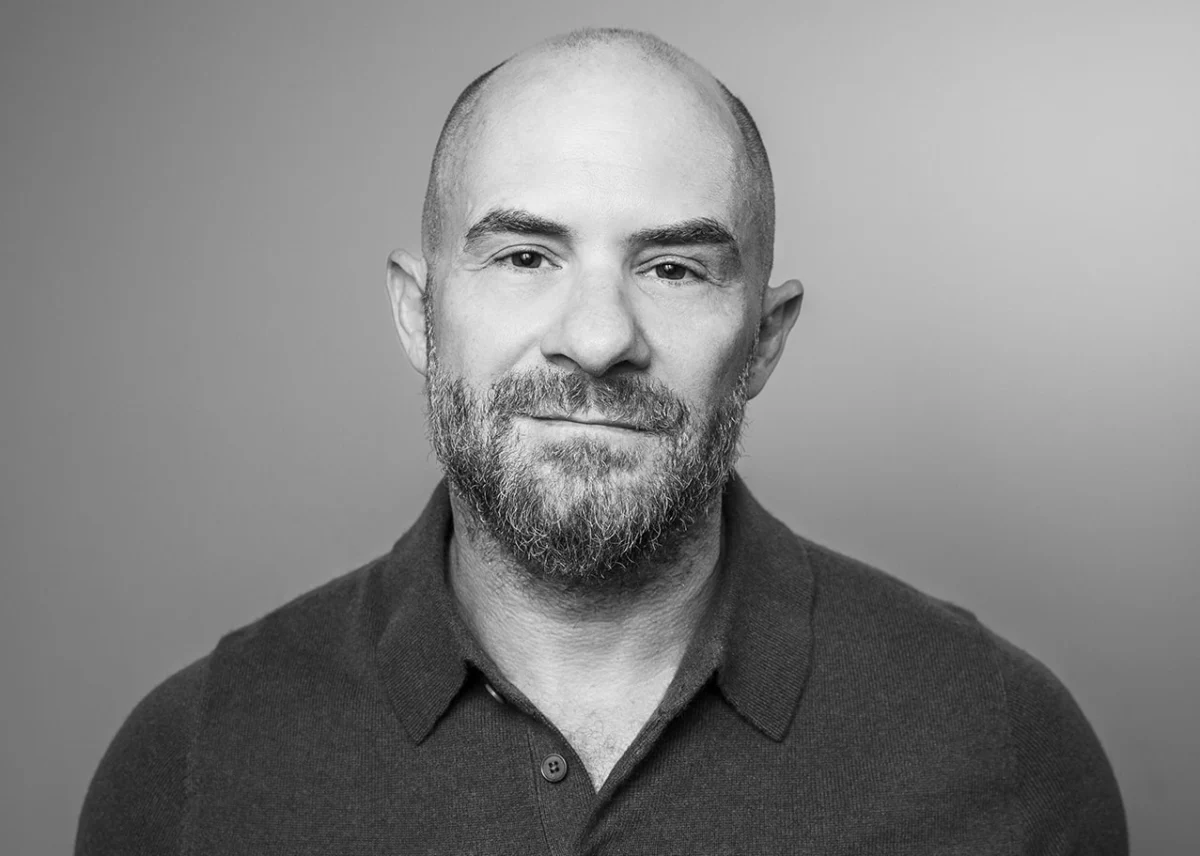
In the spring of 2026, the landscape of mental health discourse shifted with the release of The Madness Pill: One Doctor’s Quest to Understand Schizophrenia. Authored by Justin Garson, a philosopher and historian of science at the City University of New York, the book provides a forensic look at the origins of biological psychiatry. Through an interview with James Moore for the Mad in America podcast, Garson explores how a combination of serendipitous scientific discoveries, 1960s counterculture, and aggressive pharmaceutical marketing created a "chemical imbalance" narrative that remains the dominant, albeit scientifically contested, framework for treating mental distress today.
Main Facts: The Narrative of the Biological Revolution
The central thesis of Garson’s work is that the "biological revolution" in psychiatry was not a linear march of scientific progress but a complex tapestry woven from personal ambition, social upheaval, and philosophical shifts. At the heart of this story is Solomon Snyder, a Johns Hopkins neuroscientist whose work in the 1970s ushered in the era of modern psychopharmacology.
Garson argues that the shift from "talk therapy" to "drug therapy" was solidified between 1970 and 1985. During this period, the understanding of schizophrenia transitioned from a psychological reaction to life circumstances into a purported dysfunction of the dopamine system. This shift was largely catalyzed by the "dopamine hypothesis," a theory which, as Garson notes, was built on "indirect evidence" rather than conclusive biological proof.
Despite the lack of a definitive "smoking gun" for chemical imbalances, the biological model became an industry standard. This was facilitated by the discovery of neurotransmitter reuptake—the mechanism by which the brain recycles chemicals like serotonin and dopamine—which provided the intellectual foundation for blockbuster drugs like Prozac. However, Garson highlights a troubling paradox: as the biological model gained dominance, the long-term outcomes for patients in Western nations often stagnated or worsened compared to those in developing countries where more community-based, non-medicalized approaches prevail.
Chronology: From LSD to the Dopamine Hypothesis
To understand how psychiatry became "biological," Garson traces a timeline that begins in the labs of the 1950s and moves through the drug-fueled streets of the 1960s.
The 1950s: The Dawn of the Drug Era
In the mid-20th century, the first generation of antipsychotics (like Thorazine) and antidepressants hit the market. At the time, doctors were agnostic about how these drugs worked. They were often used as "chemical straitjackets" to sedate patients enough to allow for psychotherapy. There was no widespread belief that these drugs were "correcting" a specific biological defect.
The 1960s: The Counterculture Influence
Garson reveals a surprising link between illicit drug use and scientific breakthroughs. In the 1960s, the United States faced an amphetamine epidemic. Psychiatrists noticed that "speed freaks"—users who injected high doses of amphetamines—often developed a psychosis that was indistinguishable from schizophrenia.
Simultaneously, researchers like Solomon Snyder were experimenting with LSD. Snyder himself underwent an LSD trip in 1963, an experience that convinced him that madness could be understood through chemistry. When legal restrictions made LSD research difficult in 1966, the focus shifted to amphetamines. By 1970, Snyder figured out that amphetamines flood the brain with dopamine. He reasoned that if a drug that increases dopamine causes psychosis, then schizophrenia itself must be caused by an excess of dopamine.
1970–1985: The Consolidation of the Model
In 1970, Julius Axelrod won the Nobel Prize for discovering the mechanism of neurotransmitter reuptake. This provided the "how" for future drug development. By the mid-1980s, the narrative was complete: mental illnesses were "brain diseases" caused by chemical imbalances. This era saw the publication of influential books like Nancy Andreasen’s The Broken Brain, which helped sell this biological vision to the public.
Supporting Data: The Outcomes Paradox and the Stigma Trap
Garson’s critique is supported by a growing body of data that challenges the efficacy and social utility of the biological model.
The WHO Outcomes Paradox
One of the most striking pieces of evidence Garson cites is the World Health Organization’s (WHO) findings on schizophrenia. Data suggests that patients in developing nations—such as parts of India, Nigeria, and Colombia—often have better recovery rates than those in the US or UK. Experts believe this is because these societies are more tolerant of "unusual" behaviors, allowing individuals to remain integrated into their communities rather than being isolated and heavily medicated.
The Stigma of the "Broken Brain"
While the biological model was promoted as a way to reduce stigma (by framing madness as a "no-fault" brain disease), research suggests the opposite has occurred. Studies by psychologists like John Read and Joanna Moncrieff indicate that when the public views mental illness as a biological defect, they are more likely to perceive the individual as unpredictable, dangerous, and "other." Garson notes that stigma toward schizophrenia has actually increased over the last 30 years, coinciding with the rise of the biological paradigm.
The Lack of Direct Evidence
Garson points back to a startling admission made by Solomon Snyder in 1976: the dopamine hypothesis is supported by "no direct evidence." Decades later, this remains largely true. While drugs can alter neurotransmitter levels, there is no consistent evidence that people diagnosed with mental disorders have naturally occurring "imbalances" before they begin taking medication.
Perspectives: The Complex Legacy of Solomon Snyder
The book centers heavily on the figure of Solomon Snyder, whom Garson describes as a "pluralist" who unintentionally fueled a "reductionist" revolution.
The Scientist as a Humanist
Snyder was not a cold, clinical chemist. He was a gifted musician who studied Freud and valued the arts. He believed in the value of psychotherapy and wrote extensively on the limits of drug treatment. His early work was characterized by a genuine desire to understand the human experience of madness.
The Rise of Big Pharma
However, Snyder’s legacy is also tied to the commercialization of psychiatry. He founded two pharmaceutical companies and became wealthy by developing drugs that target the brain. Garson suggests that while Snyder may have held a nuanced view, the "system"—driven by the economic interests of pharmaceutical companies—stripped away the nuance, leaving only the "diagnose and drug" model.
The Critical Voice
Garson aligns himself with the "Critical Psychiatry" movement, represented by figures like Joanna Moncrieff and James Davies. These scholars argue that the biological model serves the interests of drug companies and provide a false sense of certainty to doctors, but often fails to address the social and environmental roots of distress, such as trauma, poverty, and isolation.
Implications: Moving Toward a Humanistic Future
The implications of Garson’s research are profound, suggesting that psychiatry must undergo a "de-medicalization" to truly serve those in distress.
A Personal Toll
Garson’s motivation is deeply personal. He recounts his father’s journey through the mental health system. In the 1970s, his father was treated with talk therapy and successfully managed a crisis without drugs. By the 1980s, the same symptoms led to heavy sedation with first-generation antipsychotics like Thorazine and Haldol. These drugs caused severe motor problems and, Garson believes, led to his father’s premature death from antipsychotic-induced dysphagia (difficulty swallowing).
Alternatives to the Medical Model
Garson highlights existing models that offer a different path:
- Soteria Houses: Community-based residential environments that provide a safe space for people experiencing psychosis without an immediate reliance on high-dose neuroleptics.
- The Hearing Voices Network: A peer-support movement that encourages people to find meaning in their voices rather than simply trying to "quell" them with drugs.
- Functional Signaling: A psychological view of depression not as a disease, but as a signal that something in a person’s life needs to change.
The Future of the Field
Garson expresses optimism that change is coming, but not from within the psychiatric establishment. "I don’t really think that change is going to come first and foremost from psychiatry itself," Garson states. Instead, he believes the impetus for reform will come from "ex-patients and other advocacy groups"—people who have lived through the harms of the drug-centered model and are demanding more humanistic, holistic care.
As society becomes increasingly aware of the limitations of the "chemical imbalance" theory—evidenced by mainstream media coverage of SSRI withdrawal and the "outcomes paradox"—the door is opening for a more nuanced understanding of the mind. Garson’s The Madness Pill serves as both a history of how we lost our way and a roadmap for how we might reclaim a more compassionate approach to human madness.