
By Investigative Staff
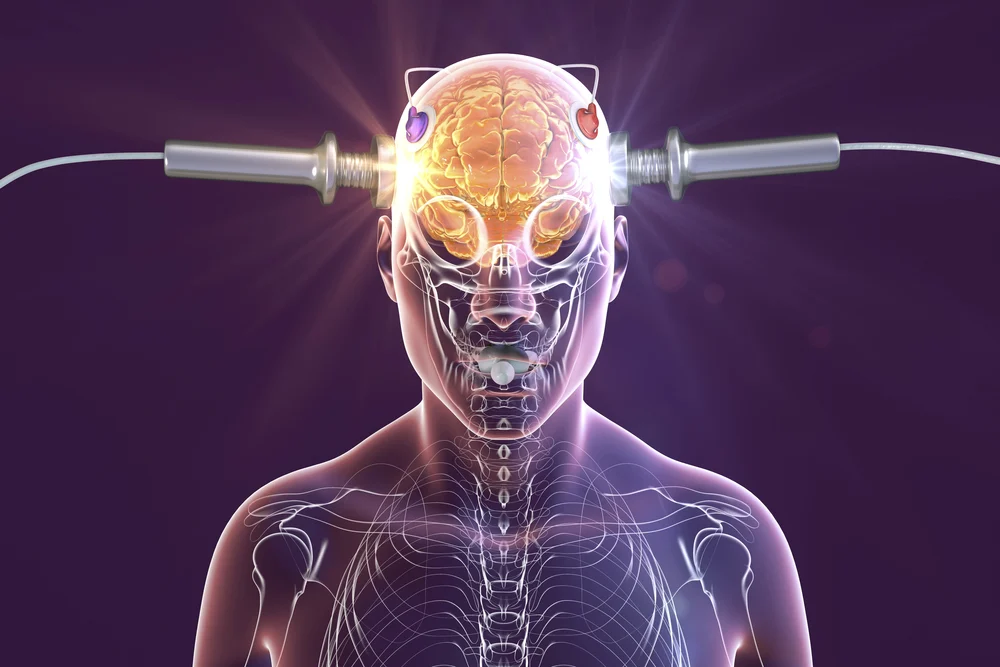
Electroconvulsive therapy (ECT)—a procedure that involves passing small electric currents through the brain to intentionally trigger a brief seizure—has remained one of the most polarizing interventions in modern medicine. While proponents frequently label it a "gold standard" for treatment-resistant depression, a growing body of evidence suggests a starkly different reality for those on the receiving end.
A landmark study recently published in Psychology and Psychotherapy: Theory, Research, and Practice has shifted the focus from clinical metrics to the lived experiences of those who witness the aftermath: the friends and relatives of patients. Led by independent scholar Christopher Harrop and co-authored by Professor John Read of the University of East London, the research presents a harrowing portrait of cognitive decline, personality loss, and a systemic failure of informed consent.
The findings are unambiguous: the majority of families surveyed believe ECT did more harm than good, often leaving their loved ones "shells of their former selves."
Main Facts: A Majority Report of Harm and Inefficacy
The study, which surveyed 286 friends and relatives across more than 20 countries, provides a rare look at the "collateral" observations of psychiatric intervention. The data challenges the clinical narrative that ECT is a life-saving tool with manageable side effects.
According to the research, 61% of participants reported that ECT had a negative impact on their loved one’s overall quality of life. In contrast, only 32.3% believed there was any improvement. More startling was the data regarding the primary symptoms the treatment was intended to fix: 54.9% of respondents reported that the original psychiatric issues either remained unchanged or were significantly worsened by the shocks.
"Clearly, some people do feel that ECT had a dramatic positive, sometimes life-saving, effect," the authors write, acknowledging the minority of cases where families felt the treatment "brought the person back." However, the researchers emphasize a grim ratio: "Three times as many people reported negative impacts than positive ones… The majority wrote, often with great emotion (including anger and despair) only about their distress at witnessing the damage done to a loved one by ECT, and about the loss of the person they had once known."
The study highlights a recurring theme of "erasure." Families described the loss of "radiant, creative" individuals who, post-treatment, became withdrawn, fearful, and dependent. The quantitative data supports these anecdotes, with 80.9% of respondents stating that ECT was harmful to some degree, and over half (53.4%) describing the harm as "very" significant.
Chronology: The Evolution of a Controversial Practice
To understand the weight of Harrop’s study, one must look at the trajectory of ECT from its inception in the 1930s to the present day. Originally developed by Italian neurologists Ugo Cerletti and Lucio Bini, ECT was initially administered without anesthesia or muscle relaxants, leading to bone fractures and severe physical trauma.
By the 1960s and 70s, the "modified" version of ECT (using anesthesia) became the norm, and the medical community began rebranding it as a sophisticated, modern procedure. However, the 21st century has seen a resurgence of critical inquiry.
- 2019–2023: Multiple meta-analyses and systematic reviews began questioning the long-term efficacy of ECT, noting that while it may provide a transient "lift" in mood, there is little evidence it prevents suicide or provides lasting relief beyond a few weeks.
- 2024–2025: Research increasingly linked ECT to deadly heart problems and structural brain changes. A 2025 survey of ECT recipients found that 96.9% reported at least one negative effect, with many describing their memory loss as "akin to Alzheimer’s."
- 2026: The Harrop study is published, representing part of a larger, multi-phase international investigation into ECT. This phase specifically targeted the "witnesses"—the family members who provide long-term care after the hospital discharge.
This timeline suggests a widening gap between psychiatric guidelines, which continue to recommend ECT for "treatment-resistant" cases, and the mounting data regarding patient and family dissatisfaction.
Supporting Data: The Quantitative Toll on Cognition and Physical Health
The Harrop study meticulously documented the specific areas of decline reported by families. The most prevalent and devastating side effect identified was memory impairment, which appeared to be both retrograde (losing past memories) and anterograde (inability to form new memories).
Cognitive and Memory Impairment
- 73.3% of families reported that their loved ones had significant trouble remembering events that occurred before the ECT.
- 60.7% reported an inability to remember recent events.
- One participant described a sister-in-law who could no longer remember her childhood, stating: "She can show you a photograph and tell you what someone has told her about that childhood moment," but the internal connection to the memory was severed.
Physical and Functional Decline
Beyond memory, the survey revealed a shocking array of physical complications that are rarely discussed in clinical brochures:
- 43.6% reported issues with falling over.
- 38.9% reported extreme sensitivity to light.
- 35.4% reported "walking into things," suggesting impaired spatial awareness.
- 23.3% witnessed seizures or convulsions post-treatment.
One of the most harrowing accounts involved a recipient who was left completely disabled: "Completely left her disabled, needs a wheelchair, often stops breathing when stimuli is overpowering, her cognition is diminished, her memory is gone."
The "Brain Damage" Perception
A significant portion of the survey participants—34.2%—expressed a firm belief that ECT had caused permanent brain damage in their loved ones. Another 47.7% were unsure but suspicious, meaning less than 20% of families were confident that no structural damage had occurred. This aligns with recent neuroimaging studies suggesting that the "therapeutic" effect of ECT may actually be a byproduct of a mild traumatic brain injury response.
Official Responses and the Crisis of Informed Consent
The study raises profound ethical questions regarding how ECT is "sold" to desperate families. Informed consent—the bedrock of medical ethics—appears to be a systemic casualty in the administration of ECT.
Coercion and Pressure
The research found that only 47.1% of patients voluntarily consented to the procedure. The remaining 53% were either pressured into it (31.7%) or received the treatment involuntarily (21.3%). Families reported that psychiatrists often used "scare tactics," suggesting that ECT was the "only option left" to prevent suicide, despite data showing no significant long-term reduction in suicide rates following the procedure.
Misinformation
Many families expressed deep anger at being misled about the nature of the treatment. One participant noted, "I am very angry that I was misinformed and misled about the harm that ECT does and its effectiveness."
This sentiment is echoed in a related 2026 study in the Journal of Medical Ethics, which found that many patients were told ECT would fix a "chemical imbalance"—a theory that has been largely debunked by modern neuroscience. Furthermore, few were warned about the potential for permanent memory loss or cardiovascular risks.
One participant’s response captured a growing distrust in the psychiatric profession: "It forever changed my views of the mental health system… making me have no respect for them, and a concern and fear of their extraordinary legal powers."
The Physician’s Perspective (The Counter-Narrative)
While this study focused on negative outcomes, the medical establishment generally maintains that ECT is a "life-saving" intervention for those in catatonic states or with severe, delusional depression. Organizations like the American Psychiatric Association (APA) continue to support its use, often attributing memory loss to the underlying mental illness rather than the electricity itself. However, the Harrop study directly challenges this by showing that families observed the decline after the intervention, often in direct temporal correlation with the shocks.
Implications: A Call for Systemic Reform
The implications of the Harrop study extend far beyond the walls of a psychiatric ward. It calls into question the legal frameworks that allow for forced or pressured ECT and highlights a massive gap in post-procedure support for families.
1. The Burden of Care
When ECT results in cognitive or physical disability, the burden of care falls almost exclusively on the family. The study notes that many respondents felt "guilty" and "terrified," describing the experience of watching a loved one disappear while still physically present. "I feel like I let her down. I was supposed to protect her," one participant shared.
2. Legal and Ethical Re-evaluation
The high rate of reported coercion (53%) suggests that the current legal safeguards for "capacity" and "consent" are failing. Advocates are increasingly calling for a ban on involuntary ECT and a requirement for more rigorous, transparent warnings about long-term cognitive damage.
3. Redefining "Success"
The study suggests that clinical definitions of "success" (e.g., a temporary reduction in a depression score) are wildly out of sync with what families value (e.g., quality of life, memory, and personality). If a treatment "cures" depression by "crushing a beautiful flower," as one participant put it, can it truly be called a success?
4. Methodological Limitations
The authors acknowledge certain limitations, including a potential recruitment bias. Because the survey was shared via social media and by authors known for their critical stance on ECT, it may have attracted more people with negative experiences. Additionally, as the data is "secondhand" (reported by relatives), it relies on the observers’ interpretations. However, the sheer volume of responses (286) and the consistency of the harrowing details provide a significant challenge to the notion that these are "isolated" or "rare" incidents.
Conclusion
The Harrop study serves as a sobering reminder that behind every clinical procedure is a human life and a network of people who must live with the consequences. As the debate over ECT continues, this research demands that the voices of the "witnesses"—the daughters, mothers, and spouses who watch the "radiant" become "withdrawn"—be given as much weight as the psychiatrists who administer the shocks.
For the families surveyed, the message is clear: the current state of ECT is not just a medical controversy; it is a profound human rights issue. As one participant concluded: "Devastating, her life will be forever negatively impacted and she likely will be battling the after-effects on her health for the rest of her life."
Reference:
Harrop, C., Cunliffe, S., Hancock, S. P., Johnstone, L., Morrison, L., & Read, J. (2026). An international survey of the relatives and friends of electroconvulsive therapy recipients. Psychology and Psychotherapy: Theory, Research and Practice.