








As we cross the threshold of 55, many individuals notice a subtle but persistent shift in body composition. The area around the bra line, the lats, and the lower back often begins to hold onto "rolls" or pockets of fat that weren’t there a decade prior. This is a common physiological response to hormonal fluctuations, a natural decline in muscle mass—known as sarcopenia—and a tendency toward more sedentary daily habits.
While it is tempting to seek out "spot reduction" techniques, the scientific consensus remains clear: you cannot force your body to burn fat in one specific location through exercise alone. Instead, the most effective strategy for managing back rolls involves a dual approach: building a foundation of lean muscle through strength training and maintaining a caloric balance that promotes overall fat loss. By targeting the muscles that support your spine and posture, you can create a firmer, more lifted appearance while improving your functional health.
The Physiology of Posture and Mid-Back Tone
To understand why back rolls become more prominent after 55, we must look at the musculoskeletal system. When muscle mass decreases, the skin loses its structural support, and posture often shifts into a slightly hunched or forward-leaning position. This "slouch" effectively bunches the skin and soft tissue around the mid-back, making rolls appear more pronounced.
By strengthening the lats (latissimus dorsi), rhomboids, and erector spinae, you effectively "pull" the back into better alignment. This doesn’t just improve aesthetics; it alleviates the strain on your lower back and enhances your mobility for daily activities.
1. Bodyweight Back Extensions: Building Spinal Integrity
Back extensions are the gold standard for posterior chain development. This movement engages the lower back, glutes, and upper back simultaneously, teaching the body how to stabilize the torso against gravity.
- The Mechanism: By lifting your chest off the floor, you are forcing the erector spinae muscles to contract, which helps combat the rounded-shoulder syndrome common in later adulthood.
- How to Perform: Lie face down on a mat with your arms tucked near your sides or behind your head. Gently engage your glutes and lift your upper chest off the floor, focusing on using your back muscles rather than your neck. Hold for a second at the top before slowly lowering.
- Recommended Volume: 3 sets of 10–12 repetitions, resting for 45 seconds between sets.
- Pro Tip: Avoid the temptation to "crank" your head upward. Keep your gaze toward the floor to ensure your neck remains in a neutral, safe position.
2. Banded Good Mornings: Developing the Posterior Chain
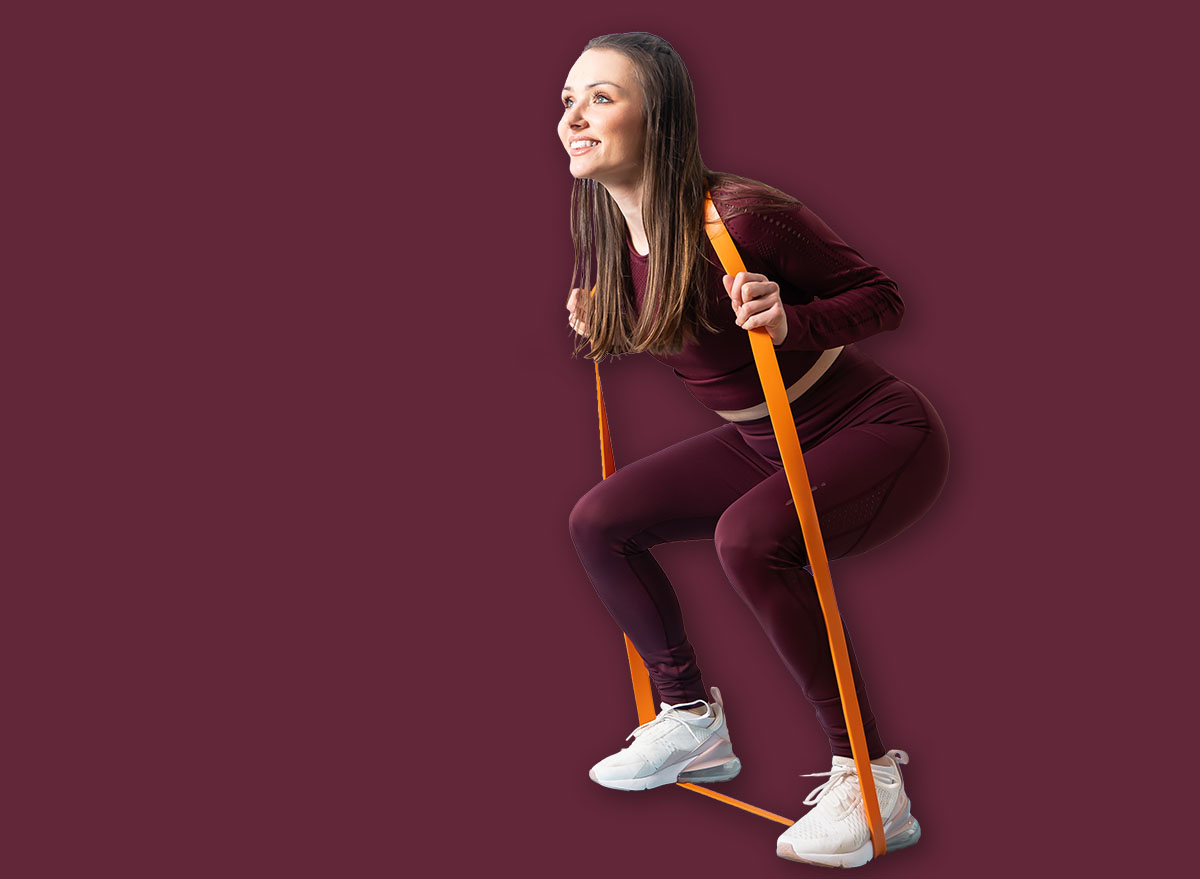
Resistance bands are arguably the most effective home-workout tool for those over 55. They provide constant tension throughout the range of motion, which is essential for muscle hypertrophy.
- The Mechanism: The "hinge" motion of the Good Morning targets the glutes and hamstrings while forcing the lower back to act as a stabilizer. This builds the muscle density necessary to support a firm back profile.
- How to Perform: Stand on the center of a resistance band, holding the ends at shoulder height. With a slight bend in your knees, hinge at the hips by pushing your glutes backward until your torso is nearly parallel to the floor. Return to a standing position by driving through your heels and squeezing your glutes.
- Recommended Volume: 3 sets of 10–15 repetitions.
- Pro Tip: Maintain a "flat back" throughout the movement. If your spine begins to round, shorten your range of motion until your strength improves.
3. Walking: The Foundation of Fat Metabolism
While strength training builds the "frame," cardiovascular activity ensures that the body has the metabolic environment to shed excess adipose tissue. Walking is the most accessible, joint-friendly, and sustainable form of cardio for individuals over 55.
- The Mechanism: Consistent walking promotes a caloric deficit, which is the primary driver of systemic fat loss. Unlike high-impact HIIT workouts that can be taxing on the knees and hips, walking encourages blood flow to the muscles and maintains spinal health.
- How to Perform: Aim for a brisk, "purposeful" pace. Swing your arms to engage your upper back and core, and maintain an upright posture.
- Recommended Volume: 20 to 40 minutes, most days of the week.
- Pro Tip: Incorporate incline walking or a weighted vest to increase the intensity without needing to run or jump.
4. Banded Bent-Over Rows: Fighting the "Slouch"
If you are looking for the most effective exercise to target the muscles directly around the bra line and lats, the bent-over row is it.
- The Mechanism: This pulling movement targets the lats and rhomboids—the muscles responsible for drawing the shoulder blades together. When these muscles are strong, the back appears flatter and more toned.
- How to Perform: Step on a band with both feet. Hinge forward at the hips, keeping your core tight. Grasp the band handles and pull them toward your ribcage, focusing on driving your elbows backward. Squeeze your shoulder blades together at the peak of the movement.
- Recommended Volume: 3 sets of 10–15 repetitions.
- Pro Tip: Imagine you are trying to squeeze a pencil between your shoulder blades. This mental cue helps prevent the biceps from doing all the work.
5. Plank Jacks: Core Stability and Conditioning
Plank jacks are a hybrid movement that bridges the gap between static strength and metabolic conditioning.
- The Mechanism: Holding a plank requires intense activation of the core and shoulders. Adding the "jack" (moving your feet in and out) forces your midsection to work overtime to stabilize your pelvis, increasing the calorie burn and improving core stiffness.
- How to Perform: Start in a high plank position (top of a push-up). Keeping your core braced and your hips level, jump or step your feet out to the sides and back together.
- Recommended Volume: 3 sets of 20–30 seconds.
- Pro Tip: Avoid letting your lower back sag. If you feel your back arching, switch to a "step-out" variation rather than jumping.
Strategic Implications for Long-Term Success
To see results, these exercises must be viewed as part of a lifestyle change rather than a temporary "fix." The implication for your health after 55 is profound: by prioritizing these movements, you are not just targeting aesthetic goals, but also preventing the common age-related decline in posture and spinal stability.
The "Consistency over Intensity" Rule
The most common mistake individuals make is attempting a "perfect" high-intensity workout once a week. Research consistently shows that moderate, consistent movement—such as a 15-minute home routine done four times a week—is significantly more effective for body composition than a single, grueling gym session followed by days of inactivity.
Nutrition and Recovery
Remember that muscle is built during recovery, not during the workout. Ensure your diet includes adequate protein—roughly 0.8 to 1.2 grams per kilogram of body weight—to support the repair of muscle tissue. Pair this with a moderate caloric deficit (eating slightly fewer calories than you burn) to allow the body to utilize stored fat for energy.
A Note on Safety
Before beginning any new exercise regimen, consult with your physician, particularly if you have a history of lower back issues or cardiovascular concerns. Always warm up with five minutes of light movement before diving into these exercises, and listen to your body—discomfort is normal, but sharp or shooting pain is a signal to stop and re-evaluate your form.
By integrating these five movements into your routine, you are making a proactive investment in your posture, strength, and confidence. Over time, as your muscles become more defined and your body composition shifts, the "rolls" will naturally become less prominent, replaced by the strength and vitality that define a healthy approach to aging.