







In the modern era, the menstrual cycle is often viewed through a strictly mechanical or hormonal lens. However, for thousands of years, the ancient medical science of Ayurveda has offered a sophisticated, holistic framework for understanding menstruation—not merely as a biological process, but as a barometer for a woman’s overall health, vitality, and alignment with nature.
By exploring the intricate relationship between dhatus (tissues), doshas (energetic principles), and Agni (metabolic fire), Ayurveda provides a roadmap for women seeking to move beyond the management of symptoms and toward a state of profound reproductive equilibrium.
The Foundation of Vitality: Rasa Dhatu and the Genesis of Rajah
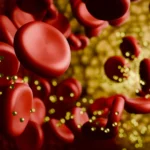
At the heart of the Ayurvedic understanding of the female reproductive cycle is the concept of Rasa. In Sanskrit, Rasa refers to the fluid component of the body—the primary plasma and lymph that circulates to nourish every cell, tissue, and organ.
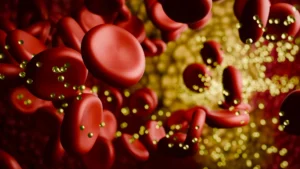
According to classical Ayurvedic texts, Rasa is the first dhatu, or bodily tissue, formed after the ingestion and digestion of food. As the "juices" of digested sustenance enter circulation, they are processed by the body’s internal heat (Agni). After a maturation period of approximately five days, this nutrient-dense fluid is refined. A portion of this vital essence evolves into Rakta (blood), while its secondary by-products manifest as Rajah (menstrual blood) and the tissues required for lactation.
From a contemporary biomedical perspective, this mirrors the vital role of blood plasma in transporting hormones, oxygen, glucose, and essential nutrients to every corner of the body. Because Rajah is a direct product of the body’s nutritional state, Ayurveda posits that menstrual health is the most reliable indicator of a woman’s internal balance. If the Rasa is deficient or polluted, the entire system suffers, manifesting as irregularities or pain during the monthly cycle.
Chronology of the Cycle: From Menarche to Menopause
Ayurveda views the menstrual cycle (Rtu Chakra) as a dynamic process governed by the interplay of the three doshas: Vata, Pitta, and Kapha.
The Stages of the Cycle
- The Proliferative Phase (Kapha): Leading up to ovulation, the body focuses on building and nourishment. This stage is dominated by Kapha, which governs the thickening of the endometrial lining, ensuring the womb is a supportive environment.
- The Ovulatory Phase (Pitta): As the follicle ripens, the transformative energy of Pitta takes charge, driving the heat and metabolic activity necessary for the release of the ovum.
- The Menstrual Phase (Vata): The actual shedding of the lining is a movement-based process. Governed by Apana Vayu—a sub-dosha of Vata responsible for downward-moving energy—this phase requires a smooth flow of energy to ensure the uterus empties efficiently.
Lifespan Variations
The age of onset (menarche) and the age of cessation (menopause) are determined by a woman’s dominant constitutional type.
- Pitta-dominant women often begin menstruation earlier and may reach menopause sooner, reflecting their naturally fiery and metabolic nature.
- Kapha-dominant women tend to begin menstruation later and may continue well into their late 50s or even 60, reflecting their constitution’s grounding, slow-to-change qualities.
- Vata-dominant women typically fall within the statistical average for both milestones.
Supporting Data: What Constitutes a "Healthy" Cycle?
Ayurvedic texts define a healthy cycle by specific, objective markers. A normal Rtu Chakra is characterized by:
- Duration: A cycle length of 25 to 30 days.
- Flow: A total volume of approximately 4 ounces (4 anjalis).
- Consistency: A period that lasts between 3 and 7 days.
- Quality: The blood should be a vibrant red, free from clots, and—crucially—painless.
Historically, these physiological markers were so significant that women were encouraged to observe a period of rest during menstruation. By abstaining from rigorous work, women were able to support the Apana Vayu in its downward, cleansing work, preventing the stagnation that often leads to modern dysmenorrhea.
Clinical Implications: The Three Faces of Dysmenorrhea
When the "ideal" cycle is disrupted, Ayurveda categorizes the resulting discomfort into three distinct patterns based on the vitiated dosha. Because the pelvis is the primary seat of Apana Vayu, there is almost always a Vata component involved in any reproductive imbalance.
Vata-Type Imbalance
Characterized by a "narrowing" effect, Vata disturbances often manifest as sharp, spasmodic pain before the period begins. Symptoms include lower back pain, constipation, anxiety, insomnia, and a scanty, dark, clot-heavy flow.
Pitta-Type Imbalance
Driven by excess heat, these cycles are marked by "burning" sensations, heavy flow, and bright red blood. Women may experience acne flares, irritability, and physical tenderness in the breasts. Severe conditions like endometriosis are often viewed as a manifestation of chronic, intense Pitta accumulation.
Kapha-Type Imbalance
This pattern is defined by heaviness and congestion. Symptoms include water retention, lethargy, dull aches, and a "thick" or mucus-like flow. When Poshaka Kapha (the nutritive portion of Kapha) becomes excessive, it can lead to the formation of cysts or fibroids within the reproductive tissues.
Restoring Balance: Lifestyle and Dietary Interventions
The Ayurvedic approach to healing is inherently personalized. A practitioner does not treat "menstrual pain"; they treat the specific constitutional distortion causing that pain.
- For Vata: The focus is on grounding and warmth. Women are advised to consume warm, unctuous (oily) soups, stews, and well-cooked vegetables while avoiding raw, cold, and dry foods that exacerbate Vata’s light, mobile nature.
- For Pitta: The goal is to cool the system. This involves a diet rich in sweet, bitter, and astringent tastes—such as cooked greens, rice, and milk—while strictly limiting alcohol, caffeine, and pungent spices.
- For Kapha: The strategy is to stimulate and lighten. A diet emphasizing light, warming, and spiced foods helps to counteract the heavy, sluggish nature of Kapha.
Ayurvedic Herbal Allies: Nature’s Pharmacopeia
Ayurveda employs specific botanicals to nourish and regulate the reproductive system. These herbs are considered "allies" in the journey toward balance:
- Shatavari (Asparagus racemosus): Known as the "Queen of Herbs" for women, its name translates to "100 husbands," referring to its ability to rejuvenate the female reproductive organs. It is a cooling, nourishing tonic used to soothe pain and regulate flow.
- Kumari (Aloe vera): Translating to "young girl," this cooling herb is a powerful regulator. It is particularly effective for balancing excess heat and bringing vitality back to the reproductive tissues.
- Ashoka (Saraca asoca): Its name means "the absence of grief." It is highly regarded for its ability to tone uterine tissues, making it an essential herb for managing heavy bleeding and clearing congestion like cysts or fibroids.
- Rose (Shatapatri): Beyond its beauty, the rose is a potent cooling and astringent agent. It is often used to alleviate PMS, emotional irritability, and excessive flow, acting as a balm for both the physical body and the heart.
Conclusion: A Call to Conscious Living
The modern woman’s struggle with menstrual discomfort is, from an Ayurvedic perspective, a call to return to a more rhythmic, nature-aligned lifestyle. By recognizing that the menstrual cycle is not a nuisance but a vital indicator of systemic health, women can utilize the wisdom of their own biology.
Whether through dietary adjustments, the use of time-tested herbal allies, or simply honoring the need for rest, the Ayurvedic path offers a sustainable, holistic method to restore the natural, painless flow that every woman deserves. For those experiencing chronic imbalances, seeking the guidance of a certified Ayurvedic practitioner is the recommended step toward reclaiming one’s reproductive health and, ultimately, one’s long-term vitality.