In a significant development for metabolic and cardiovascular medicine, an international team of researchers has identified a potential "dual-action" therapy that could fundamentally alter the landscape of heart disease treatment. The experimental drug, known as IC7Fc, which previously demonstrated efficacy in managing type 2 diabetes, has now been shown to possess potent anti-atherosclerotic properties, according to a study recently published in the journal Science Advances.
The findings, spearheaded by the Leiden University Medical Centre in the Netherlands in collaboration with Monash University’s Institute of Pharmaceutical Sciences (MIPS), indicate that the drug can effectively lower cholesterol levels and mitigate systemic inflammation—two primary drivers of cardiovascular morbidity. As heart disease remains the leading cause of mortality globally, the potential for a therapeutic agent that addresses both metabolic dysfunction and arterial health represents a major milestone in medical research.
The Core Findings: A New Mechanism for Arterial Protection
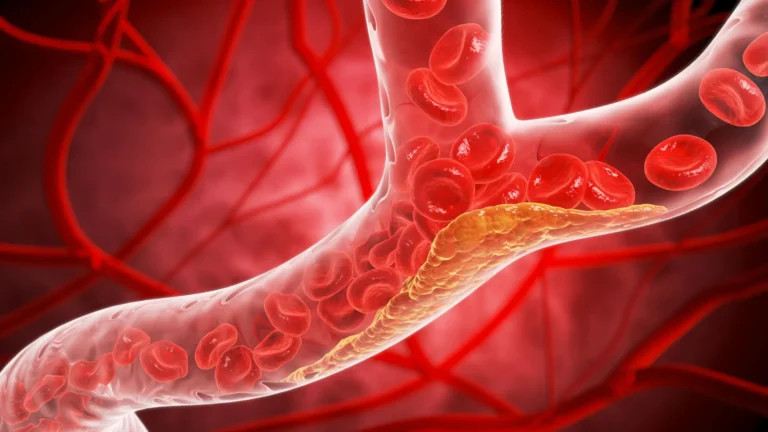
At the heart of the study is the observation that IC7Fc significantly reduces the concentration of triglycerides and cholesterol in the bloodstream. In preclinical trials involving mice genetically predisposed to heart disease, the administration of IC7Fc resulted in a marked decrease in the formation of fatty plaques—the hallmark of atherosclerosis.
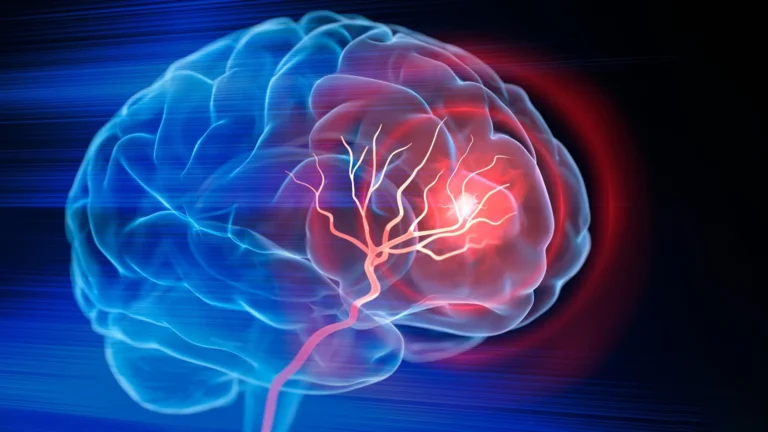
Atherosclerosis is a chronic condition characterized by the buildup of lipids, cholesterol, and other substances on the artery walls. Over time, these plaques harden, narrowing the arteries and restricting the flow of oxygen-rich blood to vital organs. When these plaques rupture, they trigger the formation of blood clots, which are the primary cause of myocardial infarctions (heart attacks) and ischemic strokes. By targeting the inflammatory pathways that contribute to plaque instability and the lipid profiles that feed plaque growth, IC7Fc functions as a dual-threat intervention.
A Chronological Progression: From Diabetes to Heart Health
The discovery of IC7Fc’s cardiovascular benefits did not occur in a vacuum; it is the culmination of years of rigorous metabolic research. To understand the significance of these findings, one must examine the developmental trajectory of the drug.
The Initial Phase: Metabolic Regulation
Early research into IC7Fc focused primarily on its potential to treat type 2 diabetes. Scientists discovered that the drug could mimic certain cytokine pathways, specifically targeting metabolic receptors to improve insulin sensitivity and glucose control. During these initial phases, the focus was entirely on glycemic management.
The Shift Toward Obesity
As clinical data accumulated, researchers noted a secondary, beneficial effect: the drug appeared to influence appetite regulation and body composition. In obese mice, the administration of IC7Fc resulted in a significant reduction in body fat and food intake. This led to the hypothesis that the drug could be an effective weight-loss therapeutic, placing it in a similar category of interest to GLP-1 receptor agonists, though with a different biological mechanism.
The Current Breakthrough: Addressing the "Silent Killer"
The most recent chapter in the IC7Fc story involves the pivot toward cardiovascular protection. Recognizing that metabolic disease and heart disease are inextricably linked, the research team—led by Professor Mark Febbraio—sought to determine whether the drug’s benefits extended beyond glucose control and weight loss. By shifting the focus to lean, genetically predisposed mice, the team successfully decoupled the drug’s metabolic effects from its cardiovascular ones, proving that IC7Fc provides protective benefits even in the absence of obesity.
Supporting Data: Dissecting the Preclinical Evidence
The strength of the Science Advances report lies in its clear differentiation of outcomes between various physiological models. The data provided by the research team offers a granular look at how IC7Fc interacts with the body’s inflammatory and lipid-processing systems.
The Lean Mouse Study
One of the most compelling aspects of the new study was the use of lean, hyperlipidemic mice. In this cohort, the drug did not induce weight loss or alter caloric intake, effectively proving that its cholesterol-lowering and anti-inflammatory properties are independent of its effects on appetite. This is a crucial finding for clinical application, as it suggests the drug could be prescribed to patients with high cardiovascular risk who are not necessarily obese.
Reducing Inflammatory Markers
Beyond lipid profiles, the researchers measured systemic inflammation, which is known to accelerate the progression of atherosclerosis. IC7Fc was shown to downregulate pro-inflammatory cytokines, which are proteins that signal the body to mount an inflammatory response. By dampening this response, the drug helps keep existing plaques stable, reducing the likelihood of them breaking away and causing a catastrophic cardiac event.
Official Perspectives and Expert Analysis
Professor Mark Febbraio, a lead figure at MIPS and a pioneer in the development of IC7Fc, has been vocal about the implications of these findings. His perspective highlights a critical gap in current medical practice: the limitations of existing standard-of-care treatments.
"Heart disease remains the world’s biggest killer, driven largely by atherosclerosis," Professor Febbraio stated. "Even with common treatments that lower blood pressure and cholesterol, many people are still at risk, showing there’s more work to do."
He emphasized that while statins and ACE inhibitors have saved countless lives, they do not resolve the entirety of the cardiovascular risk profile. Many patients remain at high risk due to "residual risk"—factors such as chronic inflammation that standard cholesterol-lowering drugs may not fully address. IC7Fc is being positioned as a potential solution to this residual risk, acting where traditional therapies fall short.
"These results suggest IC7Fc could offer a dual benefit," Professor Febbraio added. "It’s an exciting step towards a treatment that targets both metabolic and cardiovascular disease, potentially simplifying the medication regimens for patients dealing with complex, comorbid conditions."
Implications for Future Clinical Practice
The transition from preclinical success to human application is a complex journey, but the data suggests that IC7Fc could eventually become a cornerstone of personalized medicine.
Potential for "Dual-Action" Therapy
The most significant implication is the possibility of a single drug that manages multiple metabolic and cardiovascular parameters. Patients with metabolic syndrome—a cluster of conditions including high blood pressure, high blood sugar, excess body fat around the waist, and abnormal cholesterol levels—often require a "polypharmacy" approach, taking multiple drugs that may have conflicting side effects. A singular, multi-target therapy could improve patient adherence and outcomes.
Filling the Gap for Lean Patients
Current cardiovascular guidelines are heavily weighted toward weight loss and metabolic intervention. However, there is a substantial population of "lean" patients who suffer from familial hypercholesterolemia or other genetic factors that cause plaque buildup. Because IC7Fc has demonstrated efficacy in lean models, it could provide a specific therapeutic pathway for those who do not respond to diet-and-exercise-focused weight management.
The Path to Clinical Trials
While the results in mice are highly encouraging, the research team is quick to acknowledge that further testing is required before the drug can be considered for human clinical trials. The focus will now turn to:
- Safety and Toxicology: Ensuring the drug is well-tolerated in long-term human use.
- Optimal Dosing: Determining the therapeutic window where the drug is most effective with the fewest side effects.
- Phase I/II Trials: Establishing the pharmacokinetics and initial efficacy in human subjects.
Conclusion: A Paradigm Shift in Cardiovascular Care
The study of IC7Fc serves as a powerful reminder of how far our understanding of chronic disease has evolved. We are moving away from treating conditions in silos and toward an integrated approach that addresses the systemic nature of metabolic and cardiovascular health.
By successfully slowing the "clogging" of arteries and tempering the inflammation that drives plaque growth, IC7Fc represents a potential breakthrough that could protect millions of lives. While the road from the laboratory to the pharmacy shelf is long, the initial evidence suggests that this experimental drug may be a key piece of the puzzle in the future of cardiology. As researchers continue to refine the application of IC7Fc, the medical community will be watching closely, hopeful that this "dual-action" approach will translate from the mouse model to the clinic, offering a new lease on life for patients at risk of the world’s most persistent killer.