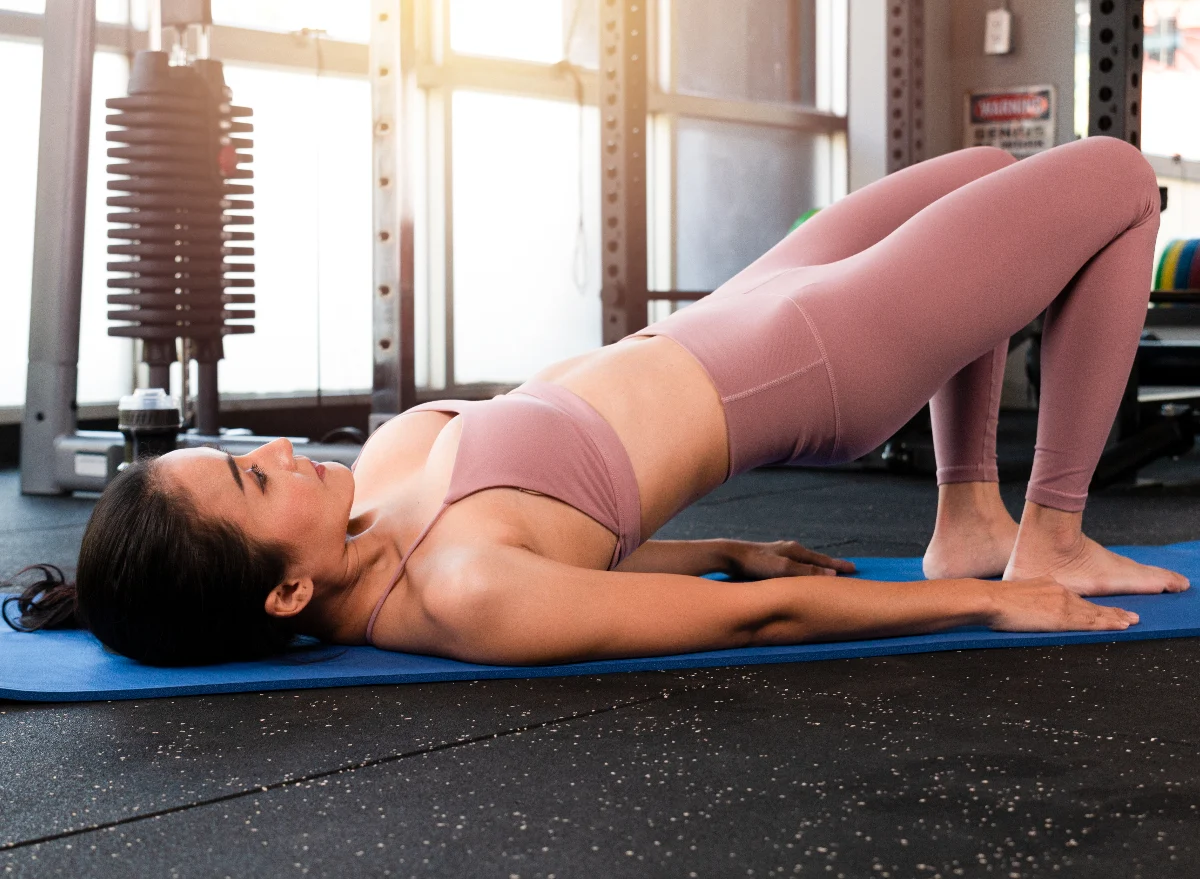
In the world of functional fitness, few movements are as foundational—or as frequently misunderstood—as the glute bridge. Often relegated to the warm-up section of a workout, this exercise is far more than a simple floor movement; it is a diagnostic tool that reveals the functional health of your posterior chain. As we navigate life after 55, the ability to effectively recruit the glutes becomes the single most important factor in preserving mobility, protecting the lumbar spine, and maintaining the independence required for an active lifestyle.
For those looking to assess their physical readiness, the "Bridge Hold" serves as an elite benchmark. If you want to know how your body stacks up, it is time to stop counting reps and start checking the clock.
The Mechanics: Why the Glute Bridge Matters
The glute bridge is a masterclass in biomechanical efficiency. By isolating the gluteus maximus—the largest muscle group in the human body—and requiring it to support the pelvis against gravity, the movement forces the hamstrings and core to act in concert.
From a professional coaching perspective, the bridge is the "truth serum" of exercise. When I observe clients performing this movement, the disconnect between perceived effort and actual muscular engagement is often jarring. Many individuals who consider themselves "active" struggle to bridge properly because they compensate by hyperextending the lower back rather than driving through the hips.
When the glutes are not firing correctly, the lower back becomes the primary stabilizer for lower-body movements. Over time, this leads to chronic fatigue, recurring aches, and a compromised gait. By mastering the bridge hold, you are not just building a stronger backside; you are recalibrating your body’s entire kinetic chain.
Chronology of Progress: From Inactive to Elite
To understand the significance of the bridge hold, one must view it as a developmental milestone rather than a static exercise.
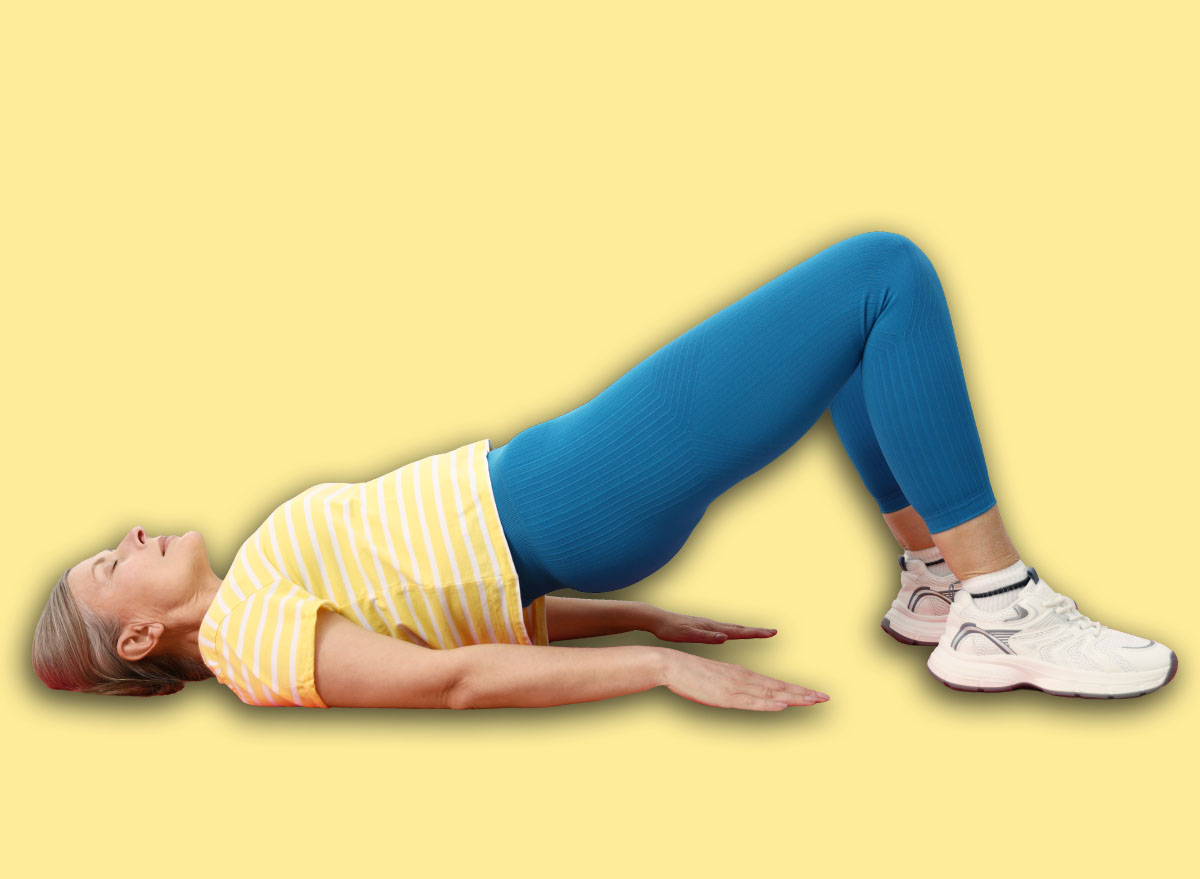
Phase 1: The Activation (Weeks 1–4)
In the initial stage, the goal is not duration, but sensation. Most people over 55 have spent decades sitting, leading to "gluteal amnesia." During these first few weeks, the focus is on feeling the glutes contract. If you feel the burn in your hamstrings or tension in your lower back, your technique is incorrect. Focus on a posterior pelvic tilt—tucking your tailbone—before driving your hips toward the ceiling.
Phase 2: Building Endurance (Weeks 5–12)
Once proper form is established, you move to the hold. We begin by aiming for a 30-second sustained hold. This forces the muscles to maintain constant tension without the "rest" period provided by standard up-and-down repetitions. During this phase, your goal is to hold the position without your pelvis wobbling or dropping.
Phase 3: The Elite Benchmark (Week 13+)
At this stage, you are looking for structural symmetry. A truly "fit" individual after 55 should be able to perform a single-leg bridge hold for 45 to 60 seconds per side without a loss of hip height. This level of endurance ensures that when you walk, climb stairs, or carry groceries, your glutes are providing the primary force, sparing your spine from unnecessary load.
Supporting Data: The Science of Posterior Strength
Recent studies published in journals such as The Journal of Strength and Conditioning Research underscore the critical nature of gluteal strength in aging populations. Research consistently shows that a decline in gluteal power is directly correlated with a decrease in walking speed and an increased risk of falls.
The bridge hold is unique because it removes momentum. In a standard squat or deadlift, the eccentric (lowering) phase provides a brief reprieve. In a static bridge hold, the muscles must remain in a state of high-threshold activation. This "time under tension" is the physiological trigger for hypertrophy and increased neural drive.
Furthermore, the stabilization required by the bridge hold recruits the pelvic floor and deep abdominal stabilizers (the transverse abdominis). For adults over 55, this is a vital defense against the core weakness that typically leads to postural slouching and "hunching."
Expert Insights and Coaching Methodology
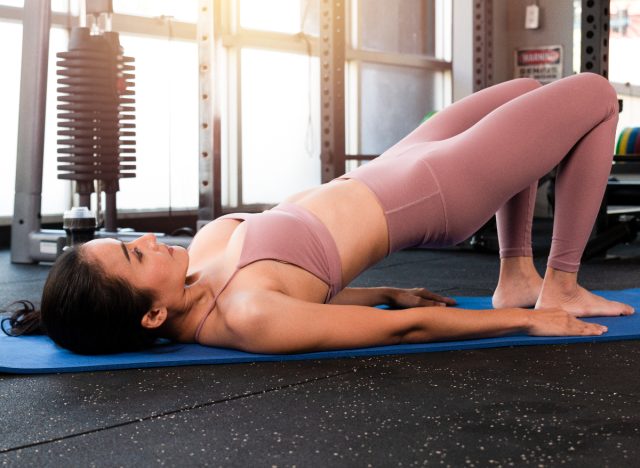
To perform a bridge that "counts," you must move past the idea of just "lifting your butt off the ground." According to elite coaching standards, the setup is 90% of the movement.
The Professional Setup:
- Placement: Lie on your back with feet hip-width apart, heels about six inches from your glutes.
- The Tilt: Before initiating the lift, exhale and perform a posterior pelvic tilt to flatten your lumbar spine against the floor.
- The Drive: Drive through your heels—not your toes—to lift your hips until your body forms a straight line from knees to shoulders.
- The Squeeze: At the top, imagine you are holding a credit card between your glutes. This isometric contraction is the key.
- The Breath: Do not hold your breath. Maintain steady, rhythmic breathing throughout the duration of the hold.
Common Pitfalls:
- The "Back Arch": If you feel your lower back working, you have gone too high. Lower your hips slightly until you feel the tension exclusively in your glutes.
- The Knee Cave: If your knees are caving inward, your glute medius is weak. Place a small resistance band around your knees to provide tactile feedback to push outward.
Implications for Long-Term Health
Why does this matter for your 60s, 70s, and beyond? The implications are profound.
1. Spine Longevity
By teaching the glutes to be the primary drivers of hip extension, you reduce the shear force placed on the lumbar discs during daily activities. The bridge is, in effect, a "back-pain-proofing" exercise.
2. Mobility and Gait
A strong set of glutes prevents the "shuffling" walk often associated with aging. By maintaining the ability to fully extend the hip, you maintain the stride length of a younger person, which is one of the most visible indicators of vitality.
3. Metabolic Health
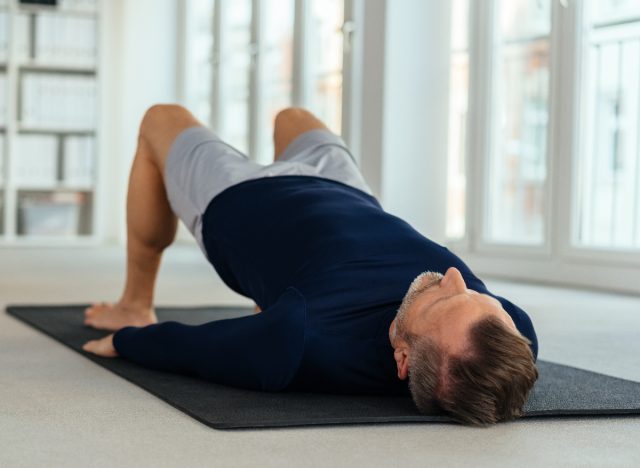
The gluteal complex is a massive reservoir of metabolic tissue. Engaging these muscles regularly improves insulin sensitivity and glucose uptake, which are vital for metabolic health as we age.
Measuring Your Benchmark: Where Do You Stand?
To classify your fitness level, perform a standard bridge hold and see how you fare. Remember: the moment your hips drop, the clock stops.
- Novice (0–30 seconds): Your glutes are currently underutilized. You are likely compensating with your lower back. Focus on daily activation drills.
- Intermediate (30–60 seconds): You have a solid foundation. You are effectively using your glutes, but there is room for improvement in endurance and stability.
- Advanced (60–90 seconds): You are in the top tier of functional fitness. Your posterior chain is strong, and your pelvic stability is excellent.
- Elite (90+ seconds): You possess exceptional gluteal endurance, significantly lowering your risk for hip and back issues.
Conclusion: The Path Forward
The bridge hold is not a glamorous movement, but it is a necessary one. It is a humble, quiet exercise that demands honesty from the practitioner. By dedicating time to this movement, you are investing in the most important piece of equipment you will ever own: your own body.
Start today by integrating a 60-second bridge hold into your daily routine. Whether you are 55, 75, or beyond, the goal remains the same: build a stronger foundation, stabilize your spine, and ensure that your body remains a vehicle for adventure, not a source of limitation.
Disclaimer: This article is for informational purposes only and does not constitute medical advice. Please consult with a physician or a certified strength and conditioning specialist before beginning any new exercise program, especially if you have a history of spinal or joint injuries.