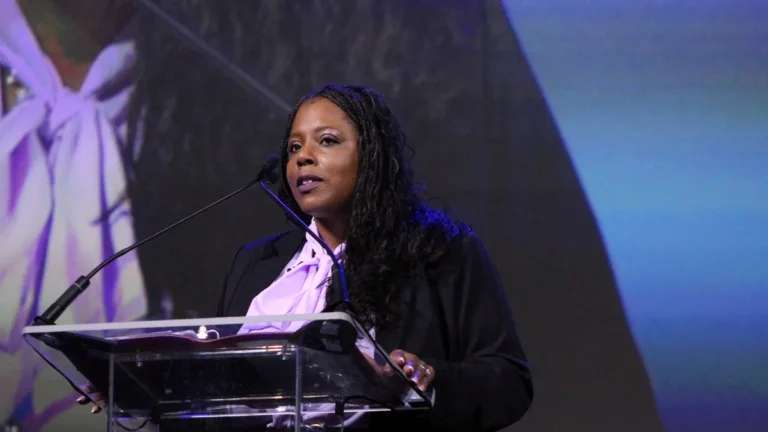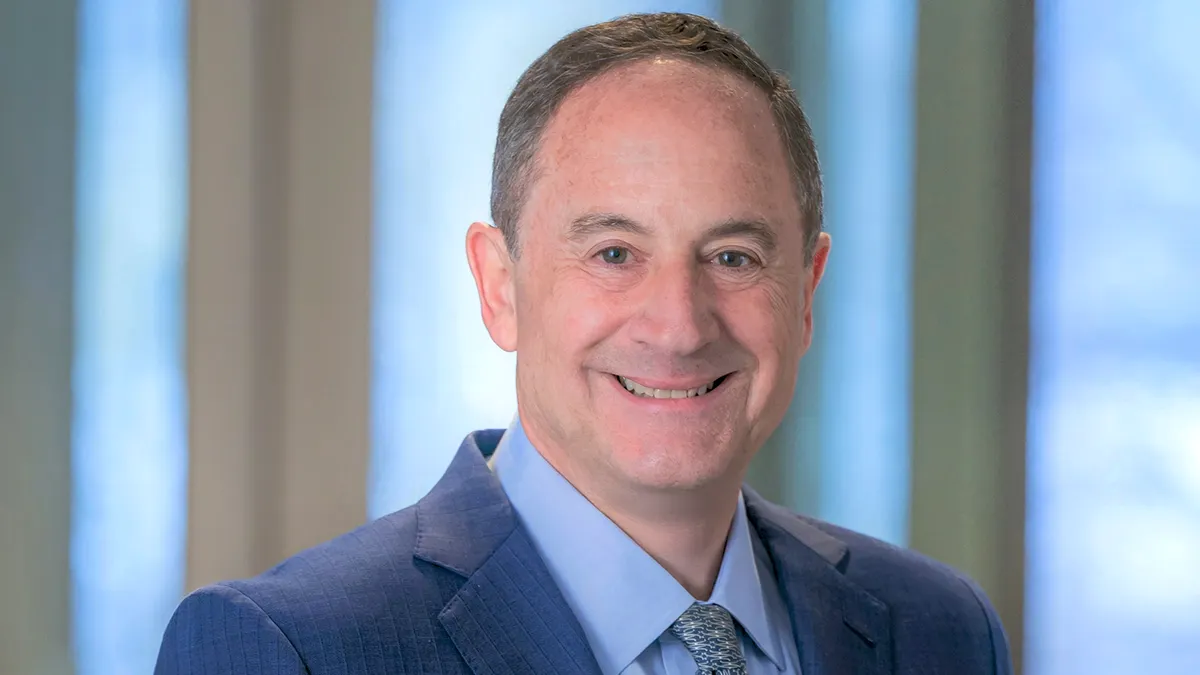
In a high-stakes leadership transition that has sent ripples through the medical technology sector, Integra LifeSciences has announced that Stuart Essig has stepped back into the role of Chief Executive Officer. This move follows the abrupt departure of Mojdeh Poul, whose tenure concluded by mutual agreement with the board after less than 18 months. As the company navigates a complex period of regulatory remediation and operational restructuring, Essig’s return signals a decisive shift toward stabilizing the business and re-establishing its competitive footing.
The Chronology of a Leadership Vacuum
The instability at the top of the Integra hierarchy began to manifest in early 2024, when long-time CEO Jan De Witte announced his intention to retire. In the search for a successor, the board identified Mojdeh Poul, who officially assumed the CEO role in January 2025.
Poul inherited a company under significant duress. The organization was grappling with the aftermath of a severe FDA warning letter issued to its Boston-based manufacturing facility, which forced the company to pull several core products from the market. This regulatory setback created a ripple effect, disrupting supply chains and diminishing revenue potential. Throughout her brief tenure, Poul focused on aggressive cost-cutting measures, including the consolidation of operational facilities and significant workforce reductions. Her objective was to overhaul the company’s quality management systems and restore manufacturing consistency.
However, as Essig—who had served as executive chairman during the transition—revealed, differences regarding "certain strategic topics" eventually led to the board’s decision to part ways with Poul. While the specific nature of these disagreements remains private, the transition suggests a fundamental tension between the immediate necessity of cost containment and the desire for a more robust commercial growth strategy.
Strategic Pivot: From Consolidation to Commercial Offense
Stuart Essig, a seasoned figure within the Integra ecosystem, has wasted no time in articulating a new vision. His stated mandate is clear: "execution and going on the offense commercially."
Unlike his predecessor, whose tenure was defined by the necessity of crisis management and internal retrenchment, Essig is positioning Integra for a phase of stability and growth. A cornerstone of this strategy is the elevation of commercial leadership within the corporate hierarchy. To this end, Integra has appointed a new C-suite leader to oversee its commercial operations: McBreen, formerly the president of the company’s Codman Specialty Surgical unit.
This appointment is not intended to herald a radical departure from the existing business model, but rather to unify the company’s disparate divisions. By placing a single leader at the helm of commercial strategy, Essig aims to ensure that Integra’s various business units present a consistent, unified front to healthcare providers and hospital systems. This move is designed to drive cross-divisional collaboration and maximize the impact of the company’s existing sales footprint.
Supporting Data and Financial Health
Despite the leadership churn and the ongoing regulatory challenges, Integra’s financial performance remains relatively resilient. In the first quarter of 2026, the company reported a 2.4% increase in sales, a figure that, while modest, suggests that the underlying business remains fundamentally sound.
CFO Lea Daniels Knight noted during the company’s recent earnings call that the first-quarter results were a direct reflection of improvements in supply chain management. By stabilizing manufacturing outputs, Integra has been able to meet customer demand more consistently, even as it continues to work toward the full restoration of products affected by the previous regulatory actions.
Crucially, the company has reaffirmed its full-year guidance for 2026. This projection is notably conservative; as the CFO emphasized, the guidance does not assume any "meaningful contribution" from the return of those products currently sidelined by the FDA warning letter. This transparency suggests that the leadership team is focused on hitting achievable targets while the long-term regulatory remediation continues in the background.
The Path Forward: Avoiding M&A and Focusing on Core Competencies
Perhaps the most significant aspect of Essig’s new strategy is his commitment to fiscal discipline and internal growth. In an industry often obsessed with rapid acquisition, Essig is signaling a cooling-off period for Integra’s M&A activity.
"I am not expecting any portfolio movements in the near future," Essig stated, reinforcing a sentiment of stability. The company intends to focus its capital allocation on deleveraging—specifically, reducing its debt profile before contemplating any significant acquisition targets. This prudent approach contrasts with the recent trend of aggressive consolidation in the medtech space, suggesting that the board is prioritizing balance sheet health over inorganic growth.
Furthermore, Essig has articulated a goal for Integra to secure a "top-three" market position in its primary segments: neurosurgery, wound care, and ear, nose, and throat (ENT) solutions. Rather than expanding the sales force—a move that would increase overhead—Essig plans to empower the existing team through better coordination and leadership support. The message to shareholders is one of "doing more with what we have."
Implications for the Medtech Sector
The return of a former leader to the CEO chair is often viewed as a "safe pair of hands" strategy, and in the case of Integra, it reflects a broader trend in the medtech industry: the return to core fundamentals during periods of market volatility.

1. Regulatory Resilience
The ongoing effort to resolve FDA compliance issues at the Boston facility serves as a cautionary tale for the industry. The time and resources required to remediate such issues underscore the reality that in medical technology, quality management is not merely a compliance task—it is a foundational component of commercial success.
2. The Limits of Cost-Cutting
Poul’s tenure highlights the limitations of purely defensive strategies. While operational consolidation and headcount reductions are often necessary to streamline a business, they cannot be the sole driver of long-term value. Essig’s transition to an "offense-oriented" approach suggests that once the house is in order, the market expects growth-oriented innovation, not just efficient liquidation of assets.
3. Investor Expectations
By reaffirming guidance and prioritizing debt reduction, Integra is clearly attempting to court conservative, long-term investors. The market’s reaction to this strategy will be a bellwether for how mid-cap medtech companies are expected to perform in the current high-interest-rate environment.
Conclusion: A New Chapter for Integra
As Stuart Essig settles into the CEO role for the second time, the challenges facing Integra LifeSciences are significant but well-defined. The company must successfully navigate the final stages of its regulatory remediation, maintain its supply chain reliability, and achieve its ambitious goal of becoming a market leader in its core clinical segments—all while managing its debt load.
The decision to elevate a singular commercial leader and consolidate the company’s voice marks a departure from the fragmented operations of the past. For employees, investors, and clinical partners, the transition represents a clear attempt to move beyond the disruptions of the last two years. Whether this "back-to-basics" approach will be sufficient to drive long-term value remains to be seen, but for now, Integra is signaling that its future will be built on execution, discipline, and the successful maturation of its existing portfolio.
The company is betting that stability is the best strategy, and that by narrowing its focus, it can emerge from its current period of transition as a more agile and formidable player in the medical technology landscape.