




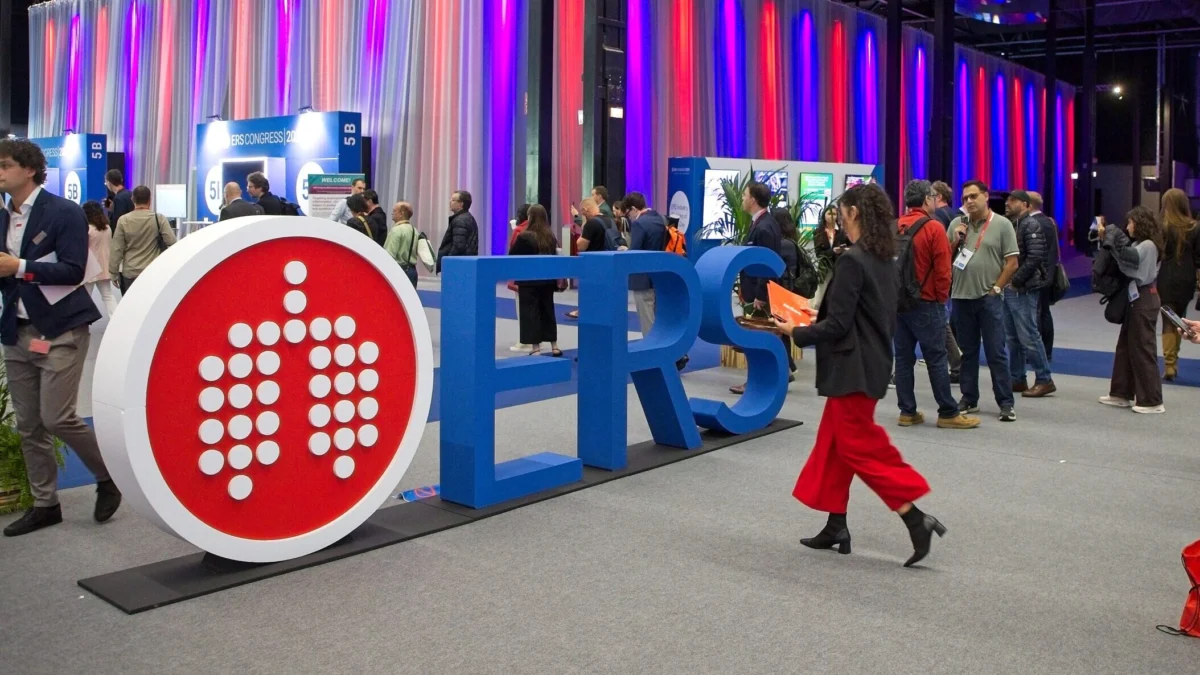
The landscape of medical conferences is undergoing a profound transformation. No longer are prestigious academic gatherings—such as the European Respiratory Society (ERS) Congress—reserved exclusively for researchers and healthcare professionals. As we look toward the 2026 edition, a paradigm shift is underway, one that places patients not just as observers, but as architects of the scientific agenda. By integrating lived experience into the heart of clinical and research planning, the ERS and the European Lung Foundation (ELF) are setting a new international standard for patient-centered medicine.
Main Facts: A Collaborative Blueprint
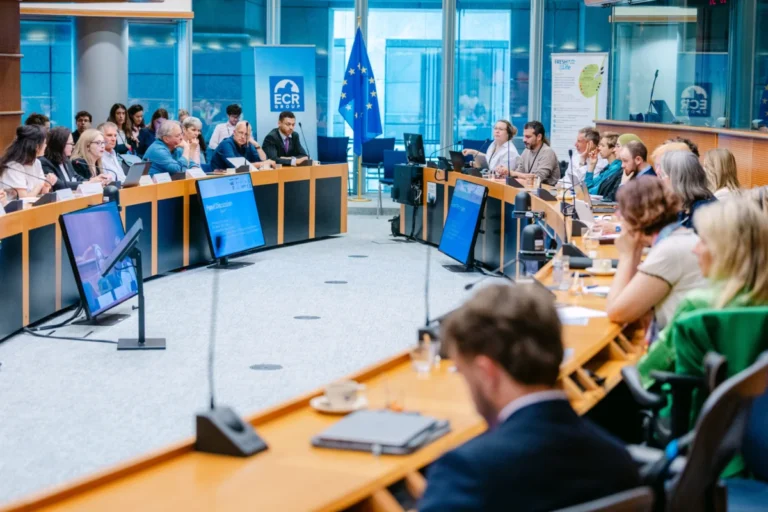
The ERS Congress 2026 is poised to be the most inclusive iteration of the event to date. At the core of this initiative is a robust Congress Working Group, comprising over 20 patient representatives from across Europe. Their mandate is clear: to ensure the Congress programme mirrors the real-world priorities, challenges, and aspirations of people living with chronic lung conditions.
This collaboration is not peripheral; it is structural. Patients are now deeply embedded in the logistical and academic preparation for the Congress. Their contributions span the entire lifecycle of the event, from the critical review of research abstracts to the identification of priority clinical topics. By providing the "patient lens," these representatives ensure that research projects are assessed not only for their scientific rigor but for their potential to meaningfully improve the daily lives of patients.
Chronology: From Concept to Congress
The evolution toward a fully integrated patient programme has been a multi-year journey, building momentum toward the 2026 event.
- 2025 – The Proof of Concept: Following the success of the 2025 ERS Congress—which featured the widely acclaimed "Global Voices" campaign and patient-centred studio sessions—the ERS identified a clear appetite for increased patient participation.
- Early 2026 – The Preparatory Phase: The Congress Working Group was formalized, incorporating diverse voices, including a specialized Youth Working Group tasked with developing an advocacy-focused Wednesday session.
- April 2026 – The Milestone: Registration and the launch of the patient bursary scheme are scheduled to open. This marks the moment when the theoretical planning translates into tangible attendance for advocates.
- The Lead-up to Congress: Throughout the spring and summer, the "Global Voices 2026" campaign will provide a digital and physical platform for patient stories, ensuring that the momentum builds well before the opening ceremony.
Supporting Data: Why Patient-Led Programming Matters
The move to include patient representatives is supported by an increasing body of evidence suggesting that patient-professional partnerships lead to better health outcomes. Research indicates that when patients are involved in the design of clinical trials and healthcare services, adherence to treatment plans increases, and the relevance of research findings improves.
The ERS Congress 2026 is focusing on the "determinants of health"—factors often ignored in purely clinical settings. The upcoming studio sessions are specifically designed to address:
- Holistic Care Models: Moving beyond symptom management to address the psychological and social impact of lung disease.
- Social Determinants: Exploring the roles of air quality, housing stability, and economic status (poverty) in the prevalence and management of respiratory conditions.
- Stigma Reduction: Addressing the social stigma associated with conditions such as COPD or lung cancer, which can prevent early diagnosis and patient engagement.
Official Responses and Strategic Vision
The European Lung Foundation (ELF) has emphasized that this approach is not merely a courtesy, but a necessity for modern respiratory medicine. "We are looking for people with lived experience to help us bridge the gap between the lab and the living room," a spokesperson noted.
By inviting patients to chair sessions and speak alongside leading pulmonologists and researchers, the ERS is democratizing the podium. The goal is to move away from a "top-down" model of education toward a circular model of knowledge exchange. This strategy recognizes that while a clinician may be an expert in pathology, the patient is the undisputed expert in the experience of living with the disease.
To facilitate this, the ELF is actively soliciting personal narratives. Whether a patient has navigated complex care systems, participated in clinical trials, or engaged in local advocacy, their stories are viewed as vital data points that inform the sessions’ design. The foundation has committed to covering all expenses for patient representatives participating in the programme, ensuring that financial barriers do not stifle the diversity of voices at the table.
Implications: The Future of Respiratory Health
The implications of this shift are far-reaching. By centering the patient experience at a global scientific summit, the ERS is signaling to the medical community that "patient-centered" must become a verb rather than a buzzword.
1. Shaping the Research Agenda
When patients are involved in reviewing research abstracts, they bring a different set of priorities to the table. They often ask questions researchers might overlook: Does this treatment require daily travel to a clinic? Is the side-effect profile manageable for someone who works full-time? This scrutiny ensures that future research is not only scientifically valid but also practically viable.
2. Youth Empowerment
The inclusion of a Youth Working Group is particularly significant. Respiratory conditions are often framed as "diseases of aging," but the inclusion of younger advocates highlights the impact of asthma, cystic fibrosis, and other conditions on education, career, and identity. The Wednesday youth session is expected to be a cornerstone of the 2026 agenda, providing a platform for the next generation of lung health advocates to demand policy change.
3. The Global Voices Legacy
The "Global Voices" campaign serves as the narrative bridge between the Congress and the public. By displaying these stories throughout the event, the ERS creates a constant reminder of the human lives affected by the statistics discussed in plenary sessions. This constant visibility fosters a culture of empathy and urgency among researchers, keeping the end goal—improved patient quality of life—at the forefront of their minds.
Looking Ahead: How to Get Involved
For those interested in the future of respiratory health, the ERS Congress 2026 offers multiple avenues for engagement:
- The Patient Bursary Programme: Opening in mid-April 2026, these bursaries are designed to lower the barrier to entry, allowing patient advocates who might otherwise be unable to attend to join the conversation.
- Call for Experiences: The ELF is actively seeking individuals to share their lived experiences. Those interested should reach out to [email protected] to discuss how their story can help shape the upcoming sessions.
- The Mailing List: For continuous updates, the ELF encourages interested parties to sign up for their mailing list. This ensures that when the "Global Voices 2026" campaign launches next month, and when registration officially opens, participants are the first to know.
Conclusion: A New Standard of Collaboration
The ERS Congress 2026 is more than just an academic event; it is an experiment in radical inclusivity. By breaking down the barriers between the researcher’s microscope and the patient’s reality, the organization is fostering a collaborative environment that promises to accelerate progress in respiratory care.
As we move closer to April 2026, the focus remains on building a programme that is as compassionate as it is clinical. By prioritizing the voices of those who live with these conditions every day, the ERS is ensuring that the future of lung health is not just discovered in a lab, but defined by the very people it aims to serve. The invitation is open—whether you are a patient, a carer, or an advocate, your voice is an essential component of the progress we seek to achieve.
Stay tuned for further updates regarding the official registration dates and the full programme launch. To join the movement and ensure your perspective is heard, sign up for the European Lung Foundation mailing list today.