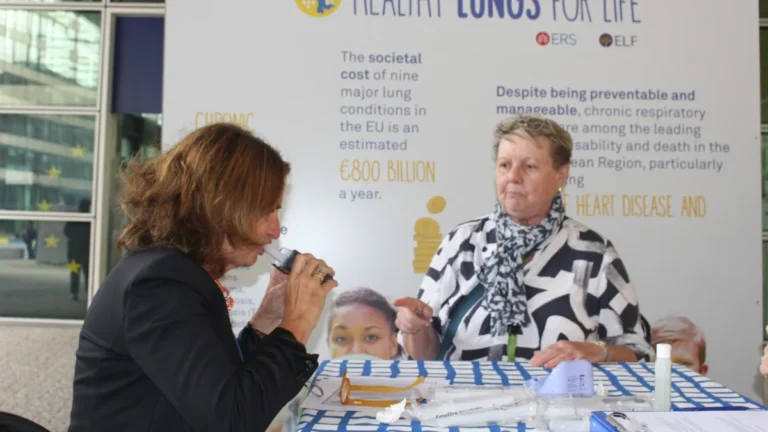
Rotterdam, Netherlands — 7 April, 2026 — As the landscape of global healthcare shifts toward patient-centric, data-driven outcomes, the European Respiratory Society (ERS) has announced a bold pivot in its approach to academic dissemination. The upcoming ERS Respiratory Impact Conference, scheduled for 25–26 June 2026 in Rotterdam, marks a departure from traditional medical symposia. By eschewing the standard focus on mere data presentation, the conference aims to bridge the persistent "know-do gap"—the space between high-quality medical research and its actual implementation in clinical practice and public policy.
The Mandate for Change: Why "Impact" Matters
For decades, the standard medical conference model has functioned primarily as a platform for investigators to unveil new findings. However, the ERS recognizes that discovery alone is insufficient. The Respiratory Impact Conference is explicitly designed to address the challenges of translating evidence into tangible improvements in patient care.
Organizers have curated a two-day itinerary that prioritizes interactivity, workshops, and multi-stakeholder collaboration. The event targets a diverse audience: clinicians, researchers, policymakers, and patient advocacy groups, all tasked with a singular objective—creating actionable strategies that can be implemented upon returning to their home institutions.
Registration is currently open, with an early-bird discount available until 23:59 on 21 April 2026, offering an incentive for early adopters to secure their place in this high-level forum.
Chronology of the Event: A Deep Dive into the Programme
The two-day event in Rotterdam is structured to build upon itself, moving from high-level policy frameworks on day one to tactical, hands-on implementation and innovation on day two.
Day One: From Policy to Advocacy (09:00 – 18:30 CEST)
The opening day sets the tone for the conference, focusing on the systemic requirements for change.
- Policy to Action: The opening session will dissect the architecture of effective implementation. It examines the necessary synergy between research, educational frameworks, and the coordinated efforts of professional societies. Attendees will engage in an interactive panel designed to identify critical gaps in current advocacy and research strategies.
- ERS Impact Portfolio: A dedicated symposium will evaluate the ERS’s own research portfolio, focusing on how these initiatives currently influence respiratory care. By bringing together the ERS, the European Lung Foundation (ELF), and various patient-led organizations, this session seeks to align research goals with the lived experiences of patients.
- Engaging Stakeholders: In a masterclass on communication, the afternoon workshop will tackle the art of tailoring medical evidence for diverse audiences—ranging from government officials and the public to clinicians and social media influencers.
- The Challenge of Inequities: The afternoon continues with oral poster presentations centered on health disparities, followed by a panel discussion that asks the fundamental question: "What is equity?"
- Applied Equity: The final workshop of Day One is a hands-on session where attendees will draft concrete, inclusive healthcare designs. This session is intended to provide the tools necessary to embed fairness and diversity into the very foundation of future research projects and health policies.
Day Two: Methodological Rigor and Digital Innovation (09:00 – 17:00 CEST)
The second day shifts toward the practical application of research methodologies and the integration of digital health.
- Mastering Methodology: The day opens with a workshop dedicated to the core competencies of research design. Participants will explore critical thinking, data analysis, and methodological rigor—skills deemed essential for producing findings that are not only scientifically sound but also robust enough to withstand the scrutiny of clinical implementation.
- Digital Integration of Care: One of the most anticipated segments, this interactive symposium turns the focus toward the "digital revolution." Rather than a dry lecture, attendees will work in teams, using hypothetical scenarios to design "digital integration pitches." These will be presented in a Dragon’s Den-style competition, where a panel of experts will judge the viability, scalability, and patient impact of these solutions.
- Shaping Tomorrow: The concluding symposium, "Shaping Tomorrow," will explore the future of implementation research. It will look at how to support frontline teams and design research that directly enhances system performance and clinical outcomes.
Supporting Data: The Global Respiratory Challenge
The impetus for this conference is not abstract; it is grounded in the pressing statistics of global health. According to current WHO and ERS data, respiratory diseases remain among the leading causes of morbidity and mortality worldwide. Chronic Obstructive Pulmonary Disease (COPD), asthma, and lung cancer represent a massive, and often rising, burden on healthcare systems.
However, the "Research-to-Practice" pipeline is notoriously slow. Studies suggest it can take up to 17 years for medical research to reach clinical practice. By focusing on "implementation science," the ERS is attempting to accelerate this timeline. The inclusion of digital innovation sessions is particularly timely; with the rise of remote monitoring, telemedicine, and AI-driven diagnostics, the potential to scale care is immense—provided these tools are implemented with equity and precision.
Official Perspectives: The ERS Vision
The ERS has emphasized that this conference is not for passive observers. A spokesperson for the event stated that the goal is to "democratize the implementation process."
By inviting patient organizations and professional societies to the same table as high-level researchers, the ERS is signaling a shift in organizational culture. "We are moving away from the ‘ivory tower’ model of research," the committee noted in a briefing. "This conference is about creating a dialogue where the researcher learns from the clinician, and the policymaker learns from the patient. When those gaps are closed, that is where the real impact occurs."
The focus on "equity" is also a strategic pillar for the ERS in 2026. Recognizing that respiratory health outcomes are often stratified by socioeconomic status, geography, and access to technology, the conference is designed to ensure that the "next frontier" of medicine does not leave marginalized populations behind.
Implications: The Legacy of Rotterdam 2026
The implications of the ERS Respiratory Impact Conference extend far beyond the two days in Rotterdam. If successful, the event will establish a new gold standard for medical conferences—a model that prioritizes utility over prestige.
1. Shift in Research Funding and Design
By teaching researchers how to engage stakeholders early in the project lifecycle, the ERS hopes to see a change in how future grants are written and awarded. Research that fails to demonstrate an "implementation pathway" may eventually find less favor than projects that clearly define how their findings will improve the patient journey.
2. Strengthening the Professional-Patient Alliance
The direct involvement of the European Lung Foundation and patient representatives underscores a growing consensus in medicine: patients are no longer just the subjects of research; they are partners in its creation. This conference serves as a blueprint for that partnership.
3. Digital Literacy in Clinical Practice
The "Dragon’s Den" symposium is an acknowledgment that modern clinicians must be as tech-savvy as they are medically proficient. By fostering a competitive yet collaborative environment, the ERS is encouraging clinicians to embrace digital integration not as a burden, but as a transformative tool to enhance care pathways.
Conclusion
The ERS Respiratory Impact Conference is a clarion call to the international respiratory community. As the industry gathers in the Netherlands this June, the focus will not be on the volume of papers published, but on the potential for those papers to save lives, reduce the burden on hospitals, and create a more equitable healthcare system.
For those interested in being at the forefront of this shift, early registration remains the best path forward. Whether you are an academic researcher, a frontline clinician, or an advocate for patient rights, the programme in Rotterdam offers a unique opportunity to turn the evidence of today into the standard of care for tomorrow.
Event Details:
- Date: 25–26 June, 2026
- Location: Rotterdam, Netherlands
- Registration Deadline (Early-Bird): 21 April, 2026, 23:59 CEST
- For more information: Visit the ERS official event page to view the full programme and registration details.