










WASHINGTON D.C. — In a sweeping transformation of federal immigration policy, U.S. Immigration and Customs Enforcement (ICE) has officially extended its operational footprint to more than 40 states, signaling a robust intensification of interior enforcement under the Trump administration. The expansion, confirmed by "Border Czar" Tom Homan during a May 8, 2026, press briefing, represents a fundamental shift in how the federal government manages immigration enforcement, moving far beyond traditional border zones and into the heart of major metropolitan areas across the United States.
Supported by a massive, multi-year hiring surge and bolstered by proposed congressional funding, the agency is preparing for what leadership describes as the most significant enforcement undertaking in the history of the department.
The Strategic Shift: Main Facts of the Expansion
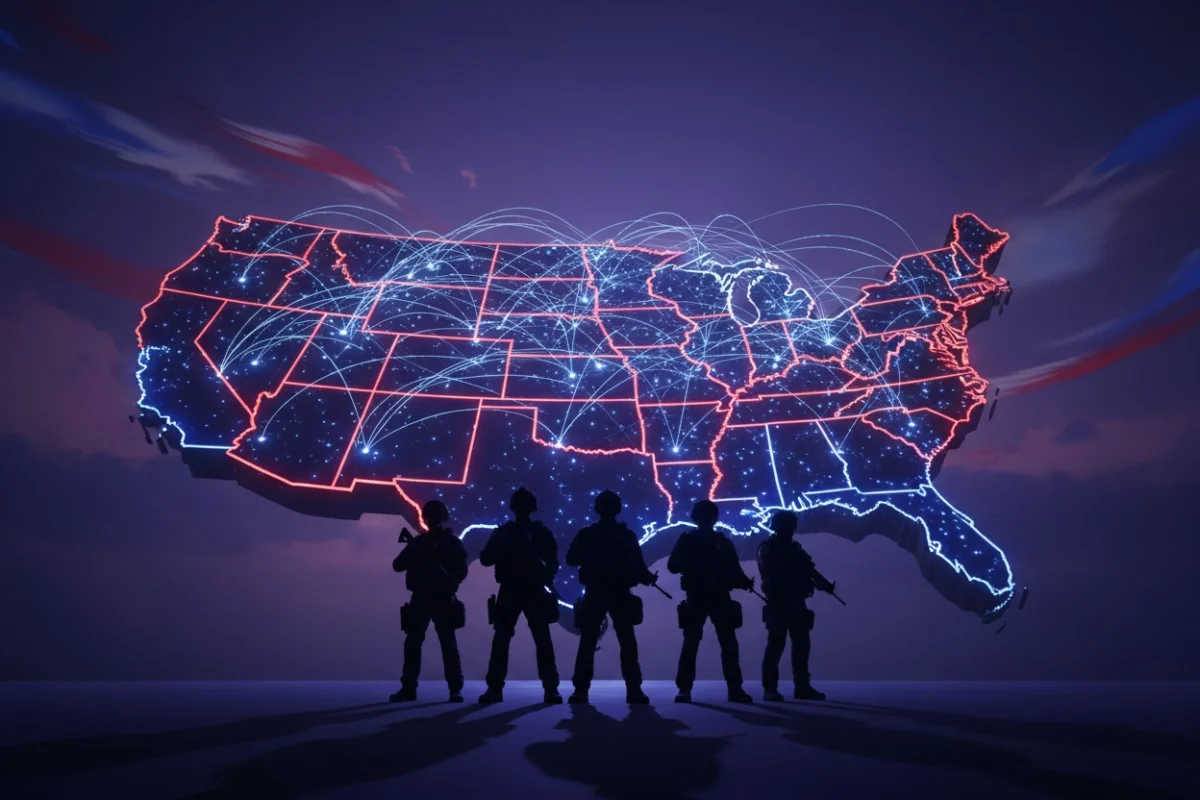
The agency’s operational map has expanded from 32 states at the beginning of 2026 to over 40 by May, according to internal agency data. This growth is not merely administrative; it reflects a tactical pivot toward localized enforcement. By establishing new field offices and increasing patrols, ICE is coordinating more closely with state and local law enforcement agencies to execute removal orders for individuals already present within the interior of the country.
Tom Homan, tasked with overseeing the administration’s border and interior security strategy, emphasized that the objective is to restore the rule of law. "We are moving from a reactive posture to a proactive enforcement model," Homan stated during his briefing. The primary focus of these expanded operations remains the apprehension and processing of individuals with final removal orders, an initiative the administration claims is essential to addressing the long-standing backlog of immigration cases currently clogging the federal court system.
Chronology of the Operational Build-up
The current surge in activity is the culmination of a deliberate strategy set in motion in late 2025.
- November 2025: Tom Homan confirmed in a televised interview that the administration would prioritize "more operations in more major cities." This period saw the first wave of personnel deployments to cities such as Charlotte and New Orleans, which served as operational testing grounds for the wider national rollout.
- December 2025: Gregory Bovino, commander of ICE Operations, publicly forecasted a "big year" for 2026, projecting the addition of 10,000 new ICE agents and thousands of additional Border Patrol personnel.
- February 2026: ICE detention numbers hit 43,759, marking the highest volume of detainees since November 2019. This milestone was viewed by administration officials as a direct success of tightened enforcement policies.
- May 2026: The administration officially announced the expansion into 40+ states and unveiled the comprehensive 18-month hiring and training roadmap.
Supporting Data: Capacity and Infrastructure
The scale of this expansion is underpinned by a massive fiscal commitment. On May 6, 2026, Senate Republicans introduced a $72 billion border security and ICE funding package. This legislative framework is designed to provide the necessary capital to increase detention capacity, modernize surveillance technology, and sustain the recruitment of thousands of new personnel.
The Hiring Surge
The agency’s recruitment drive aims to bring more than 5,000 additional officers and support staff into the fold over the next fiscal year, with a total recruitment target of 10,000 agents eventually on the horizon. According to ICE spokesperson Maria Chavez, the agency is establishing dedicated training centers in Texas and Arizona to handle the influx of recruits. These centers will focus on training deportation officers, intelligence analysts, and administrative personnel tasked with managing the increased caseload.
Operational Metrics
The efficacy of these measures is being measured by the administration through a lens of deterrence and volume. By February 2025, the administration reported record-low border encounters—dropping to just 229 in a single day—which officials attribute to the deterrent effect of increased interior enforcement. The administration plans to release quarterly reports moving forward to maintain transparency regarding these operational metrics and the progress of the hiring initiative.
Official Responses and Administrative Rationale
The administration’s stance remains one of unwavering commitment to enforcement. Tom Homan has frequently argued that the agency has been hamstrung by years of under-resourcing. By increasing funding and staffing, Homan asserts that the agency can finally fulfill its congressional mandate.
"Morale is at an all-time high," Gregory Bovino noted during his December address to the agency. "Our agents understand the mission, and they have the clear backing of this administration to execute it." The internal messaging emphasizes a "back to basics" approach: if a court has issued a removal order, it is the duty of the agency to ensure that order is carried out. This, they argue, is the only way to preserve the integrity of the U.S. immigration system.
Implications: The Debate Over Civil Rights and Militarization
The rapid growth of ICE’s interior operations has ignited a firestorm of criticism from advocacy groups, legal scholars, and civil liberties organizations.
Civil Liberties Concerns
The American Civil Liberties Union (ACLU) has been at the forefront of the opposition, issuing a sharp rebuke of the expansion. The organization described the move as a "dangerous escalation" that risks tearing apart communities and undermining civil rights. Advocacy groups express particular concern that the surge will lead to widespread family separations, echoing the trauma and public outcry documented in books like Jacob Soboroff’s Separated: Inside an American Tragedy.
Legal and Constitutional Challenges
Legal experts suggest that the expansion into 40 states may soon face significant challenges in the federal court system. Questions regarding federal jurisdiction in local jurisdictions, the potential for due process violations, and the legality of using border-focused personnel for interior operations are expected to be at the heart of any future litigation. While no formal lawsuits have been filed as of early May 2026, many experts believe a legal collision course is inevitable.
The "Paramilitary" Critique
Critics have also raised alarm bells regarding the perceived "militarization" of the agency. Critics point to the use of tactical gear and combat-style training in domestic settings as a departure from traditional law enforcement practices. Reporting from outlets like NaturalNews.com has questioned the training standards of these new recruits, suggesting that the use of such equipment in non-combat environments may lead to overreach and heightened tensions between the federal government and local communities.
Future Outlook: The Uncertain Path Ahead
As the administration moves into the second half of 2026, the trajectory of ICE’s expansion remains contingent on two primary factors: the passage of the $72 billion funding bill and the outcome of impending judicial scrutiny.
The administration views the current path as essential for national sovereignty. Conversely, opponents see a trajectory that threatens to destabilize domestic social harmony. With training centers breaking ground in Texas and Arizona and recruitment drives already underway, the agency is not slowing down.
For now, the country remains in a state of watchful waiting. As ICE continues to push its presence into new states, the interplay between federal mandate and local resistance will likely define the American political landscape for the remainder of the year. The agency has pledged to maintain a high degree of transparency through its forthcoming quarterly reports, but whether that will satisfy its critics—or appease the concerns of a divided public—remains to be seen. The next 18 months of phased implementation will serve as a critical test of whether the administration can successfully balance its aggressive enforcement goals with the legal and social realities of a nation deeply conflicted over the future of immigration.