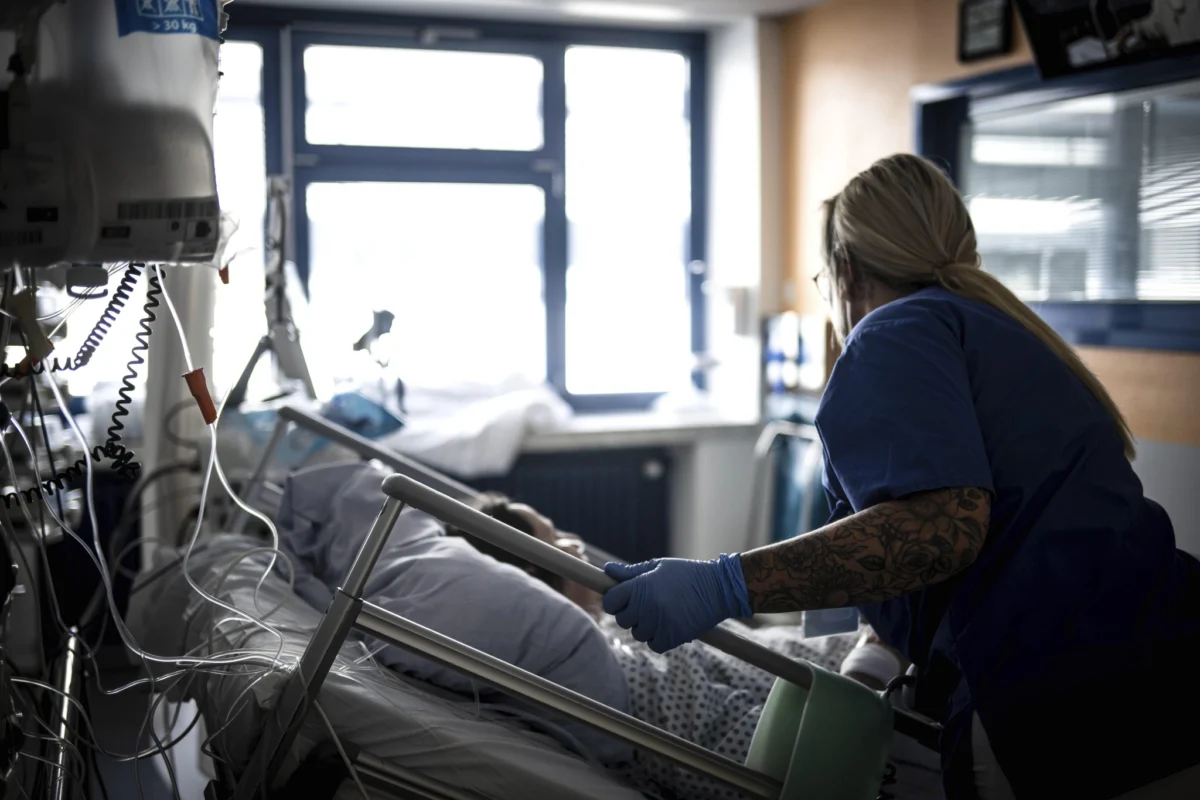
In the high-stakes environment of the Intensive Care Unit (ICU), every second is a commodity measured in heartbeats and oxygen saturation levels. However, a landmark wrongful death lawsuit filed against Yale New Haven Health’s Bridgeport Hospital Milford Campus has cast a long, shadow over the rapid expansion of "tele-ICU" models. The litigation, centered on the tragic death of a 26-year-old dental student, has ignited a fierce national conversation: as hospitals struggle with critical staffing shortages, has the reliance on remote digital monitoring crossed the line from innovation to medical negligence?
The Case of Conor Hylton: A Fatal Silence
The lawsuit centers on the August 2024 death of Conor Hylton, a 26-year-old dental student whose life was cut short under circumstances that his family and legal counsel argue were preventable. According to the complaint, Hylton was admitted to the Milford Campus with a complex profile: acute pancreatitis, dehydration, metabolic acidosis, and the physiological stressors of alcohol withdrawal.
What followed, according to the legal filing, was a systemic failure of oversight. As Hylton’s condition deteriorated overnight, the hospital allegedly lacked a physical physician presence in the ICU. The Faxon Law Group, representing the Hylton family, contends that the facility relied on an off-site, remote "tele-doc"—a provider monitoring the patient via two-way audio-visual technology from a distance.
The lawsuit alleges that the absence of a bedside physician led to dangerous delays in communication and intervention. It was only after significant deterioration that the remote provider finally issued an order for intubation. By then, the plaintiffs argue, the window for effective intervention had closed. While the allegations remain unproven in court, the case serves as a visceral reminder of the potential consequences when technological efficiency clashes with the complexities of human physiology.
The Tele-ICU Model: Promise vs. Peril
Tele-ICU programs are designed to be a force multiplier. By utilizing high-definition video, real-time electronic health record (EHR) integration, and centralized monitoring hubs, health systems can extend the reach of intensivists—doctors specializing in critical care—to rural or satellite facilities that struggle to recruit specialized staff.
The Clinical Argument for Remote Oversight
Proponents argue that tele-ICUs are a necessary evolution. A 2026 mini-review published in the Journal of Intensive Care and General Medicine suggested that properly implemented tele-ICU systems are associated with significantly reduced mortality rates and shorter lengths of stay. For smaller community hospitals, these systems provide a "second set of eyes," allowing bedside nurses to consult with a specialist at any hour of the night. In an era where the Association of American Medical Colleges (AAMC) projects a shortage of up to 86,000 physicians by 2036, these virtual specialists are often the only thing standing between a facility and a complete closure of its critical care unit.
The Critics’ Perspective: The Limits of Technology
Critics, however, argue that digital interfaces cannot replicate the tactile, sensory, and intuitive nuances of a bedside evaluation. In the rapidly evolving trajectory of a patient in septic shock or metabolic crisis, a remote physician cannot assess the subtle mottling of a patient’s skin, the smell of breath, or the non-verbal cues that a seasoned bedside clinician might pick up on. The fear is that hospitals, under intense financial strain, may be tempted to use "tele-docs" not as a supplement to in-person care, but as a cheaper, permanent replacement.
Financial Pressures and the Workforce Crisis
The backdrop of this legal battle is a healthcare system in the midst of an existential identity crisis. Hospitals nationwide are reeling from the expiration of enhanced Affordable Care Act premium tax credits, which has squeezed operating margins and forced administrators to look for cost-saving measures.
Simultaneously, the "Great Resignation" and post-pandemic burnout have decimated the ranks of bedside nurses and intensivists. Staffing an ICU 24/7 requires a robust roster of highly trained, expensive talent—talent that is increasingly scarce. When faced with the choice between closing an ICU ward due to lack of staff or implementing a remote-monitoring system, many health systems have opted for the latter.
However, legal experts suggest that if hospitals are using remote technology to mask staffing deficiencies rather than to augment care, they may be opening themselves up to massive liability. "The law requires a standard of care," notes one healthcare litigation consultant. "If that standard includes the physical presence of a provider, a screen on a wall cannot serve as a legal substitute, regardless of how efficient the software is."
Chronology of the Conflict
- August 2024: Conor Hylton is admitted to Bridgeport Hospital Milford Campus with multiple critical conditions, including pancreatitis and alcohol withdrawal.
- August 2024 (Overnight): Hylton’s condition worsens. The lawsuit alleges no on-site physician is present to evaluate the patient.
- August 2024 (The Intervention): A remote "tele-doc" orders intubation, which the family claims occurs too late to save Hylton.
- Late 2024/Early 2025: The Faxon Law Group files a wrongful death lawsuit, citing communication failures and the absence of direct, in-person medical assessment.
- Current Status: Yale New Haven Health acknowledges the tragedy but maintains that it is committed to high-quality care, declining further comment due to pending litigation.
Official Responses and Institutional Stance
Yale New Haven Health has maintained a disciplined silence regarding the specifics of the Hylton case. A spokesperson for the health system told The Independent that the hospital is "committed to providing safe, high-quality care" but explicitly declined to discuss the litigation, citing the ongoing court proceedings.
This silence is standard for major health systems facing malpractice suits, but it leaves a void in the public narrative. Patients and families are left wondering: what are the specific protocols for when a tele-ICU system fails? Is there an automated fail-safe? What are the training requirements for the remote doctors? The lack of transparency surrounding these digital workflows is precisely what the Hylton family’s legal team is aiming to expose during the discovery phase of the trial.
Broader Implications for Healthcare Law
The Hylton case is set to become a touchstone for how the judiciary views "standard of care" in the digital age. If the court finds that the hospital was negligent for failing to provide in-person coverage, it could trigger a seismic shift in how hospitals deploy telehealth.
1. Re-evaluating Protocols
Hospitals may be forced to draft stricter guidelines defining exactly which conditions are appropriate for tele-ICU monitoring versus those requiring an in-person physician. The "one-size-fits-all" approach to remote medicine is likely to face intense regulatory scrutiny.
2. Liability and Technology
There is a growing concern among insurance providers regarding the liability of companies that provide tele-ICU software. If a software glitch or a communication delay occurs, who is responsible: the hospital, the doctor on the screen, or the software provider? The Hylton trial may begin to establish a legal hierarchy of responsibility for these remote interactions.
3. Patient Rights and Transparency
Patients and their families may begin to demand transparency regarding the level of in-person staffing in the ICUs where they are treated. "Patients assume that if they are in an ICU, there is a doctor in the building," says medical ethicist Dr. Aris Thorne. "If that isn’t the case, that information should be disclosed at the time of admission. This lawsuit is going to force that conversation into the light."
Conclusion: Balancing Innovation and Safety
The promise of digital health is undeniable. It has the potential to democratize access to specialist care and stabilize hospitals teetering on the edge of insolvency. Yet, the death of Conor Hylton stands as a tragic testament to the dangers of prioritizing operational efficiency over clinical necessity.
As the litigation proceeds, the healthcare industry finds itself at a crossroads. The challenge moving forward is not whether to use technology, but how to ensure that the "human element" of medicine is never relegated to a secondary status. Innovation in healthcare must be measured not just by the throughput of patients or the reduction of costs, but by the safety of the individual in the bed. For the family of Conor Hylton, the question is simple, yet devastating: Was their son treated as a patient, or as a data point on a screen? The court’s answer to that question will echo through hospitals across the country for years to come.