









In an era defined by the rapid accessibility of ready-to-eat meals, snacks, and "instant" nutrition, a alarming new clinical consensus has sounded a clarion call for a fundamental shift in how we view the modern diet. A comprehensive report published in the European Heart Journal—the flagship publication of the European Society of Cardiology (ESC)—has synthesized the latest scientific research, concluding that the habitual consumption of ultra-processed foods (UPFs) is a primary, yet often overlooked, driver of cardiovascular disease and premature death.
The findings, presented by a powerhouse panel of experts from the European Society of Cardiology’s Council for Cardiology Practice and the European Association of Preventive Cardiology, mark a definitive moment in nutritional science. For decades, dietary guidance has focused almost exclusively on the nutrient content of food—specifically the balance of fats, sugars, and proteins. This new consensus shifts the focus to the degree of processing, suggesting that how a food is made is just as critical as what is inside it.
The Anatomy of the Crisis: What Are UPFs?
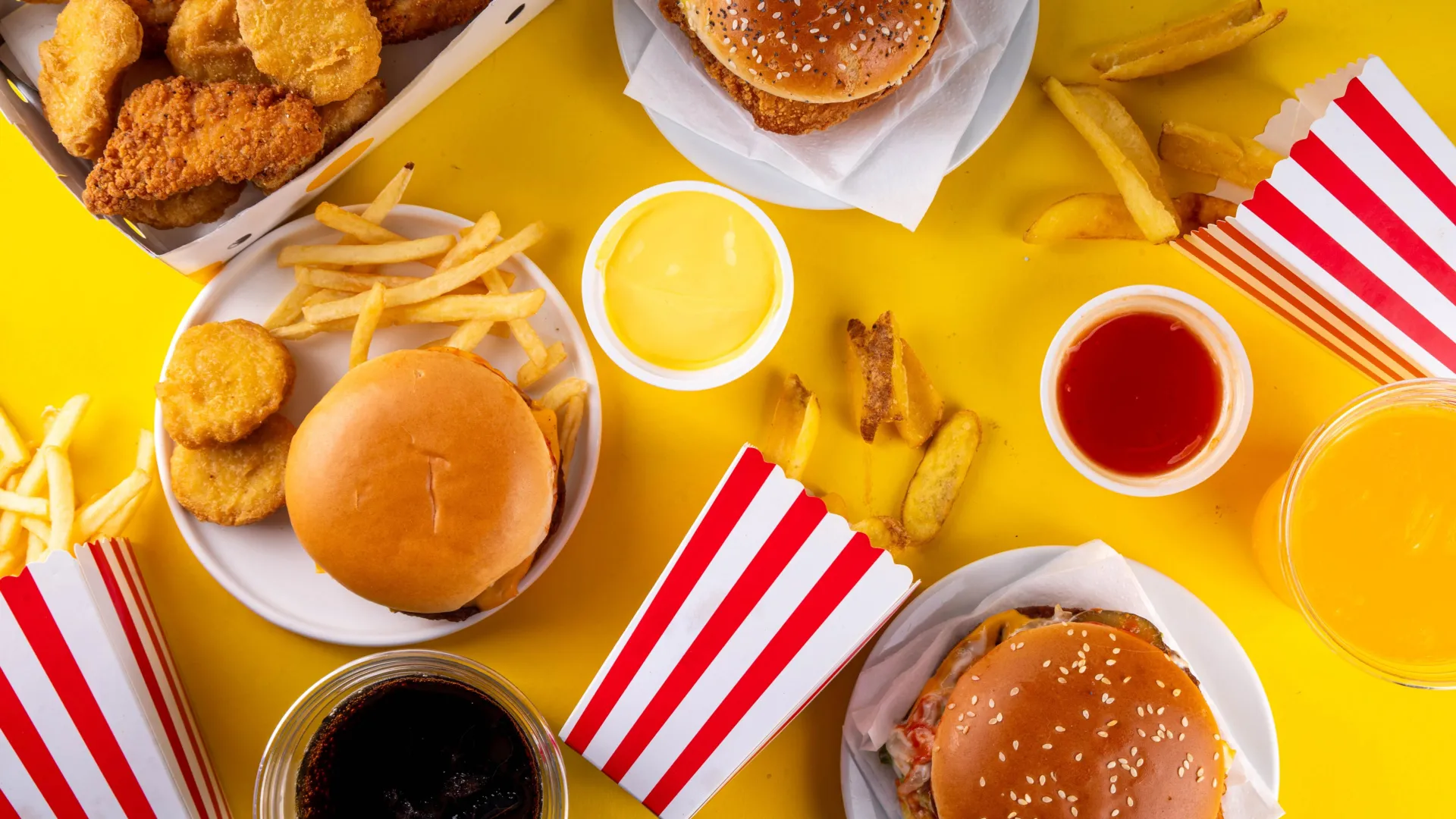
Ultra-processed foods are not merely "convenient"; they are industrial formulations. Defined by the NOVA classification system, UPFs are products that undergo multiple stages of physical, biological, and chemical processing. They typically contain ingredients rarely found in a home kitchen, such as high-fructose corn syrup, hydrogenated oils, hydrolyzed proteins, and an array of cosmetic additives—emulsifiers, colorants, and artificial flavor enhancers.
Unlike minimally processed foods, which might be dried or frozen to preserve them, UPFs are engineered to be hyper-palatable, shelf-stable, and inexpensive. From mass-produced breads and carbonated beverages to instant noodles and pre-packaged frozen dinners, these items have effectively replaced traditional, whole-food-based diets across the globe.
Chronology of an Emerging Health Threat
The scientific community’s concern regarding UPFs did not emerge overnight. It is the culmination of a decade of rigorous observational research.
- 2014–2016: Initial large-scale cohort studies began to reveal a statistical correlation between the rise of industrial food manufacturing and the global obesity epidemic. Researchers began identifying "food processing" as a distinct variable separate from caloric density.
- 2018–2020: Studies involving tens of thousands of participants in France, the United States, and Brazil began to isolate UPFs as a risk factor independent of other dietary habits. Data showed that even when adjusted for age, sex, and socioeconomic status, those with the highest UPF consumption were significantly more likely to develop metabolic syndrome.
- 2022–2023: Meta-analyses emerged showing consistent links between UPF intake and all-cause mortality, particularly cardiovascular-related deaths. The evidence became too robust for professional medical bodies to ignore.
- 2024 (The Current Report): The European Society of Cardiology’s panel, led by Professor Luigina Guasti, Dr. Marialaura Bonaccio, Professor Massimo Piepoli, and Professor Licia Iacoviello, issued this landmark clinical consensus. It serves as the first formal integration of UPF-specific warnings into clinical cardiovascular practice guidelines.
Supporting Data: The Biological Mechanisms of Harm
The consensus report clarifies that the link between UPFs and heart disease is not merely correlative; it is "biologically plausible." Dr. Marialaura Bonaccio of IRCCS NEUROMED notes that the damage is multifaceted.
1. Metabolic Disruption and Obesity
UPFs are designed to be "hyper-palatable," bypassing the body’s natural satiety signals. This leads to overconsumption. Furthermore, the rapid absorption of these foods—often stripped of fiber during processing—leads to sharp spikes in blood glucose and insulin, which are primary precursors to type 2 diabetes and hypertension.
2. Inflammation and the Microbiome
Beyond sugar and salt, the additives in UPFs play a sinister role. Emulsifiers, which are used to improve the texture of processed foods, have been shown in animal models to disrupt the gut mucosal barrier. This can lead to systemic inflammation, a known trigger for atherosclerosis—the build-up of fatty deposits in the arteries that leads to heart attacks and strokes.
3. The "Food Matrix" Effect
Processing physically destroys the "food matrix"—the natural structure of a food that dictates how nutrients are absorbed. When an apple is processed into a sugary, fruit-flavored snack, the body metabolizes the energy differently than if the person had eaten the whole fruit. This altered structure contributes to metabolic dysfunction that simple nutrient counting cannot predict.
Official Responses and Clinical Implications
The authors of the report are not merely stating a problem; they are issuing a directive to the medical community. The consensus statement urges doctors to treat UPF consumption with the same gravity as smoking, physical inactivity, and alcohol consumption.
The Doctor-Patient Conversation
Professor Luigina Guasti of the University of Insubria emphasizes that doctors have been missing a vital piece of the puzzle. "Research suggests these foods are linked to several risk factors for cardiovascular disease, yet this evidence has not yet made its way into the advice we give to patients," Guasti states.
The panel recommends that cardiologists and general practitioners include specific questions about dietary processing levels during routine check-ups. Instead of asking, "How much sugar do you eat?" the question should shift to, "How much of your diet comes from a package with a long list of ingredients?"
A Call for Structural Change
The report acknowledges that individual willpower is not enough to combat an environment saturated with cheap, unhealthy food. The panel is calling for:
- Updated Dietary Guidelines: Governments must explicitly warn against UPFs, rather than just focusing on saturated fats or salt.
- Clearer Labeling: Current front-of-package labeling often obscures the degree of processing. The researchers support "traffic light" systems or warning labels that identify products as ultra-processed.
- Policy Intervention: The panel advocates for fiscal policies, such as taxing UPFs or subsidizing fresh, whole foods, to level the playing field for lower-income populations who are currently most reliant on affordable, ultra-processed options.
Challenging the "Health Halo"
A significant concern raised by the report is the prevalence of "health-washed" UPFs. Many products marketed as "gluten-free," "low-fat," or "fortified with vitamins" are still, by definition, ultra-processed. Consumers often believe they are making healthy choices when, in reality, they are consuming products designed in a laboratory.
The researchers emphasize that "disease prevention should not focus solely on nutrients, but also on the degree of food processing." This is a paradigm shift: a product might have "zero trans fats" but still be so highly processed that it triggers the metabolic inflammation linked to heart disease.
The Path Forward: Research and Clinical Practice
While the evidence is compelling, the authors maintain a professional commitment to further inquiry. They note that the vast majority of current data is observational. To move to the next level of evidence-based medicine, they are calling for long-term intervention trials.
"We need to test whether reducing UPFs improves cardiovascular health," says Dr. Bonaccio. Future research will likely focus on the specific impact of additives and the long-term efficacy of dietary interventions that prioritize "whole" foods over "processed" ones in clinical settings.
Conclusion: A New Standard for Heart Health
The consensus statement from the European Society of Cardiology serves as a wakeup call for both the medical profession and the public. We are currently living through a natural experiment where the majority of the population relies on industrial formulations for their daily caloric intake. The resulting toll on cardiovascular health is now undeniable.
As the scientific community continues to peel back the layers of how industrial processing affects human physiology, the message remains clear: the path to a healthier heart is paved with whole, minimally processed ingredients. By integrating this knowledge into routine clinical care and demanding more transparent food policies, we can begin to mitigate the risks of the modern diet and steer public health back toward sustainable, life-giving nutrition.
For the patient sitting in a doctor’s office today, the advice is simple, if difficult to implement: if it comes in a box and has a list of ingredients you cannot pronounce, it likely has no place in a heart-healthy diet. The shift from "nutrient-focused" to "processing-focused" eating may be the most important dietary change of the 21st century.