







The landscape of obesity treatment has undergone a seismic shift. With the rise of potent GLP-1 receptor agonists—a class of medications originally developed for type 2 diabetes that have shown remarkable efficacy in weight management—millions of patients are seeking pharmaceutical interventions. However, as the use of these drugs reaches unprecedented levels, a critical concern has emerged: are these medications being used as "magic bullets," or are they being integrated into a comprehensive, long-term health strategy?
In a proactive effort to answer this question, the American College of Lifestyle Medicine (ACLM) has released its Obesity Medications & Lifestyle Medicine Toolkit. This resource is designed to bridge the gap between rapid pharmacological innovation and the foundational necessity of lifestyle behavioral change. By providing clinicians with evidence-based frameworks, the ACLM aims to shift the narrative from mere weight loss to sustainable, whole-person health.
The Current State of Obesity Pharmacotherapy
Recent data underscores the urgency of this initiative. According to recent polling, approximately one in eight adults in the United States reports currently taking a GLP-1 drug for weight loss, diabetes, or other health conditions. Furthermore, one in five adults has utilized these medications at some point. These figures reflect a society grappling with an obesity epidemic and a medical community eager to provide effective solutions.
However, the rapid adoption of these drugs has often outpaced the development of clinical protocols. While clinical trials that established the efficacy of GLP-1 agonists—such as those published in the New England Journal of Medicine—specifically paired pharmacotherapy with structured lifestyle interventions (including intensive dietary counseling and physical activity targets), real-world implementation has frequently lacked this dual approach.
Clinicians are now expressing growing concern that when medications are prescribed without a lifestyle medicine foundation, patients are at a significantly higher risk for adverse outcomes. These include gastrointestinal distress, inadequate nutrient intake, the loss of lean muscle mass, decreased bone density, psychological distress, and, perhaps most notably, rapid weight regain once the medication is discontinued.
Chronology of the GLP-1 Paradigm Shift
To understand the necessity of this new toolkit, one must examine the timeline of how obesity medicine has evolved:
- Pre-2020: Obesity management was largely relegated to behavioral therapy and older, less effective pharmacological agents. Surgical interventions were considered the "gold standard" for severe cases.
- 2021–2022: The publication of landmark clinical trials for once-weekly injectable GLP-1 receptor agonists demonstrated significant, sustained weight loss, bringing these medications into the mainstream medical and public consciousness.
- 2023: As global demand surged, supply chain issues began to plague the market, highlighting a reliance on the drug itself rather than a holistic care model.
- Early 2024: Professional medical bodies began noting a "weight-loss-only" focus among patients and providers, which ignored the nuances of metabolic health, sarcopenia (muscle loss), and long-term sustainability.
- Mid-2024: The ACLM, recognizing the "wild west" nature of current obesity treatment, convened the GLP-1 Committee to synthesize years of lifestyle medicine research into a practical, clinician-ready toolkit.
Supporting Data and Clinical Implications
The efficacy of GLP-1 receptor agonists is undisputed, but the "how" of their administration remains the defining clinical challenge. The ACLM toolkit addresses the physiological realities of rapid weight loss.
The Risk of Sarcopenia
When weight is lost rapidly—often due to the appetite-suppressing effects of GLP-1 drugs—the body frequently sheds both fat and lean muscle mass. Without resistance training and adequate protein intake, this can lead to frailty and a lower resting metabolic rate, making it harder for the patient to maintain their weight in the long term. The toolkit provides specific, evidence-based recommendations on exercise programming to mitigate this risk.
Nutrient Density
Patients taking these medications often experience a profound reduction in appetite. This can inadvertently lead to caloric deficits that are too steep, resulting in malnutrition or micronutrient deficiencies. The toolkit offers guidance on how to prioritize nutrient-dense whole foods to ensure that the patient’s body remains supported during the weight loss process.
Psychological Considerations
The relationship between medication, weight, and mental health is complex. For many, the "noise" of food cravings is silenced by the medication, but the underlying emotional drivers of eating may remain. The toolkit assists clinicians in identifying when to refer patients for psychological support, ensuring that the medication is not just treating a symptom but providing a window of opportunity for the patient to build healthier coping mechanisms.
Official Responses and Expert Insights
The development of the toolkit was a collaborative effort involving experts across various medical disciplines. Kate Cohen, MS, RD, CDN, DipACLM, a clinical nutritionist at the Hospital for Special Surgery, was instrumental in its creation.
"Obesity medications can be powerful tools, but they are not stand-alone solutions," Cohen noted in an official release. "We’re in a time of unprecedented adoption of these new medications, but up until now, we have been lacking straightforward, practical guidance on how to pair these therapies with evidence-based lifestyle care."
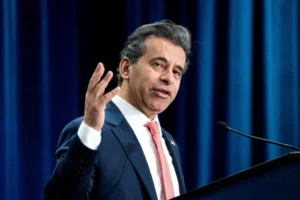
Her sentiment is echoed by Dr. Jasdeep Saluja, MD, FRCPC, DipABLM, DipABOM, chief medical officer at Aroga Lifestyle Medicine and chair of the ACLM’s GLP-1 Committee. Dr. Saluja emphasizes that the toolkit serves as a course correction for the medical industry.
"The toolkit reinforces ACLM’s position that the primary goal of obesity treatment is improved health, function, and quality of life—not simply weight loss," Dr. Saluja stated. "With these resources, clinicians can align rapidly evolving obesity treatments with current evidence, professional guidelines, and whole-person care."
Implications for the Future of Healthcare
The Obesity Medications & Lifestyle Medicine Toolkit is designed for a broad spectrum of medical practitioners, including those in primary care, endocrinology, cardiology, and obesity medicine. By providing a standardized, structured approach, the ACLM hopes to accomplish three primary goals:
1. Standardization of Care
By providing library resources, patient education materials, and clinical checklists, the toolkit ensures that a patient in a rural primary care clinic receives the same evidence-based standard of care as a patient in a specialized metabolic research center.
2. Longitudinal Management
The toolkit covers the entire spectrum of treatment: from the initial evaluation and initiation of the drug to the titration phases, long-term maintenance, and the delicate process of potential discontinuation. This longitudinal approach is critical, as many patients are currently left without a "game plan" for what happens after the medication is stopped.
3. Cost-Effectiveness and Accessibility
As the affordability of these drugs remains a major hurdle for patients—with many citing high out-of-pocket costs—the focus on lifestyle interventions serves as a cost-effective adjunct. In some cases, improved lifestyle habits may allow for lower dosages of medication, potentially reducing side effects and lowering long-term pharmaceutical expenditures.
Conclusion: A Holistic Path Forward
The introduction of this toolkit marks a pivotal moment in the treatment of obesity. It signals that the medical community is moving away from the paradigm of treating weight as a simple caloric equation and moving toward a more nuanced, biological, and behavioral understanding of health.
For the clinician, the toolkit offers a roadmap to navigate the complexities of modern pharmacology while remaining grounded in the pillars of lifestyle medicine: nutrition, physical activity, sleep, stress management, and social connection. For the patient, it promises a future where medication is a partner in their journey, not a temporary crutch.
The Obesity Medications & Lifestyle Medicine Toolkit is currently available to ACLM members as a complimentary resource, with non-members able to access the material for a fee of $49. As the obesity epidemic continues to evolve, this resource stands as a testament to the fact that while technology can change the tools we use, the core of medicine remains the commitment to the whole person.