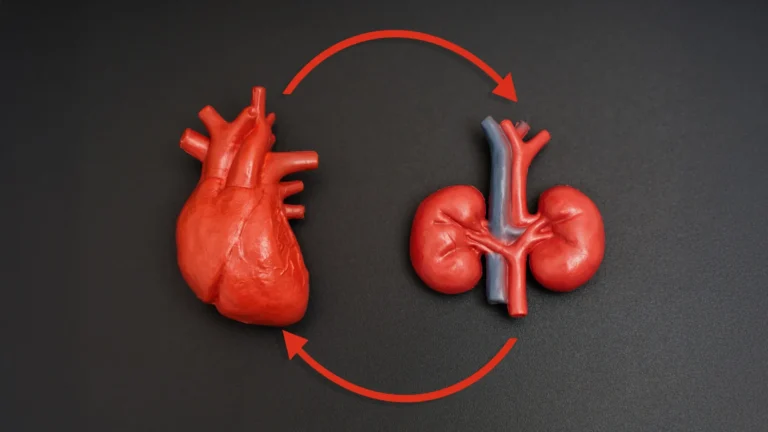










In the modern era, the chair has become the default setting for human existence. From the nine-to-five office grind to the evening commute and the late-night television unwind, the average young adult spends roughly six hours a day in a seated position. While this shift toward sedentary behavior is often viewed through the lens of muscular atrophy or poor posture, new research from the University of Birmingham reveals a more insidious threat: the systematic degradation of our cardiovascular health.
A groundbreaking study published in the Journal of Physiology suggests that the simple act of prolonged sitting exerts a measurable, negative stress on our blood vessels. However, the study also offers a potential dietary antidote. Researchers have discovered that regular consumption of flavanols—compounds found abundantly in tea, berries, apples, and high-quality cocoa—can act as a protective shield, preserving vascular function even during extended periods of inactivity.
The Vascular Cost of Inactivity: A Silent Crisis
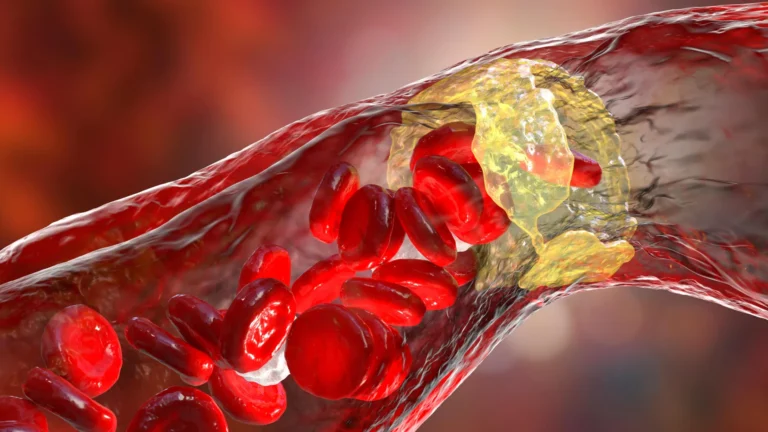
The human body was designed for movement, not for the static endurance of desk work. When we sit for hours on end, the blood vessels in our arms and legs undergo a functional decline. To quantify this, scientists utilize a metric known as brachial Flow-mediated dilatation (FMD), which measures how well blood vessels dilate in response to increased blood flow.
The stakes are far higher than a mere dip in performance. Previous clinical evidence has established a sobering correlation: a mere 1% drop in FMD corresponds to a 13% increase in the risk of severe cardiovascular events, including heart disease, strokes, and heart attacks. As sedentary habits become the global norm, the cumulative effect of these hourly, daily, and yearly declines in vascular function presents a massive public health challenge.
The urgency of this issue is reflected in recent UK health data. According to the British Heart Foundation, mortality rates among working-aged adults in the United Kingdom rose by 18% in 2023 compared to 2019, totaling 21,975 deaths. Furthermore, the economic burden of cardiovascular disease is staggering, with recent estimates placing the cost to the UK economy at approximately £29 billion annually.
Chronology of a Clinical Breakthrough
To test whether diet could serve as a buffer against these physiological stressors, researchers at the University of Birmingham designed a controlled, two-hour trial. The team recruited forty healthy young men, split evenly between those with high physical fitness levels and those with lower fitness levels, to determine if exercise status influenced the body’s reaction to inactivity.
Phase 1: The Baseline Assessment
Before the experiment commenced, researchers established the baseline vascular health of all participants. They measured FMD in both arm and leg arteries, as well as blood pressure and oxygenation levels in the leg muscles. This allowed the team to create a clear "before" picture of the participants’ cardiovascular state.
Phase 2: The Dietary Intervention
The participants were divided into two groups, regardless of their fitness level. One group consumed a high-flavanol cocoa drink, containing 695 mg of total flavanols—a significant dose of the heart-healthy polyphenols. The control group consumed a low-flavanol cocoa drink, containing only 5.6 mg of the compound.
Phase 3: The Sedentary Challenge
Following the beverage consumption, all participants underwent a two-hour period of strictly uninterrupted sitting. This period was designed to mimic the typical office or transit environment, inducing the physiological stress associated with a lack of physical movement.
Phase 4: The Final Measurement
At the conclusion of the two-hour window, the researchers repeated the battery of tests. The data gathered during this final phase provided the first evidence of its kind: a direct comparison between the physiological impact of a placebo and a flavanol-rich intervention.
Supporting Data: When Fitness Isn’t Enough
The results of the trial were both startling and enlightening. The participants who consumed the low-flavanol beverage exhibited clear signs of vascular distress. Their FMD scores dropped, diastolic blood pressure rose, blood flow decreased, and the oxygenation levels within their leg muscles plummeted.
Crucially, these negative markers appeared in both the high-fitness and low-fitness cohorts. This discovery dismantles the common misconception that being "fit" grants one total immunity to the dangers of a sedentary lifestyle. Even those who exercise regularly cannot rely solely on their gym routine to undo the damage caused by sitting at a desk for the rest of the day.
However, the group that consumed the high-flavanol cocoa told a different story. In these participants, there was no decline in FMD in either the arm or leg arteries. Their vascular systems remained as responsive and healthy after two hours of sitting as they were before the session began. For the first time, researchers demonstrated that a specific dietary intervention could neutralize the immediate, negative impact of inactivity on the vascular system.
Expert Perspectives: Bridging the Science and the Supermarket
The lead author of the study, Dr. Catarina Rendeiro, an Assistant Professor in Nutritional Sciences at the University of Birmingham, emphasizes that the goal is not to demonize sitting, but to mitigate its inevitable consequences.
"Whether we are sitting at desks, behind the wheel of a car, on a train, or on the sofa reading a book or watching TV, we all spend a lot of time seated," Dr. Rendeiro explained. "Even though we are not moving our bodies, we are still putting them under stress. Finding ways to mitigate the impact that sitting for uninterrupted periods has on our vascular system could help us cut the risk of developing cardiovascular diseases."
Dr. Sam Lucas, Professor of Cerebrovascular, Exercise & Environmental Physiology and co-author of the study, added a layer of nuance regarding the role of fitness. "Our experiment indicates that higher fitness levels do not prevent the temporary impairment of vascular function induced by sitting when only drinking low-flavanol cocoa," he stated. "Importantly, after the high-flavanol drink, both fitter and less-fit participants kept their FMD the same as it was before sitting for two hours."
The researchers acknowledged that the study was limited to men due to the complex influence of estrogen fluctuations on vascular function during the menstrual cycle. They noted that future trials will be essential to understand how these findings apply to women, ensuring that dietary recommendations are inclusive and evidence-based for the entire population.
Practical Implications: Integrating Flavanols into Daily Life
Perhaps the most encouraging aspect of this study is the accessibility of the solution. Flavanols are not expensive, exotic pharmaceuticals; they are natural compounds found in foods that are already staples in many households.
Alessio Daniele, a PhD student and member of the research team, suggests that consumers can easily adapt their habits to incorporate these protective nutrients. "It is actually quite easy to add high-flavanol foods to your diet," Daniele noted. "There are cocoa products available in supermarkets and health stores which are processed through methods that preserve flavanol levels. If cocoa isn’t your thing, fruits like apples, plums and berries, nuts, and black and green tea are all common kitchen staples and are readily available."
The study suggests a "layered" approach to health. While the consumption of flavanols is highly effective, it should be viewed as part of a holistic strategy. Dr. Rendeiro advocates for a combination of diet and lifestyle adjustments: "Using flavanol-rich food and drink, especially in combination with breaking up periods of inactivity by going for a short walk or standing up, could be a good way to enhance long-term health, no matter the individual’s fitness level."
Summary of Recommendations:
- Prioritize Whole Foods: Incorporate berries, apples, and plums into daily snacks to ensure a steady intake of polyphenols.
- Tea as a Tool: Swap a mid-afternoon coffee for green or black tea to maintain vascular health during office hours.
- Strategic Cocoa: Choose high-flavanol cocoa products (often labeled as dark or minimally processed) to maximize potential benefits.
- Move Often: Use the "break-up" method—standing or walking every hour—to complement the dietary protection provided by flavanols.
As the global workforce continues to grapple with the demands of a sedentary, digital-first economy, the University of Birmingham’s research offers a beacon of hope. By understanding the mechanical stress of sitting and leveraging the natural protective power of flavanols, individuals can take proactive steps to safeguard their cardiovascular longevity, one bite and one step at a time.