



For over two millennia, the medical community’s strategy for treating cancer has remained stubbornly consistent: attack, burn, poison, and excise. From the ancient Greeks’ early attempts at surgery to the modern, high-precision artillery of chemotherapy, radiotherapy, and immunotherapy, the objective has almost always been the total annihilation of malignant cells.
However, a growing chorus of forward-thinking researchers is beginning to challenge this “scorched-earth” paradigm. At the forefront of this movement is Professor Indraneel Mittra of the Advanced Centre for Treatment, Research and Education in Cancer (ACTREC) in Mumbai. His team is proposing a radical shift in oncological philosophy: what if the path to a cure lies not in the violent destruction of tumors, but in coaxing them to "heal"?
The "Wound That Never Heals" Paradigm
The conceptual foundation for this shift dates back to 1986, when Dr. Harold Dvorak famously characterized cancer as "a wound that never heals." In a seminal article published in the New England Journal of Medicine, Dvorak drew parallels between the biological mechanisms of chronic, non-healing wounds and the aggressive growth patterns of tumors.
Professor Mittra has taken this observation further, arguing that the relentless focus on tumor destruction may actually be counterproductive. By attempting to kill cancer cells, current treatments often trigger a systemic biological response that can inadvertently foster further aggression. Instead, Mittra suggests that medicine should explore ways to guide tumors toward a more benign, "healed" state.
This provocative theory has recently moved from the realm of hypothesis to clinical investigation, with a groundbreaking study published in BJC Reports that suggests a simple, low-cost combination of nutraceuticals—resveratrol and copper—may hold the key to this transformative approach.
Testing a Gentle Strategy in Glioblastoma
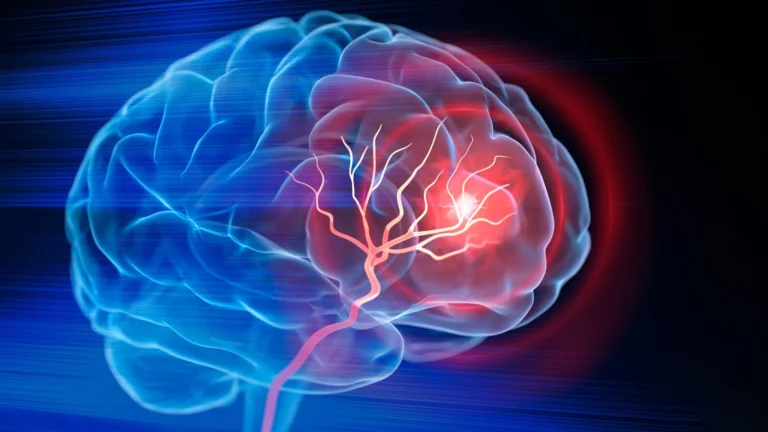
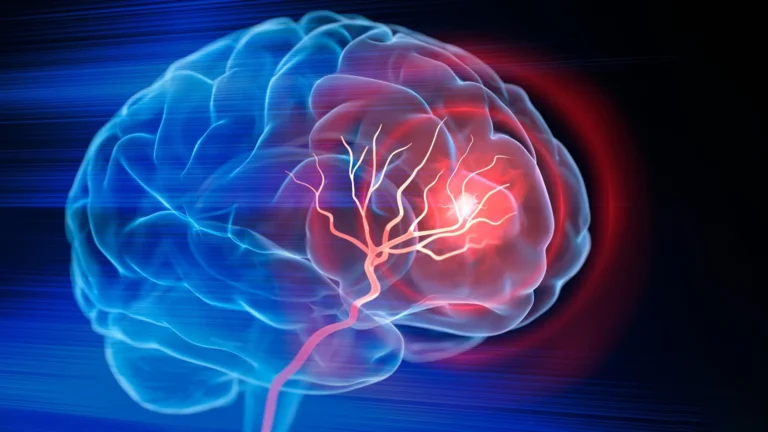
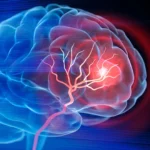
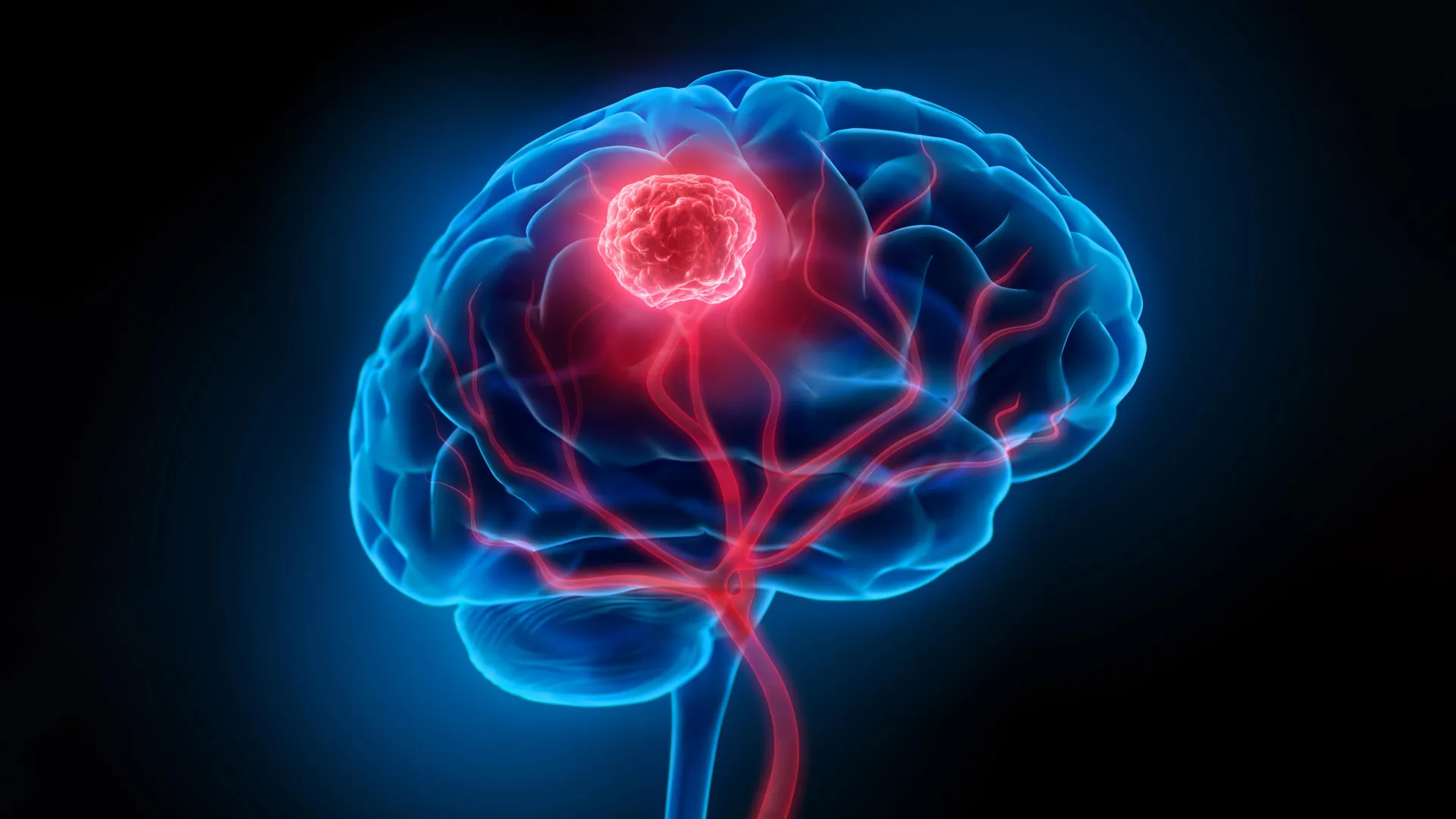
To test this theory, Professor Mittra’s team focused on one of the most formidable adversaries in oncology: glioblastoma. This fast-growing, highly aggressive brain tumor is notorious for its resistance to standard treatments. Even when patients undergo the "gold standard" regimen of surgery, chemotherapy, and radiotherapy, the median survival rate remains a sobering 15 months.
The study enrolled ten patients diagnosed with glioblastoma. In the days leading up to their scheduled brain surgery—an average of 11.6 days—the patients were administered a simple tablet containing small, specific amounts of resveratrol and copper, taken four times daily. A control group of ten patients, exhibiting similarly aggressive tumors but receiving no such supplementation, was monitored for comparison.
The results, obtained through a rigorous post-surgical analysis of tumor tissue using microscopy, immune-staining, immunofluorescence, and transcriptome analysis, were nothing short of startling.
The Mechanism: Neutralizing the "Cell-Free" Threat
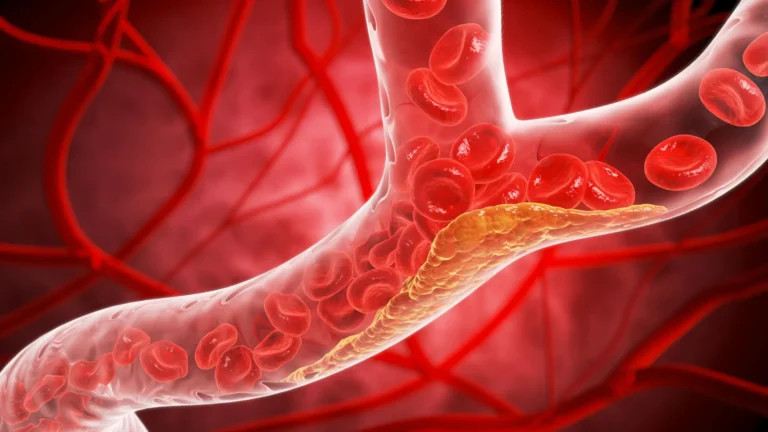
The core of Mittra’s discovery lies in how these nutraceuticals interact with "cell-free chromatin particles" (cfChPs). As cancer cells die—whether naturally or due to chemotherapy—they release fragments of DNA into the surrounding environment. These fragments, known as cfChPs, are not biologically inert. Instead, they circulate through the body and act as "inflammatory catalysts" for surviving cancer cells, essentially signaling them to become more aggressive and resistant to therapy.
Mittra’s previous research established that when resveratrol and copper are combined, they create a chemical environment that generates oxygen radicals capable of deactivating or destroying these harmful cfChPs.
In the recent clinical study, the findings were stark: tissue samples from the untreated control group were flooded with cfChPs, whereas samples from the patients who received the nutraceutical tablets showed an almost total absence of these particles. According to Mittra, the treatment effectively forces the tumor cells to undergo "apoptosis"—a clean, controlled form of cell death—before they have the chance to release their toxic DNA fragments into the microenvironment.
"If you eliminate the cell-free chromatin," Mittra explains, "the cancer is subdued." By neutralizing the signal that drives tumor progression, the nutraceutical combination effectively starves the malignancy of its ability to metastasize or grow with such ferocity.
Dramatic Biological Shifts
The analytical data revealed that the nutraceutical intervention triggered a cascade of favorable biological changes within the tumors:
- Downregulation of Immune Checkpoints: One of the most significant discoveries was the reduction in the activity of immune checkpoints. These proteins are often exploited by tumors to "hide" from the body’s immune system. While current pharmaceutical "checkpoint inhibitors" are among the most expensive and side-effect-heavy drugs on the market, the resveratrol-copper combination appeared to achieve similar, if not more favorable, modulation of these pathways without the associated toxicity.
- Zero Side Effects: Perhaps the most remarkable outcome for the patients involved was the complete absence of side effects. In a field where treatment toxicity is often a major factor in patient quality of life, the ability to induce significant tumor changes with a benign, non-toxic regimen represents a massive clinical advantage.
Implications for Global Healthcare
The potential implications of this research extend far beyond the treatment of glioblastoma. Because the intervention relies on inexpensive, accessible nutraceuticals rather than complex, proprietary chemical compounds, it presents a paradigm shift in terms of global healthcare equity.
Cancer care is currently one of the most expensive sectors of medicine, often leaving life-saving treatments out of reach for patients in developing nations. If this "healing" approach can be validated through larger, multi-center trials, it could democratize cancer treatment, offering a high-efficacy, low-cost alternative that could be deployed even in resource-limited settings.
Official Responses and the Road Ahead
While the scientific community is taking note, the transition from a small-scale study to clinical standard-of-care is rigorous. Professor Mittra himself acknowledges the limitations of the current data. "Of course, the number of patients in this study was rather small," he admits. "However, the results were so striking that I would fully expect them to be replicated in a larger sample of patients."
The study was supported by the Department of Atomic Energy, Government of India, through the Tata Memorial Centre. This institutional backing provides a level of legitimacy that is essential for such a paradigm-shifting proposal. However, the path forward requires extensive Phase II and Phase III clinical trials to establish definitive survival metrics and long-term efficacy.
Critics of the "nutraceutical" approach often point to the lack of regulation and consistency in supplement quality; however, Mittra’s study utilizes a controlled, pharmaceutical-grade formulation, emphasizing that it is the synergy between resveratrol and copper, rather than the supplements themselves, that drives the biological result.
A New Era for Oncology?
Professor Indraneel Mittra, who serves as the Dr. Ernest Borges Chair in Translational Research and Professor Emeritus in the Department of Surgical Oncology at ACTREC, views this as a historical turning point.
"We have been trying to kill cancer cells for 2,500 years, since the time of the ancient Greeks, without success," he notes. The persistence of cancer as a leading cause of mortality globally suggests that the "annihilation" model may have reached its limit.
By shifting the focus from war to healing, the medical community may be on the verge of turning a page in human health. If a tumor can be "subdued" rather than destroyed, we might move toward a future where cancer is treated more like a chronic, manageable condition rather than a death sentence.
As the researchers prepare for larger-scale investigations, the medical world watches with cautious optimism. If the "healing" hypothesis holds up under the scrutiny of larger trials, the legacy of this research could redefine the very essence of oncology. We are not just looking at a new drug or a new procedure; we are looking at a fundamental change in how we perceive the body’s relationship with disease. As Mittra puts it: "I believe that we may be on the brink of transforming the way cancer is treated."