










Executive Summary: A New Era for HDFT
Harrogate and District NHS Foundation Trust (HDFT) has reached a critical milestone in its multi-year digital transformation journey, successfully deploying the second phase of its acute Electronic Patient Record (EPR) system. By integrating the Nervecentre platform into its core workflows, the trust is moving away from fragmented, paper-heavy processes toward a unified, digital-first approach to clinical care.
This transition, which marks a significant shift in the operational landscape of the trust, is designed to streamline clinical decision-making, improve patient safety, and enhance the overall efficiency of the hospital environment. As HDFT continues to integrate these advanced digital tools, the project serves as a bellwether for the broader digitalization of the NHS, highlighting the complexities and benefits of transitioning acute trusts to modern, interoperable software architectures.
The Chronology of Implementation
The implementation of the Nervecentre EPR at HDFT has been a methodical, phased process, carefully designed to mitigate operational risk while maximizing clinical buy-in.
The Foundation: Procurement and Initial Launch
The seeds of this transformation were sown in August 2024, when HDFT officially selected Nervecentre as its preferred EPR supplier. The contract, structured as a 10-year partnership, signaled a long-term commitment to digital infrastructure.
The first phase of the rollout commenced in November 2025. This initial deployment focused on "quick wins" and foundational clinical tasks, specifically the introduction of electronic observations (e-obs) and clinical photography. By December 2025, the trust added a patient investigations feature, allowing for the digital management of diagnostic results. These early steps provided staff with a familiarization period, ensuring that the transition to digital charting did not disrupt the flow of high-acuity care.
Phase Two: Expanding the Digital Perimeter
The "go-live" for Phase Two, occurring in May 2026, represented a major expansion in system functionality. The system is no longer merely a tool for observations; it has become the central nervous system of the hospital. Key capabilities added in this phase include:
- Emergency Care Documentation: Urgent and emergency care teams can now perform all patient documentation directly within the Nervecentre interface.
- Operational Management: The integration of bed management tools allows for real-time tracking of patient flow.
- Referral and Administrative Workflows: Internal referrals and outpatient e-observations are now fully digitized, reducing the reliance on legacy administrative systems.
- Clinical Intelligence: Clinicians now have immediate access to historical patient records, clinic letters, and essential correspondence, eliminating the need to search through disparate physical or electronic archives.
Clinical and Operational Implications
The shift to a comprehensive EPR has profound implications for the delivery of care at HDFT.
Enhancing Patient Safety
At the heart of the HDFT strategy is the reduction of clinical error. The manual transcription of patient data—whether from paper charts to systems or between different departments—is a known risk factor in healthcare. By bringing all patient information into one secure, accessible system, the trust effectively closes the "data gap." This ensures that when a doctor makes a decision, they are doing so with the most accurate, up-to-date information available.
Workflow Efficiency and Time Reclamation
For clinicians, the primary benefit of the Nervecentre implementation is the reclamation of time. The previous reliance on paper-based documentation was a significant administrative burden, pulling staff away from direct patient interaction. By automating documentation and centralizing data access, the trust expects to see a measurable reduction in the time spent on clerical tasks, allowing nurses, doctors, and allied health professionals to focus on the patient at the bedside.
Data-Driven Decision Making
The ability to access historic records and clinic letters at the point of care transforms the speed of decision-making. In an emergency setting, where minutes can determine outcomes, having immediate access to a patient’s medical history—without waiting for medical records departments to retrieve physical files—is a transformative advantage.
Perspectives from Leadership
The success of this deployment is attributed to a collaborative effort between clinical, digital, and operational teams.
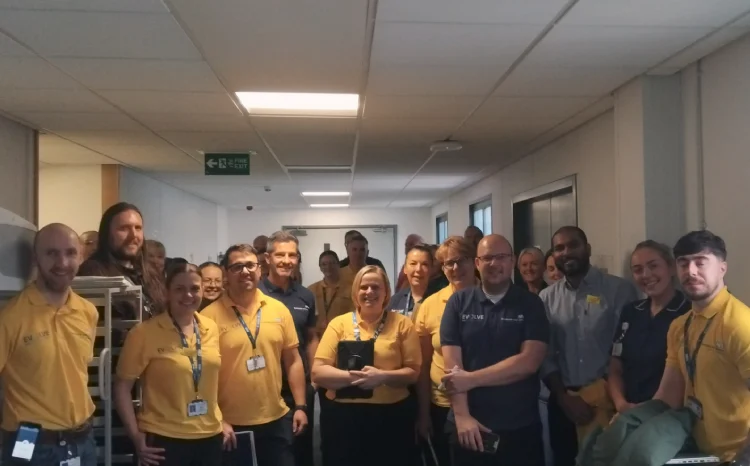
Dr. Jacqueline Andrews, executive medical director and executive lead for digital at HDFT, described the project as one of the most significant transformations in the trust’s history. "The new EPR will help us document more consistently, access information more quickly and make safer decisions at every stage of the patient journey," Dr. Andrews noted. She emphasized that the project is not just about technology, but about culture: "The go-live is a really positive step forward for our clinical teams and our patients and will make a real difference in the day-to-day care we can provide."
Paul Volkaerts, chief executive at Nervecentre Software, highlighted the technical and innovative nature of the rollout. "This milestone is particularly significant as it includes several first-of-type deployments, demonstrating both innovation and a shared commitment to advancing digital healthcare," Volkaerts stated. He praised the "outstanding teamwork" displayed by the HDFT staff, noting that the success of such large-scale digital transformation depends heavily on the project management discipline maintained by both the provider and the trust.
Contextualizing the Regional Landscape
HDFT’s digital journey is part of a broader, regional EPR strategy. The trust is operating within a joint program alongside the York and Scarborough Teaching Hospitals NHS Foundation Trust. This regional collaboration is intended to foster interoperability and shared best practices across the local health economy.
However, the path to digitalization has not been uniform across the partnership. York and Scarborough recently faced challenges that forced a delay in their own Nervecentre go-live, originally scheduled for February 2026. The trust cited a need to "focus on maximising elective activity and recovering urgent and emergency care performance" as the primary reason for the pause. This highlights the delicate balancing act that NHS trusts face: the requirement to modernize infrastructure must be balanced against the immediate, day-to-day pressures of waiting lists and emergency department demand.
HDFT’s successful Phase Two launch, therefore, provides a valuable case study for its partners and the wider NHS, proving that while implementation is difficult, the rewards of a unified, patient-centric digital record are substantial.
Supporting Data: Why EPR Matters
The move toward EPRs is a central pillar of the NHS Long Term Plan. Across the UK, trusts are shifting to digital systems to meet several key performance indicators:
- Reduction of Duplication: By sharing data between departments, the system prevents the "silo effect" where information is locked within a single ward or clinic.
- Environmental Impact: Moving away from paper-based charting significantly reduces the carbon footprint and administrative waste of the trust.
- Improved Auditing: With digital records, auditing care quality and compliance becomes a background process rather than a manual, labor-intensive exercise.
- Co-Design Principles: A key factor in the success at HDFT was the decision to co-design the system with clinical teams. By involving the end-users in the configuration of the software, the trust ensured that the EPR meets the specific, nuanced needs of the clinicians who use it daily, rather than forcing them to adapt their workflows to a rigid software package.
Looking Ahead: The Future of Digital Care at HDFT
As HDFT transitions into the next stages of its 10-year contract with Nervecentre, the focus will likely shift toward optimization and advanced data analytics. With a stable foundation of electronic documentation now in place, the trust is positioned to leverage this data for predictive analytics—potentially using AI or advanced reporting tools to identify patients at risk of deterioration earlier than ever before.
The success of the May 2026 launch serves as a validation of the trust’s digital roadmap. While technology will always present challenges, the commitment shown by HDFT’s multidisciplinary teams demonstrates that the NHS is capable of executing complex, large-scale technical migrations while maintaining the high standards of care that patients expect. As the digital ecosystem at HDFT matures, the benefits for both staff and patients are expected to compound, cementing the trust’s position as a leader in digital health within the region.
In conclusion, the deployment of the Nervecentre EPR is more than a software upgrade; it is a fundamental shift in the operational philosophy of the Harrogate and District NHS Foundation Trust, promising a more efficient, safer, and more connected future for healthcare delivery.