








Introduction
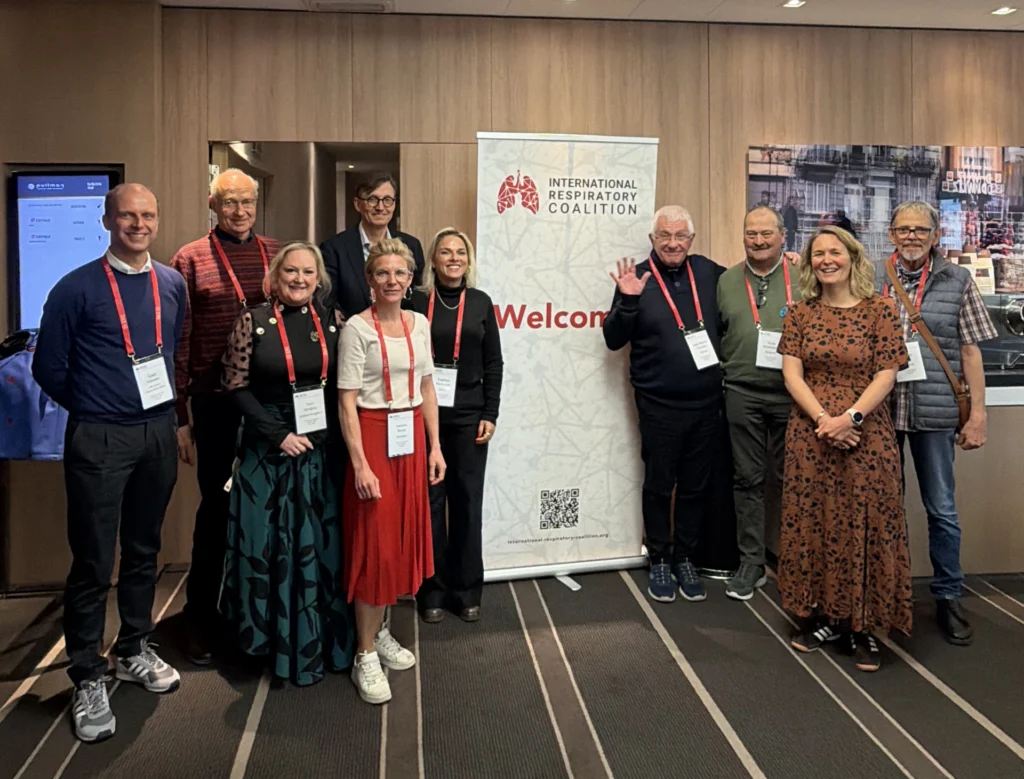
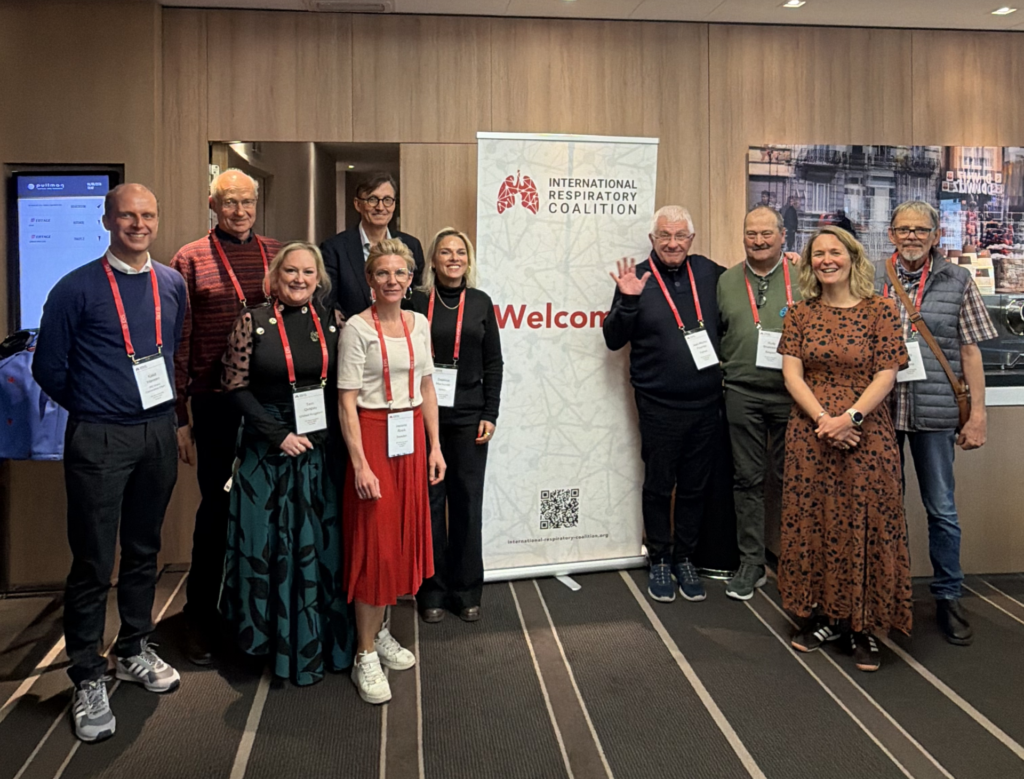
In the landscape of modern healthcare, the divide between clinical research, high-level policymaking, and the lived experience of patients is shrinking. Nowhere was this more evident than at the International Respiratory Coalition (IRC) National Coalitions Workshop, held in Brussels on May 5–6, 2026. As the European Lung Foundation (ELF) joined forces with stakeholders from across the continent, the event served as a clarion call for a more integrated, patient-centered approach to respiratory health.
The workshop brought together representatives from 21 national respiratory coalitions—a diverse assembly comprising healthcare professionals, leading researchers, government policymakers, and, crucially, patient advocates. The gathering focused on a singular, ambitious objective: to provide national coalitions with the tools, strategies, and collaborative networks necessary to strengthen lung health infrastructure and deliver tangible improvements for millions living with chronic and acute lung conditions.
The Core Mission: Bridging Policy and Practice
The IRC National Coalitions Workshop 2026 was not merely a series of academic presentations; it was a strategic summit designed to turn global health ambitions into local reality. At its heart was the “IRC Blueprint,” a dynamic framework intended to help individual nations operationalize the IRC Manifesto. By translating the manifesto into actionable policy, the workshop aimed to ensure that the respiratory care pathway—from early prevention and screening to long-term management—is standardized and accessible across Europe.
A Seat at the Table
A defining theme of the two-day event was the fundamental shift in how patient representatives are involved in legislative processes. Rather than being passive recipients of care, patient advocates were positioned as architects of policy. These representatives contributed directly to discussions regarding national respiratory plans, emphasizing that policy must reflect the realities of those who live with the symptoms, the stigma, and the systemic barriers to care every day.
Chronology of the 2026 Brussels Summit
Day 1: Laying the Strategic Groundwork
The proceedings opened with an intense focus on international alignment. The morning session, co-chaired by European Respiratory Society (ERS) President Joanna Chorostowska and Jean-Michel Fourrier, President of the Association Fibroses Pulmonaires France (AFPF), established the tone for the conference.
The discourse focused on "Leveraging global policy for national impact." Former ELF Chair Kjeld Hansen provided a masterclass in policy advocacy by detailing the World Health Organization (WHO) Lung Health Resolution. Hansen argued that international commitments are not just diplomatic niceties; they are powerful levers that national coalitions can use to hold their own governments accountable for respiratory health outcomes.
Following this, Ildiko Horvath introduced the EU-funded project JARED (Joint Action on Respiratory Diseases). The session underscored the necessity of reaching underserved populations—specifically those in rural areas or socioeconomically disadvantaged communities where the burden of respiratory disease is highest, yet access to diagnostics remains inadequate.
Day 2: Addressing the Asthma Crisis
Coinciding with World Asthma Day, the second day of the workshop shifted its focus to the specific, urgent needs of the asthma community. The evening session brought together high-level stakeholders, including José Luis Castro, the WHO Director-General Special Envoy for Chronic Respiratory Diseases, and MEP Tomislav Sokol, a prominent figure from the MEP Lung Health Group.
This session was characterized by a push for "unified advocacy." The discussion moved beyond the technical aspects of inhaler devices and pharmaceutical innovation to the systemic issues of asthma prevention and equitable access to specialized care, reinforcing that asthma policy is a cornerstone of broader public health strategy.
Supporting Data and The Path Forward
The workshop served as a reminder that the burden of respiratory disease in Europe remains a silent epidemic. While specific data sets are continually evolving, the IRC framework relies on several key pillars to address the systemic failures that have historically plagued respiratory care.
- The Care Pathway Integration: The IRC Blueprint emphasizes that fragmentation is the enemy of lung health. When patients are forced to navigate disconnected services—from primary care to specialist hospital units—they often fall through the cracks. The workshop highlighted the need for seamless, integrated care pathways.
- Equitable Access: A significant portion of the dialogue focused on health inequalities. Whether due to geographic location, socioeconomic status, or lack of awareness, many individuals remain undiagnosed or undertreated. The JARED initiative represents a major step toward mapping these gaps and deploying targeted resources to close them.
- The Power of Coalitions: By pooling the expertise of 21 national coalitions, the IRC creates a "force multiplier" effect. Knowledge sharing between a coalition in a smaller member state and a larger, more established organization in a neighboring country allows for the rapid adoption of "best-in-class" advocacy tactics.
Official Responses and Perspectives
The success of the event was best summarized by those who stand at the intersection of advocacy and medicine. Jean-Michel Fourrier, who represented the ELF Pulmonary Fibrosis Patient Advisory Group, noted the palpable intensity of the collaboration:
"It was amazing for us to connect and share status and experience with the other. There was such a powerful energy in the air. I was also really happy to talk on behalf of European patients alongside the European Lung Foundation team and those affected by rare diseases, including, of course, pulmonary fibrosis."
This sentiment was echoed by health policy experts who observed that the inclusion of patient representatives in the policy-drafting phase has drastically increased the effectiveness of the proposed strategies. By ensuring that the end-user—the patient—is involved in the design of the "solution," the resulting policies are more likely to be adopted, adhered to, and successful in the real world.
Implications: The Future of Lung Health Advocacy
The 2026 Brussels workshop leaves behind a clear roadmap for the future. The implications of this gathering are threefold:
1. Standardization of Care
The focus on the IRC Blueprint signals a move toward a more standardized European approach. While healthcare remains a national competence within the EU, the exchange of best practices means that "pockets of excellence" in respiratory care are no longer isolated; they are becoming the benchmark for all nations.
2. A Shift in Power Dynamics
The shift toward "patient-led" policy is likely to continue gaining momentum. The success of the IRC workshop in integrating advocates at the highest level of discussion sets a precedent. Future policy discussions that exclude the patient voice will likely be viewed as incomplete or inherently flawed.
3. Long-term Sustainability
By aligning national advocacy efforts with the WHO’s global resolutions, the IRC is ensuring that lung health remains on the political agenda even when government administrations change. This creates a resilient advocacy ecosystem capable of weathering shifts in the political climate.
Conclusion: A United Front
As the participants returned to their respective countries, the message from the Brussels workshop remained clear: the fight for better lung health is a collective endeavor. The European Lung Foundation, in its ongoing partnership with the IRC, remains committed to ensuring that the momentum generated in May 2026 does not dissipate.
Through the continued synergy of research, clinical expertise, and the irreplaceable insight of patients, the vision of a Europe where respiratory conditions are not just managed, but effectively prevented and treated with equity, is closer to becoming a reality. The path forward is complex, requiring persistent lobbying and meticulous policy implementation, but for the millions of Europeans affected by lung disease, the progress made at the IRC National Coalitions Workshop offers a hopeful horizon.
For those interested in staying updated on the progress of these initiatives or contributing to the cause, the European Lung Foundation encourages supporters to join their mailing list. By receiving the latest research, campaign updates, and expert insights, members of the public can play their own role in advocating for better respiratory health across the continent.