






In the world of physical performance, few exercises are as deceptively simple—and as profoundly revealing—as the plank. To the casual observer, it is a static hold, a quiet moment of stillness. To a Certified Strength and Conditioning Specialist (CSCS), however, the plank is a high-definition diagnostic tool. It is a window into the integrity of your musculoskeletal system, particularly as you navigate your sixties and beyond.
As we age, the focus of fitness often shifts from raw power to functional longevity. While muscle mass naturally fluctuates, the ability to maintain a "braced" and stable torso remains the most critical factor in preventing injury, maintaining balance, and performing the activities of daily living with grace. Jarrod Nobbe, a seasoned CSCS and sports performance expert, posits that the plank is not merely an abdominal exercise; it is the ultimate test of how well your body functions as a single, connected unit.
The Anatomy of the Hold: Why Core Integrity Matters After 60
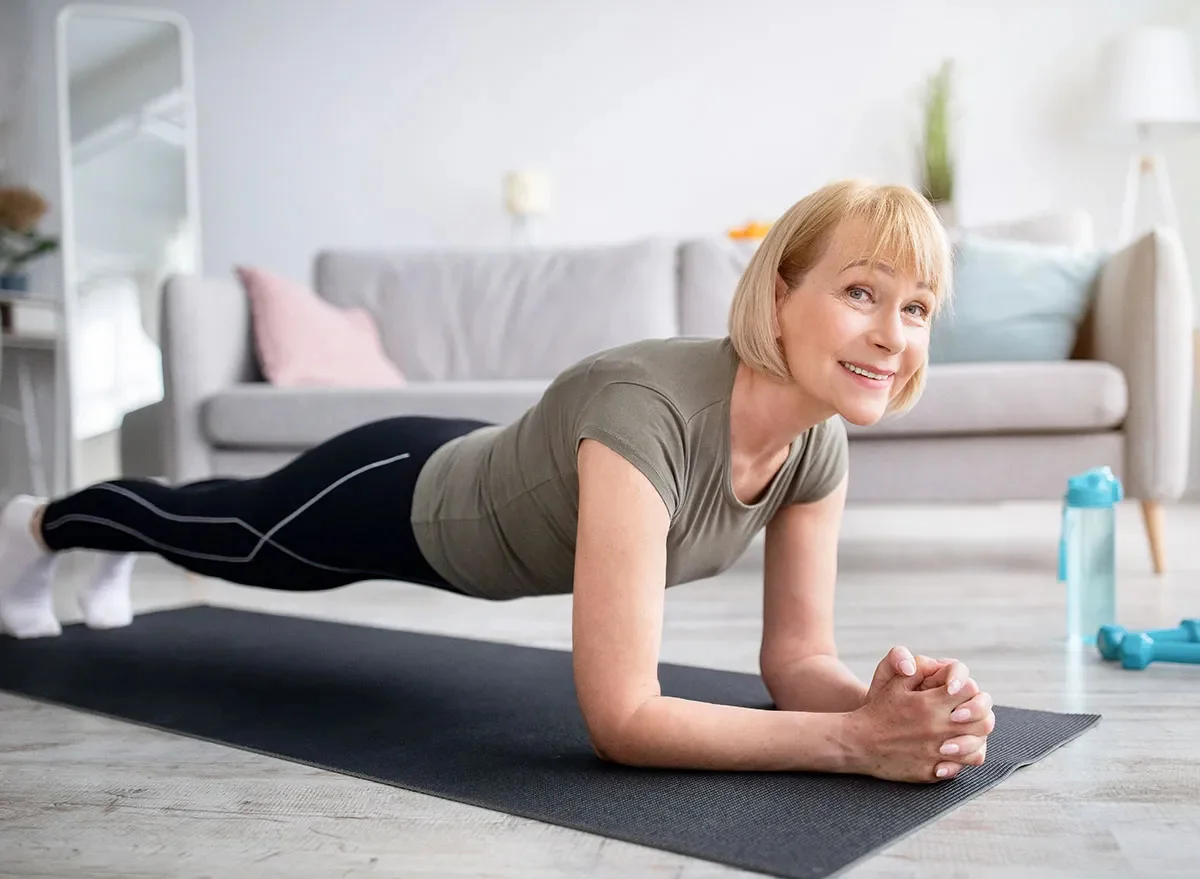
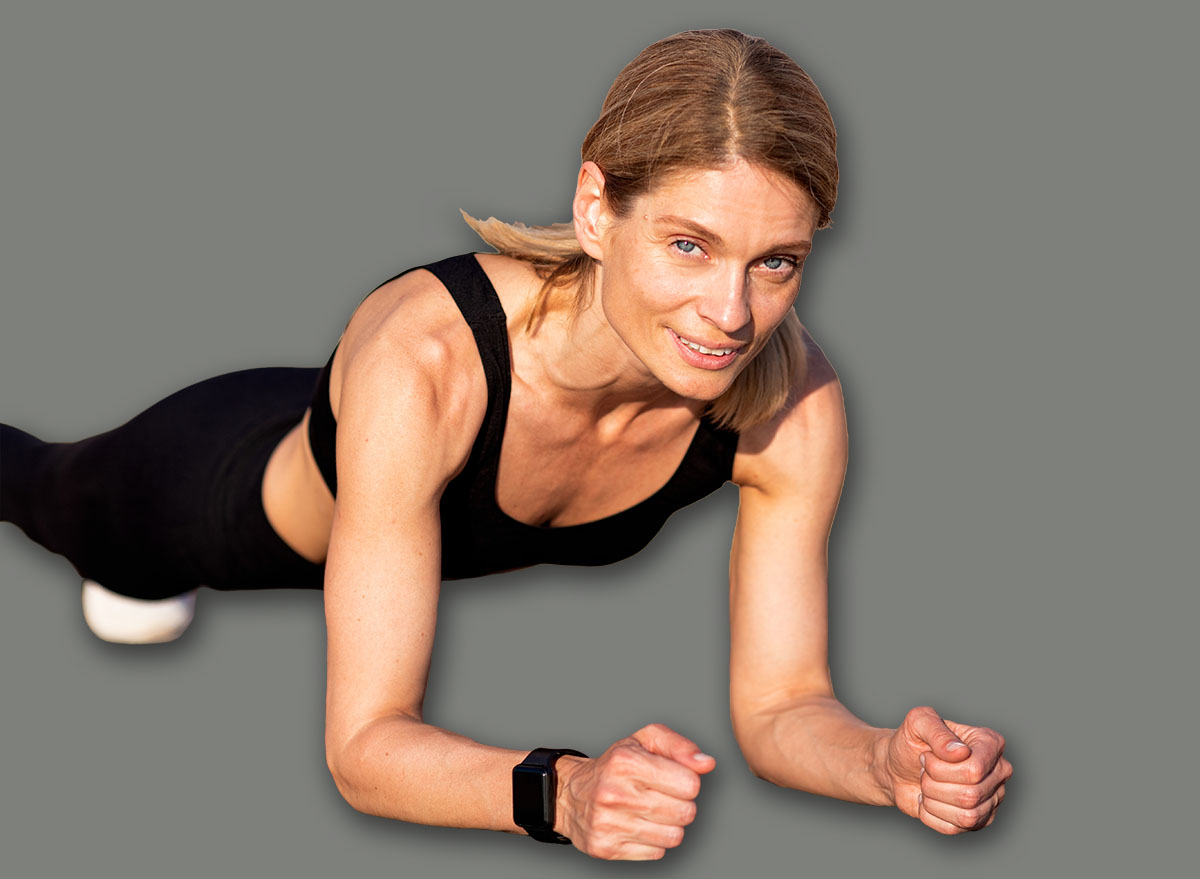
A strong, effective plank has a distinct aesthetic. It is characterized by a long, neutral spine, hips held in a rigid plane, ribs tucked to prevent lumbar extension, and a sense of "intentionality." It is not about how long you can sag toward the floor; it is about the quality of the tension you generate.
The Biomechanics of Aging
After 60, the "core" becomes your body’s primary stabilization center. It is the bridge between your upper and lower body. When you carry groceries, stand in a long checkout line, or reach for an item on a high shelf, your midsection is tasked with supporting your spine while your extremities move. If that connection is weak, the load is transferred directly to the vertebrae and joints, often leading to chronic back pain and a loss of mobility.
The plank acts as a stress test for this support system. It measures your core endurance—the ability of the deep stabilizing muscles, such as the transversus abdominis and the multifidus, to sustain tension over time.
Chronology of the Plank: From Static Pose to Functional Mastery
The evolution of the plank as a standard training tool has seen it move from a niche gymnastics movement to a cornerstone of geriatric wellness.
- The Early Phase (Initial 0–20 seconds): In the first few seconds, the body relies on primary strength. If your setup is correct, you are engaging your rectus abdominis and glutes immediately.
- The Stabilization Phase (20–45 seconds): As fatigue begins to set in, the "quiet" stabilizers start to work harder. This is where most individuals lose form. The hips begin to tilt, or the shoulders start to shrug toward the ears.
- The Endurance Threshold (45–90+ seconds): This is the "gold standard" zone. Holding a perfect position beyond 90 seconds requires not just muscular strength, but neurological efficiency—the ability of your brain to keep muscles firing even when they are signaling fatigue.
Supporting Data: What Your Time Really Means
While individual results vary based on injury history and fitness background, coaches generally categorize plank performance into tiers to help seniors gauge their progress:
- The Foundation Tier (0–30 seconds): This range suggests that your deep core stabilizers may need more targeted, frequent stimulation. It is a starting point, not a failure.
- The Functional Tier (30–60 seconds): This indicates a solid baseline of core endurance. You possess enough strength to support your spine during most daily tasks.
- The Elite Tier (90+ seconds): Achieving this level after 60 is an indicator of exceptional postural control and high-level core stability.
How to Execute the Perfect Plank: A Technical Breakdown
To derive the maximum benefit from this test, you must adhere to strict movement standards. If your form breaks, the test is over.
The Step-by-Step Protocol
- The Setup: Begin on the floor, resting on your forearms. Ensure your elbows are stacked directly beneath your shoulders.
- The Connection: Reach your feet back, balancing on your toes.
- The Brace: Squeeze your glutes tightly—this is the secret to a pain-free lower back. Pull your ribs down toward your pelvis and push your forearms into the floor to round your upper back slightly (the "protraction" phase).
- The Maintenance: Breathe deeply. Many people make the mistake of holding their breath, which spikes blood pressure. Practice rhythmic, steady breathing.
Standard of Failure: The moment your hips sag toward the floor (creating an arch in your lower back) or your shoulders collapse, the set is complete. Consistency in form is the only variable that matters.
Expert Perspectives: The Philosophy of Tension
Jarrod Nobbe emphasizes that "time matters, but position tells the story." In his clinical observation, the most common error is the "sagging bridge." When the hips drop, the load shifts from the abdominal wall to the lumbar spine, which is the exact opposite of the desired outcome.
"I look for how well someone creates tension," says Nobbe. "If you can’t maintain a neutral pelvis, adding time to your hold is counterproductive. You are simply training your body to be in a compromised position for longer."
Implications for Longevity and Quality of Life
Why does this matter in the context of aging? The implications are far-reaching:
1. Fall Prevention
A strong core is the primary defense against falls. When you stumble, your core is the first line of defense that corrects your center of gravity. A weak core results in a delayed reaction time, increasing the likelihood of a trip turning into a fall.
2. Spine Health
By strengthening the muscles that wrap around the spine, you reduce the shear forces placed on your discs. This is essential for preventing the "hunching" posture that often develops with age.
3. Ease of Movement
Getting up from the floor—a task that becomes increasingly difficult for many—relies heavily on the ability of the core to transfer power from the legs to the upper body. A consistent plank routine translates directly to this functional independence.
How to Build Your Endurance: A Progressive Approach
If you are currently struggling to hit the 30-second mark, do not be discouraged. Core strength is highly responsive to training.
- The Incline Progression: Start by performing your plank with your forearms on an elevated surface, such as a sturdy kitchen counter or a bench. As you get stronger, lower the height until you are eventually on the floor.
- Frequency Over Duration: It is better to perform three 20-second planks with perfect form daily than one 60-second plank with poor form.
- Active Recovery: Incorporate other core-stabilizing movements like the "Bird-Dog" or "Dead Bug" to build stability without the intense static strain of a traditional plank.
Conclusion: The Path Forward
The plank is more than a fitness trend; it is a vital metric for those over 60. By focusing on the quality of your tension and the alignment of your body, you are investing in a future of movement, confidence, and physical autonomy.
Whether you are currently holding for 15 seconds or 90, the goal remains the same: steady, controlled, and intentional movement. As you refine your technique and build your endurance, you aren’t just getting better at an exercise—you are fortifying your body against the challenges of time. Keep your ribs tucked, your glutes engaged, and your focus sharp. Your core is the anchor of your health; keep it strong, and the rest of your body will follow.
Disclaimer: Always consult with a physician or a physical therapist before beginning a new exercise program, especially if you have a history of lower back issues or cardiovascular concerns.