








As we navigate our sixth decade and beyond, the mechanics of movement undergo a subtle yet profound shift. The effortless grace of our younger years—where every step was taken without a second thought—is replaced by a reality where balance requires conscious engagement. Maintaining stability after 60 is not merely about avoiding falls; it is about preserving independence, mobility, and confidence.
True balance is a sophisticated symphony involving the ankles, hips, core, shoulders, and even the visual system. When strength naturally dips or our daily routines lack the variation needed to challenge our center of gravity, we may start to feel less "sure-footed." Fortunately, the body remains highly adaptable at any age. By incorporating specific, bodyweight-focused movements, you can recalibrate your internal stability system and move with renewed vigor.
The Science of Stability: Why Strength Isn’t Enough
For years, many seniors have relied on resistance bands to maintain muscle tone. While bands are excellent for isolated strength, they often lack the functional complexity required for true balance. Balance is a skill that must be practiced under the load of your own body weight.
The Pillars of Dynamic Control
To remain upright, your body must be capable of three things:
- Single-leg support: The ability to bear weight on one limb while the other is in motion.
- Full-body bracing: The core’s capacity to act as a rigid bridge between the upper and lower body.
- Smooth transitions: The seamless transfer of weight from one position to another, such as stepping over an obstacle or changing direction.
Research indicates that those who integrate multi-planar movements—exercises that challenge the body from the ground up—show the most significant improvements in balance. By training your body to maintain posture while your limbs are in motion, you replicate the unpredictable nature of real-life movement.
Chronology of Progress: How to Build Your Routine
If you are just beginning your journey toward better balance, it is vital to approach training as a marathon, not a sprint. Follow this progression to ensure safety and long-term results.
Phase 1: Foundation (Weeks 1–4)
Focus on static control. Use the Single-Leg Balance exercise near a sturdy wall or countertop. Do not attempt to hold for long periods; focus on the quality of the contraction in your glutes and ankles.
Phase 2: Integration (Weeks 5–8)
Introduce Side Plank Holds and Plank Shoulder Taps. These movements teach your core to resist rotation, which is critical for preventing falls when you trip.
Phase 3: Dynamic Application (Weeks 9+)
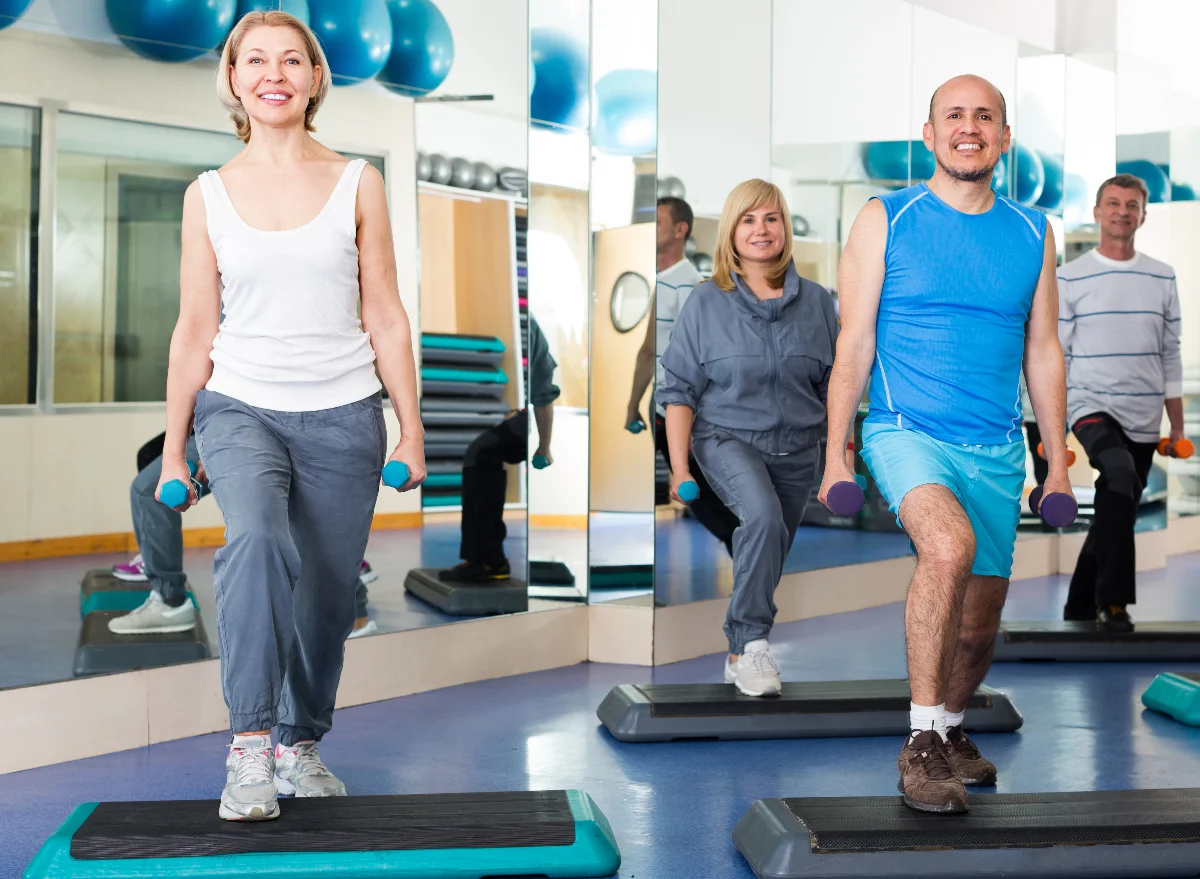
Incorporate Walking Lunges and Alternating Step-ups. These movements mimic the demands of walking on uneven terrain or climbing stairs, testing your coordination under pressure.
Five Essential Moves for Unrivaled Balance
1. Walking Lunges: The Gold Standard for Dynamic Stability
Walking lunges are the ultimate test of control. They force your quads, glutes, and core to work in unison to stabilize your torso during the transition of each step.
- The Benefit: They build dynamic balance, which is the exact type of stability needed to recover if you stumble during a walk.
- Execution: Keep your torso tall, like a string is pulling the crown of your head to the ceiling. Take a controlled step forward, lower your back knee toward the ground, and push off with the front heel to reset.
- Recommended Volume: 3 sets of 8–10 reps per leg.
2. Single-Leg Balance: The Foundation of Independence
This is the most critical exercise for preventing falls. By standing on one leg, you force the tiny stabilizer muscles in your feet and ankles to fire, which is the first line of defense against a fall.
- The Benefit: It eliminates reliance on momentum, forcing your hip and glute stabilizers to do the heavy lifting.
- Execution: Stand on one leg. If you lose your balance, gently tap your toe down. Focus on keeping your weight centered over the middle of your foot.
- Recommended Volume: 3 rounds of 20–30 seconds per leg.
3. Plank with Shoulder Taps: Core Connectivity
Balance is not just about your legs; it is about your "trunk" control. If your core is weak, your upper body will sway, pulling your center of gravity off-balance.
- The Benefit: This exercise trains your body to remain "quiet" (still) even when one limb is lifted, simulating the bracing required to catch yourself if you lose your balance.
- Execution: Get into a high plank position. Slowly lift one hand to tap the opposite shoulder without letting your hips rock or twist.
- Recommended Volume: 3 sets of 8–12 taps per side.
4. Alternating Step-Ups: Mastering Elevation
Whether it is a curb, a staircase, or a hiking trail, the ability to step up confidently is a hallmark of an active lifestyle.
- The Benefit: It forces you to control your body weight while moving upward, strengthening the hamstrings and glutes in a functional range of motion.
- Execution: Use a stable, low platform. Drive through the entire foot of the lead leg. Avoid pushing off with the back leg, which forces the lead leg to do 100% of the work.
- Recommended Volume: 3 sets of 8–10 reps per leg.
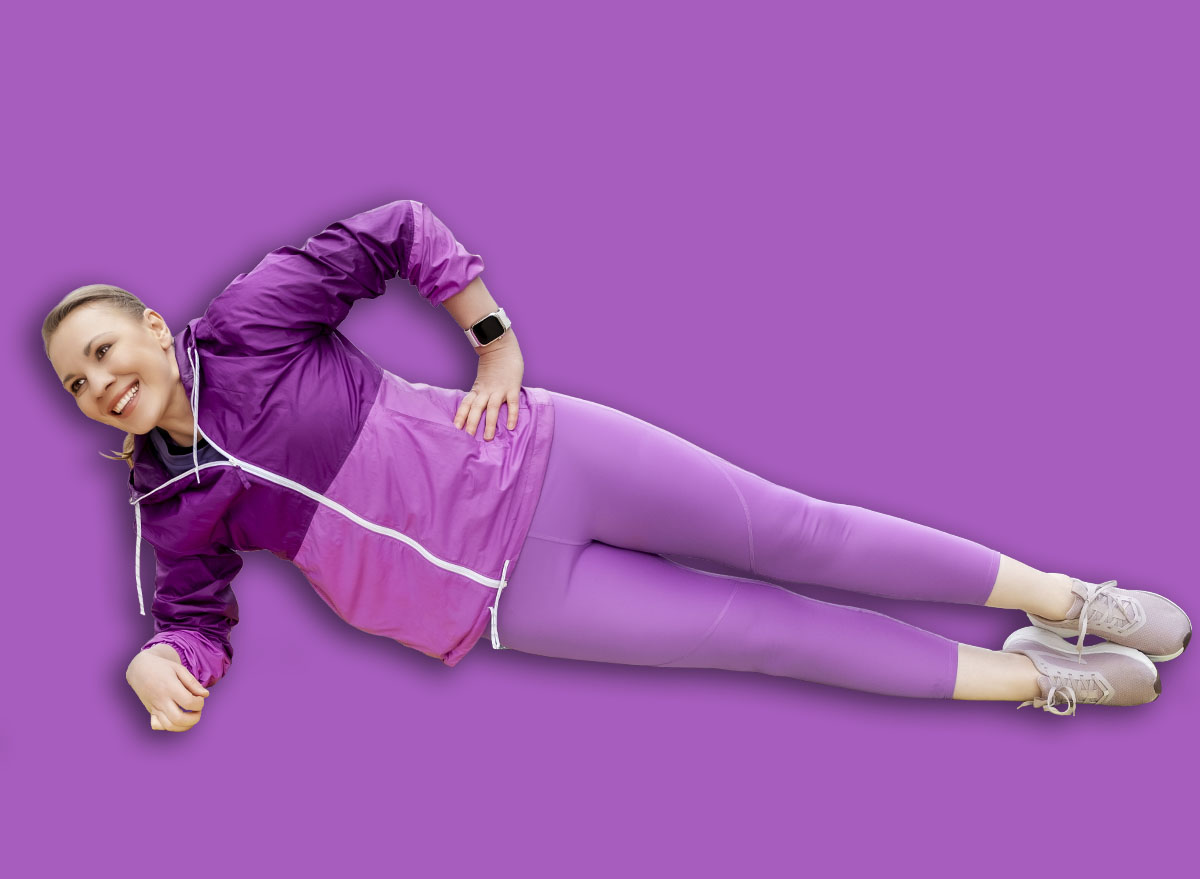
5. Side Plank Holds: Lateral Stability
Most of our daily movement is forward-facing, but balance often fails when we move sideways. Strengthening the obliques and outer hips is essential for side-to-side stability.
- The Benefit: It prevents the "sway" that leads to falls when carrying groceries or turning corners.
- Execution: Lie on your side, propped up by your forearm. Keep your body in a straight line from head to heels. Lift your hips until you are in a perfect side bridge.
- Recommended Volume: 3 sets of 20–30 seconds per side.
Supporting Data: The Clinical Evidence
Medical literature consistently supports the transition from static stretching to active, weight-bearing exercises for seniors. A recent study published in the Journal of Aging and Physical Activity noted that seniors who engaged in regular, multi-planar balance training showed a 40% reduction in fall-related incidents over a 12-month period.
The physiological mechanism is clear: consistent, challenging balance exercises stimulate "proprioception"—the body’s ability to sense its position in space. By regularly stimulating these receptors in the ankles and hips, you effectively shorten the reaction time between a misstep and a corrective muscle contraction.
Official Recommendations and Expert Guidance
Health organizations, including the American College of Sports Medicine (ACSM), suggest that adults over 60 should incorporate balance training at least three times per week. However, the quality of the training is more important than the quantity.
"You cannot improve balance by doing movements that feel easy," says Dr. Aris Thorne, a leading specialist in geriatric physical therapy. "The nervous system only adapts when it is challenged. If you are not wobbling slightly or feeling the need to focus, the exercise is likely not doing enough to trigger a neurological adaptation."
Safety Precautions
- Clear the Area: Always ensure your exercise space is free of rugs or obstacles.
- Have Support Nearby: Especially when starting, keep a sturdy chair or countertop within arm’s reach.
- Listen to Your Joints: Balance exercises should feel like a muscle challenge, not a joint-pain challenge. If you feel sharp pain in your knees or ankles, regress the exercise to a simpler variation.
Implications for Long-Term Health
The decision to commit to a balance routine after 60 is a commitment to your future self. The implications go far beyond the gym. Better balance means:
- Increased Activity Participation: You are more likely to garden, travel, and play with grandchildren when you aren’t afraid of losing your footing.
- Bone Health: Many of these movements, particularly step-ups and lunges, act as weight-bearing exercises that help maintain bone density.
- Cognitive Sharpness: Balance training is a "dual-task" activity. It forces the brain to coordinate complex motor patterns, which has been linked to improved cognitive health and focus.
Conclusion
Stability is not a lost cause; it is a skill that can be reclaimed. By shifting your focus from passive exercise to active, weight-bearing movements, you are building an insurance policy for your mobility. Start slowly, prioritize your form, and be consistent. Whether you are walking through your home or navigating a busy sidewalk, the strength you build today will keep you steady for years to come.
References
- National Institute on Aging: Guidelines for Exercise and Physical Activity in Older Adults.
- Journal of Geriatric Physical Therapy: Impact of Multi-Planar Resistance Training on Fall Prevention.
- American College of Sports Medicine: Exercise Prescription for Older Adults.
- Clinical Archives of Mobility: The Role of Core Bracing in Maintaining Dynamic Balance in Adults 60+.