





For millennia, ancient traditions have championed the meditative arts as a pathway to enlightenment, emotional regulation, and physical healing. Yet, until recently, the scientific community has largely viewed these claims with skepticism, often relegating them to the realm of anecdotal evidence or the "placebo effect." A groundbreaking study published in Communications Biology by researchers at the University of California San Diego (UCSD) is now challenging this divide, providing the first systematic evidence that intensive, weeklong mind-body practices can leave measurable "fingerprints" on the human brain and immune system.
The study, which monitored participants throughout a seven-day residential retreat, suggests that the human body is far more responsive to focused mental states than previously understood. By integrating intensive meditation, cognitive reframing, and social engagement, the researchers observed biological shifts that were not only statistically significant but, in some cases, remarkably similar to the neurochemical signatures typically induced by psychedelic substances.
The Convergence of Mind and Molecule: Main Findings
The core revelation of the UCSD research is that mind-body interventions do not merely influence our psychological state; they fundamentally modulate our physiological operating system. By analyzing the blood and brain activity of 20 healthy adults before and after a weeklong retreat, the team identified systemic changes in pathways related to metabolism, immune function, and neuroplasticity.
Unlike previous studies that looked at isolated components of meditation—such as breathwork or mindfulness alone—this study examined a "multi-modal" approach. The participants were led through 33 hours of guided meditation, lectures on neuroscience, and group healing activities. The results were startling: the retreat acted as a catalyst for a "whole-body" biological reset, effectively bridging the gap between conscious thought and molecular activity.
A Chronology of the Retreat
To understand how these changes occur, the research team implemented a rigorous observational framework. The study followed a specific trajectory designed to isolate the effects of the retreat environment:
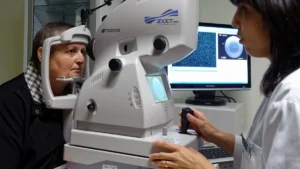
- The Baseline Assessment: Before arriving at the retreat, participants underwent fMRI scans to establish a baseline for their brain connectivity and provided blood samples to map their metabolic and immune profiles.
- The Seven-Day Immersion: Participants engaged in a high-intensity, residential program facilitated by neuroscience educator and author Dr. Joe Dispenza. The curriculum was designed to foster an "open-label placebo" environment, where participants were informed that their expectations and social connections could act as therapeutic tools.
- Active Engagement: Over the course of 33 hours of guided practice, participants moved through structured sessions of meditation and healing. The program emphasized the "reconceptualization" of the self, encouraging participants to shift their focus from their existing biological realities to a desired state of health and connectivity.
- Post-Retreat Evaluation: Immediately following the conclusion of the program, participants repeated the fMRI scans and blood draws. This temporal proximity allowed researchers to capture the immediate biological "echoes" of the week’s experiences.
The Data: Beyond the Placebo Effect
The data collected during the study provides a robust rebuttal to the idea that meditation is merely a form of gentle relaxation. The findings were quantified through three primary lenses:
Neurological Connectivity
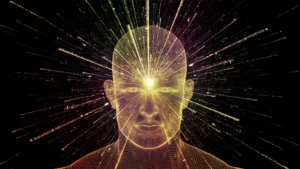
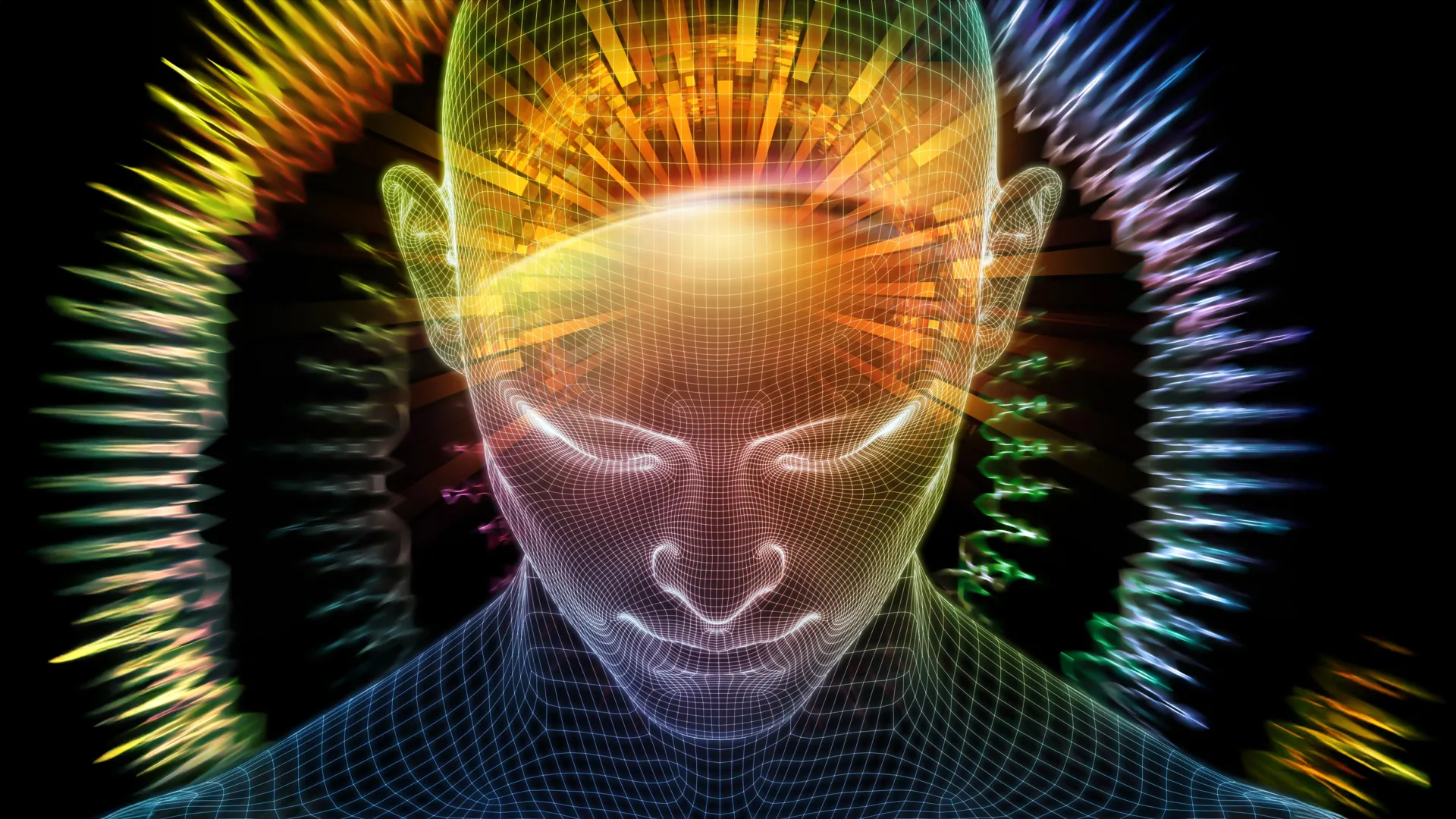
The fMRI scans revealed increased coordination between distinct brain regions. These patterns were not random; they mirrored the neural signatures associated with the consumption of psilocybin, a psychedelic compound currently being studied for its profound effects on neuroplasticity and treatment-resistant depression. The fact that these states were achieved through sustained mental practice—without the introduction of external chemical agents—suggests that the human brain possesses an innate, untapped capacity for rapid reorganization.
The Mystical Connection
Using the Mystical Experience Questionnaire (MEQ-30), researchers measured subjective feelings of unity, transcendence, and altered perception. Participants showed a significant increase in these scores (from 2.37 to 3.02). Crucially, the researchers found a direct correlation between these subjective "mystical" experiences and the objective biological changes observed in the scans. The deeper the internal experience reported by the participant, the more pronounced the neural coordination, suggesting that the "mystical" is, in fact, a quantifiable neurological event.
Metabolic and Immune Markers
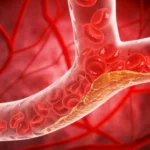
Blood analysis revealed a downregulation of inflammatory markers and an upregulation of genes associated with immune response and metabolic efficiency. This suggests that the immune system is listening to the brain’s signals; when the mind enters a state of deep coherence, the body appears to shift its resources toward repair and maintenance rather than the "fight or flight" response typical of high-stress living.
Official Perspectives: Decoding the Results
The senior author of the study, Dr. Hemal H. Patel, a professor of anesthesiology at the UC San Diego School of Medicine, emphasizes that this research represents a paradigm shift.
"We’ve known for years that practices like meditation can influence health, but what’s striking is that combining multiple mind-body practices into a single retreat produced changes across so many biological systems that we could measure directly," said Dr. Patel. "This isn’t about just stress relief or relaxation; this is about fundamentally changing how the brain engages with reality and quantifying these changes biologically."
Alex Jinich-Diamant, a doctoral student at UCSD and the study’s first author, echoed this sentiment. He highlighted that the study confirms the "interconnectedness" of the human system. "What we believe, how we focus our attention, and the practices we participate in can leave measurable fingerprints on our biology," Jinich-Diamant noted. "It’s an exciting step toward understanding how conscious experience and physical health are intertwined."
Implications: The Future of Integrative Medicine
The implications of this study are vast, particularly for the future of clinical medicine. If the brain can be trained to trigger its own "pharmacy" of pain-relief chemicals and anti-inflammatory responses, the implications for chronic disease management could be transformative.
Managing Chronic Pain
The study observed an increase in natural pain-relief chemicals in the bloodstream. For patients suffering from chronic pain, for whom traditional pharmaceuticals often offer limited relief or carry the risk of addiction, these findings offer a new, non-drug-based avenue for symptom management.
Mental Health and Resilience
By boosting neuroplasticity, these practices may provide a tool for enhancing emotional regulation. The ability to shift brain states through meditation could prove vital for individuals struggling with anxiety, depression, or PTSD, providing them with the neurological tools to break out of entrenched, unhealthy patterns of thought.
The "Open-Label Placebo" Revolution
Perhaps most intriguingly, the study’s use of an "open-label placebo" approach suggests that we do not need to be deceived to benefit from the power of suggestion. By acknowledging that expectation and community play a role in healing, the study empowers patients to become active participants in their own recovery. It suggests that the "mind-body connection" is not a mystery to be solved, but a mechanism to be utilized.
Looking Ahead: Questions for Future Research
While the findings are compelling, the research team is the first to admit that this is only the beginning. The current study was conducted on a small group of healthy adults, and further research is necessary to determine the longevity of these changes.
- Clinical Efficacy: Will these results hold true for populations with active, chronic, or degenerative diseases? Future clinical trials will focus on translating these findings into actionable protocols for hospital and clinical settings.
- The Component Analysis: The current study utilized a multi-modal approach. Future researchers hope to isolate the variables to understand which specific practices—be it the meditation, the group connection, or the conceptual lectures—contribute most significantly to the biological changes.
- The Question of Durability: A central question remains: do these biological shifts persist? Researchers are already planning longitudinal studies to track how long the "fingerprints" of the retreat remain visible and whether periodic practice can maintain these states indefinitely.
As the scientific community continues to peel back the layers of how mind and matter interact, the UCSD study stands as a foundational piece of evidence. It confirms that the boundaries between the subjective inner world and the objective physical body are far more porous than modern medicine has historically assumed. By harnessing the brain’s ability to influence the blood and immune system, we may be entering an era where medicine is defined not just by what we take, but by what we focus on.