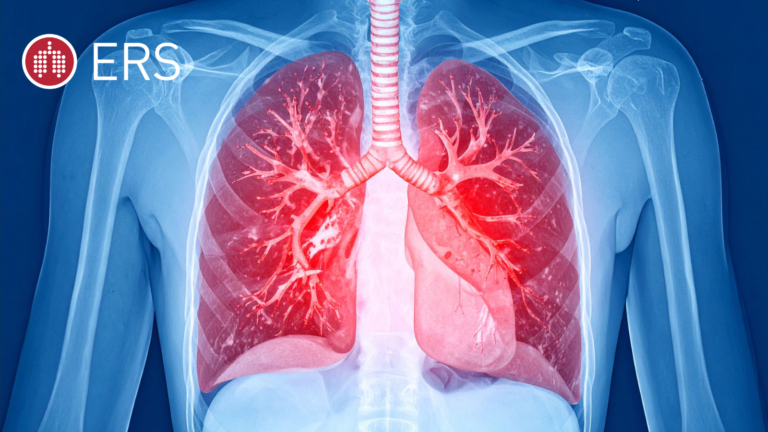








In the high-stakes environment of emergency medicine, time is the ultimate currency. For patients presenting with symptoms of a pulmonary embolism (PE)—a sudden blockage in a lung artery—every second spent awaiting diagnostic confirmation is a second lost in the race to prevent mortality. A landmark study published in Radiology: Artificial Intelligence has provided compelling evidence that artificial intelligence (AI) is no longer a futuristic concept, but a reliable partner in the fight against this life-threatening cardiovascular condition.
Analyzing over 32,000 Computed Tomography Pulmonary Angiography (CTPA) scans, researchers from Northwell Health have demonstrated that an AI-augmented diagnostic workflow achieves a staggering 97.8% agreement rate with expert radiologists. This findings suggest that the future of radiology lies not in the replacement of human expertise, but in the sophisticated, symbiotic relationship between machine precision and clinical intuition.
The Magnitude of the Challenge: Understanding Pulmonary Embolism
Pulmonary embolism remains a formidable adversary in modern healthcare. As the third most common cardiovascular cause of death, it is responsible for between 5% and 10% of all in-hospital fatalities and claims more than 300,000 lives annually in the United States alone.
The clinical challenge lies in the condition’s presentation. Symptoms often mimic other respiratory or cardiac issues, making rapid and accurate imaging via CTPA essential. However, the sheer volume of scans generated in large healthcare systems often creates a backlog, forcing radiologists to prioritize cases based on a triage queue that is traditionally managed by time of arrival rather than clinical urgency. This is where AI interventions, specifically those designed to flag acute, high-risk cases, have sought to bridge the gap.
Chronology: From Algorithm Development to Real-World Validation
The study, led by researchers at Northwell Health, represents one of the most comprehensive "human-in-the-loop" evaluations of AI in radiology to date. The project followed a rigorous 18-month longitudinal study design:
- Phase 1: Implementation and Integration: The healthcare system integrated an AI algorithm developed by AIDOC into their existing radiology workflow. The software was configured to analyze incoming CTPA scans in real-time, instantly flagging suspected positive cases for radiologists.
- Phase 2: Data Collection: Over the 18-month period, the team gathered a robust dataset of 32,501 CTPA scans. Unlike small-scale pilot studies, this research encompassed diverse patient demographics and clinical presentations across an entire integrated healthcare system.
- Phase 3: The Adjudication Process: Whenever a discrepancy arose—where the AI’s determination differed from the initial radiologist’s interpretation—a panel of expert thoracic radiologists was brought in to adjudicate the findings. This "gold standard" review allowed the researchers to determine with near-certainty which party was correct.
- Phase 4: Synthesis and Analysis: The final phase involved calculating sensitivity, concordance rates, and the impact of the AI-human collaboration on overall patient outcomes.
Supporting Data: The Metrics of Accuracy
The statistical breakdown of the study provides a nuanced look at where AI excels and where human oversight remains non-negotiable.
Concordance and Discrepancy
The study found an overall concordance rate of 97.8%. When broken down by diagnosis:
- Negative Exams: Concordance was at its highest, reaching 98.18%. This suggests that AI is exceptionally reliable at filtering out clear, healthy scans, effectively reducing the "cognitive noise" for radiologists.
- Positive Exams: Concordance was slightly lower at 93.75%, underscoring the complexities inherent in identifying smaller or peripheral emboli.
The Adjudication Results
When the AI and the radiologist disagreed, the expert thoracic radiologists found that:
- Radiologists were correct 88.7% of the time.
- The AI algorithm was correct 11.3% of the time.
These figures are critical. They demonstrate that while the AI is a powerful triage tool, the human radiologist remains the final arbiter of diagnostic truth. Furthermore, the study revealed that 483 positive cases—approximately 15% of all positive findings—were caught only because of the human review process when the AI had initially returned a negative result. This serves as a potent reminder that AI should be viewed as a "safety net" rather than a standalone diagnostic replacement.
Official Responses and Expert Perspective
The findings have been met with enthusiasm by the medical imaging community, particularly regarding the concept of "AI-informed" radiology.
"Ai-informed radiologists achieved a sensitivity of 99.2% for pulmonary embolism detection," noted Shlomit Goldberg-Stein, professor of radiology and director of artificial intelligence at the Zucker School of Medicine at Hofstra/Northwell.
Dr. Goldberg-Stein emphasized that the success of the system was most pronounced in the most critical cases. "Radiologist-AI agreement was highest for acute and central emboli—the cases associated with the greatest clinical urgency and mortality risk." This validation is perhaps the most significant outcome of the study: the AI is not just accurate; it is accurate exactly where it matters most, helping physicians prioritize the most life-threatening cases for immediate intervention.
Implications for Future Clinical Practice
The Northwell Health study acts as a blueprint for the future of hospital radiology departments. As AI adoption continues to scale, the following implications emerge:
1. Shift in Workflow Efficiency
By automating the identification of clear-cut negative scans and instantly flagging high-risk acute emboli, AI allows radiologists to redistribute their cognitive load. Instead of spending time scrolling through hundreds of normal images, they can dedicate more time to complex cases, improving both speed and diagnostic accuracy.
2. The Importance of the "Human-in-the-Loop" Model
The study definitively proves that the "human-in-the-loop" model is the gold standard for patient safety. The fact that radiologists caught 15% of positive cases that the AI missed confirms that automated systems are currently ill-equipped to handle the full spectrum of diagnostic edge cases. The future of healthcare is not "AI vs. Doctor," but rather the "Augmented Radiologist."
3. Reducing Diagnostic Error
The 99.2% sensitivity rate achieved by the combined approach is a landmark figure. In a clinical setting, such high sensitivity translates to fewer missed diagnoses, earlier interventions, and ultimately, higher survival rates for PE patients.
4. Scalability and Resource Allocation
Large-scale healthcare systems, which often struggle with staffing shortages and physician burnout, stand to gain the most. By providing a "second set of eyes" that never fatigues, AI allows for a more consistent standard of care, regardless of the time of day or the volume of the scan queue.
Conclusion: A New Era of Collaboration
The integration of AI into the detection of pulmonary embolism marks a transformative moment in clinical radiology. By processing massive datasets with speed and flagging critical cases for human review, artificial intelligence is effectively shortening the time between suspicion and diagnosis.
However, as this study emphasizes, the machine is not an oracle. Its strength lies in its ability to complement the expertise of the human physician. The 15% of cases identified solely by radiologists, contrasted with the AI’s ability to triage the other 85%, creates a safety mechanism that is stronger than either entity could provide alone.
As healthcare systems look toward the future, the integration of AI will likely become standard. For patients, this means that the next time they arrive at an emergency department with symptoms of a pulmonary embolism, they will benefit from a system that is faster, more accurate, and profoundly more capable than any previous generation of medical diagnostics. The partnership between human intelligence and machine learning is not just improving efficiency—it is saving lives.