




By Editorial Staff
In the landscape of modern parenting, few milestones are as mythologized as a child’s first steps. For Kari McBride, that memory—the swagger, the sway, and the fragile, hard-won independence of her daughter after 18 months of intensive medical intervention—remains a foundational touchstone. Yet, as the years have passed and the narrative of her family’s life has shifted from the pursuit of developmental milestones to the navigation of chronic pain, the definition of what it means to "savor a moment" has undergone a profound transformation.
This article explores the intersection of chronic illness, the necessity of mindfulness, and the unexpected role that nature-based interventions—such as backyard birding—play in the mental health of families living with invisible, long-term health challenges.
The Chronology of Change: From Milestones to Management
The trajectory of the McBride household mirrors the experience of millions of families currently navigating the complexities of chronic illness. What began as a series of hospital stays, pediatric physical therapy sessions, and the high-stakes pressure of meeting developmental targets evolved into a quieter, more grueling marathon.
The Early Years: The Pressure of "Firsts"
For many parents, the early years of a child’s life are defined by a relentless checklist of "firsts." McBride recalls the 18 months of medical appointments that preceded her daughter’s first independent steps. During this period, the "savor the moment" mantra often feels like a burden—a directive to enjoy a process that is frequently characterized by exhaustion, financial stress, and emotional volatility.
The Adolescent Shift: Seeking New Connections
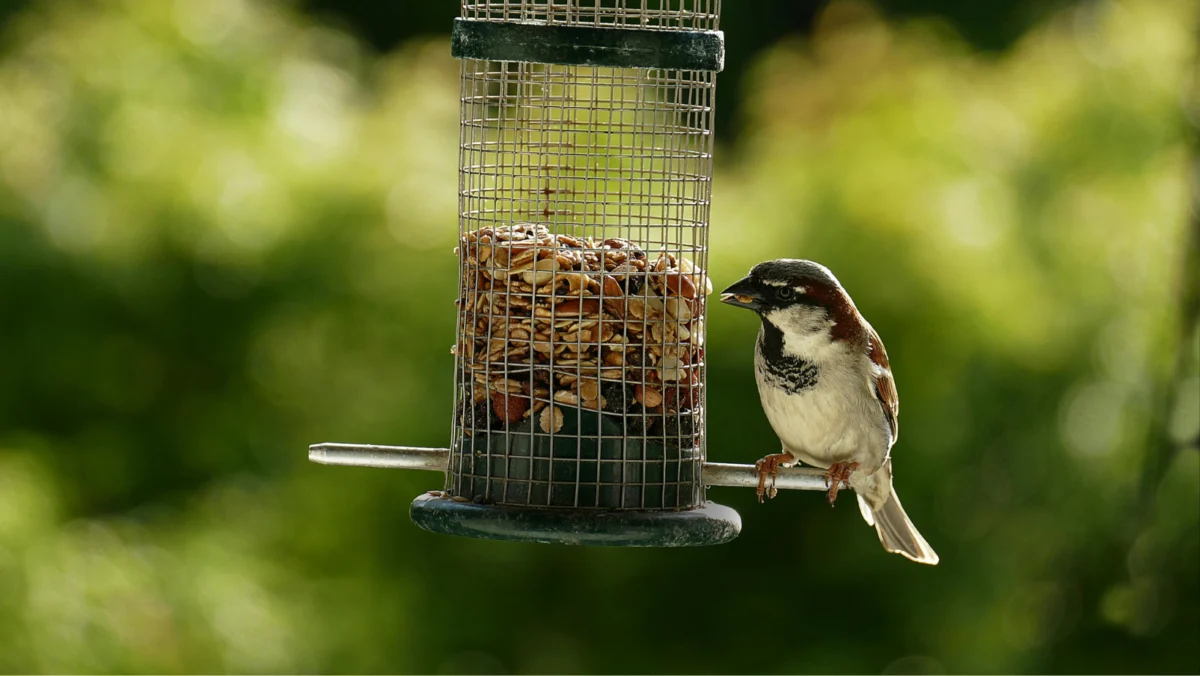
As her daughter entered her teenage years, the nature of their shared time changed. The physical manifestations of their respective chronic pain conditions became a central, albeit unwelcome, member of the household. It was during this period that the daughter requested the installation of bird feeders—a seemingly mundane request that would serve as the catalyst for a fundamental shift in how the family processes their environment.
The Present: The "Slow-Down" Methodology
The transition from managing a child’s medical crisis to co-existing with shared chronic pain has necessitated a move toward what psychologists call "radical presence." The act of watching birds—once dismissed by the author as a mere chore—has evolved into a daily, intentional practice of sensory grounding.
Supporting Data: The Science of Nature and Chronic Pain
The anecdotal experience of the McBride family aligns with a growing body of psychological and physiological research regarding the impact of nature observation on chronic pain management.
The Biophilia Hypothesis
Coined by E.O. Wilson, the Biophilia Hypothesis suggests that humans possess an innate tendency to seek connections with nature and other forms of life. Studies have consistently shown that even short periods of time spent observing natural settings—often referred to as "micro-breaks"—can lead to measurable decreases in cortisol levels and blood pressure.
Cognitive Distraction and Pain Modulation
Chronic pain creates a loop of hyper-vigilance, where the brain is constantly scanning the body for sensations of discomfort. Research published in the Journal of Pain suggests that "positive distraction"—such as bird watching—can act as a gate-control mechanism. By shifting the focus from internal somatic pain to external, unpredictable stimuli (the movement of birds), the brain’s processing of pain signals is temporarily interrupted.
The Mental Health of Caregivers
Caregiving for a family member with chronic pain is a significant risk factor for secondary trauma and burnout. A 2022 study by the National Institute of Mental Health highlighted that caregivers who incorporate "micro-moments of awe"—the experience of perceiving something vast or beautiful that transcends their current frame of reference—reported higher levels of psychological resilience compared to those who did not.
Official Perspectives: The Clinical View on Mindful Observation
Medical professionals increasingly advocate for the integration of "mindful awareness" into chronic pain management plans. While medication and physical therapy remain the bedrock of treatment, the "third wave" of cognitive-behavioral therapies (CBT) emphasizes acceptance and commitment.
Expert Commentary
"We often find that patients living with chronic pain develop a sense of ‘future-tripping’ or ‘past-regretting,’" says Dr. Elena Rossi, a specialist in pain management. "The challenge is that chronic pain is an all-consuming reality. Encouraging patients to find small, external anchors—like gardening, birding, or even pet ownership—isn’t about ‘distracting’ them from their pain in a dismissive way. It is about expanding the space in their consciousness so that the pain is no longer the sole inhabitant."
The "Micro-Moment" Framework
Clinical psychologists often utilize the "Savoring Technique," which involves three components:
- The Pause: Recognizing the moment is occurring.
- The Engagement: Focusing on the sensory details (the color of the feathers, the specific sound of a bird’s call).
- The Preservation: Choosing to store the memory, thereby creating a "bank" of positive experiences to draw upon during future pain flares.
The Implications: Redefining "Savoring"
The implications of McBride’s realization extend far beyond her backyard. In a culture that values grand, cinematic life events—the graduation, the wedding, the promotion—the art of finding value in the ephemeral is a radical act of self-care.
Moving Beyond the "First"
McBride’s reflection on her daughter’s first steps serves as a poignant reminder that we are trained to value "firsts" as if they are the only moments worthy of preservation. However, the true test of human resilience is not how we celebrate the peaks, but how we endure the plateaus. By acknowledging that "they won’t all be as big as my daughter’s first steps," the author invites readers to reconsider the hierarchy of their own experiences.
The Burden of Expectations
Chronic pain often brings with it a sense of grief for the life one "should" be living. When the ability to engage in high-intensity activities is lost, the individual often feels as though their life has shrunk. The transition to bird-watching highlights that the depth of an experience is not determined by its intensity, but by the level of attention brought to it.
The Sustainability of Small Joys
For families dealing with long-term, incurable, or invisible conditions, the sustainability of one’s emotional health depends on these small, manageable windows of relief. The bird feeder acts as a tangible boundary between the chaos of pain and the stillness of the present. It provides a routine that is not demanding, a reward that is not contingent on performance, and a perspective that is entirely detached from the body’s internal struggles.
Conclusion: The Architecture of the Present
Kari McBride’s narrative is a testament to the resilience of the human spirit in the face of persistent, chronic adversity. It is a reminder that while we cannot always choose the circumstances of our health or the health of our loved ones, we maintain a measure of agency in how we allocate our attention.
The act of watching a mockingbird hop along a fence line may seem insignificant to the casual observer. But to the one living with pain, it is a deliberate, courageous choice to look outward. It is the acknowledgement that life—in all its fragile, brief, and painful beauty—is still happening.
As we navigate our own challenges, perhaps the most important lesson to take from the McBride household is this: We do not need to wait for the monumental "firsts" to justify our joy. We only need to be willing to stand still, to breathe, and to notice. The birds will continue to come and go, and in the space between their arrivals, we may find the very thing we have been searching for all along: the ability to exist, fully and without judgment, in the present moment.