











For millions of adults suffering from obstructive sleep apnea (OSA), the search for an effective, sustainable treatment often feels like an uphill battle. While Continuous Positive Airway Pressure (CPAP) machines remain the gold standard for management, recent breakthroughs in pharmacology—specifically the rise of glucagon-like peptide-1 (GLP-1) receptor agonists—have opened a new frontier in treating sleep-related breathing disorders.
However, the rapid ascent of drugs like Ozempic, Wegovy, and Zepbound has created a landscape of confusion regarding insurance coverage, clinical efficacy, and the distinction between weight-loss management and sleep health.
The Science: Why Weight Loss Impacts Sleep Apnea
Obstructive sleep apnea occurs when the muscles in the back of the throat fail to keep the airway open during sleep. This leads to repeated pauses in breathing, known as apneas, which can fragment sleep and cause significant daytime fatigue.
Research has long established a strong correlation between obesity and OSA. Excess adipose tissue, particularly around the neck and throat, places physical pressure on the airway, causing it to collapse more easily. Clinical data suggests that a 20% reduction in Body Mass Index (BMI) can lead to a 57% reduction in the severity of sleep apnea symptoms. Because GLP-1 medications are highly effective at inducing significant weight loss, they are increasingly being viewed as a therapeutic tool for improving respiratory health.
Chronology of GLP-1 Integration in Sleep Medicine
The journey of GLP-1s from diabetes management to a potential OSA treatment is a relatively recent development:

- Early 2000s: GLP-1 agonists were primarily developed and approved for the management of type 2 diabetes. Their weight-loss side effects were noted but were secondary to glucose regulation.
- 2017–2021: As the obesity epidemic intensified, drugs like semaglutide (Wegovy) gained FDA approval specifically for weight management. Researchers began observing that patients using these medications reported better sleep quality.
- 2024: A pivotal year for sleep medicine, the FDA granted approval for tirzepatide (Zepbound) specifically for the treatment of moderate to severe OSA in adults with obesity. This landmark decision marked the first time a weight-loss medication was officially recognized for its direct impact on sleep-disordered breathing.
Understanding the Landscape: Ozempic vs. Zepbound
It is critical for patients to understand that not all GLP-1 medications are equal in the eyes of regulatory bodies.
Ozempic (Semaglutide) is FDA-approved solely for the treatment of type 2 diabetes. While some physicians prescribe it "off-label" to aid in weight loss for patients with OSA, insurance companies rarely cover it for this purpose.
Zepbound (Tirzepatide), however, has secured FDA approval for treating OSA. This distinction is vital; because Zepbound has a specific clinical indication for sleep apnea, it is significantly more likely to be covered by insurance plans, though often subject to strict prior authorization requirements.
Supporting Data and Clinical Efficacy
The clinical trials leading to the approval of Zepbound for OSA were robust. Participants demonstrated a significant reduction in the Apnea-Hypopnea Index (AHI)—the primary metric used to measure the severity of sleep apnea. By shedding excess weight, patients experienced less mechanical obstruction of the airway. Furthermore, trials indicated that these medications help address comorbidities often linked to OSA, such as hypertension and metabolic syndrome, creating a comprehensive improvement in cardiovascular and respiratory health.
The Financial Hurdle: Insurance and Coverage Realities
Navigating insurance for GLP-1s is arguably the most complex part of the patient experience. The following points summarize the current environment:
- Off-Label Limitations: Insurers are generally resistant to paying for "off-label" use. If you are prescribed Ozempic for sleep apnea, you are likely to be denied coverage unless you also have a diagnosis of type 2 diabetes, which is an FDA-approved indication for the drug.
- Prior Authorization: Even for drugs like Zepbound that are approved for OSA, insurers frequently require "Step Therapy." This means you may be required to prove that you have tried a CPAP machine or a structured weight-loss program without success before the medication is approved.
- The Appeals Process: If a claim is denied, patients have the right to appeal. A strong appeal often involves a letter of medical necessity from a physician detailing why standard treatments (like CPAP) have failed or are not tolerated, and how the patient’s specific metabolic health makes the medication a life-saving intervention.
- Medicare and Medicaid: Coverage for these programs is evolving. While traditional Medicare has been hesitant to cover weight-loss drugs, the approval of Zepbound for a specific diagnosis like OSA has begun to change how these programs categorize the drug, with some limited coverage paths emerging.
Implications for Patients: What Should You Do?
If you believe you have sleep apnea and are interested in the role of GLP-1s, the following steps are recommended:
1. Secure an Official Diagnosis
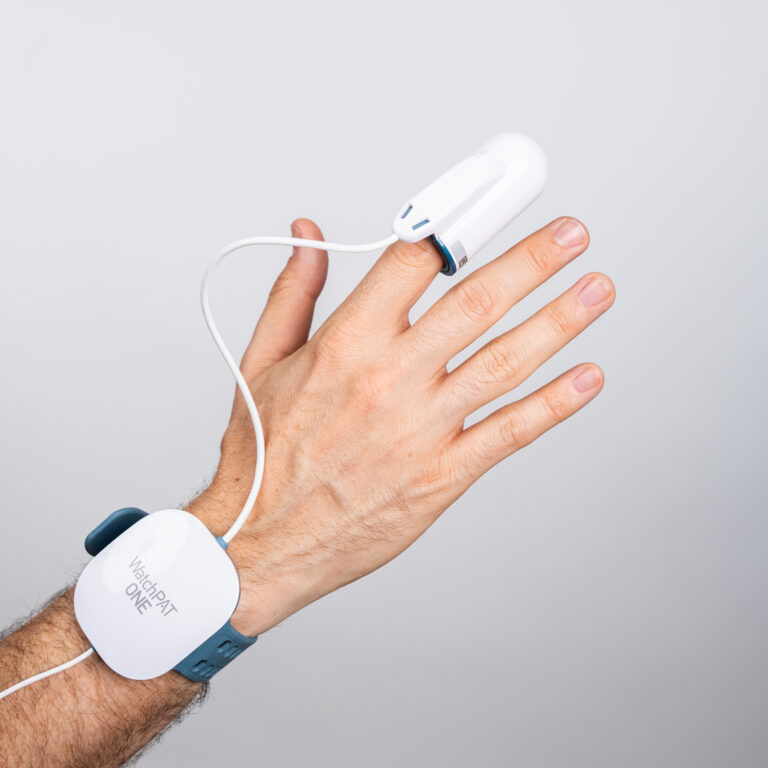
Before seeking medication, confirm the severity of your condition. Home sleep tests, which are increasingly affordable and accessible, can provide the clinical data necessary to support an insurance claim.
2. Consult a Specialist
Do not rely on general health forums. A sleep medicine specialist or an endocrinologist is best equipped to navigate the complex interplay between weight loss, insulin sensitivity, and airway obstruction. They are also the only ones who can effectively navigate the peer-to-peer reviews often required by insurance companies during the authorization process.
3. Exhaust Conventional Channels
Insurers look for "medical necessity." Documenting your use of CPAP, your diet history, and your exercise regimen is essential. If you cannot tolerate a CPAP machine, ensure your doctor clearly documents this, as it is a major factor in securing alternative treatments.
4. Review Your Formulary
Check your specific insurance plan’s "formulary"—the list of covered drugs. This document is usually available in the member portal of your insurance provider’s website. If you cannot find it, call the customer service number on the back of your insurance card. Ask specifically: "Is Zepbound on the formulary for a diagnosis of obstructive sleep apnea?"

Lifestyle as a Foundation
It is important to emphasize that GLP-1 medications are designed to be used in conjunction with lifestyle changes, not as a replacement for them. A calorie-controlled diet and regular physical activity remain the bedrocks of health. The U.S. Department of Health and Human Services recommends at least 150 to 300 minutes of moderate-intensity aerobic exercise per week, complemented by resistance training.
Building muscle mass increases your metabolic rate, which can accelerate weight loss and further improve the quality of your sleep. Even if you are approved for medication, these lifestyle modifications will dictate the long-term success of your treatment.
Conclusion: A Shift in the Paradigm
The introduction of GLP-1 receptor agonists into the treatment protocol for sleep apnea represents a shift from "symptom management" (using a CPAP to push air past an obstruction) to "root cause management" (addressing the metabolic and weight-related factors causing the obstruction).
While the path to insurance approval is currently fraught with bureaucratic hurdles and high out-of-pocket costs, the medical community is moving toward a more holistic approach to sleep health. By staying informed, working closely with your healthcare provider, and meticulously documenting your health journey, you can better navigate the system and find the treatment path that is right for you.
Medical Disclaimer: The content provided in this article is for informational purposes only and does not constitute professional medical advice, diagnosis, or treatment. Always seek the advice of your physician or other qualified health provider with any questions you may have regarding a medical condition or before beginning any new medication.