










As we cross the threshold of 55, the biological narrative regarding muscle mass takes a challenging turn. Sarcopenia—the age-related loss of muscle mass and strength—becomes a genuine physiological adversary. However, the prevailing myth that one must lift heavy iron in a commercial gym to combat this decline is being dismantled by exercise science.
Bodyweight training, often dismissed as "light" or "introductory," is proving to be a potent tool for building and maintaining lean mass. When executed with precision, intent, and proper mechanical tension, bodyweight movements provide a stimulus that is not only effective for hypertrophy but also superior for functional longevity.
The Physiology of Aging and Muscle Maintenance
The biological reality for adults over 55 is clear: muscle mass does not persist through inertia. Without consistent, deliberate stimulus, the body begins to shed lean tissue to conserve energy. This is a survival mechanism that, in a modern sedentary environment, leads to frailty, metabolic slowdown, and diminished physical autonomy.
Research indicates that the secret to maintaining muscle isn’t necessarily the weight on the bar, but the tension placed on the muscle fibers. By leveraging your own body mass, you force the body to engage in complex stabilization, core bracing, and controlled movement patterns. Unlike machines that isolate muscle groups, bodyweight training requires total-body integration, which is essential for preserving the neuromuscular connections that keep us agile and coordinated as we age.
Chronology of Progress: Moving Beyond the "Warm-Up" Phase
Many people who start bodyweight training fail because they treat it as a casual warm-up. To see real progress, the approach must shift to "strength work."
- Phase 1: Foundation (Weeks 1–4): Focus on movement quality. Learn the mechanics of the push-up and the split squat. Do not rush. Use mirrors or video recordings to ensure your posture is perfect.
- Phase 2: Intentional Loading (Weeks 5–8): Begin manipulating the tempo. Instead of pumping out reps, take three seconds to lower yourself (the eccentric phase) and one second to explode upward. This time-under-tension forces the muscles to adapt to the load.
- Phase 3: Progressive Complexity (Weeks 9+): Once the basic movements feel controlled, introduce variations. Elevate your feet for push-ups, increase the depth of your split squats, or hold the peak of your glute bridge for an extra three seconds.
The Essential Five: Movements for Life
To build a comprehensive physique, you must train the major movement patterns: pushing, squatting, and core stabilization.
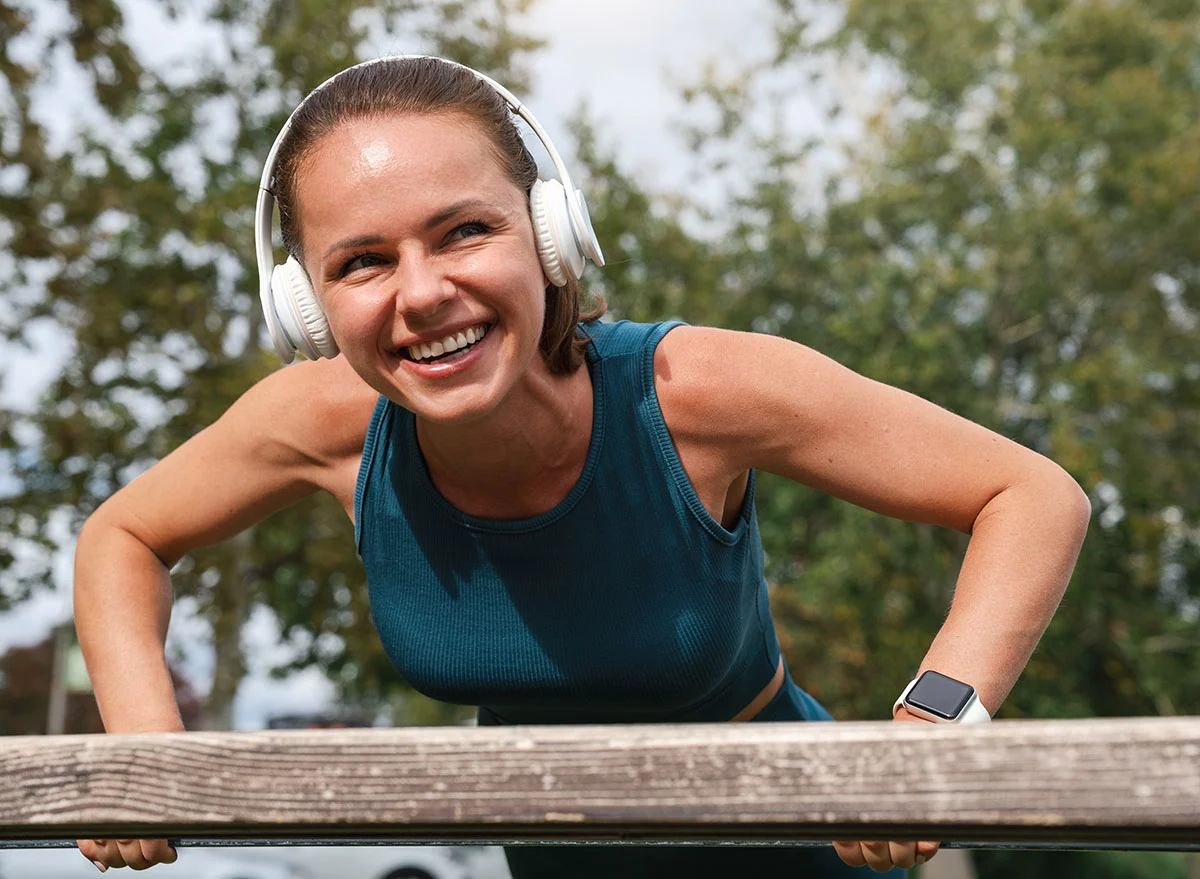
1. The Push-Up: The Gold Standard for Upper-Body Integrity
The push-up is more than a chest exercise; it is a moving plank. By maintaining a rigid line from head to heels, you engage the chest, anterior deltoids, triceps, and, crucially, the entire abdominal wall.
- The Benefit: It builds the pressing strength required for pushing open heavy doors or lifting items onto high shelves.
- Refining Form: Keep your elbows at a 45-degree angle from your body. Avoid the "T" shape, which can place undue stress on the shoulder joint.
2. Split Squats: Unilateral Leg Strength
Asymmetry is a common issue in aging. Split squats force each leg to work independently, correcting muscle imbalances and improving balance.
- The Benefit: This is the most effective movement for stair climbing and deep-squatting, which are critical for maintaining independence.
- Refining Form: Keep your weight centered over the front foot. Imagine you are driving your front heel through the floor.
3. Close-Grip Push-Ups: Tricep-Dominant Pressing
By narrowing your hand placement, you shift the mechanical burden from the chest to the triceps.
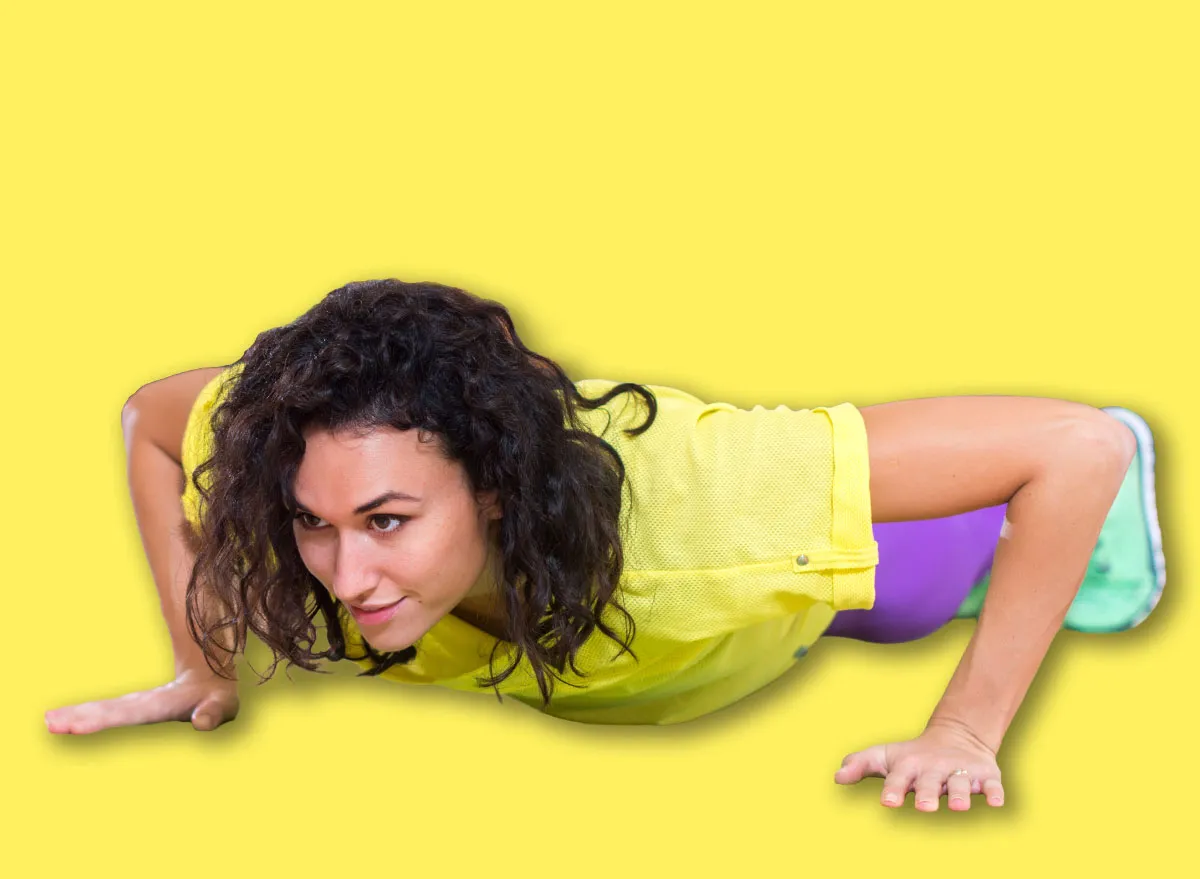
- The Benefit: Stronger triceps facilitate better elbow health and provide the power needed for getting up from the floor or pushing yourself out of a low chair.
- Refining Form: Your elbows should brush your ribs as you descend. If this is too difficult, start with your hands elevated on a stable bench or countertop.
4. Glute Bridge Walkouts: The Posterior Chain Powerhouse
The posterior chain (glutes and hamstrings) is often neglected in standard workouts. Glute bridge walkouts provide a unique, non-impact way to strengthen the backside.
- The Benefit: This movement alleviates lower back pain by strengthening the glutes, which act as the primary stabilizers for the lumbar spine.
- Refining Form: Do not allow your hips to sag. If you feel your lower back cramping, walk your feet back in slightly.
5. Reverse Crunches: Core Stability and Pelvic Control
Traditional sit-ups can be harsh on the spine for those over 55. Reverse crunches focus on the lower abdominals and pelvic tilt.
- The Benefit: Improved pelvic control is essential for preventing the "swayback" posture that often accompanies aging.
- Refining Form: Focus on "curling" your pelvis toward your chest rather than swinging your legs with momentum.
Supporting Data: Why It Works
Studies on geriatric exercise physiology suggest that the "intensity" required to stimulate muscle growth is subjective to the individual’s current fitness level. For a person who has been sedentary, a perfectly performed bodyweight squat provides the same stimulus as a loaded barbell squat would for a trained athlete.
The key is Progressive Overload. If you can perform 12 reps of an exercise easily, it is no longer building muscle—it is building endurance. To keep building, you must make the movement harder. This is done by:
- Increasing the range of motion.
- Increasing the time spent in the "stretch" position.
- Decreasing the rest intervals between sets.
Implications for Longevity
The implications of adopting this routine go beyond aesthetics. Muscle tissue is an endocrine organ; it secretes myokines that help regulate glucose metabolism and inflammation. By keeping your muscles active, you are essentially creating a "metabolic buffer" against chronic diseases like Type 2 diabetes and hypertension.
Furthermore, the confidence gained from physical mastery—the ability to move through space with grace and power—is a vital component of mental health. The psychological shift from "I am aging" to "I am training" is profound.
Professional Guidance and Safety
While bodyweight exercises are low-impact, they are not risk-free if performed with poor form. Before beginning this or any new exercise program:
- Consult your physician: Ensure you are cleared for resistance training, especially if you have existing joint or cardiovascular concerns.
- Focus on "Movement Snacks": If a 45-minute workout feels daunting, split these exercises into 10-minute sessions throughout the day. The physiological benefit is cumulative.
- Consistency over Intensity: It is better to perform 10 perfect push-ups three times a week for a year than to attempt a high-intensity routine that leaves you too sore to move for five days.
Conclusion: Your Body is Your Equipment
After 55, the goal of training is to build a body that serves you. By ditching the reliance on external weights and focusing on the intricate mechanics of your own movement, you regain control over your physical destiny. Whether you are in your living room, a park, or a hotel, your body is always ready to work. Start today, prioritize your form, and watch how quickly your body responds to the challenge.