











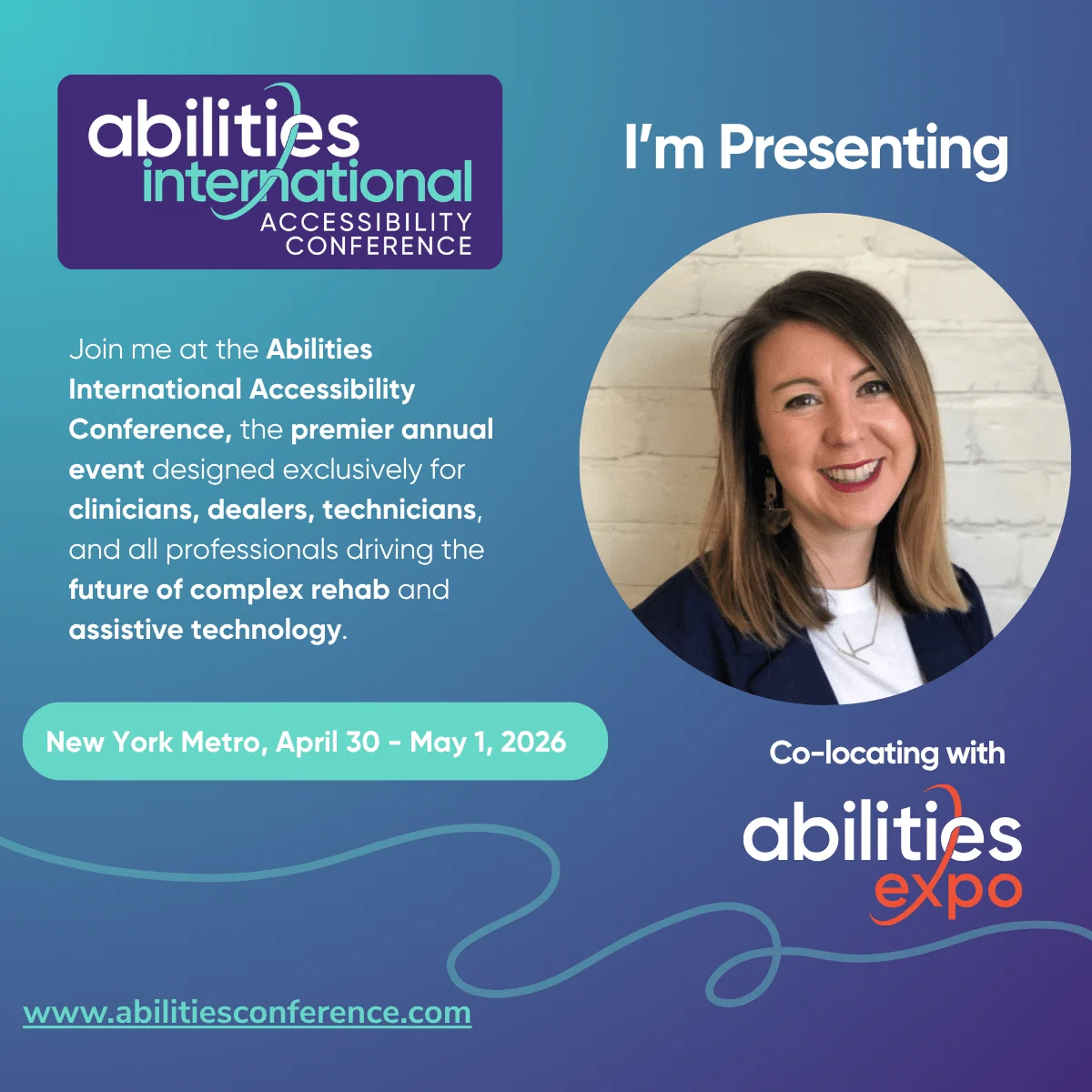
Los Angeles, New York, and Chicago, USA – A significant development in the realm of complex rehabilitation technology (CRT) is unfolding with the launch of the Abilities International Accessibility Conference. Designed as a dedicated platform for professionals, this new conference series is set to redefine professional development and foster innovation within the CRT ecosystem. Katy Roberts, Managing Director of Abilities Portfolio, recently shared exclusive insights with Rehab Management, outlining the vision, content, and expected impact of this groundbreaking initiative.
The conference, strategically co-located with the long-standing Abilities Expo, promises two days of intensive educational programming, hands-on workshops, and unparalleled networking opportunities for occupational therapists, physical therapists, assistive technology professionals, manufacturers, and resellers. With events scheduled across major U.S. cities, including Los Angeles, the New York Metro area, and Chicago, the conference aims to bridge critical knowledge gaps and elevate the standard of care for individuals with disabilities.
Main Facts: A Dual-Purpose Platform for Accessibility
The Abilities International Accessibility Conference emerges as a crucial new pillar in the broader mission of enhancing independence and quality of life for people with disabilities. While the Abilities Expo has served the consumer community for decades, offering direct access to innovative products and services, the new professional conference addresses a distinct, yet equally vital, need within the industry. It provides a focused environment for professionals to deepen their expertise, engage with cutting-edge research, and collaborate on best practices in complex rehabilitation technology.
Katy Roberts emphasized the strategic decision to launch this conference: "Our primary objective has always been to serve the disability community. Through our extensive work with the Abilities Expo, we realized there was an undeniable opportunity to better support the professionals who are instrumental in delivering care and solutions. The conference is a direct response to the industry’s call for more structured, in-depth professional development that directly impacts patient outcomes and the advancement of assistive technologies."
Attendees can expect a comprehensive program offering up to 1.0 IACET CEUs, covering a spectrum of topics critical to modern CRT practice. The conference’s unique co-location model—hosting professional sessions on Thursday and Friday, immediately preceding the consumer expo on Saturday and Sunday—is designed to maximize value for participants. This arrangement allows professionals to immerse themselves in advanced learning and peer-to-peer discussions, then transition to explore the latest innovations firsthand on the expo floor, interacting directly with users and manufacturers. This integrated approach ensures that the insights gained in the conference room are directly connected to the practical applications and real-world experiences found at the expo.
Chronology: From Consumer Expo to Professional Nexus
The journey to the Abilities International Accessibility Conference is rooted in a rich history and a responsive evolution. The venerable Abilities Expo first opened its doors in 1979, quickly establishing itself as a vital gathering for individuals with disabilities, their families, and caregivers. For over four decades, it has been a beacon of empowerment, showcasing advancements in adaptive equipment, accessible living solutions, and recreational opportunities. Its longevity speaks volumes about its enduring relevance and impact on the disability community.
In 2024, Raccoon Media Group acquired the Abilities Expo, inheriting a legacy of service and a platform ripe for strategic growth. Under Raccoon Media Group’s stewardship, the expo has witnessed "phenomenal" growth, according to Roberts. The new ownership immediately embarked on a strategy to reinvest in the consumer expo, developing new activations, increasing awareness, and enhancing accessibility to ensure that the disability community continued to benefit maximally from the event. This period of intense focus on the consumer experience inadvertently illuminated a latent need within the broader ecosystem.
Roberts explained the genesis of the conference: "As our team delved deeper into understanding the entire ecosystem that surrounds people with disabilities over the past couple of years, we began to realize a significant opportunity. While the expo catered brilliantly to consumers, there was a clear gap in providing a dedicated, high-level forum for the professionals who design, prescribe, manufacture, and distribute complex rehabilitation technology."
This realization was not merely an internal observation; it was meticulously validated through extensive market research and numerous consultations with key industry associations and partners. These stakeholders—ranging from professional organizations to manufacturers and resellers—played an instrumental role in shaping the conceptual framework and curriculum of the new conference. The existing relationship between the expo and professionals, who often attended the consumer event, albeit without a dedicated professional track, further underscored this need. "We already welcomed occupational therapists, physical therapists, assistive technology professionals, manufacturers, and resellers to the consumer expo," Roberts noted. "And we had been offering ad-hoc CEU sessions over the last 18 months. But, there was opportunity to do more!"
The logical next step was to create a distinct, yet complementary, professional conference. Thus, the idea of the ‘Abilities International Accessibility Conference’ was born, designed to run concurrently with the Abilities Expo. This innovative co-location model allows professionals to dedicate Thursday and Friday to concentrated CEU content, business discussions, and networking, while still having the option to engage with the consumer expo on Saturday and Sunday. This integrated approach not only maximizes the utility of their time but also fosters a holistic understanding of the industry, from clinical application to end-user experience.
Supporting Data: A Robust Educational Framework
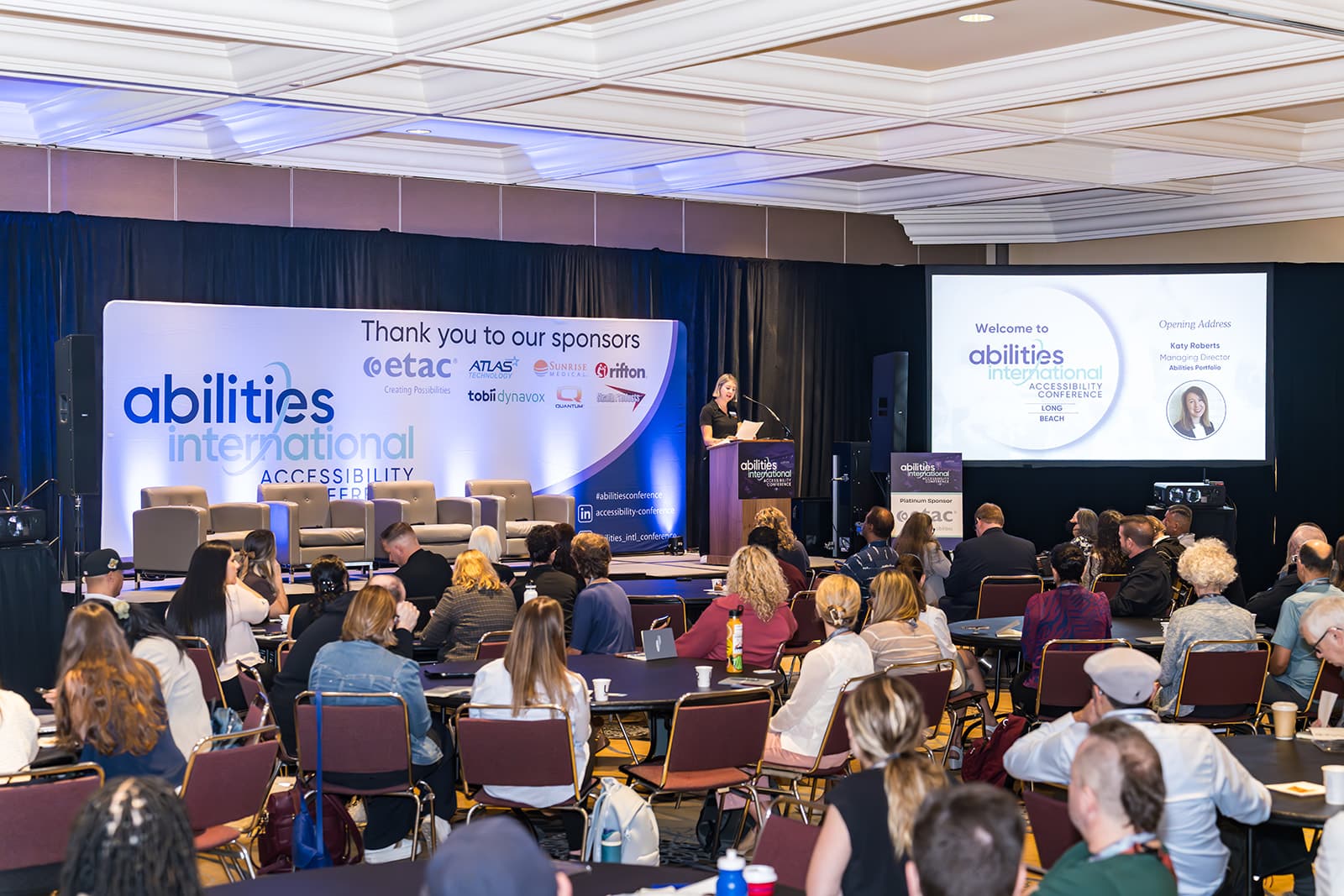
The Abilities International Accessibility Conference is structured to deliver an unparalleled educational experience, carefully curated to meet the diverse needs of CRT professionals. With two full days of content, attendees have the opportunity to earn up to 1.0 IACET CEUs, a significant investment in their ongoing professional development. The International Association for Continuing Education and Training (IACET) accreditation signifies a commitment to high-quality instructional design and rigorous learning outcomes, ensuring that the credits earned are recognized and valued across the profession.
The programming is designed to be dynamic and multi-faceted, incorporating a variety of learning formats to cater to different preferences. These include:
- Practical Workshops with Hands-on Learning: These sessions move beyond theoretical concepts, offering tangible skills and techniques that professionals can immediately apply in their practice. This might involve working with new adaptive equipment, simulating challenging scenarios, or mastering specific therapeutic interventions.
- Plenary Panel Sessions: Bringing together multiple experts, these panels offer diverse perspectives on complex issues, fostering lively discussions and encouraging critical thinking. Topics often revolve around emerging trends, policy changes, or interdisciplinary approaches to care.
- Interviews with Industry Experts on the Main Stage: These intimate conversations provide deeper dives into the insights and experiences of leaders in the field, offering valuable lessons and inspiration.
Across the two days, the conference boasts an impressive roster of approximately 30 speakers. These individuals represent a broad spectrum of expertise, including leading clinicians, researchers, product developers, and advocates, all committed to advancing the field of accessibility. Their contributions are organized into distinct tracks, allowing attendees to tailor their learning experience to their specific interests and professional roles:
- Improved Patient Outcomes Track: This track focuses on clinical best practices, therapeutic interventions, and strategies for enhancing the functional abilities and well-being of individuals with disabilities. Topics here might include advanced techniques in seating and positioning, gait training innovations, or the psychological aspects of rehabilitation.
- Adapted Living Track: Dedicated to environmental and lifestyle adaptations, this track explores solutions that empower individuals to live more independently and participate fully in their communities. Examples include accessible home design principles, smart home technology integration, accessible transportation solutions, and strategies for adaptive recreation and sports.
- Business Optimization Track (Long Beach): Introduced in Long Beach, this track addresses the operational and strategic challenges faced by CRT providers, manufacturers, and resellers. Sessions could cover topics such as navigating complex reimbursement landscapes, marketing adaptive products, business ethics, and fostering effective team management.
Specific topics highlighted by Roberts provide a glimpse into the depth of the curriculum: adaptive recreation, accessible travel, home design, manual wheelchair techniques, posture care management, and the role of service dogs. These subjects underscore the conference’s commitment to addressing both the clinical and lifestyle aspects of accessibility.
A unique and valuable component of the conference is its collaboration with industry associations, particularly RESNA (Rehabilitation Engineering and Assistive Technology Society of North America). The conference proudly welcomes RESNA students to showcase their Scientific Research Posters and present their findings during dedicated platform sessions. This integration of academic research ensures that attendees are exposed to the latest scientific advancements and encourages the next generation of innovators in the field. It also fosters a bridge between theoretical research and practical application, a critical element for driving progress in CRT.
Beyond formal education, the conference provides an invaluable platform for networking. Professionals from diverse backgrounds can connect, share experiences, discuss challenges, and forge collaborations. These informal interactions are often as vital as the structured sessions, leading to new partnerships, mentorship opportunities, and the exchange of innovative ideas that can transform practices and improve patient care. The co-location with the Abilities Expo further enriches this, allowing professionals to engage with product developers and end-users, gaining a holistic perspective on the efficacy and impact of various technologies.
Official Responses: Katy Roberts on Vision and Community Impact
Katy Roberts, as the Abilities Portfolio Managing Director, has been a driving force behind the Abilities International Accessibility Conference. Her insights underscore a deep commitment to the disability community and a clear strategic vision for the professional segment of the industry.
When asked about the relationship between the long-standing Abilities Expo and the new conference, Roberts eloquently articulated the natural progression: "You’re right! Abilities Expo was launched in 1979 and Raccoon Media Group acquired the expo in 2024. Whilst the event has been around a long time, we haven’t owned it all that long. However, having said that, the amount of growth that we’ve seen since we’ve been organizing the expo has been phenomenal." This growth, she explained, served as a catalyst for deeper introspection into the needs of the broader ecosystem.
Roberts emphasized that the decision to create a dedicated professional conference was not an isolated one, but rather a direct outcome of their overarching strategy. "Our strategy has always been to invest into the consumer expo to develop new activations, increase awareness, and ensure the disability community that we serve can access the event to improve their independence." It was through this lens of service that the professional gap became apparent.
Her responses consistently highlighted the "community at the heart of all we do." This philosophy permeates the design of the conference, ensuring that the educational content is directly relevant to improving the lives of individuals with disabilities. The move from offering "ad-hoc CEU sessions" to a fully fledged, multi-track conference reflects a significant upgrade in commitment to professional development.
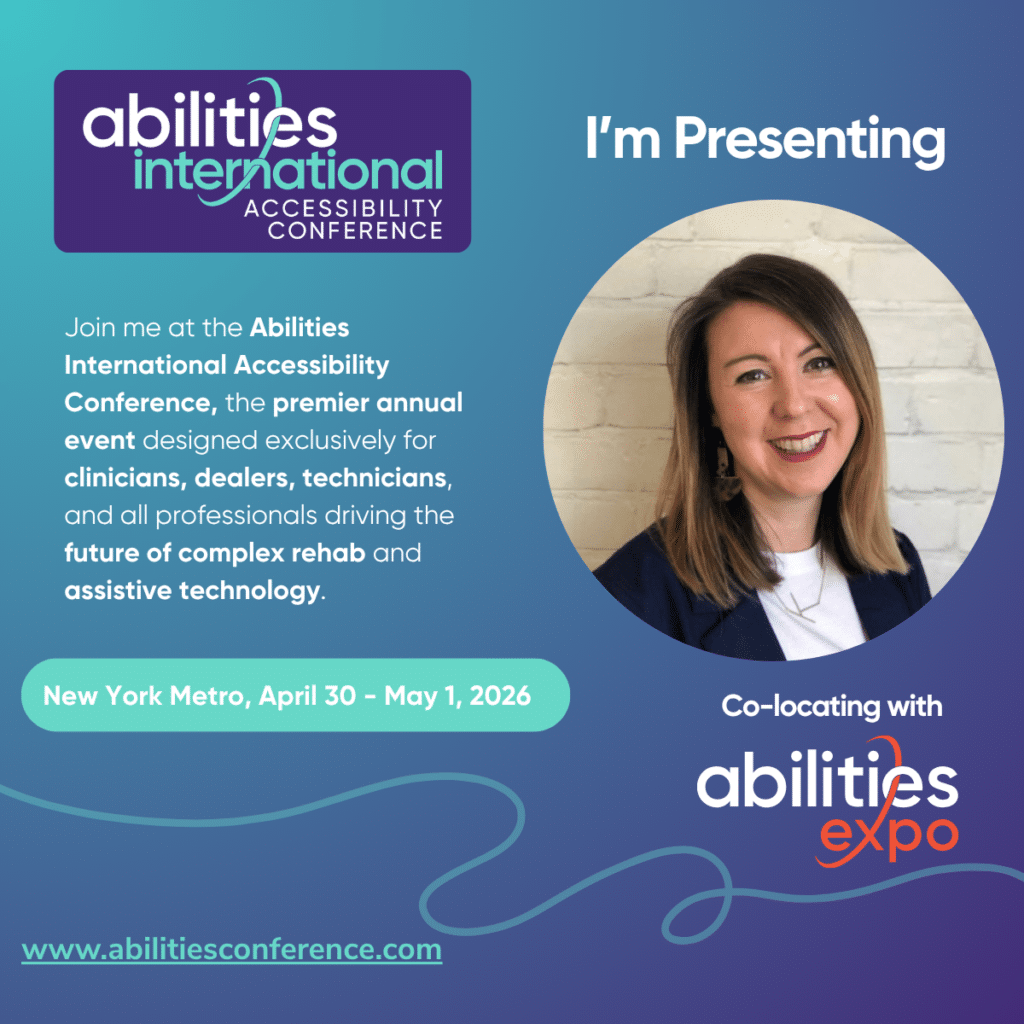
The co-location model, in Roberts’ view, is a stroke of strategic genius, maximizing the value for all participants. "We developed the idea of hosting a professional conference – the ‘Abilities International Accessibility Conference’ – alongside the Abilities Expo so that the professionals could have two days of CEU content, business conversations, and networking Thursday/Friday and still attend the expo Saturday/Sunday." This symbiotic relationship ensures that professionals are not only equipped with theoretical knowledge and clinical skills but also remain intimately connected to the tangible innovations and real-world experiences showcased at the consumer expo. It fosters a comprehensive understanding of the entire lifecycle of assistive technology, from research and development to prescription and user experience.
Roberts also stressed the collaborative nature of the conference’s development, noting that "market research and multiple conversations with associations and industry partners" were instrumental. This consultative approach ensures that the program is not just academically sound but also practically relevant and responsive to the evolving needs of the CRT sector.
Implications: Elevating Professional Standards and Driving Innovation
The introduction of the Abilities International Accessibility Conference carries profound implications for the complex rehabilitation technology sector and, by extension, for the countless individuals who rely on these vital services.
Impact on CRT Professionals: The conference provides an unparalleled opportunity for continuing education and professional growth. By offering IACET-accredited CEUs and a curriculum designed with input from industry leaders, it directly addresses the need for ongoing skill enhancement and knowledge acquisition. This will enable occupational therapists, physical therapists, assistive technology professionals, manufacturers, and resellers to stay abreast of the latest advancements, adopt best practices, and deliver higher quality, more effective solutions. Enhanced professional competency ultimately translates into greater confidence, improved job satisfaction, and a more robust workforce capable of meeting complex patient needs. The networking opportunities will also foster a sense of community and collaboration, reducing professional isolation and encouraging the sharing of innovative approaches.
Impact on the Disability Community: Ultimately, the beneficiaries of an elevated professional standard are individuals with disabilities. When professionals are better informed about adaptive recreation, accessible travel, optimal wheelchair techniques, or posture care management, they can make more precise recommendations, offer more effective therapies, and advocate more powerfully for their clients. This leads to better-fitting equipment, more functional home environments, greater independence, and an overall improvement in the quality of life for people with disabilities. The conference’s focus on "Improved Patient Outcomes" directly aligns with this overarching goal, ensuring that professional development translates into tangible benefits for end-users.
Industry Trends and Future Outlook: The conference positions itself at the forefront of key industry trends. The emphasis on practical workshops and hands-on learning reflects a growing demand for experiential education in a rapidly evolving technological landscape. The inclusion of topics like accessible travel and home design underscores the shift towards holistic, person-centered care that extends beyond clinical settings into daily living. The platform for RESNA students to present scientific research indicates a commitment to fostering innovation and integrating evidence-based practice, ensuring that the field continues to advance on a scientific foundation.
Looking forward, the success of the Abilities International Accessibility Conference could pave the way for further expansion, potentially including more specialized tracks, deeper international collaborations, or even dedicated pre-conference institutes focusing on emerging technologies like AI in assistive devices or advanced robotics. The dual-event model is likely to become a benchmark for future industry gatherings, demonstrating the power of integrating consumer engagement with professional development.
In conclusion, the Abilities International Accessibility Conference is more than just a series of events; it represents a strategic investment in the future of complex rehabilitation technology. By empowering professionals, fostering collaboration, and maintaining a steadfast focus on the needs of the disability community, it is set to become an indispensable resource for driving progress and enhancing accessibility on a global scale.
For more information regarding the speaker list, agenda, RESNA posters/platform topics, hotels, directions to the event, and frequently asked questions, interested professionals are encouraged to visit www.abilitiesconference.com. Tickets for the New York Metro and Chicago events are available via https://www.abilitiesconference.com/registration.