





Published: May 14, 2026
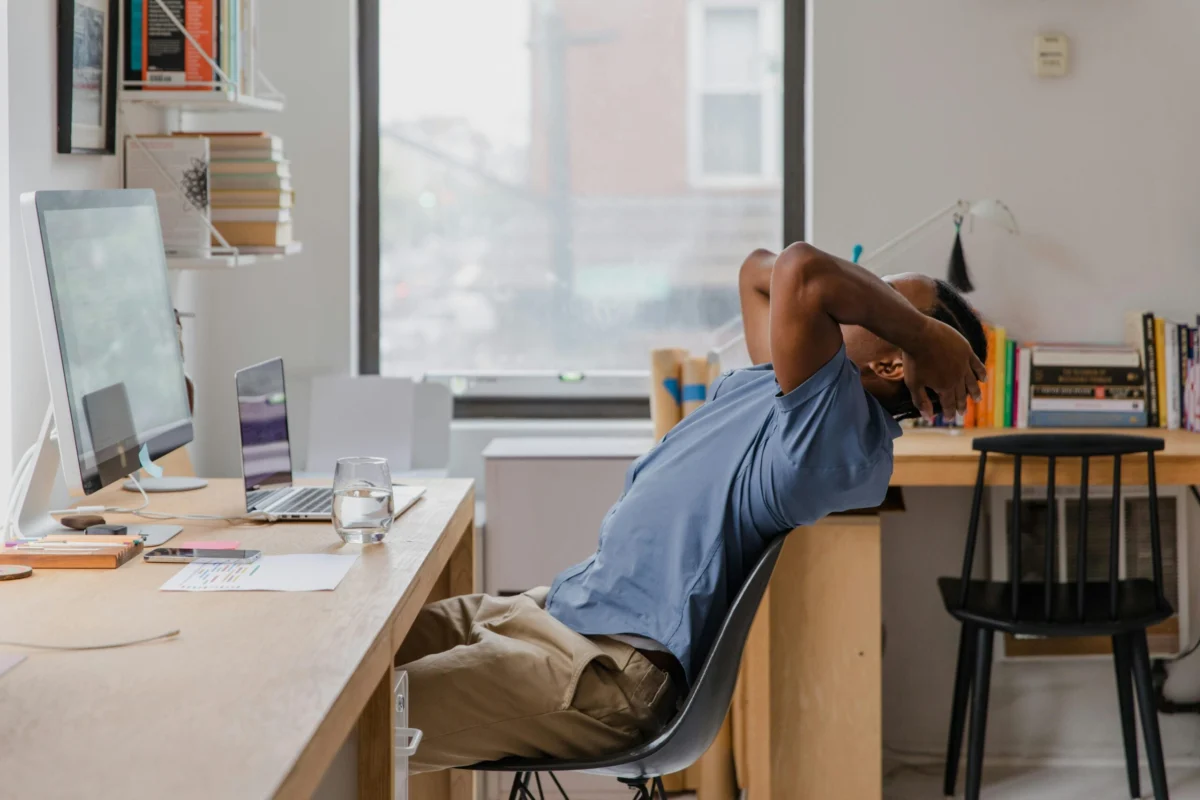
For the modern professional, the workday has become an endurance sport played from a sedentary position. As the lines between home and office blur, the phenomenon of "Zoom fatigue" has evolved into a physical manifestation of stress, characterized by the "slumped keyboard posture"—a rounded spine, tightened hip flexors, and chronic neck tension. Yet, the persistent chime of back-to-back virtual meetings often acts as a barrier to self-care, leaving many employees to sacrifice their physical health at the altar of productivity.
However, a quiet movement is gaining traction among office workers: "Stealth Yoga." This practice, which involves integrating subtle, restorative movements into the duration of virtual meetings, is proving to be a viable antidote to the stagnation of the remote work era.
The Chronology of Sedentary Fatigue
The crisis of the modern office worker’s body did not happen overnight. It is the cumulative effect of a transition toward remote work that, while flexible in location, has been rigid in physical demand.
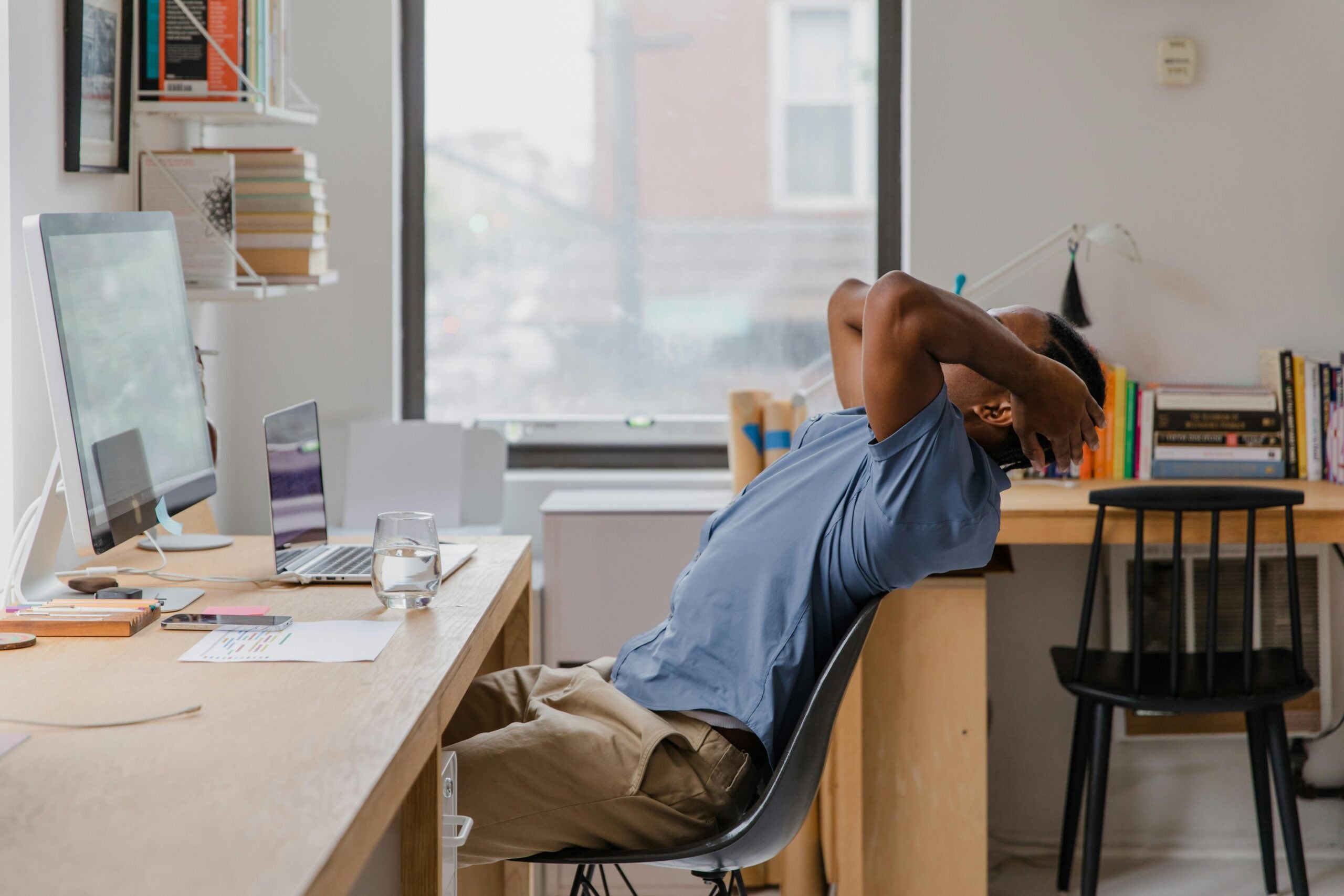
- Mid-Morning: The workday begins with optimism. Posture is upright, and intentions to "stretch later" are sincere.
- Early Afternoon: The "Zoom Wall" hits. The repetitive, static nature of screen-based interaction leads to micro-traumas in the lumbar spine and cervical vertebrae.
- Late Afternoon: The deadline pressure mounts. The physical pain in the hips and back becomes a distraction, often ignored until the final chime of the day at 8:00 PM.
- The Breaking Point: It was this exact cycle of physical degradation that led many to experiment with moving during meetings. What began as an involuntary adjustment of limbs—a desperate stretch for a cramped hamstring—morphed into a deliberate, discreet, and highly effective practice of seated yoga.
Supporting Data: The Cost of the Desk Chair
Data regarding sedentary behavior remains stark. According to occupational health studies, sitting for more than six hours a day increases the risk of metabolic syndrome and chronic musculoskeletal pain. The human body, designed for locomotion and postural variety, is not evolutionary equipped to remain in a "chair-shape" for eight to ten hours.
When we remain static, our psoas muscles (the primary hip flexors) shorten, pulling on the lower back and creating chronic discomfort. Conversely, the chest muscles tighten, pulling the shoulders forward and compressing the lungs. The introduction of yoga—even in its modified, seated form—acts as a counter-balance to this "tech-neck" and hip-tightening cycle. By engaging the muscles in a controlled, elongated manner, employees report a marked decrease in the cortisol levels associated with prolonged sitting, as well as a significant improvement in cognitive focus during long, draining virtual calls.
The Mechanics of Discrete Movement: 6 Essential Poses
The effectiveness of these poses lies in their subtlety. The goal is not to perform a public demonstration, but to nourish the body while maintaining the appearance of a professional participant.
1. Bound Angle Pose (Baddha Konasana) – The Seated Diamond
The Bound Angle is a transformative way to engage the adductors. By keeping your feet on the floor and bringing the soles together to create a diamond shape, you invite an opening in the hips that is entirely hidden beneath a desk.
- Pro Tip: Pressing the balls of your feet into the floor adds a subtle strengthening element to the legs, turning a passive stretch into an active stabilization exercise.
2. Seated Figure 4 – The Hidden Hip Opener
Perhaps the most "incognito" of all poses, the Seated Figure 4 is easily disguised as a standard leg-cross. By resting your ankle on the opposite knee, you create a deep stretch for the gluteus medius and the piriformis.
- Intensity Control: You dictate the depth of the stretch by the degree to which you press the lifted knee toward the floor. It is an ideal way to process frustration during intense, high-stakes meetings.
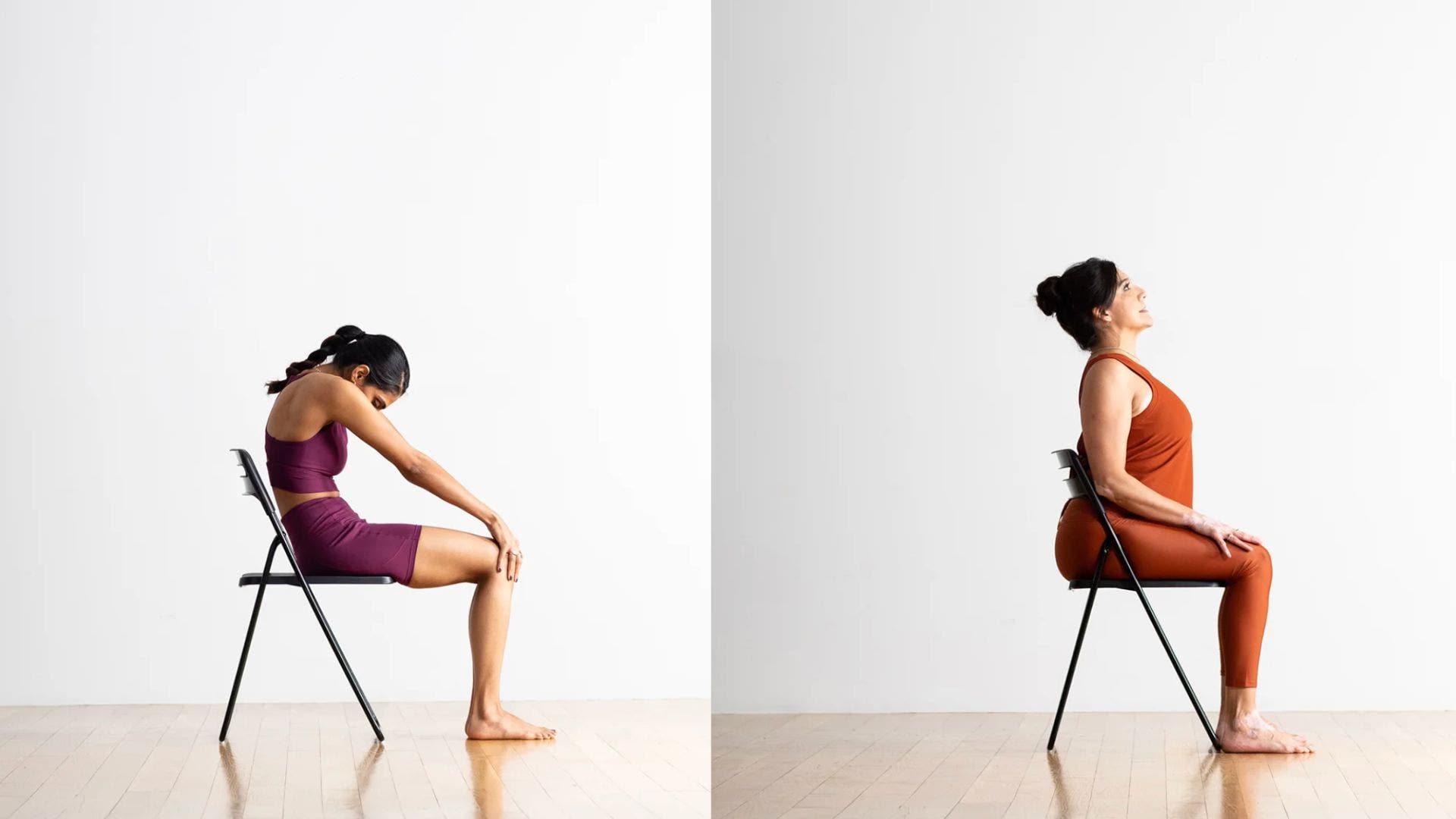
3. The Subtle Cat-Cow
While Cat-Cow is typically a floor-based movement, the seated variation—involving the rhythmic arching and rounding of the spine—is incredibly effective for spinal health.
- The Stealth Factor: You do not need to perform full, dramatic movements. By moving your gaze and spine in smaller, micro-increments, you can keep the movement almost entirely hidden from the camera’s frame, provided you maintain a consistent distance from your webcam.
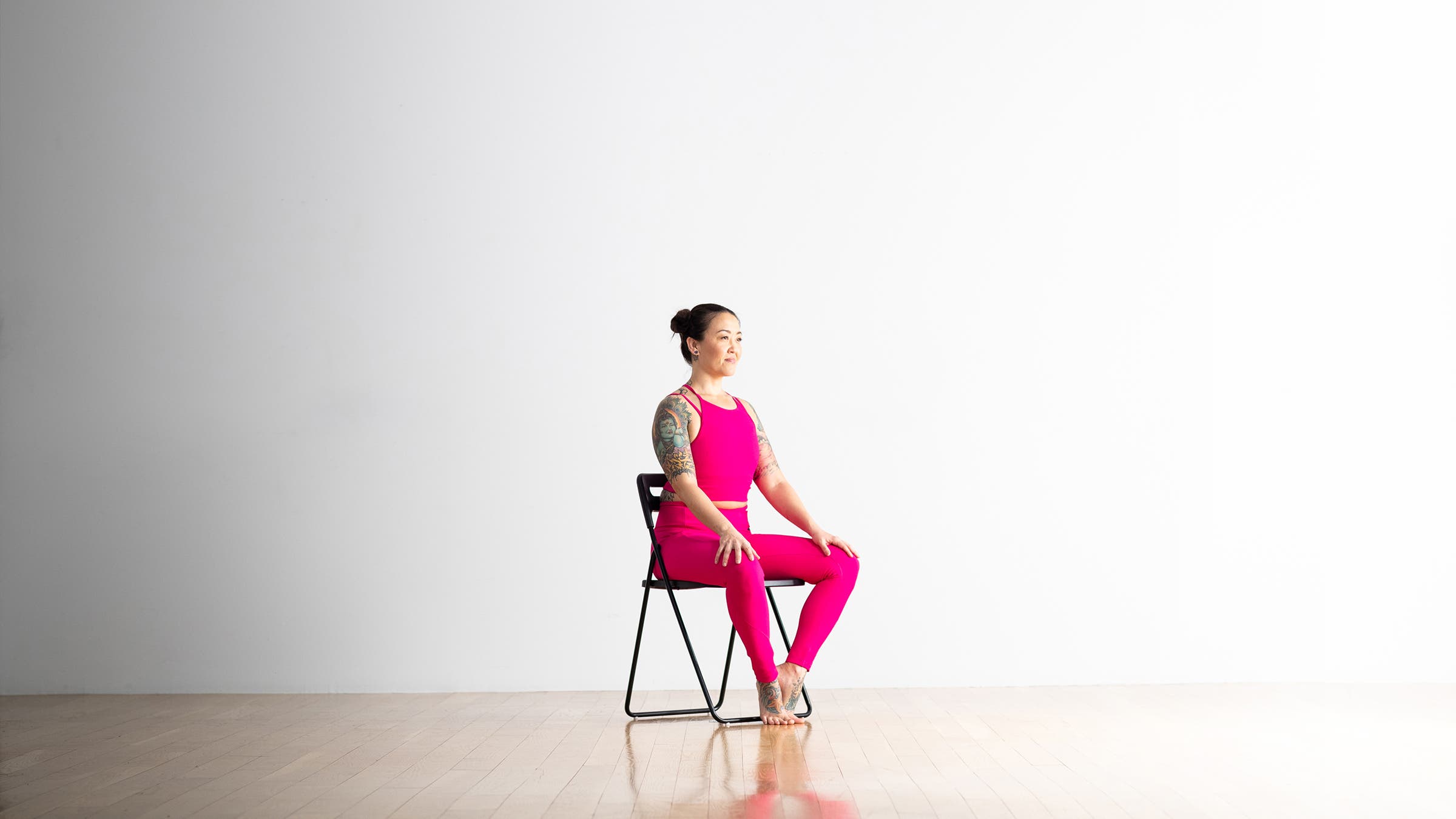
4. Seated or Standing Tree Pose
Balance is a key component of neuro-muscular health. Tree Pose can be performed while seated by scooching to the edge of the chair, straightening one leg, and pressing the ball of the other foot into the floor.
- The Standing Alternative: If you utilize a standing desk or a high surface, you can perform this standing. The act of balancing forces the core to engage, effectively waking up the nervous system during long, monotonous presentations.
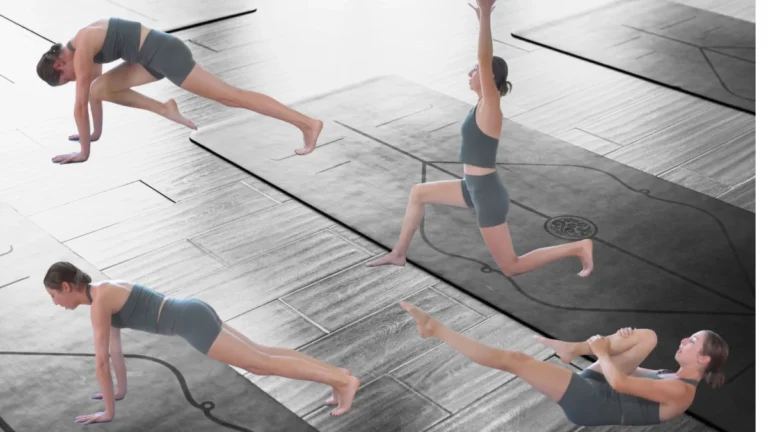
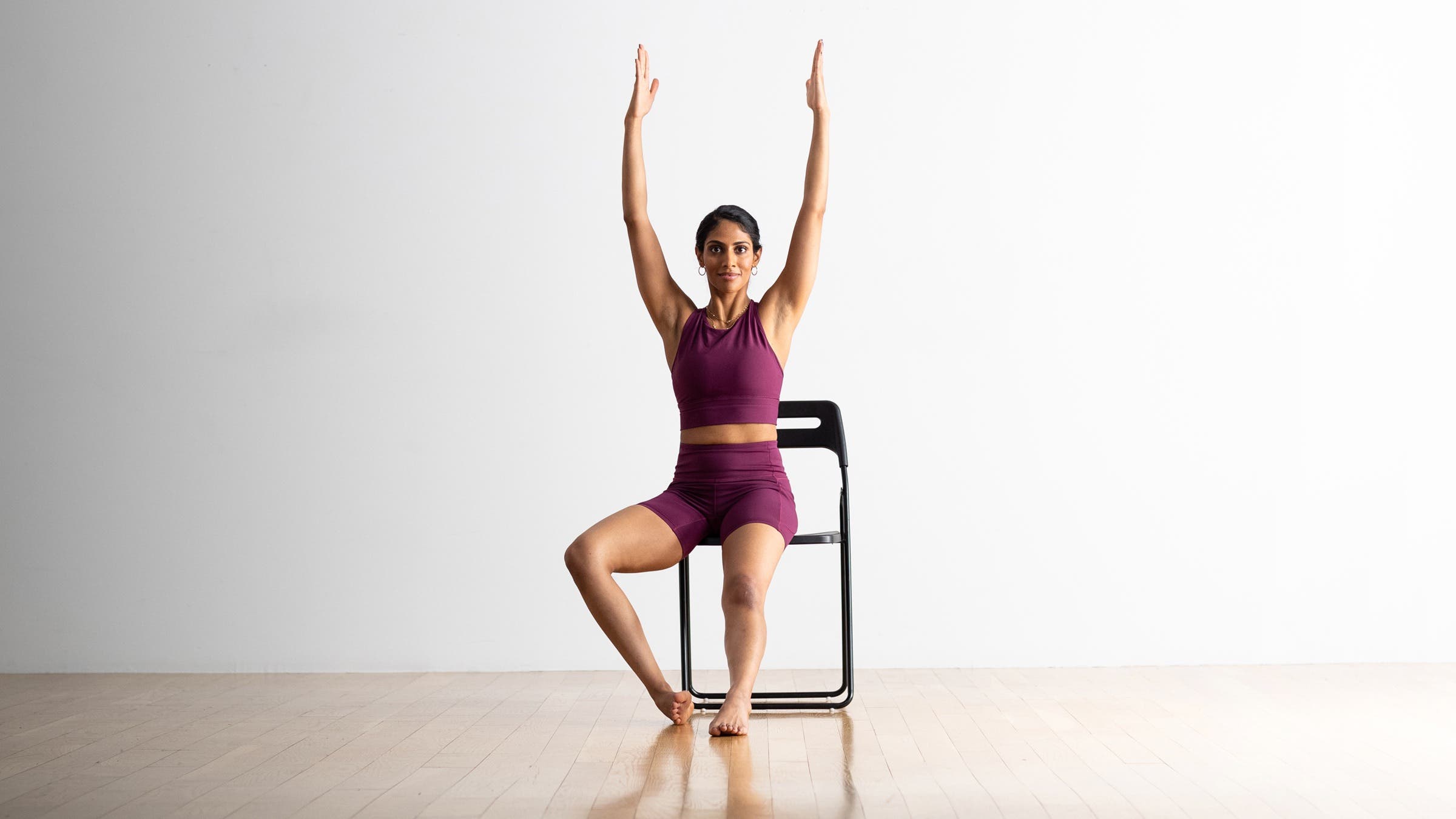
5. High Lunge (Anjaneyasana)
Desk jobs are notorious for creating "tight" calves and rigid hips. The High Lunge is the perfect antidote.
- Seated Application: Using an armless chair, position yourself so the chair back is parallel to your rib cage. Extend one leg back, pressing the ball of your foot into the floor. This provides a full-body engagement that mimics a standing lunge without requiring you to leave your chair.
6. Warrior 1 (Virabhadrasana I)
Channeling the strength of a warrior in a boardroom is a mental exercise in empowerment. The setup is similar to the High Lunge, but by turning the back toes out and planting the heel, you create a stable, grounded base.
- The Subtle Flex: Even without lifting your arms, the isometric engagement required for Warrior 1 provides a significant boost to circulation and mood, helping you remain present and alert.
Professional Implications and Workplace Culture
The implementation of these techniques carries broader implications for workplace culture. As companies continue to navigate the "new normal" of hybrid and remote environments, the burden of employee health is shifting toward the individual. However, the rise of "Stealth Yoga" suggests a change in how we perceive professional presence.
There is a growing realization that "professionalism" does not have to mean "stillness." If an employee can maintain their contribution to a meeting while simultaneously maintaining their physical health, the productivity gains are mutual. Employers stand to benefit from a workforce that is less prone to chronic injury, higher in morale, and more focused during critical discussions.
Official Perspectives
Industry experts in ergonomics argue that the key to avoiding injury is not necessarily a $2,000 ergonomic chair, but rather the frequency of movement. "The best posture is the next posture," says Dr. Aris Thorne, a specialist in occupational physical therapy. "By introducing yoga poses into the work environment, workers are effectively ‘resetting’ their skeletal alignment multiple times throughout the day. It is a proactive, rather than reactive, approach to musculoskeletal health."
While some may argue that such movements could be distracting, the evidence suggests the opposite. By alleviating the physical discomfort that often leads to fidgeting or a loss of focus, these movements actually allow the practitioner to be more attentive. The "stealth" aspect is merely a nod to current social norms, but the underlying principle—that the human body requires movement to function optimally—is a biological imperative.
Conclusion: Reclaiming the Desk
The shift toward incorporating yoga into the workday represents a reclaimation of the body within the digital workspace. It is a quiet, powerful assertion that our physical health is not secondary to our output. As you head into your next Zoom meeting, consider this: the mute button is not the only tool at your disposal. By simply adjusting your seat, extending a leg, or lengthening your spine, you can transform the most mundane meeting into an opportunity for restorative movement.
You do not need a yoga mat, a studio, or an hour of free time. You need only your chair, your breath, and the subtle, intentional movement of your body. In the landscape of the modern workday, that is a revolutionary act.