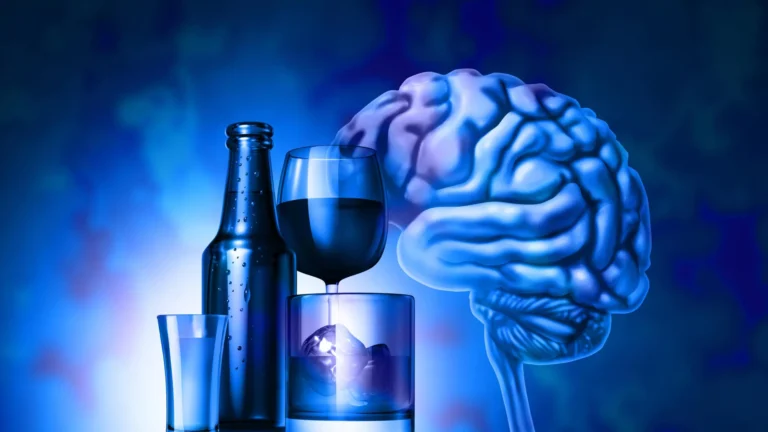








Despite decades of rigorous scientific inquiry and mounting evidence from the global medical community, a significant "knowledge gap" persists in the United States regarding the relationship between alcohol consumption and cancer. A groundbreaking study published on October 30 in JAMA Oncology reveals that more than half of American adults are oblivious to the fact that their beverage of choice may be acting as a silent contributor to their cancer risk.
As health officials work to align public perception with biological reality, the findings from The University of Texas MD Anderson Cancer Center underscore a critical public health challenge: if the population does not believe alcohol is a carcinogen, they are unlikely to modify their consumption habits.
The Core Findings: A Widespread Knowledge Gap
The research, which analyzed data from nearly 7,000 U.S. adults through the 2024 Health Information National Trends Survey, paints a stark picture of public awareness. The data indicates that only 37.1% of American adults correctly identify that drinking alcohol increases the risk of developing cancer. Conversely, 52.9% admitted they were unaware of any such link, and a concerning 1% of respondents held the erroneous belief that alcohol actually lowers cancer risk.
The study highlights a paradoxical trend: those most likely to be at risk—individuals who consume alcohol regularly—are also the most likely to believe that drinking has no impact on cancer development. This cognitive dissonance presents a formidable hurdle for public health campaigns aimed at cancer prevention.
Chronology of Scientific Consensus
The classification of alcohol as a carcinogen is not a modern revelation, but rather the result of a century of epidemiological and molecular research.
- Mid-20th Century: Early observations began linking heavy alcohol consumption to cirrhosis and esophageal cancers.
- 1988: The International Agency for Research on Cancer (IARC), part of the World Health Organization (WHO), formally classified alcohol as a Group 1 carcinogen. This places alcohol in the same risk category as tobacco, asbestos, and ionizing radiation.
- The 2000s–2010s: Advanced genomic research identified the mechanisms through which ethanol damages DNA and impairs the body’s ability to repair cellular damage, providing a biological foundation for the epidemiological trends observed earlier.
- 2024–2025: Current efforts by the U.S. Surgeon General and global health organizations have focused on disseminating this information to the public, aiming to move the conversation from "moderate drinking is healthy" to a more nuanced understanding of the dose-dependent cancer risks associated with even "light" consumption.
Supporting Data: The Demographic Breakdown
To understand why this knowledge gap exists, researchers examined the behavioral and demographic traits of the survey participants. The data revealed that misconceptions are not evenly distributed across the population.
The study found that several specific groups were statistically more likely to report that they did not know or did not believe that alcohol contributes to cancer risk:
- Current cigarette smokers: These individuals often perceive tobacco as the primary threat, potentially creating a "risk hierarchy" that minimizes the dangers of alcohol.
- Black individuals: Demographic disparities in health literacy and access to preventive information may contribute to this trend.
- Educational attainment: Respondents with lower levels of education (those who did not complete college or high school) were significantly less likely to be aware of the carcinogenic nature of alcohol.
- Fatalistic views: Individuals who do not believe that cancer is a preventable disease were more likely to dismiss the link between lifestyle choices and cancer risk.
The survey cohort, which was representative of the broader U.S. population, included a diverse mix of backgrounds: 48.4% female, 60.7% white, 17.5% Hispanic, and 11% Black, with an average age of 48. With nearly 10% of participants reporting a personal history of cancer, the findings suggest that even among those who have personally navigated the healthcare system, the connection between alcohol and oncology remains poorly understood.
Official Responses and Expert Analysis
Dr. Sanjay Shete, Ph.D., lead author of the study and professor of Biostatistics and Epidemiology at MD Anderson, expressed deep concern over the findings.
"It’s concerning that people who drink alcohol are the ones most likely to believe it has no effect on cancer risk," Dr. Shete remarked. "Given that people’s beliefs play a critical role in whether they choose healthier behaviors, we need to work on correcting these misperceptions. This is essential to reducing the growing burden of alcohol-related cancers."
Public health officials have long struggled with the "French Paradox" myth—the idea that red wine is inherently heart-healthy—which has inadvertently masked the cancer risks associated with ethanol. The National Institutes of Health (NIH) has attempted to pivot the conversation, noting that alcohol accounts for approximately 5.5% of all new cancer cases and 5.8% of all cancer deaths worldwide.
The medical community is now calling for more standardized labeling and public education. The goal is not necessarily prohibition, but rather the fostering of an environment where consumers can make "informed choices." As the U.S. Surgeon General noted in the 2025 advisory, awareness is the first step toward meaningful behavioral change.
The Biological Reality: Why Alcohol Causes Cancer
To bridge the knowledge gap, experts argue that the public needs to understand how alcohol acts as a carcinogen. It is not merely a lifestyle correlation; it is a chemical reaction.
- Acetaldehyde Production: When the body breaks down ethanol, it produces acetaldehyde, a highly toxic chemical that damages DNA and prevents the body from repairing that damage.
- Hormonal Impact: Alcohol can increase levels of estrogen and other hormones, which are linked to the development of breast cancer.
- Nutrient Absorption: Alcohol consumption can impair the body’s ability to absorb essential nutrients like folate, which are vital for maintaining healthy cell structure and preventing mutations.
- Tissue Irritation: In the mouth and throat, alcohol acts as a solvent, making it easier for other carcinogens (such as those from tobacco) to penetrate the cellular lining.
The WHO’s Group 1 classification is supported by the fact that alcohol is definitively linked to at least seven types of cancer: breast, liver, colorectal, esophageal, laryngeal, pharyngeal, and oral cavity cancers.
Implications for Public Health Policy
The implications of the JAMA Oncology study are profound. If the majority of the American public is unaware of the risks, current public health policy is failing to communicate basic cancer-prevention strategies.
Bridging the Gap
- Clearer Labeling: Just as tobacco products carry graphic warnings, health experts are increasingly advocating for alcohol products to include labels that clearly state the cancer risk.
- Targeted Education: Because the study identified specific demographic groups with lower awareness, public health campaigns must be tailored to reach these communities effectively, moving beyond broad-brush messaging.
- Clinical Integration: Doctors and primary care providers must move alcohol screening beyond the context of addiction. Discussing alcohol as a cancer risk factor should be as standard as discussing sun exposure or cholesterol levels.
The Path Forward
The study concludes that correcting misinformation is the most viable path to reducing preventable cancer-related deaths. By empowering the public with the facts about alcohol’s role as a carcinogen, policymakers and health professionals hope to mirror the success of the anti-tobacco movement.
However, unlike smoking, where the goal is complete cessation, the alcohol conversation is more complex. The objective is to encourage moderation and informed decision-making. As the population continues to age and cancer rates remain a top concern for the American public, the findings from MD Anderson serve as a necessary wake-up call. We are currently living in a society where one of the most common and accessible substances is also one of the most misunderstood threats to public health. Changing that perception is no longer a matter of opinion; it is a matter of saving lives.
This research was supported by the National Cancer Institute (P30CA016672) and the Betty B. Marcus Chair in Cancer Prevention. For a comprehensive overview of the data, disclosures, and methodology, please refer to the full publication in JAMA Oncology.