By [Your Name/Journalism Desk]
Date: May 15, 2026
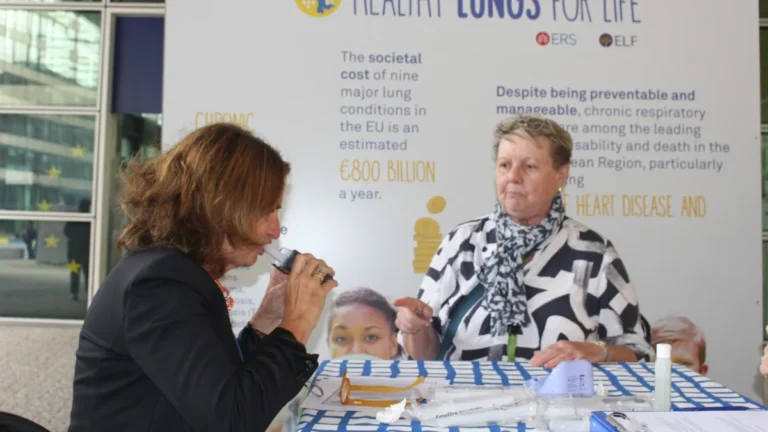
The global respiratory health community has witnessed an extraordinary surge in grassroots activism, clinical collaboration, and patient-centered innovation throughout the first half of May 2026. From the halls of the European Parliament to the peaks of the Italian Alps, patient organizations have mobilized to address the systemic challenges of lung disease, emphasizing that behind every diagnosis is a story of resilience, advocacy, and the urgent need for equitable care.
This month’s roundup highlights how global organizations are bridging the gap between clinical research and patient lived experience, ensuring that those affected by conditions like asthma, COPD, Alpha-1 antitrypsin deficiency (AATD), and pulmonary fibrosis are not just patients, but active architects of their own healthcare journeys.
I. Main Facts: The Pulse of Global Advocacy
May has been a pivotal month for respiratory awareness, anchored by World Asthma Day. Organizations worldwide utilized this platform to pivot from traditional awareness campaigns toward concrete, action-oriented initiatives.
Key themes emerging this month include:
- The Intersection of Environment and Health: Increased scrutiny on how housing quality, dampness, and air pollution directly correlate with respiratory outcomes.
- Technological Integration: The rise of AI-driven diagnostics and digital health consultations as essential tools for overcoming geographical and resource-based barriers.
- Equitable Access: A renewed focus on the geographical disparities in oxygen therapy and diagnostic testing, particularly for rare respiratory diseases.
- Community Cohesion: A marked shift toward peer-to-peer support models, exemplified by family weekends and therapeutic health camps.
II. Chronology of Major Events (May 2026)
- April 25: Alfa-1 España initiates nationwide hospital awareness booths and genetic screening campaigns.
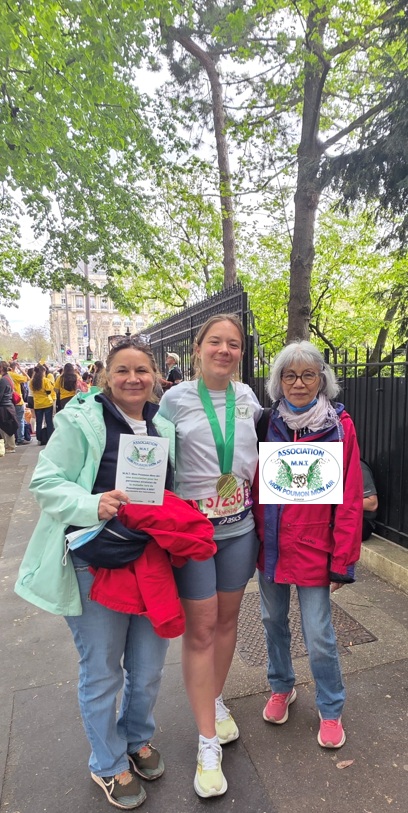
- April 12: Association MNT Mon Poumon Mon Air participates in the Paris Marathon to highlight NTM lung disease.
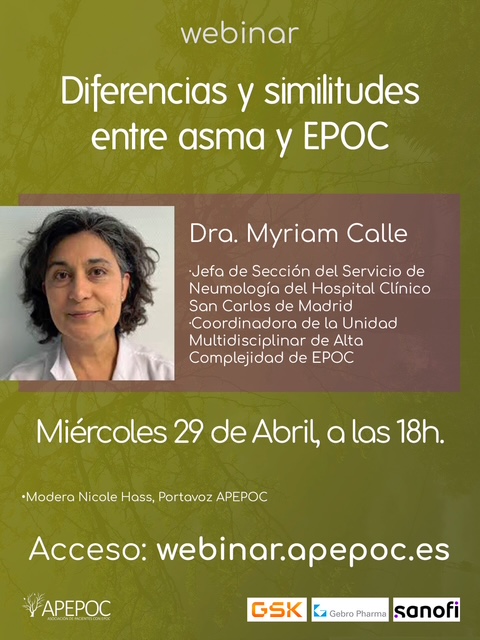
- May 5: INSPIRAT (Colombia) hosts a high-level webinar on asthma management and the "Entusiasmados por vivir" awareness campaign.
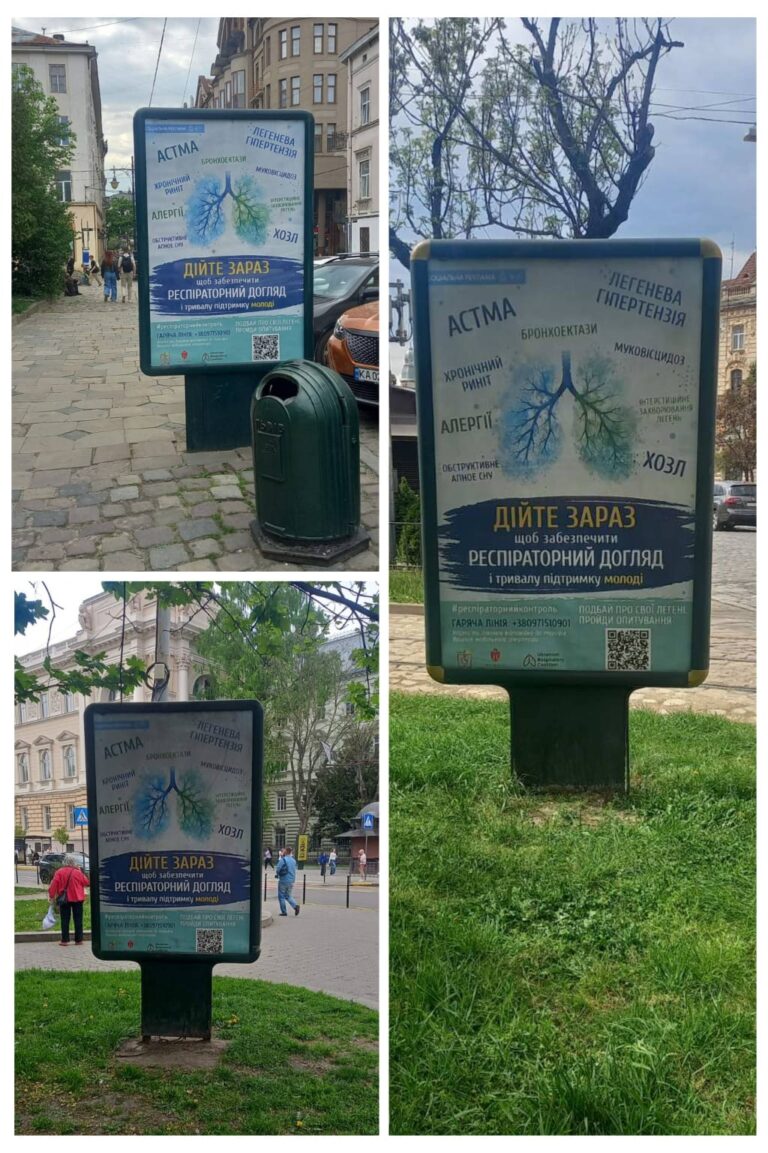
- Early May: PHURDA (Ukraine) conducts virtual meetings addressing the challenges of wartime respiratory care.
- May 12–25: Respiriamo Insieme (Italy) announces the return of its mountain health camp for young patients.
- May 22–24: Alfa-1 Norden hosts the Nordic Alfa-1 Family Weekend in Gothenburg.
- July 30 (Upcoming): Global Foundation for the Care of Newborn Infants to host ERS pre-congress webinar.
III. Supporting Data: Uncovering the Reality of Respiratory Care
The efficacy of these advocacy efforts is rooted in data-driven insights. Recent surveys and initiatives have uncovered critical gaps in the current landscape:
The Oxygen Access Gap
The Canadian Pulmonary Fibrosis Foundation (CPFF) recently published findings from a national survey of patients, caregivers, and clinicians. The data reveals a startling lack of consistency in oxygen therapy reimbursement. Because funding models vary by province, patients’ access to life-sustaining oxygen is often determined by their postcode rather than their clinical need. This evidence is now being leveraged in high-level policy discussions to push for a standardized, national framework for oxygen support.
The Screening Deficit
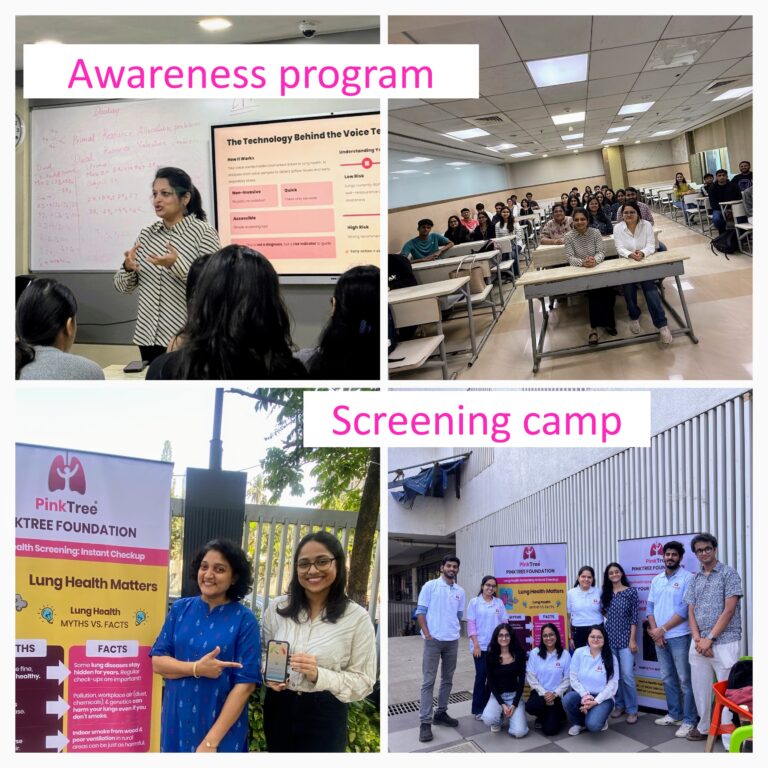
In Mumbai, the Pink Tree Foundation, in partnership with the NMIMS School of Mathematics, Applied Statistics and Analytics, conducted a screening initiative for 75 participants. Using AI-based voice analysis, they discovered that despite a high prevalence of respiratory symptoms among the student and faculty population, historical screening rates remained alarmingly low. This gap suggests that while symptoms are present, the bridge to clinical diagnosis is failing due to a lack of awareness and perceived access to testing.
Innovations in Neurosarcoidosis
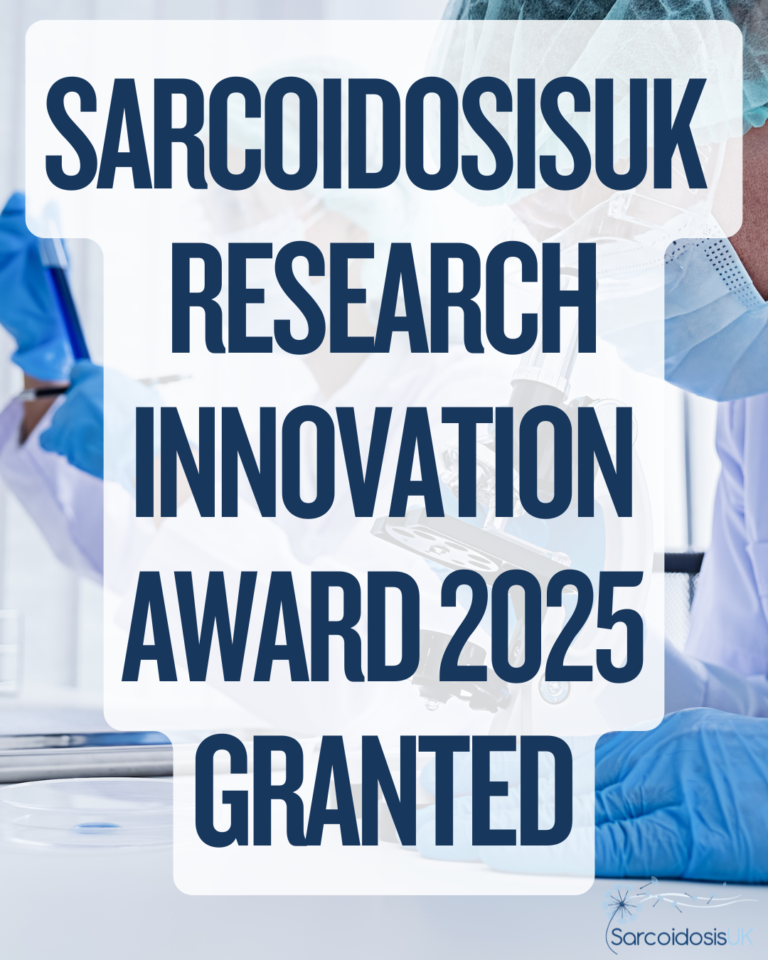
SarcoidosisUK has invested over £59,000 into a groundbreaking study led by Dr. Claire Rice. The 18-month research project aims to revolutionize diagnostics by exploring cell-free DNA in tears as a biomarker for neurosarcoidosis. This move represents a shift toward minimally invasive, patient-friendly diagnostics, potentially eliminating the need for more traumatic procedures.
IV. Official Responses and Advocacy Calls
The Alpha-1 Europe Alliance at the European Parliament
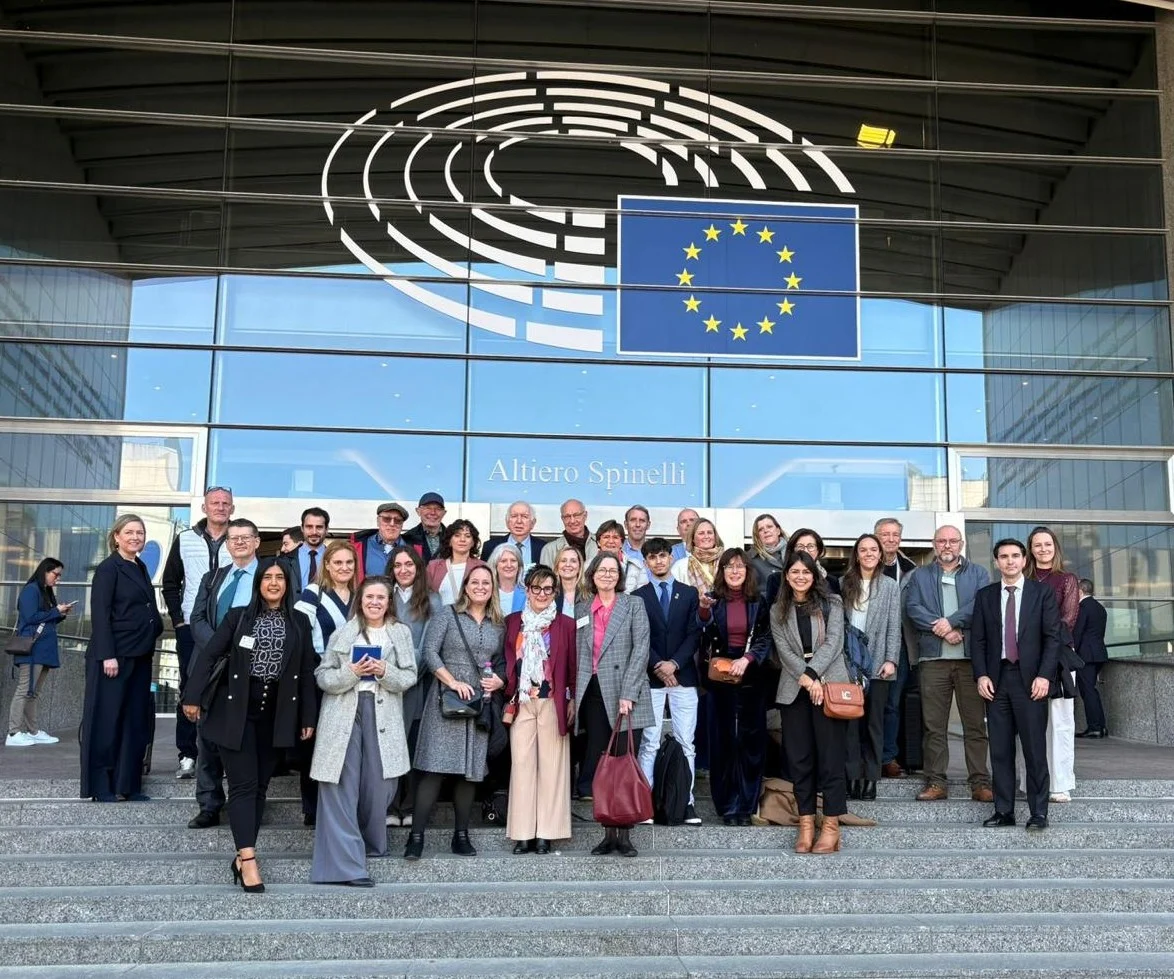
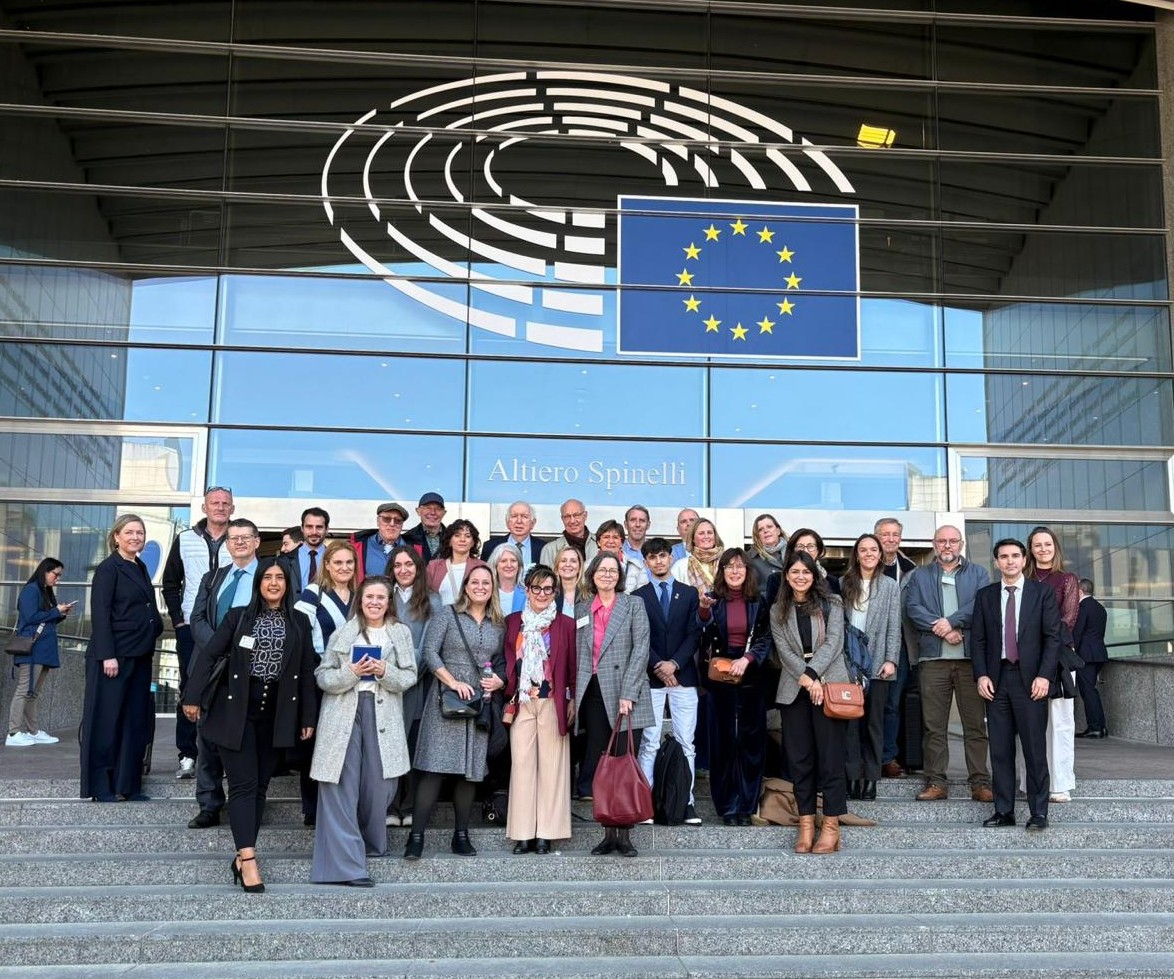
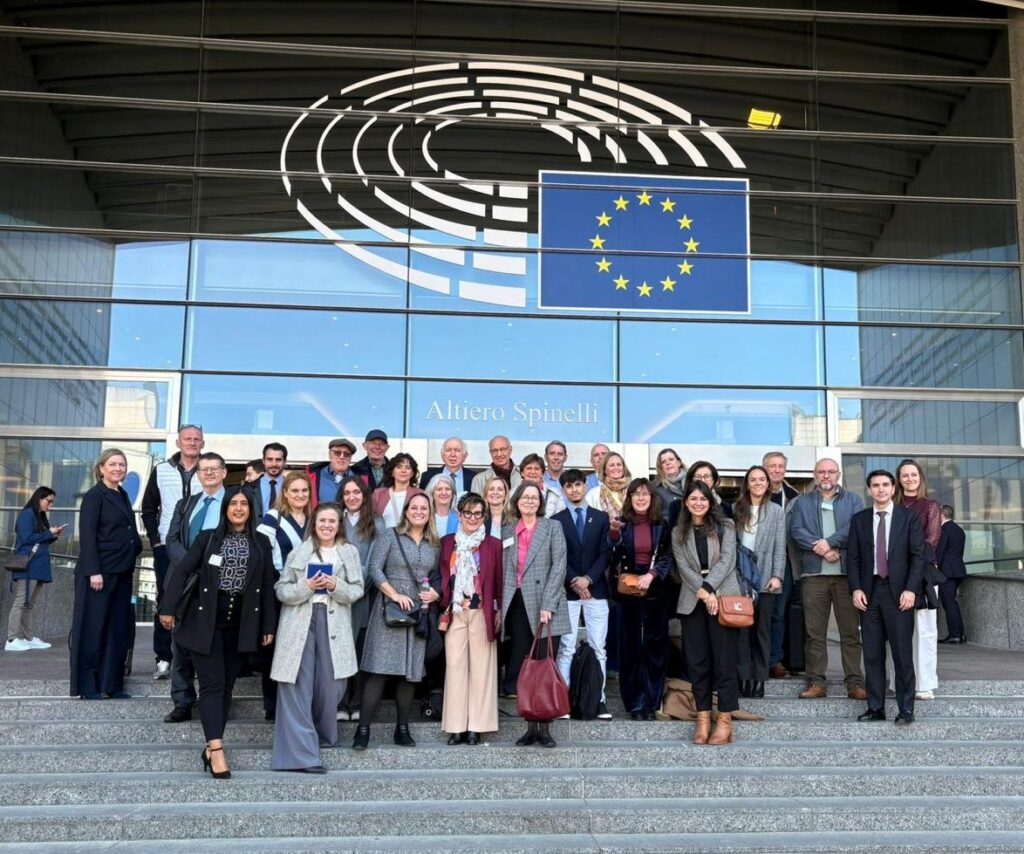
Perhaps the most significant political development this month was the Alpha-1 Europe Alliance event at the European Parliament. Leaders, including Alliance President Fernanda Aspilche Ferro, presented a comprehensive six-point call to action.

The Alliance emphasized that AATD—one of the most common inherited respiratory conditions—remains chronically under-diagnosed. Their message to policymakers was clear: without a coordinated European approach to plasma supply and standardized diagnostic protocols, thousands of patients will remain at risk of advanced lung and liver damage. The event underscored that patient organizations are no longer just support groups; they are political stakeholders capable of influencing regional health policy.
The Ukrainian Resilience Model
PHURDA has provided a sobering yet inspiring perspective on maintaining care during conflict. By moving to digital consultations and fostering a "Ukrainian Respiratory Coalition," they have demonstrated that even under extreme duress, the infrastructure for chronic disease management can be adapted. Their focus on asthma and pulmonary hypertension care during wartime has become a global case study in the necessity of agile, decentralized healthcare systems.
V. Implications: The Future of Patient Organizations
The events of May 2026 signal a maturation of the patient organization sector. Several key implications for the future of respiratory care have emerged:
1. The Power of "Citizen Science"
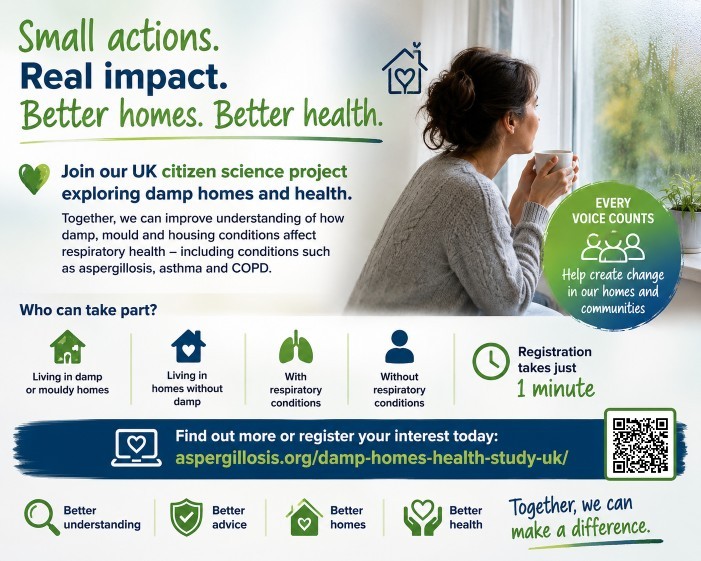
The National Aspergillosis Centre’s foray into a citizen science project regarding damp homes shows a growing trend. By treating patients as co-researchers rather than passive subjects, organizations are capturing environmental data that traditional clinical studies often overlook. This bottom-up approach to public health is likely to yield more accurate insights into the social determinants of respiratory health.

2. Beyond Clinical Care: Holistic Wellbeing
Organizations like Respiriamo Insieme and Alfa-1 Norden are prioritizing "therapeutic recreation." By hosting mountain camps and family weekends, these groups acknowledge that respiratory health is inextricably linked to mental well-being and social support. The shift toward holistic care—where exercise, peer support, and family education are integrated into the treatment plan—is set to become the gold standard for long-term condition management.
3. The Digital Transformation
From the French Federation of Respiratory Patients’ (FFAAIR) "Asthma Café" to INSPIRAT’s digital campaigns, the barrier to patient education has been lowered. Virtual forums are proving to be more than just convenient; they are inclusive spaces where patients can discuss "taboo" or everyday challenges—such as managing oxygen while traveling or navigating work environments—that often go unaddressed in sterile clinical settings.
4. Anniversary and Continuity
The 25th-anniversary celebrations of Alpha1 Deutschland e.V. serve as a reminder of the institutional memory held by patient organizations. With 200 members attending their annual meeting, the organization highlighted the importance of long-term community building. In an era of rapidly changing medical technology, the continuity provided by these associations remains the bedrock of patient safety and advocacy.
Conclusion: A United Front
As we look toward the upcoming European Respiratory Society (ERS) Congress and beyond, the message from the global patient network is unified: Collaboration is the only path to progress.
Whether it is the Global Foundation for the Care of Newborn Infants preparing for pre-congress webinars or the CPFF fighting for oxygen equity, the common denominator is the empowerment of the patient voice. As these organizations continue to influence policy, fund innovative research, and provide essential community support, they ensure that the future of respiratory care is one that is not only medically advanced but fundamentally human-centric.
The activities of May 2026 are not merely a collection of events; they are a blueprint for a more resilient, better-informed, and deeply connected global respiratory health community.
To stay updated on these initiatives, join the European Lung mailing list to receive regular updates, expert views, and invitations to upcoming global respiratory health forums.