










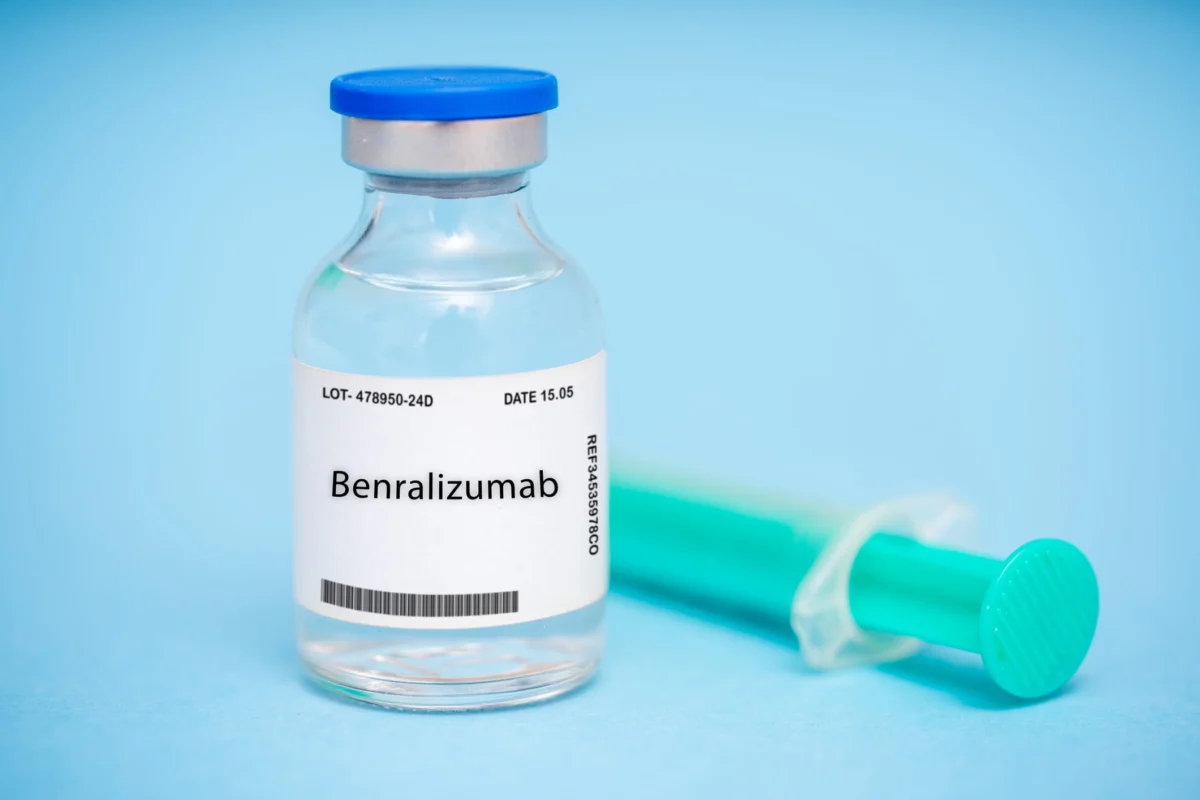
The landscape for treating rare, eosinophil-driven disorders has shifted significantly this week. The U.S. Food and Drug Administration (FDA) has officially granted approval for AstraZeneca’s benralizumab—marketed as Fasenra—to treat adult and pediatric patients aged 12 years and older suffering from hypereosinophilic syndrome (HES).
This regulatory milestone marks a critical expansion for the monoclonal antibody, which has already established a footprint in the treatment of severe eosinophilic asthma and eosinophilic granulomatosis with polyangiitis (EGPA). For patients living with the volatile and often debilitating symptoms of HES, this approval represents more than just a new prescription option; it offers a targeted strategy to mitigate the risk of life-threatening disease flares.
Core Facts: Understanding the New Indication
The FDA’s approval specifically targets patients with HES who do not have an identifiable non-hematologic secondary cause. HES is not a single disease but rather a group of rare, complex disorders characterized by a persistent and abnormal elevation of eosinophils—a specialized type of white blood cell—in the bloodstream.
When these cells accumulate in the blood, they do not remain inert. Instead, they infiltrate tissues and organs, releasing toxic proteins that lead to progressive, often irreversible damage. Left untreated, the systemic impact of HES can be catastrophic, leading to organ failure or death. By targeting the interleukin-5 receptor alpha (IL-5Rα) on the surface of eosinophils, Fasenra induces rapid apoptosis (programmed cell death) of these cells, thereby lowering the eosinophil count and reducing the inflammatory burden on the patient’s body.
The recommended dosage for this new indication is 30 mg, administered subcutaneously once every four weeks.
A Chronological Perspective: The Road to Approval
The journey to this approval was paved by years of clinical investigation and a dedicated focus on rare disease research.
- Initial Development: Benralizumab was originally engineered to address eosinophilic inflammation. Its initial successes in asthma trials demonstrated its potency in depleting eosinophils, sparking interest in its application for other eosinophilic-driven conditions.
- The NATRON Phase III Trial: The cornerstone of the FDA’s decision was the NATRON trial. This randomized, double-blind, placebo-controlled study was designed to evaluate the efficacy and safety of benralizumab in a patient population that had historically lacked sufficient therapeutic options.
- Clinical Data Collection: Throughout the trial, investigators monitored the time to the first HES flare, as well as the frequency and severity of flares over time.
- Regulatory Submission: Following the positive readout of the NATRON data, AstraZeneca submitted a supplemental Biologics License Application (sBLA) to the FDA, which was subsequently reviewed under the agency’s rigorous standards for safety and efficacy.
- The Approval Milestone: In late 2024, the FDA granted the indication, validating the trial findings and clearing the way for clinical implementation.
Supporting Data: The NATRON Trial Findings
The efficacy of benralizumab in the NATRON study was defined by its ability to alter the disease trajectory for HES patients. The study provided compelling evidence that the medication is not merely a symptom-management tool, but a disease-modifying therapy.
Key Efficacy Metrics
The most significant outcome from the NATRON trial was the reduction in the risk of HES flares. Patients receiving benralizumab experienced a 65% reduction in the risk of their first HES flare compared to those on a placebo (HR 0.35; 95% CI: 0.18-0.69; P=0.0024). This statistically significant result indicates that the therapy successfully delays the onset of the acute inflammatory episodes that characterize the disease.
Safety and Tolerability Profile
As with any biological therapy, safety remains a primary concern for clinicians. The NATRON study monitored adverse reactions to ensure that the benefits of the drug outweighed the risks. The most common adverse reactions reported included:
- Headaches: A frequently noted side effect in many monoclonal antibody treatments.
- Hypersensitivity Reactions: Including symptoms such as skin rashes or urticaria (hives).
- Influenza-like Illness: Mild to moderate symptoms mimicking the flu.
These safety markers are consistent with the established profile of Fasenra in its previously approved indications, providing clinicians with a familiar safety landscape when prescribing the medication for HES patients.
Official Responses and Expert Commentary
The medical community and patient advocacy groups have received the news with cautious optimism, highlighting the profound impact HES has on daily life.
Princess U. Ogbogu, MD, division chief of pediatric allergy, immunology, and rheumatology at University Hospitals Rainbow Babies and Children’s Hospital, served as the principal investigator for the NATRON trial. In an official statement, she emphasized that the approval is a "meaningful step forward."
"The study demonstrated a meaningful reduction in flares while addressing fatigue, a symptom that may impact patients," Dr. Ogbogu noted. For many HES patients, fatigue is not just a secondary symptom—it is a life-altering condition that prevents them from working, attending school, or participating in social activities.
Mary Jo Strobel, executive director of the American Partnership for Eosinophilic Disorders (APFED), echoed these sentiments, focusing on the human cost of the disease. "People living with hypereosinophilic syndrome struggle every single day," Strobel said. "Debilitating fatigue, risk of organ damage, skin manifestations, and other symptoms adversely impact patients’ lives… Today’s news brings hope to these people and their families."
AstraZeneca also highlighted the strategic importance of this approval. James Teague, vice president of U.S. respiratory, immunology, and vaccine & immune therapies at AstraZeneca, stated: "This approval builds on Fasenra’s foundation in targeting eosinophilic-driven diseases. It has been shown to reduce flares in hypereosinophilic syndrome, addressing an important need in a population with significant disease burden and few targeted therapies."
Clinical and Societal Implications
The FDA’s approval of Fasenra for HES has far-reaching implications for the future of immunology and patient care.
Closing the Therapeutic Gap
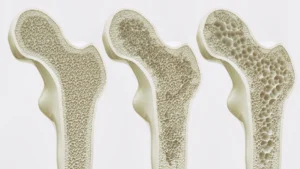
For decades, the treatment of HES has been largely limited to corticosteroids, which, while effective at suppressing inflammation, carry a heavy burden of long-term side effects including bone density loss, weight gain, metabolic changes, and psychological distress. By providing a targeted monoclonal antibody, clinicians can now offer a therapeutic path that selectively depletes eosinophils without the systemic, off-target toxicity associated with prolonged steroid use.
The Burden of Disease
The societal impact of HES cannot be understated. Because it is a rare disease, patients often endure years of misdiagnosis and ineffective treatments before reaching an accurate diagnosis. The inclusion of pediatric patients (aged 12 and older) in this approval is particularly significant, as it allows for early intervention in young patients who are at a critical stage of development. Preventing organ damage during the adolescent years can dramatically alter the long-term prognosis for these individuals.
Future Directions
With Fasenra now approved for three distinct eosinophil-driven conditions—severe eosinophilic asthma, EGPA, and now HES—AstraZeneca has solidified its role in the immunology space. The success of the NATRON trial also sets a precedent for how future rare disease clinical trials should be structured: focusing on meaningful patient-reported outcomes like fatigue reduction and long-term flare prevention.
As the healthcare community begins to integrate this therapy into standard practice, the focus will likely turn to long-term real-world evidence. Researchers will be watching to see how the drug performs outside the controlled environment of a clinical trial, specifically regarding its ability to reduce steroid dependence in the HES population.
Ultimately, this development serves as a beacon of progress. It underscores the power of precision medicine, where a deeper understanding of the molecular drivers of disease—in this case, the eosinophil—can lead to transformative therapies that restore quality of life for those suffering from the most challenging of rare conditions.