






By Diane Westwater
In the modern era, where the relentless pace of life often outstrips our biological capacity for recovery, Ayurveda offers a timeless paradigm for health. Rooted in the Vedic tradition of India, Ayurveda is not merely a system of medicine but a comprehensive philosophy of life. Its primary objective is the creation and maintenance of a harmonious state between the mind, body, and consciousness. When this equilibrium is disrupted—manifesting as psychosomatic disorders or chronic malaise—Ayurveda provides a structured, systematic approach to restoration: the choice between Shamanam (pacification) and Shodanam (purification).
The Foundational Principles of Ayurvedic Healing
To understand the necessity of seasonal cleansing, one must first grasp the duality of Ayurvedic therapeutic intervention. Shamanam, or pacification, is the initial line of defense. It is indicated when an individual’s constitution is compromised by weakness or depletion. In these states, the goal is to gently remove the root cause of distress while simultaneously building the body’s resilience.
Conversely, Shodanam, or purification, is a more robust intervention. It is the practice of deep-tissue cleansing, typically performed once the body has been adequately nourished, or when the constitution is sufficiently strong to withstand the process. The hallmark of Shodanam is Panchakarma—the "five actions." These therapeutic procedures are designed to eliminate accumulated toxins (ama) from the digestive tract and tissues, resetting the body’s internal clock and physiological pathways.
Understanding the Seasonal Shift: Navigating the Kapha Season
As we transition through the calendar year, Ayurveda dictates that our lifestyle and therapeutic choices must align with the prevailing environmental energetics. Currently, we are in the grip of the Kapha season—winter. In Ayurvedic cosmology, the qualities of Kapha are defined as cold, heavy, dense, slow, and cloudy.
When these qualities dominate the external environment, they inevitably mirror within the human body. Excess Kapha during the winter months often manifests as lethargy, sinus congestion, fluid retention, and a dampened metabolic fire (Agni). To counteract this, Ayurvedic practitioners advocate for the introduction of heating, drying, and expansive herbal therapies. Among the most potent of these tools is Nasya, the nasal administration of medicinal substances.
The Physiology of Nasya: The Doorway to Consciousness
The nose is considered the primary gateway to the brain (Majja Dhatu) and the seat of consciousness. In the Ayurvedic tradition, the nostrils are not merely conduits for air; they are the portals through which we regulate the nervous system. When substances are inhaled or instilled into the nasal cavity, they act directly upon the brain, influencing the Nadis—the energetic "rivers of life" that circulate Prana, or vital life force.
The physiological mechanism behind Nasya is profound. Upon inhalation, atmospheric substances travel toward the brain via the cribriform plate. This process exerts a subtle pressure on the meninges—the protective membranes surrounding the brain and spinal cord. As the diaphragm moves in rhythm with the breathing pattern, it creates a pumping action that stimulates the circulation of cerebrospinal fluid, facilitating an increase in both venous and arterial blood flow to the cranial region. This is why Nasya is not merely used for congestion; it is a profound tool for mental clarity, sensory acuity, and emotional regulation.
Supporting Data: The Five Modalities of Nasya
While there are five distinct traditional types of Nasya, modern practitioners often focus on those that address the specific stagnation associated with winter. The categorization of Nasya is based on the intended outcome:
- Virechana Nasya (Cleansing): Designed to flush out mucus and toxins from the sinus cavities.
- Brimhana Nasya (Nourishing): Utilized for Vata-type depletion, often involving herbalized oils.
- Shamana Nasya (Pacifying): Used to soothe inflammation without necessarily purging.
- Navana Nasya (Decoction-based): A liquid-based administration for deep tissue purification.
- Marshya Nasya (Oil-based): A daily practice for systemic maintenance and lubrication.
During the winter, the focus shifts toward Virechana and Shamana techniques to cut through the "cloudy" quality of the season.
Practical Applications: Winter Nasya Recipes
For those seeking to implement these ancient remedies, two preparations stand out for their efficacy in addressing cold-weather symptoms.
The Vacha Root Protocol
Vacha (Calamus root) powder is a cornerstone of winter therapy. Its energetics are pungent, bitter, and heating—the exact antidote to the cold, heavy properties of Kapha. Vacha functions as a clearing agent, scouring the srotas (channels) of the body and revitalizing Prana.
Application:
Take a small pinch of high-quality, organic Vacha root powder. Inhale gently into each nostril. It is common for this to induce sneezing; this is a desired effect, as the sneeze reflex helps to rebalance Udana (the upward-moving energy) and clears the neural pathways.
The Ginger-Jaggery Infusion
For sinus congestion and related tension headaches, the ginger and jaggery preparation is highly effective.
- Ingredients: 1 tsp freshly grated ginger, 1 tsp organic jaggery, 1/3 cup purified water.
- Preparation: Combine ingredients, stir, and strain through fine cheesecloth to ensure no particulate matter remains.
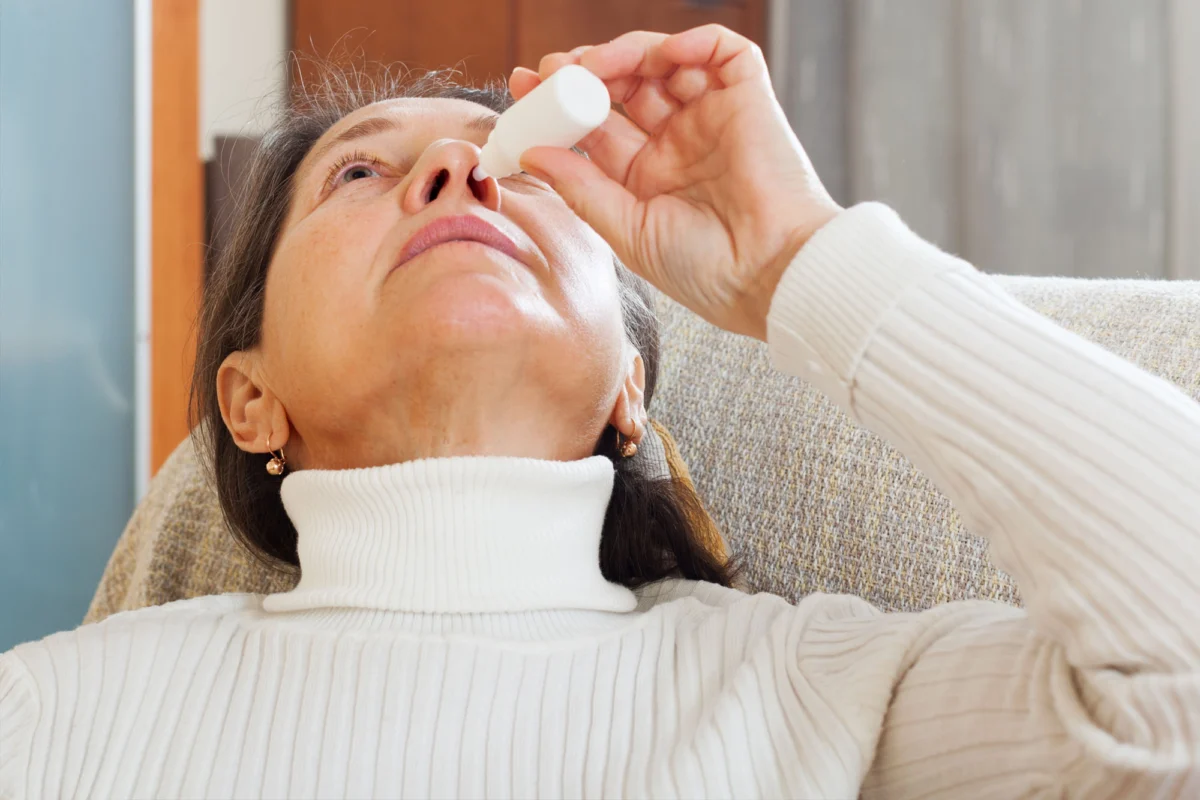
- Administration: Using a dropper, place 2–3 drops into each nostril.
Note: Users should be prepared for an immediate, intense sensation of heat and flushing in the eyes and nose. This is followed by a characteristic "afterglow"—an exhilarating sense of clarity and lightness.
Implications for Modern Health and Wellness
The integration of Nasya into a modern wellness routine represents a shift from "symptom management" to "systemic optimization." By addressing the health of the cranial-sinus complex, individuals can mitigate the chronic inflammatory responses often exacerbated by winter indoor living and environmental pollutants.
However, the medical community emphasizes caution. While these remedies have been utilized for millennia, they involve delicate mucosal tissues. It is essential that any individual interested in starting a Nasya regimen consult with a qualified Ayurvedic practitioner or healthcare professional, particularly if they have a history of chronic sinus infections, anatomical obstructions, or prior nasal surgeries. Fresh preparation is non-negotiable; because these substances are introduced into a highly sensitive area, the risk of bacterial contamination in pre-made or stored mixtures is a significant concern.
Conclusion: Returning to the Source
The beauty of the Ayurvedic approach lies in its humility. It does not promise instant miracles, but rather a return to the natural state of balance. By observing the seasons and adjusting our daily habits—incorporating the heating, expansive qualities of Nasya during the cold months—we support our bodies’ innate ability to heal.
As we continue to navigate the complexities of modern health, the ancient wisdom of Panchakarma remains a relevant, evidence-based roadmap for those seeking to harmonize their internal environment with the world around them. Whether through the sharp, awakening qualities of Vacha or the soothing, clarifying nature of a ginger infusion, the practice of Nasya serves as a daily reminder that health is not a static destination, but a fluid, conscious journey.