For decades, the medical community has recognized the visceral connection between the mind and the digestive tract. The "gut-brain axis"—a complex, bidirectional communication network linking the central nervous system to the enteric nervous system—explains why anxiety triggers stomach butterflies and why chronic stress often manifests as gastrointestinal distress. However, new research set to be unveiled at the 2026 Digestive Disease Week (DDW) suggests that the physiological impact of stress is not a standalone event. Instead, it is being significantly amplified by a modern, pervasive habit: late-night eating.
The emerging field of "chrononutrition"—the study of how the timing of food intake influences biological rhythms—is now providing compelling evidence that when we eat may be just as critical as what we eat, especially when the body is already operating under the heavy burden of chronic stress.
The Synergy of Stress and Timing: Main Facts
The upcoming study, titled "Beyond sleep alone: How stress and late-night eating disrupt bowel habits and gut microbiome diversity, a multi-cohort study," suggests that the combination of high stress and nocturnal snacking creates a "double hit" to digestive integrity.
Lead author Harika Dadigiri, MD, a resident physician at New York Medical College at Saint Mary’s and Saint Clare’s Hospital, posits that the human body is evolutionarily primed to digest food during daylight hours. When high-stress individuals consume a significant portion of their daily caloric intake late at night, they disrupt the body’s circadian alignment, potentially leading to increased incidences of diarrhea, constipation, and a diminished gut microbiome.
"It’s not just what you eat, but when you eat it," Dr. Dadigiri noted in a preliminary briefing. "When we’re already under stress, that timing may deliver a ‘double hit’ to gut health, compounding the existing strain on our physiological systems."
The Chronology of the Research
The journey to this discovery began with a comprehensive look at the National Health and Nutrition Examination Survey (NHANES). Researchers sought to move beyond anecdotal evidence, opting instead for a data-driven approach to map the intersection of physical stress markers and dietary habits.
Phase I: The NHANES Analysis
By analyzing data from over 11,000 participants, the research team established a baseline for "allostatic load." This metric serves as a proxy for cumulative physical stress, calculated by evaluating a participant’s body mass index (BMI), serum cholesterol levels, and blood pressure. The study found a clear, positive correlation between higher allostatic load scores and the frequency of reported bowel irregularities.
The team then cross-referenced these scores with caloric timing. Participants who consumed more than 25% of their daily calories after 9:00 p.m. were found to have a 1.7-fold higher risk of suffering from chronic constipation or diarrhea compared to their lower-stress, earlier-dining counterparts.
Phase II: The American Gut Project
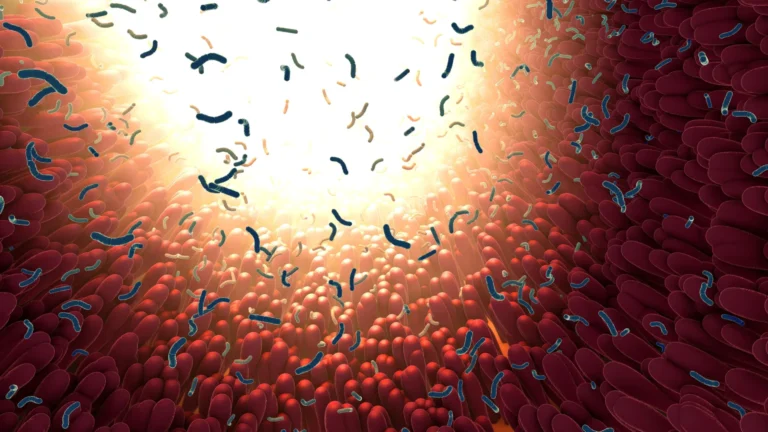
To validate these findings, the researchers pivoted to a secondary, independent dataset: the American Gut Project. By examining the profiles of over 4,000 individuals, the team sought to confirm whether the findings regarding bowel function extended to the microbiome—the trillions of bacteria, fungi, and viruses that reside in the digestive tract.
The results were even more pronounced in this second cohort. Individuals who combined high-stress lifestyles with a propensity for late-night eating were 2.5 times more likely to report significant bowel issues. Crucially, these participants exhibited lower levels of microbial diversity, a key indicator of gut health. This suggests that the timing of food intake acts as a catalyst, exacerbating the already detrimental effects of stress on the microbial ecosystem.
Supporting Data and the Gut-Brain Axis
The biological mechanism behind these findings is believed to be rooted in the gut-brain axis. Under chronic stress, the body releases a cascade of hormones, primarily cortisol and adrenaline, which shift the body into a "fight or flight" state. This state diverts blood flow away from the digestive system, slowing gastric motility and altering the chemical environment of the gut.
When food is introduced into this already taxed environment late at night, the body’s internal "clock" (the circadian system) is forced to reconcile digestion with the need for systemic rest and repair. The study suggests that this misalignment disrupts the composition of the gut microbiome, as different species of bacteria have their own rhythmic cycles that are optimized for daytime processing.
By consuming food late, individuals may be "starving" beneficial microbes that thrive on a consistent circadian rhythm while potentially fostering the growth of less desirable bacterial strains. This shift in microbial diversity, when combined with the stress-induced slowdown of the gut, creates a perfect storm for gastrointestinal dysfunction.
Professional Perspective and Clinical Implications
The implications of this research are vast, particularly for those working in high-stress environments or shift-work settings. While the study is observational and cannot definitively claim that late-night eating causes the gut issues observed—rather, that the two are strongly linked—it provides a vital roadmap for future clinical intervention.
Dr. Dadigiri emphasizes that this research is not intended to pathologize the occasional late-night snack, but rather to encourage a more mindful approach to meal scheduling.
"I’m not the ice cream police," Dr. Dadigiri remarked, acknowledging the reality of modern work-life balance. "Everyone should enjoy their food—maybe just try to eat it earlier in the day. The goal is to move toward small, consistent habits. Maintaining a structured meal routine can promote more regular eating patterns, which gives the digestive system the predictability it needs to function effectively, even when life is stressful."
The Role of Chrononutrition in Modern Medicine
The field of chrononutrition is quickly becoming a pillar of preventative medicine. As we move away from a "calories-in, calories-out" model toward one that incorporates biological timing, physicians may soon begin prescribing "time-restricted eating" not just for weight loss, but for the stabilization of digestive health.
If future randomized controlled trials confirm the results found in the NHANES and American Gut Project datasets, clinical advice for patients with Irritable Bowel Syndrome (IBS) or other functional gastrointestinal disorders could shift to include strict "curfews" on food intake. This would represent a non-pharmacological, highly accessible intervention that could significantly improve the quality of life for millions of people.
Looking Ahead: The Presentation at DDW 2026
The scientific community and the public alike are awaiting the full presentation of these findings. Dr. Dadigiri is scheduled to present the study, abstract Mo1769, on Monday, May 4, 2026, at 12:30 p.m. CDT.
The presentation is expected to delve deeper into the specific microbial signatures observed in the study and discuss how healthcare providers might screen for "chrononutritional risk" during routine check-ups. By identifying patients who both experience high stress and follow erratic, late-night eating patterns, doctors may be able to intervene before digestive issues become chronic or severe.
Conclusion: Small Shifts for Better Health
The research being presented at Digestive Disease Week 2026 serves as a powerful reminder that our bodies are rhythmic entities. We are not merely engines that require fuel at any time; we are biological systems that require synchronization.
As the modern world continues to demand more of our time and energy, the stress of our daily lives is often unavoidable. However, by being more intentional about when we eat, we may be able to mitigate some of the biological damage caused by that stress. Whether it is moving dinner one hour earlier or prioritizing a consistent breakfast, these small, evidence-based adjustments could be the key to reclaiming gut health in an increasingly fast-paced world.
The upcoming presentation by Dr. Dadigiri is not just a scientific update—it is a call to action for a more "rhythmic" approach to nutrition, proving that when it comes to the gut, the clock is just as important as the fork.