










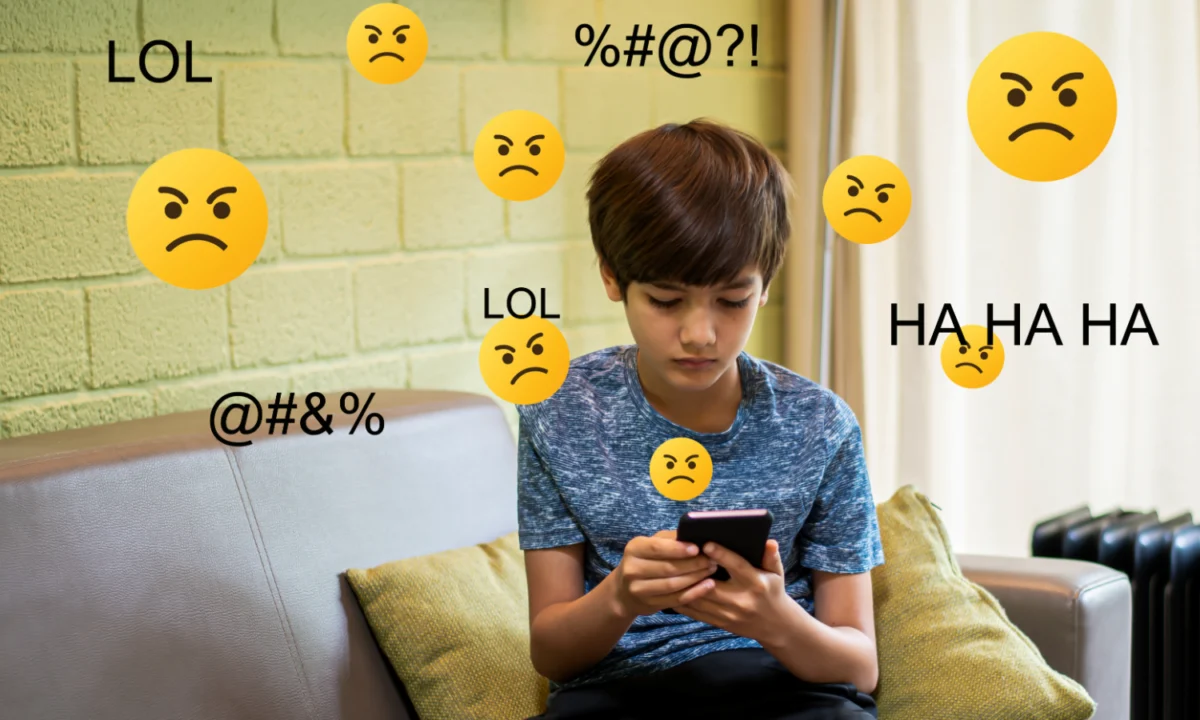
In the modern era, the journey from childhood to adulthood has become increasingly fraught with complex psychological challenges. While adolescence has historically been characterized as a period of transition and occasional turbulence, recent data suggests that today’s teenagers are facing a mental health crisis of unprecedented proportions. According to recent clinical findings, the prevalence of diagnosed mental or behavioral health conditions among adolescents surged by 35% between 2016 and 2023. This statistical shift highlights a burgeoning public health concern that demands the attention of parents, educators, and healthcare providers alike.
As the landscape of teen emotional health shifts, the distinction between "normal teenage behavior" and clinical indicators of distress has become harder to discern. Understanding the nuances of these changes is no longer just a matter of parental intuition; it is a critical component of early intervention that can alter the trajectory of a young person’s life.
The Statistical Reality: A Chronology of Declining Wellness
The timeline of adolescent mental health over the last decade reveals a troubling trend. Data collected between 2022 and 2023 indicates that anxiety, behavioral disorders, and depression have become the most frequently diagnosed conditions in children and teens. Perhaps more concerning is the realization that a significant portion of the adolescent population remains undiagnosed, suffering in silence behind the digital screens that define much of their social existence.
Current metrics suggest that 40% of teenagers today experience persistent feelings of sadness or hopelessness. This is not merely a "phase" or a byproduct of temporary academic stress; it is a sustained emotional state that interferes with the fundamental developmental tasks of adolescence. The rise in these figures correlates with a period of intense societal change, including the ubiquitous influence of social media, a global pandemic that disrupted crucial social milestones, and increasing academic and economic pressures.
Decoding the Warning Signs: When "Typical" Becomes "Troubling"
One of the greatest challenges for parents is determining when a teenager’s moodiness crosses the threshold into a condition requiring professional intervention. While mood swings are a biological byproduct of hormonal shifts, clinical depression and anxiety are characterized by their persistence and intensity.
1. Persistent Emotional Shifts and Withdrawal
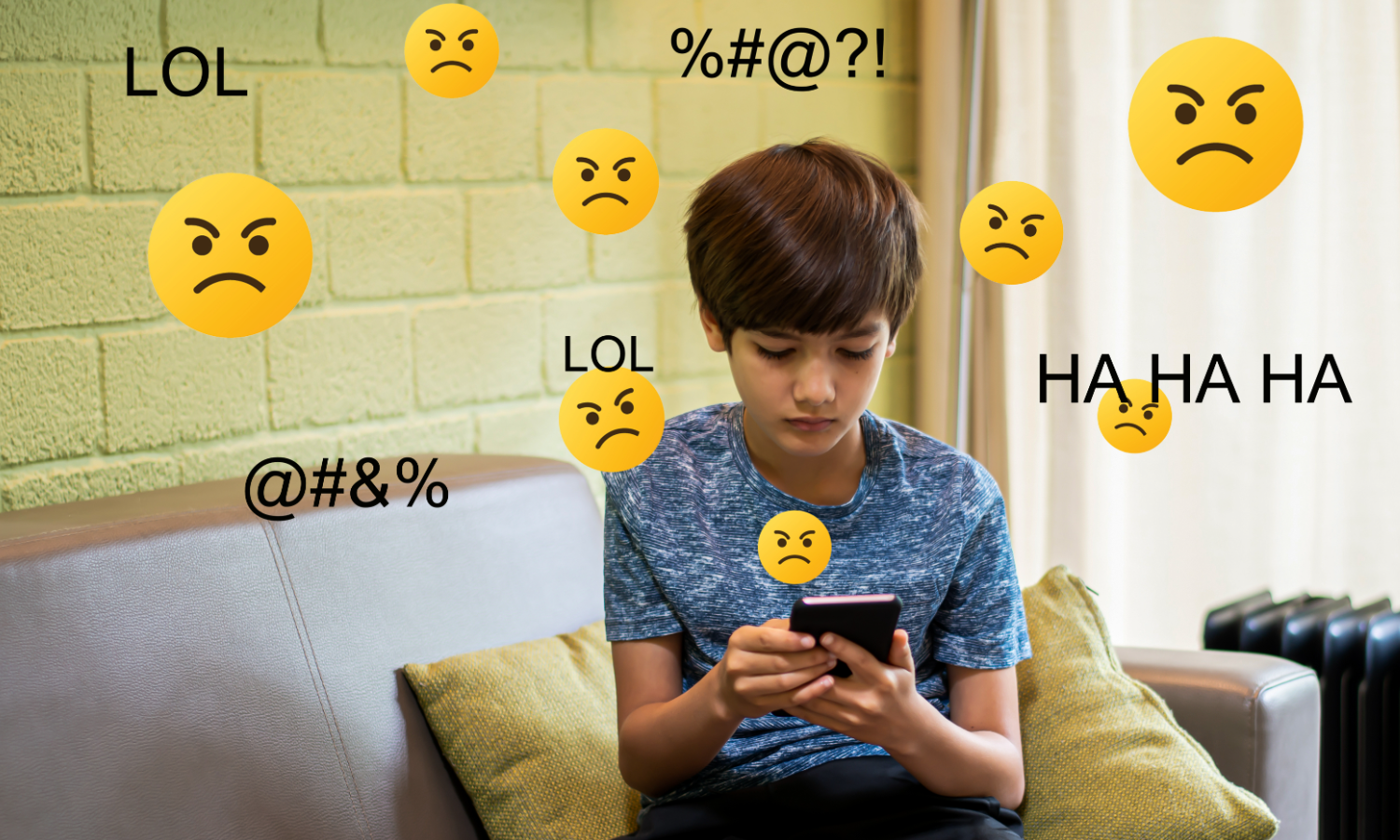
The hallmark of a mental health struggle is often a lingering sense of despair. If a teenager exhibits sadness, anxiety, or emotional numbness that lasts for two weeks or longer, it serves as a primary red flag. This withdrawal is often internal—a shutting down of the emotional self—which can eventually lead to external social isolation. When a teen who was once communicative becomes an "emotional fortress," the need for a therapeutic outlet becomes paramount.
2. Disruptions in Daily Functioning
Mental health issues frequently manifest as physical or behavioral disruptions. Sudden changes in sleep patterns—either insomnia or excessive sleeping—and significant fluctuations in appetite are clear indicators of internal distress. Furthermore, a sharp, unexplained decline in academic performance often signals that a student’s cognitive resources are being consumed by emotional survival rather than learning.
3. Anhedonia: The Loss of Interest
In clinical terms, anhedonia is the inability to feel pleasure from activities usually found enjoyable. If a teenager abruptly abandons a long-term hobby, quits a sports team they previously loved, or stops engaging with their friend group, it suggests a profound shift in their internal reward system. This retreat into the bedroom or into solitary digital consumption is often a coping mechanism for an overwhelmed mind.
4. Somatization: The Mind-Body Connection
Teenagers often lack the sophisticated emotional vocabulary required to express complex feelings of anxiety or depression. Consequently, these emotions frequently "somatize," or manifest as physical ailments. Chronic headaches, stomach aches, and general fatigue with no underlying medical cause are common ways the adolescent body signals psychological distress. When pediatricians find no physiological basis for these complaints, the root is often found in the patient’s mental well-being.
5. Maladaptive Coping and Self-Harm
The most acute warning signs involve risky behaviors and self-harm. In an attempt to numb emotional pain, some adolescents turn to substance abuse. Others may engage in non-suicidal self-injury (NSSI), such as cutting or burning, as a way to externalize internal agony. These behaviors are habit-forming and represent a high-level safety risk that requires immediate, specialized professional intervention.
Addressing the Stigma: Therapy as Proactive Healthcare
Despite the rising need, a significant barrier to treatment remains the social stigma surrounding mental health. Many teenagers fear being labeled as "broken" or "crazy," while parents may view their child’s need for therapy as a personal failure of their parenting.
However, expert consensus is shifting the narrative: therapy is not a "last resort" for a crisis, but a proactive tool for emotional regulation. Just as a student might see a tutor for math or an athlete might see a physical therapist for a strained muscle, a teenager sees a therapist to strengthen their emotional resilience.
The data offers a glimmer of hope: in 2023, nearly 80% of children between the ages of 12 and 17 who were identified as needing mental health treatment actually received it. This suggests that the "shame" associated with therapy is diminishing, and more families are recognizing the value of professional support.
Official Guidance: Starting the Conversation
For parents, the prospect of suggesting therapy can be daunting. Experts in adolescent psychology recommend a strategy rooted in empathy rather than "fixing."
- The Timing of the Dialogue: Conversations regarding mental health should never occur in the heat of an argument or during a moment of crisis. They should happen in "low-stakes" environments—perhaps during a drive or a quiet evening—when both parties are calm.
- Leading with Observation, Not Judgment: Instead of using labels like "depressed," parents should use "I" statements based on observation. For example: "I’ve noticed you haven’t been hanging out with your friends lately, and you seem more tired than usual. I’m concerned about how you’re feeling, and I want to make sure you have the support you need."
- Empowering the Adolescent: Adolescence is defined by a drive for autonomy. Giving a teen agency in the process—allowing them to help choose the therapist or decide between in-person and telehealth sessions—increases the likelihood of successful engagement.
- The Promise of Confidentiality: One of the most vital aspects of the therapeutic relationship is privacy. Parents must reassure their children that the therapist’s office is a "vault," where their words are protected (unless there is an immediate risk of harm). This sense of safety is often what allows a teen to finally speak their truth.
The Necessity of Specialized Care
Not all therapy is created equal, especially when dealing with the adolescent brain. The teenage brain is in a state of rapid neural remodeling, particularly in the prefrontal cortex—the area responsible for decision-making and impulse control.
When seeking a provider, it is essential to find a therapist who specializes in adolescent development. These professionals utilize specific modalities, such as Cognitive Behavioral Therapy (CBT) or Dialectical Behavior Therapy (DBT), tailored for younger clients. A specialized therapist understands that the goal is not just to "talk," but to build a "therapeutic alliance" where the teen feels seen, heard, and respected as an emerging adult.
Implications for the Future: The Cost of Inaction
The implications of the current adolescent mental health crisis extend far beyond the individual family. Unaddressed mental health issues in youth are strong predictors of challenges in adulthood, including chronic unemployment, substance use disorders, and difficulties in maintaining stable relationships.

Conversely, early intervention serves as a powerful protective factor. When a teenager learns to navigate their emotions, set boundaries, and communicate their needs through therapy, they are not just "getting through a phase"—they are building a foundation for a healthy adult life.
The 35% increase in mental health diagnoses since 2016 is a wake-up call. It reflects a generation that is under immense pressure but is also more willing to identify and address its struggles than any generation before it. For parents, the most "heroic" act is often the simplest: acknowledging that love and encouragement, while vital, are sometimes not enough. Seeking professional help is an act of profound compassion, ensuring that the challenges of today do not become the tragedies of tomorrow.
Crisis Resources:
If you or a loved one is in immediate distress, contact the 988 Suicide & Crisis Lifeline by calling or texting 988 in the U.S. and Canada. Professional help is available 24/7.